

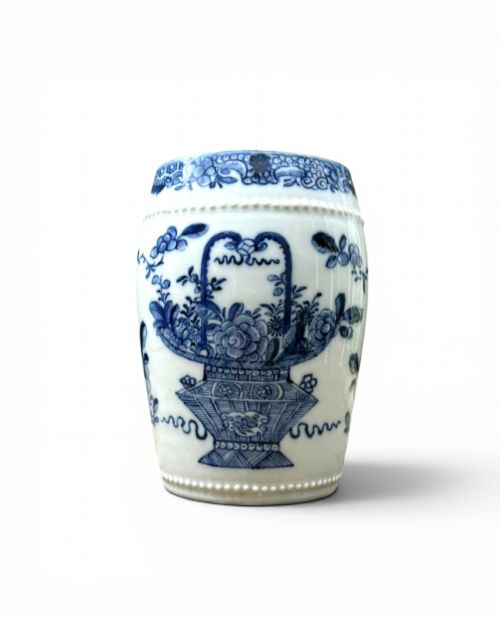


Antique Ceramic Beer Mug
These antique ceramic beer mug pieces span delicate Chinese export porcelain to robust salt-glazed stoneware, offering characterful drinking vessels for your collection.
Antique Ceramic Beer Mug
When you search for an antique ceramic beer mug, you encounter a varied selection of drinking vessels spanning centuries of craftsmanship. The listings include forms such as tankards, beer steins, and Toby jugs made for daily use or commemoration.
You are most likely to meet 18th-century porcelain mugs from Chinese export kilns alongside sturdy earthenware and stoneware pieces from English and German traditions. These range from plain creamware to polychrome faience and cobalt-decorated salt glaze.
The materials and styles reflect both domestic tavern culture and international trade, incorporating designs from the Georgian, Victorian, and German historicism periods. Each piece serves as a tangible link to historical drinking customs and ceramic artistry.
How They Were Made
Potters shaped these vessels using traditional wheel-throwing or moulding techniques, utilising local clays for earthenware and stoneware or refined kaolin for porcelain. Cobalt blue and enamel colours were applied by hand before firing in wood or coal-burning kilns.
Glazes played a vital structural role, from the salt glaze of Westerwald stoneware providing a pitted texture to the smooth transparent finish on Chinese porcelain and tin-glazed enamel on Delft faience.
One school mug bears a specific ward number, proving that even institutions kept strict inventory of their drinking vessels.
What Varies in Quality
Quality depends on the crispness of the moulding and the skill of the hand-painted decoration, where confident brushwork distinguishes superior workshop output from simpler mass production. The stability of the handle attachment and the evenness of the glaze during firing also mark the distinction between everyday tavern ware and high-status display pieces.
Provenance and specific historical association elevate certain items, such as school-commissioned vessels or coronation commemorative pieces, separating standard utilitarian mugs from those created for notable institutions or events.
Copeland·Sarreguemines·Mettlach·Hadley Worcester
The Antique Ceramic Beer Mug Glossary
- Stoneware
- A heavy, dense ceramic fired at high temperatures until vitrified, making it completely non-porous and durable. It forms the body of many German beer steins.
- Creamware
- A refined earthenware developed in England during the 18th century, featuring a pale yellowish-buff lead glaze. It became popular for domestic tankards.
- Faience
- Tin-glazed earthenware produced in continental Europe, often decorated with colourful polychrome pigments over an opaque white glaze. German examples frequently display vibrant folk art motifs.
- Salt glaze
- A ceramic finish created by throwing common salt into the kiln during high-temperature firing, producing a characteristic orange-peel texture on stoneware.
- Toby jug
- A pottery jug modelled in the form of a stout, cheerful man usually wearing 18th-century attire and holding a mug of beer. Staffordshire potteries specialised in this form.
Antique Ceramic Beer Mug: Frequently Asked Questions
How do I clean an antique ceramic mug?
Wash the vessel gently by hand in warm water using a mild soap, avoiding harsh scrubbing or dishwashers.
Dry it thoroughly with a soft cloth to protect any fragile glazes or historical surfaces.
Can I drink beer from these mugs?
While many stoneware and porcelain vessels remain physically robust enough for use, historical pieces often feature crazed glazes that can absorb liquids.
Collectors generally choose to display them rather than risk staining or damaging the antique material.
What is a Westerwald tankard?
Westerwald tankards originate from the German region known for producing salt-glazed grey stoneware decorated with cobalt blue designs.
These pieces typically date to the 18th century and served as sturdy drinking vessels.