
Antique Center Table
An antique centre table commands the middle of a room, offering a functional surface designed to be viewed from every conceivable angle.
Antique Center Table
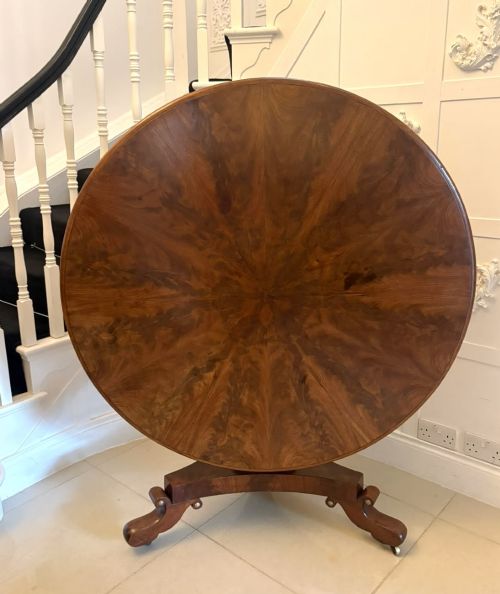
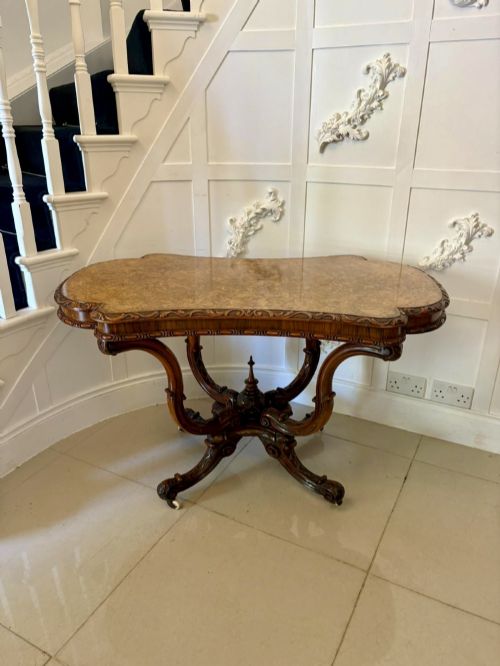
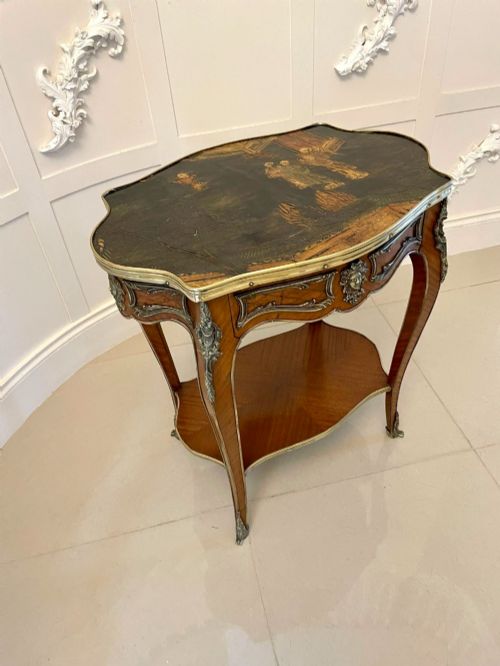
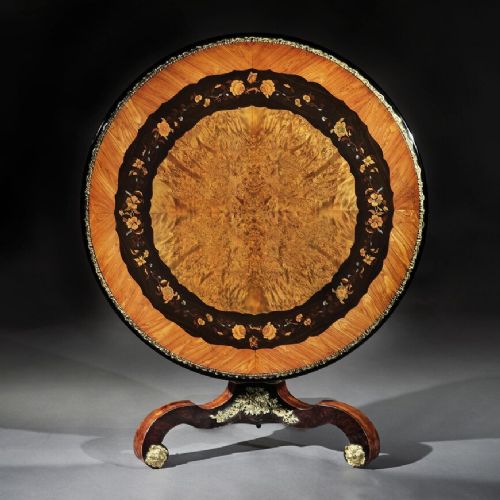
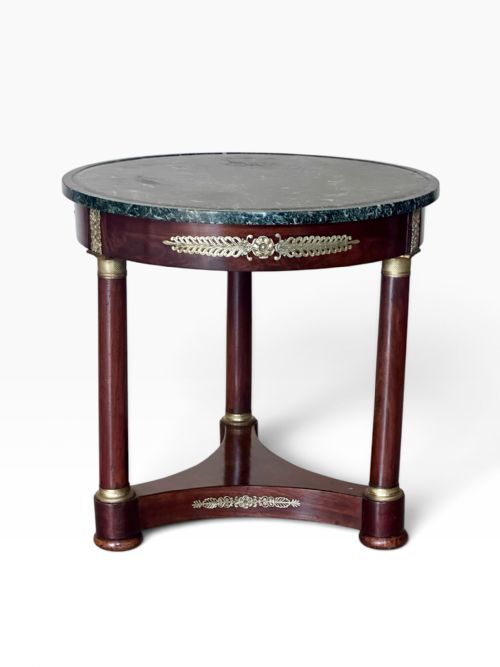
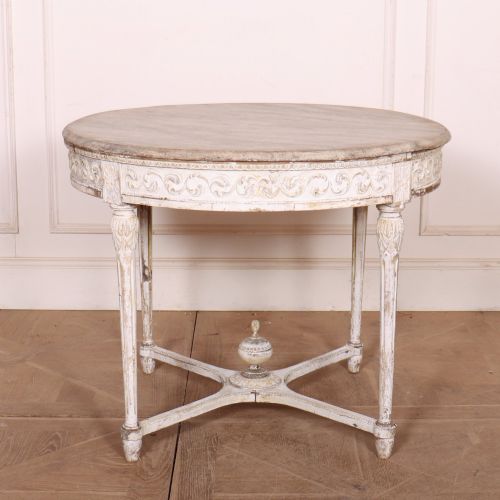
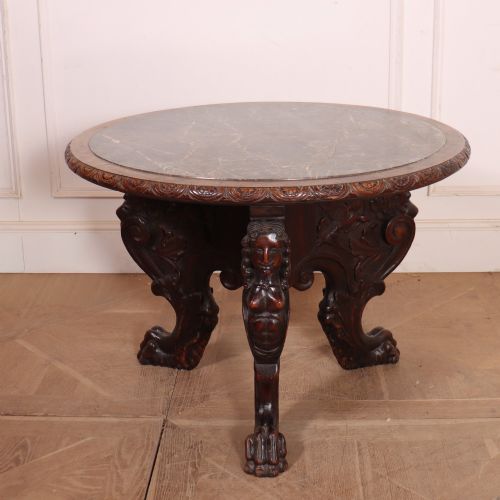
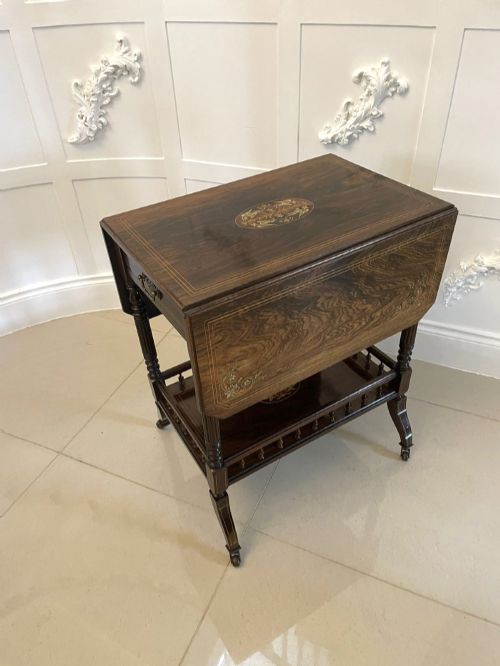
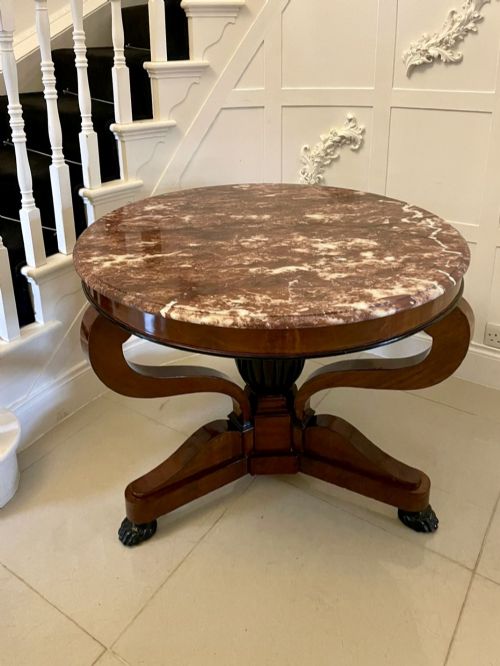
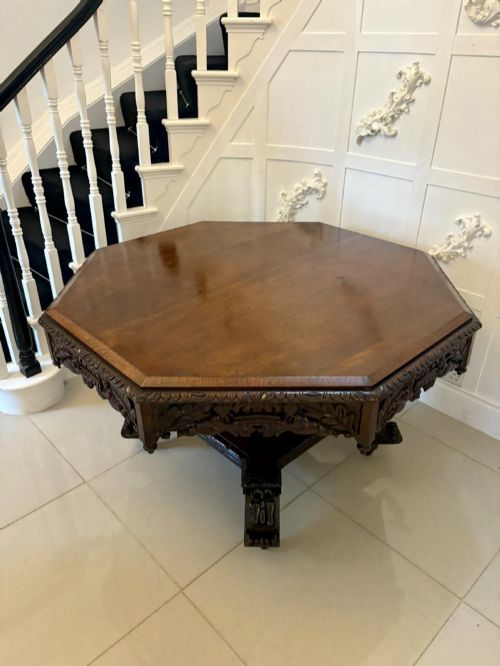
An antique centre table is a freestanding piece created to sit proudly in the middle of a room rather than against a wall, finished carefully on all sides. When searching this phrase, a buyer encounters diverse nineteenth-century examples spanning circular dining forms, oval tilt-tops, and smaller lamp or occasional tables.
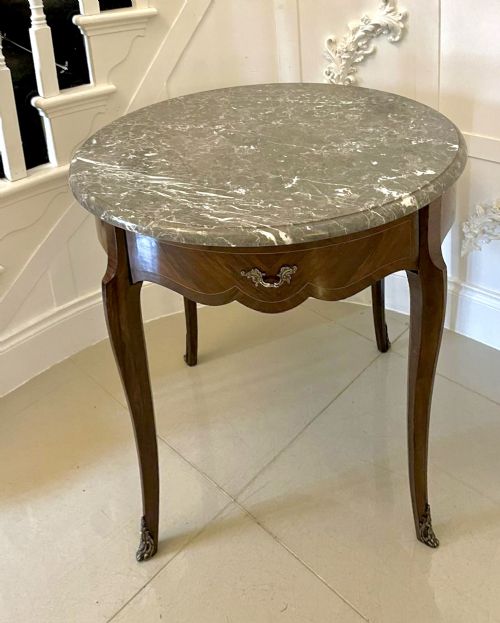
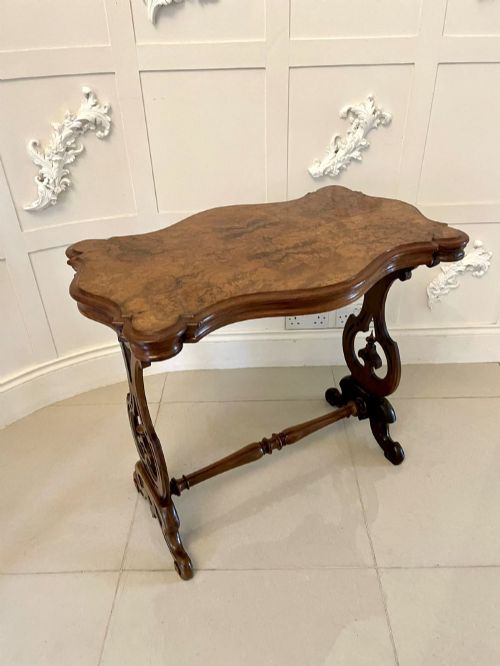
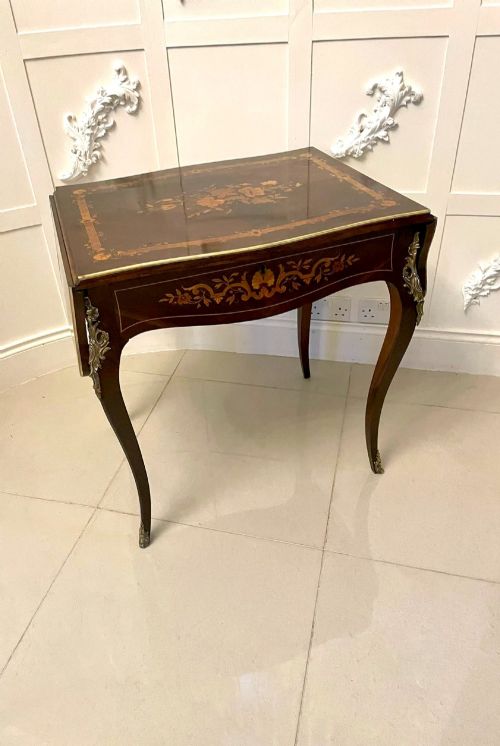
Victorian burr walnut and rosewood versions dominate the available pieces, frequently displaying marquetry inlay, shaped tops, and carved pedestals. Alongside English iterations, French designs such as Louis XV revival pieces, Gueridon forms, and Boulle marquetry work appear regularly.
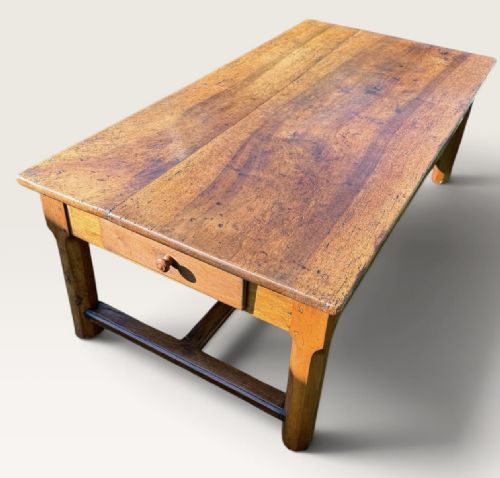
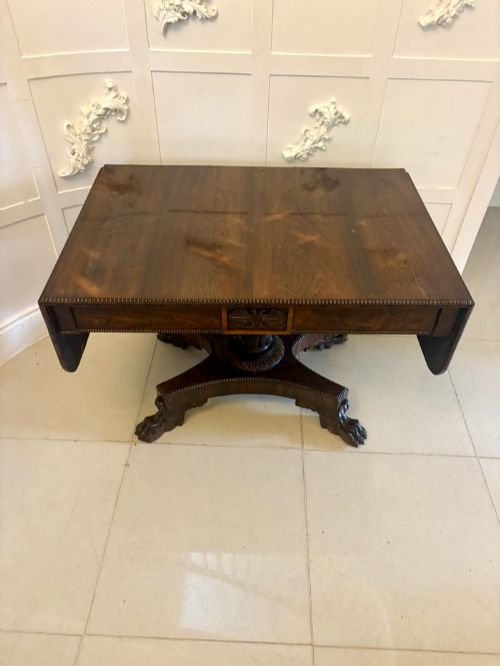
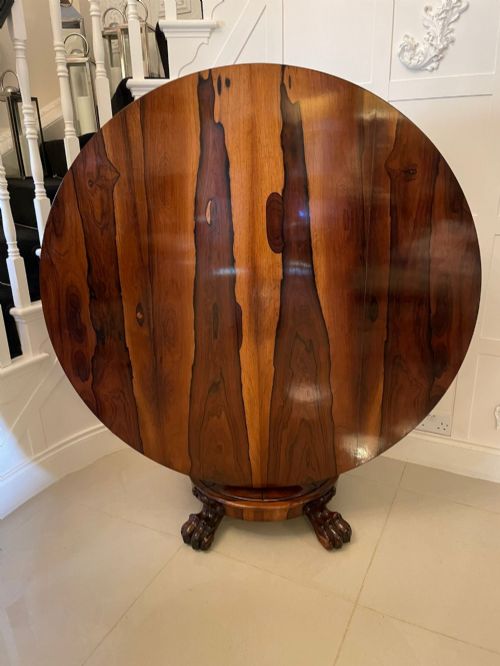
Earlier William IV and Regency examples bring substantial circular rosewood and mahogany formats supported by triform bases or solid pedestals. Edwardian and later nineteenth-century walnut, mahogany, and satinwood pieces round out the selection, providing options from rustic farmhouse tables to elaborate French creations.
Materials and Construction
Cabinet makers utilised dense hardwoods like mahogany, rosewood, and walnut as structural carcases, often applying burr walnut or kingwood veneers to create striking grain patterns on top surfaces. Marquetry and parquetry inlay introduce contrasting lighter woods such as satinwood and maple into floral or geometric arrangements.
Ormolu mounts, gilt bronze, and brass detailing embellish French and Victorian tables, framing wood panels and accentuating serpentine or shaped edges. Marble tops also feature on select French and Victorian pieces, providing a cool, durable surface set directly into the wooden frame.
Some nineteenth-century tables include hidden tilt-top mechanisms built so well that guests spent hours trying to figure out why the surface moved.
Evaluating Craftsmanship
The distinction between ordinary and superior pieces rests on the depth of hand-carving, the precision of the marquetry, and the selection of figured timber veneers. Well-executed tables display continuous grain alignment, crisp brass or ormolu mounts, and stable, robust underframes that support heavy marble or solid wood tops without wobble.
Attribution to documented makers or workshops elevates a piece, as does the integration of complex mechanisms like tilt-top actions that lock securely into place. Finished timber on the underside and meticulous joint construction indicate a higher tier of nineteenth-century cabinet making.
Edward Holmes Baldock·Francois Linke·Gillows·Joseph-Emmanuel Zwiener·Edward s And Robert s·Maples Co
The Antique Center Table Glossary
- Freestanding
- Finished on all four sides so the table can stand away from any wall. This design ensures that every angle displays the same level of polish and decorative detail.
- Marquetry
- Decorative veneer patterns made from various thin wood pieces assembled to form pictures or geometric designs. These compositions often incorporate floral motifs across table tops.
- Ormolu
- Gilt bronze ornamentation applied to the mounts, feet, and edges of fine furniture. The technique creates a bright gold-colored metallic contrast against dark rosewood or kingwood.
- Tilt-top
- A mechanism allowing the table top to pivot into a vertical position for storage or room clearance. It relies on a sturdy catch mechanism beneath the surface.
Antique Center Table: Frequently Asked Questions
Where should I place an antique centre table?
These pieces are designed to stand away from walls, making them ideal for the middle of a reception room, a large hallway, or a spacious library. Because they feature finished decoration on all sides, they act as focal points from any viewing angle.
Ensure there is enough walking space around the perimeter so the piece functions properly within the room layout. Placing a lamp or decorative bowl on top completes the traditional arrangement.
How do I distinguish a tilt-top table?
Tilt-top tables feature a hinge mechanism beneath the surface that allows the top to rotate and lock into a vertical position. This historical design saved valuable floor space when the furniture was not in use.
Examine the pivot block and catch under the top to see the original brass or wooden locking mechanism. Solid construction ensures the top remains stable when horizontal.
What is the difference between a centre table and a dining table?
Centre tables generally feature elaborate decorative tops, such as marquetry inlay or marble inserts, and are built as ornamental and functional surfaces for display. While some larger Victorian examples served dual purposes for dining, standard centre tables prioritize freestanding aesthetics.
Dining tables usually offer greater extension capabilities or larger fixed proportions to accommodate multiple chairs comfortably. Centre tables remain scaled for rooms where people gather around them rather than sit closely for meals.
How do I care for polished rosewood and walnut surfaces?
Maintain the wood by dusting with a soft, dry cloth and applying traditional beeswax periodically to nourish the grain. Avoid placing the table in direct sunlight or near heat sources to prevent the timber from drying out or warping.
Use coasters under glasses and mats under hot items to protect the antique polish from water rings and heat damage. Gentle handling preserves the original patina over decades of daily use.