


Antique Cast Iron Ornaments
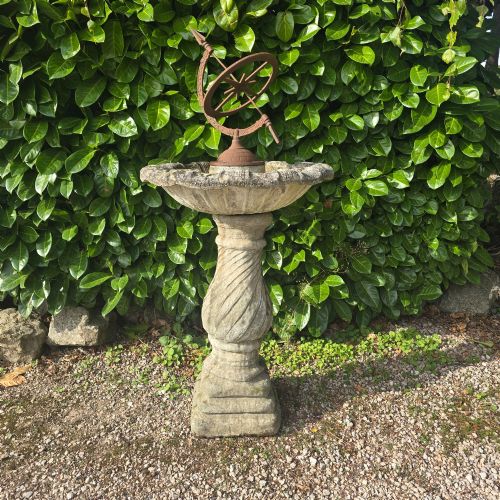
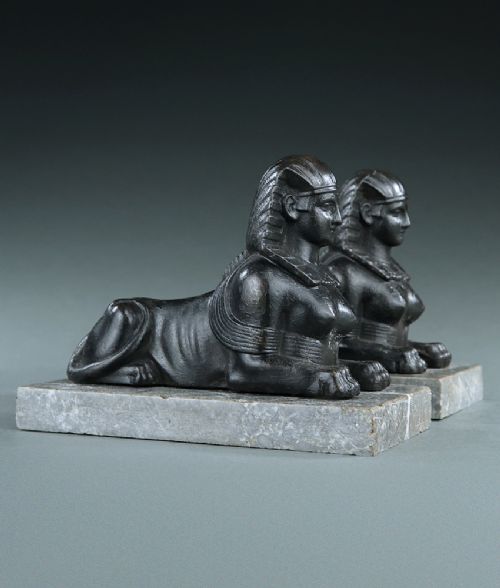
These antique cast iron ornaments span utility and display, ranging from heavy garden urns to small desk weights.
Antique Cast Iron Ornaments
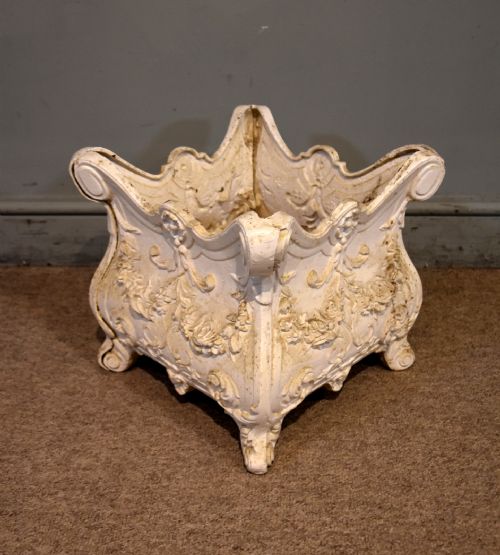
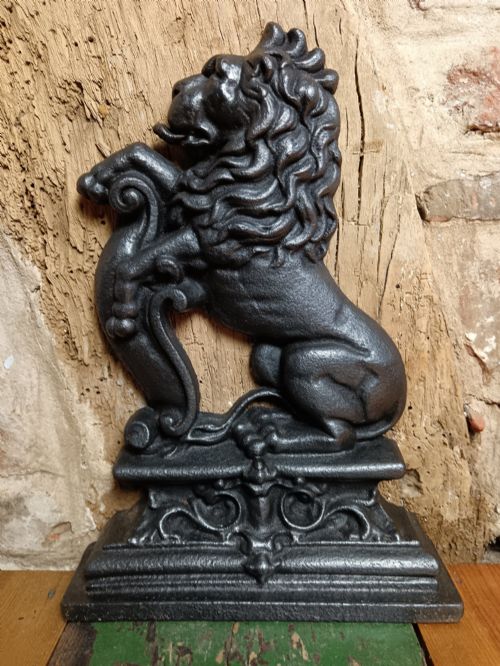
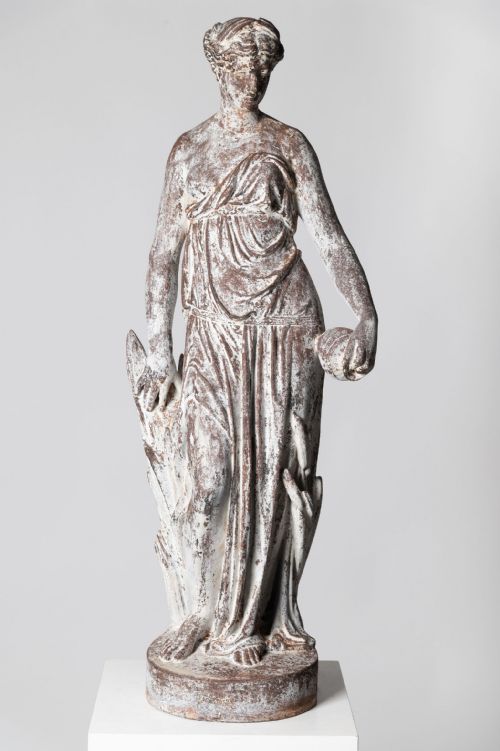
Antique cast iron ornaments encompass a broad variety of heavy metal objects designed for both domestic utility and garden decoration. Buyers encounter everything from utilitarian doorstops and fireplace accessories to monumental garden urns and statues.
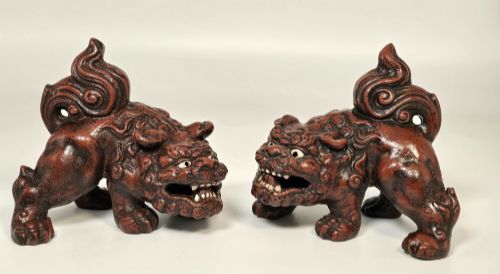
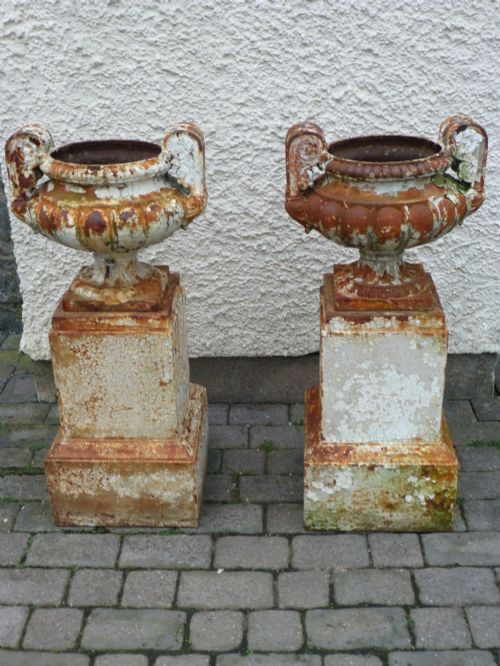
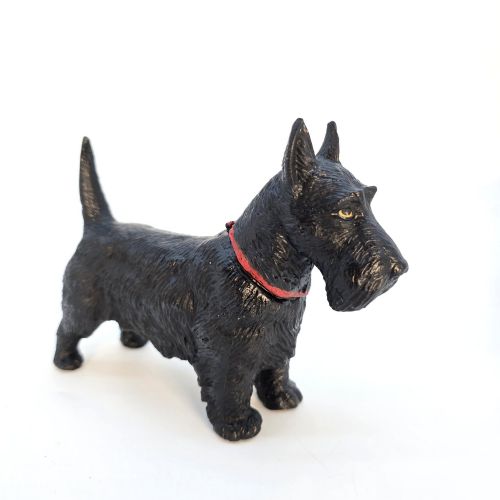
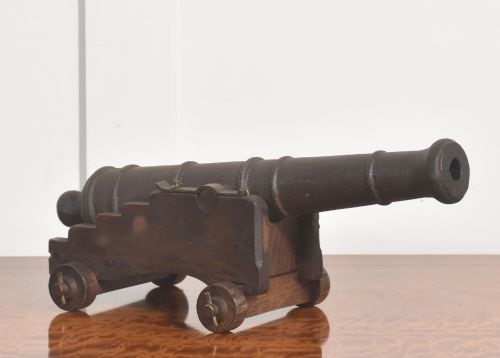
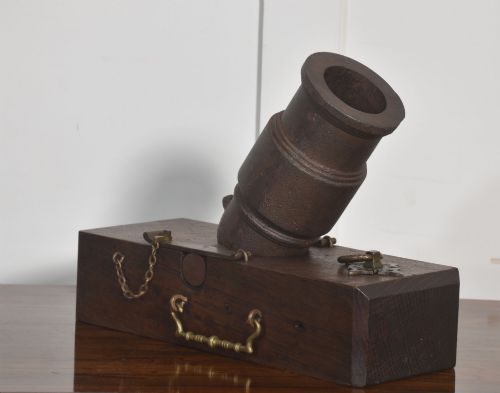
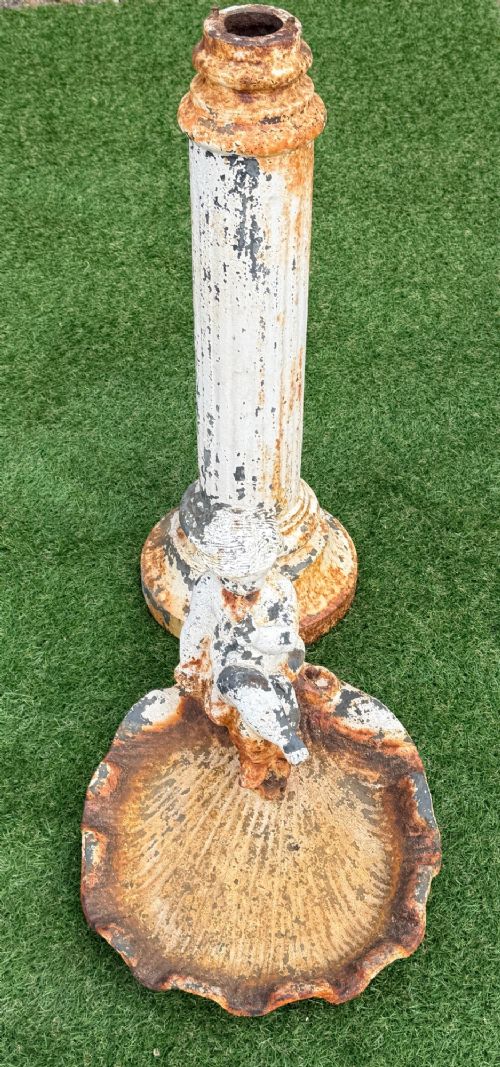
The selection leans heavily toward Victorian and Edwardian examples, alongside pieces from the Regency period and the early twentieth century. Common household forms include lions, dogs, and miniature cannons, while garden pieces feature campana urns and planters.
What varies in quality
The integrity of the original surface, whether aged paint or natural oxidisation, determines the visual depth of the piece. Heavy, thick-walled castings from renowned foundries command greater appreciation than lighter, later iterations.
Antique Cast Iron Ornaments Retail Price Guide 2026
Typical asking prices for cast iron ornaments among the pieces listed under this phrase on Sellingantiques today, from the lower quarter to the upper quarter. They describe what is for sale here now, not the wider market.
The listings feature nineteenth-century cast iron items incorporating wood, brass, and hand-painted finishes across various decorative styles.
Falkirk Carron foundry·Coalbrookdale·Andrew Handyside·Val d’Osne foundry
The Antique Cast Iron Ornaments Glossary
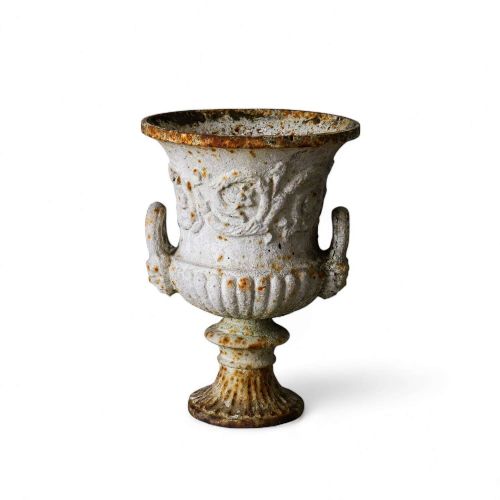
- Campana urn
- A bell-shaped garden vessel originating in classical antiquity, widely reproduced by nineteenth-century ironfoundries. These heavy planters typically sit on square plinths.
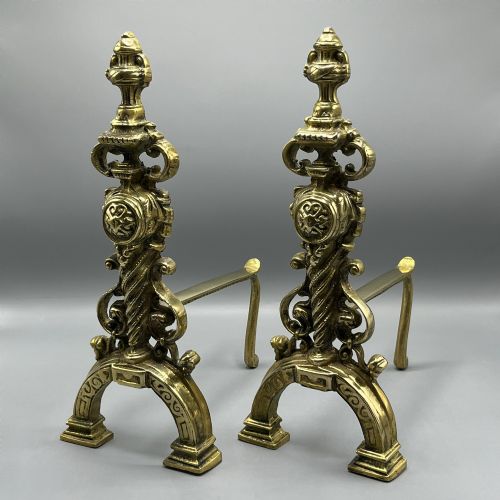
- Andirons
- Supports used in open hearths to hold logs above the hearth floor, frequently paired with decorative iron or brass fronts. They are also known as fire dogs.
- Finial
- An ornamental architectural detail marking the top or end of a stair post, gate, or structure. Iron examples often take the form of pinecones or floral motifs.
- Hitching post
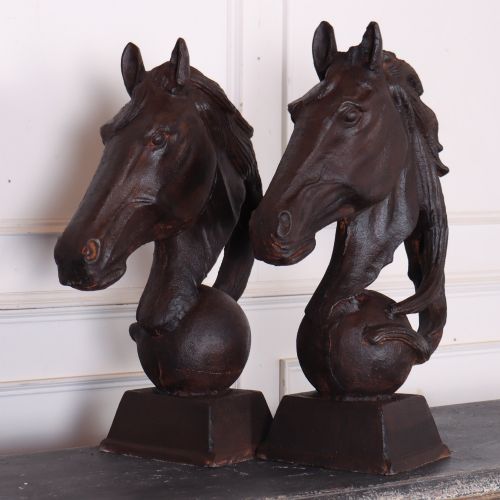
- A sturdy vertical post placed near a driveway or entrance for tying horses. Cast iron versions frequently feature modelled horse heads.
- Patina
- The surface sheen and colour acquired by metal through age, handling, and weathering. It serves as an indicator of an object's longevity and exposure.
Antique Cast Iron Ornaments: Frequently Asked Questions
How do I clean an antique iron garden urn?
Wash the surface gently with water and a soft brush to remove accumulated dirt without disturbing the underlying patina or remaining paint layers.
Avoid harsh chemical detergents or abrasive wire pads, which strip protective oxide layers and expose bare metal to fresh corrosion.
Are these heavy iron ornaments safe outdoors?
Most nineteenth-century garden pieces were built specifically for exterior display and withstand weathering well due to their substantial mass and durable metal composition.
Place them on stable stone or gravel surfaces rather than directly on damp soil to prevent excessive moisture retention at the base.
How can I tell a Victorian doorstop from a modern copy?
Examine the underside and interior edges for the rough texture of sand-casting and heavy weight characteristic of nineteenth-century production methods.
Older examples display genuine wear patterns, accumulated layers of old paint, and crisp detailing that modern replica moulds tend to soften.
What were small cast iron ornaments used for?
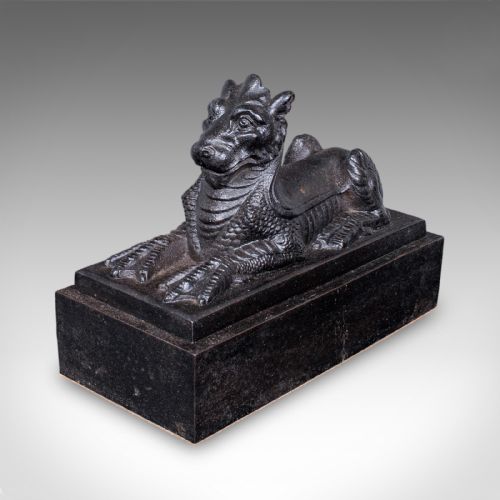
Desk ornaments, paperweights, and table lighters served both decorative and practical functions in Victorian and Edwardian studies and offices.
Doorstops and fireplace ornaments similarly combined heavy utility with figural charm to hold doors open or adorn hearths.