



Vintage Metal Garden Statues
These vintage metal garden statues bring character and form to outdoor spaces through enduring cast iron, bronze, and lead.
Vintage Metal Garden Statues
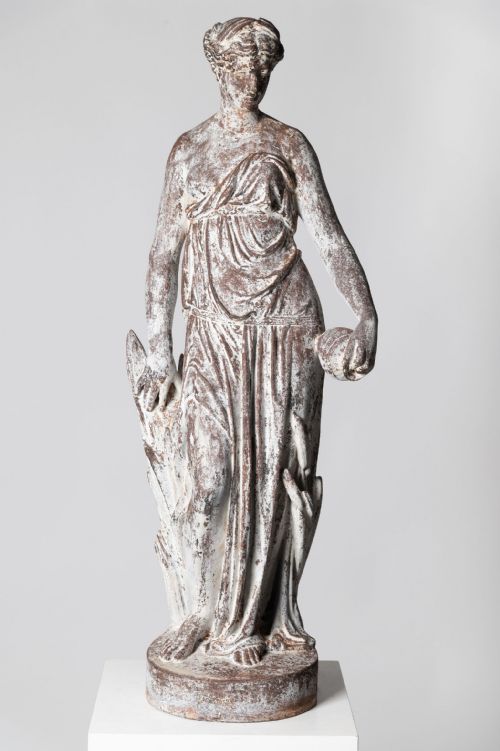
Vintage metal garden statues encompass figures, animals, and architectural pieces designed to weather in the open air. When you browse vintage metal garden statues, you encounter forms ranging from life-size hounds and geese to busts and figures cast across the nineteenth and twentieth centuries.
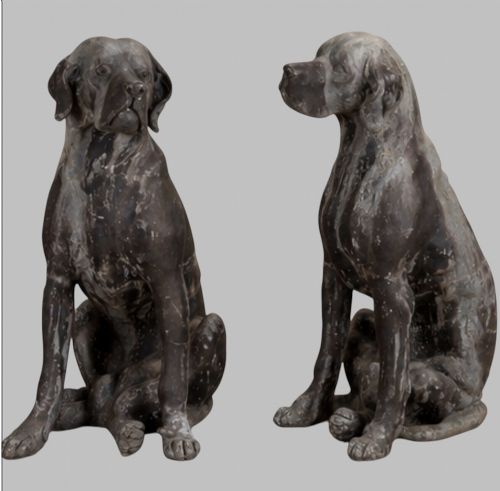
The selections span Victorian, Neoclassical, English Country, Japanese Meiji, Folk Art, Realism, and Edwardian styles. Pieces appear as pairs of hounds, individual eagles, bird scarers, horses, boys, girls, and monkeys.
Foundries and makers shape these works into robust ornaments intended for lawns, terraces, and gardens. Each item reflects the aesthetic preferences and casting methods of its specific decade or era.
How they were made
Foundries utilise molten metal poured into moulds to create these sculptures, employing durable cast iron, bronze, and lead. Cast iron provides heavy rigidity suitable for hitching posts and eagles, while bronze captures intricate anatomical detail in birds and horses.
Lead offers a malleable medium for figures like putti and monkeys, developing a soft pale patina over decades outdoors. Painted metal variants add colour and surface protection to the underlying iron or steel structure.
Vintage Metal Garden Statues Retail Price Guide 2026
Typical asking prices for vintage metal garden statues among the pieces listed under this phrase on Sellingantiques today, from the lower quarter to the upper quarter. They describe what is for sale here now, not the wider market.
Materials represented across the sculptures include cast iron, bronze, lead, and painted metal.
What varies in quality
The choice of metal and the thickness of the casting influence the longevity and weathering characteristics of each piece. Heavier gauge metal and careful finishing ensure that forms retain their structural integrity and decorative presence through changing seasons.
Val d Osne foundry
The Vintage Metal Garden Statues Glossary
- Cast Iron
- An iron-carbon alloy poured into moulds to create heavy, rigid structural and decorative items. It forms the foundation for many nineteenth-century animal figures and architectural posts.
- Bronze
- An alloy consisting primarily of copper, traditionally combined with tin, prized for its tensile strength and resistance to corrosion. This material allows for slender, dynamic depictions of wildlife and livestock.
- Lead
- A heavy, soft, malleable metal that takes fine detail and patinates to a dull grey outdoors. It appears frequently in traditional garden figures and putti.
- Okimono
- A Japanese term for a decorative statue or ornament placed on display. These pieces demonstrate high realism in depictions of geese and other fauna.
- Putto
- A figure of a small chubby male child, often winged, derived from classical art. They appear commonly as lead garden ornaments.
Vintage Metal Garden Statues: Frequently Asked Questions
What metals were used for garden statues?
Foundries used cast iron, bronze, and lead to create durable ornaments for outdoor placement. Each metal weathered differently and offered distinct qualities for casting fine details.
Cast iron provided robust weight for architectural elements, while bronze captured lifelike animal forms and lead shaped pliable figures.
How do I date a metal garden statue?
Stylistic cues, mounting methods, and foundry marks help place a piece within the nineteenth or twentieth century. Victorian and Edwardian examples often reflect Neoclassical or Realism aesthetics.
Surface patination and the composition of the metal also provide clues to the era of manufacture.
Can bronze statues stay outside all year?
Bronze naturally resists corrosion and withstands seasonal weather changes without losing structural integrity. Over time, exposure to the elements develops a protective patina on the metal surface.
Bronze crane and horse sculptures remain outdoors year-round as garden focal points.
What is a bird scarer statue?
A bird scarer is a practical yet decorative sculpture, such as an owl, placed in gardens to deter pests. These functional items combine utilitarian purpose with sculptural character.
They appear in cast iron and other metals from the early twentieth century.