



Rustic Garden Statues
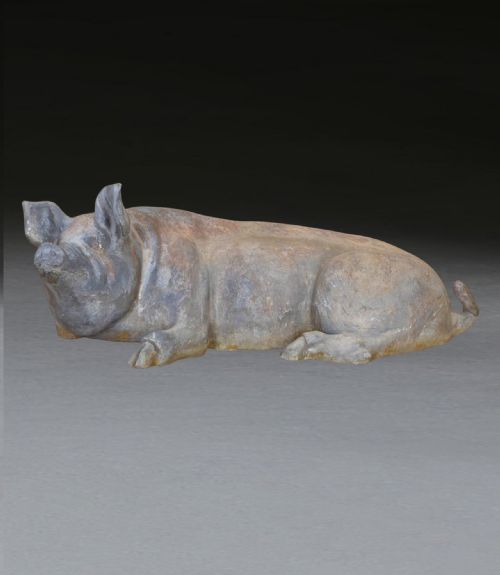
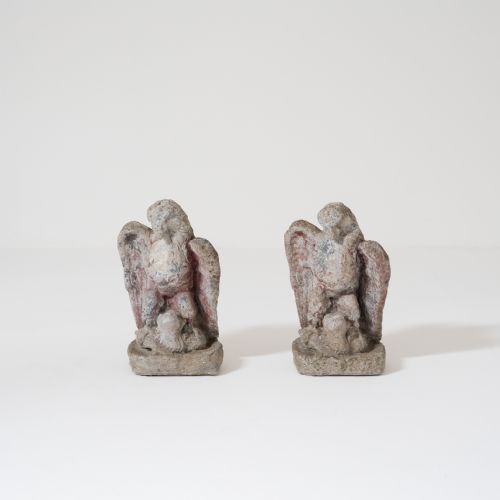
These rustic garden statues bring character to outdoor spaces, forged from cast iron, lead, stone and granite.
Rustic Garden Statues
Rustic garden statues take many forms across the centuries, ranging from cast iron pigs and eagles to granite staddle stones and stoneware birds. When you search for rustic garden statues, you encounter pieces shaped as animals, children, and architectural ornaments.
The items listed show a mix of periods including the eighteenth century, nineteenth century, and early twentieth century. You are likely to meet animal figures, hitching posts, and staddle stones weathered by age.
Makers fashioned these pieces from durable outdoor materials designed to weather naturally in gardens and courtyards. Their origins span English country workshops and classical revival traditions.
Materials and Making
Foundry workers cast iron and lead into moulds to create heavy animal figures and human statues. These metal works often acquire layers of moss and lichen over decades outdoors.
Masons carved Cornish granite and moulded reconstituted stone or composition stone to form sturdy garden ornaments and staddle stones. Stoneware figures underwent kiln firing to harden the clay for external display.
Rustic Garden Statues Retail Price Guide 2026
Typical asking prices for rustic garden statues among the pieces listed under this phrase on Sellingantiques today, from the lower quarter to the upper quarter. They describe what is for sale here now, not the wider market.
Listings feature periods spanning from the 18th century through to 1950, utilising cast iron, lead, granite, and stoneware.
Assessing Quality
The character of the casting and the crispness of surviving detail separate simpler utilitarian items from finer sculptural figures. Heavier metals and denser stone demonstrate substantial substance.
Natural patination from moss, lichen, and weathering adds depth to the surface texture that artificial ageing struggles to replicate. The integrity of the original material without extensive modern repair determines desirability.
The Rustic Garden Statues Glossary
- Staddle Stone
- A mushroom-shaped stone support formerly used to elevate granaries above damp ground and pests. Cornish granite examples appear frequently in garden settings.
- Reconstituted Stone
- A durable material made from crushed stone and cement binder moulded into architectural or sculptural shapes. It weathers similarly to natural stone over time.
- Composition Stone
- A proprietary mixture resembling natural stone used for casting garden ornaments and statues during the nineteenth and twentieth centuries.
- Patina
- The surface texture, colour change, and organic growth accumulated on outdoor materials through age and exposure to the elements.
Rustic Garden Statues: Frequently Asked Questions
What are rustic garden statues made of?
These pieces utilise materials built to withstand outdoor conditions. Common substances include cast iron, lead, reconstituted stone, stoneware, and granite.
Over time, exposure to the weather allows moss and lichen to settle on the surfaces. This natural accumulation enhances the aged appearance of the metal and stone.
How were garden statues used historically?
Many items served practical purposes alongside decorative functions in rural landscapes. Staddle stones supported agricultural buildings, while iron horse head posts secured livestock.
Other sculptures simply adorned lawns, courtyards, and garden paths. Bird scarers like owls combined utility with ornamental design.
How do I care for outdoor metal and stone?
Heavy materials require minimal maintenance once positioned in the garden. Cast iron benefits from occasional inspection for rust, though light weathering is part of the character.
Stone and granite need little intervention beyond clearing heavy debris. Allowing moss and lichen to remain preserves the weathered aesthetic.
How can I tell the age of a garden statue?
Dating relies on material composition, casting techniques, and stylistic markers from periods like the eighteenth or nineteenth century. Victorian and Edwardian pieces often display specific foundry characteristics.
Surface wear and deep patination provide clues to age. Historical styles such as classical revival or folk art offer further context.