





Cast Iron Garden Statue
These cast iron garden statue pieces bring enduring form and heavy presence to outdoor spaces, offering classic character through robust metalwork.

Cast Iron Garden Statue
When you search for a cast iron garden statue, you encounter heavy sculptural forms designed to anchor a garden or terrace. These pieces emerge in styles ranging from Victorian and Neoclassical to folk art and French Chateau designs.
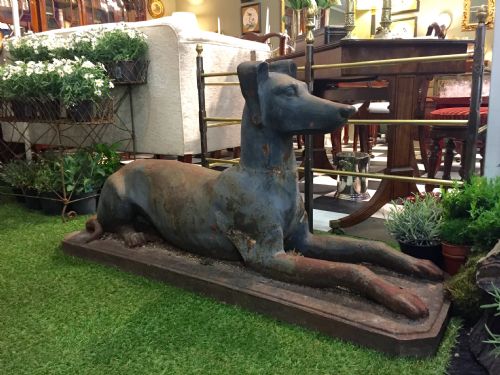
You are most likely to meet Victorian examples, along with 19th-century works featuring figures, animals, and architectural elements. The selection includes bird baths, horse head hitching posts, busts, and full figures.
Origins stretch across the 19th and early 20th centuries, taking in periods such as the Victorian era, 1850, 1880, 1890, 1900, and 1930. Forms vary from single decorative sculptures to pairs of figures and practical garden ornaments.
How they were made
Certain objects combine cast iron with other media, pairing metal figures or stands with carved stone components. Painted metal and concrete also appear alongside traditional cast iron elements in the broader category.
Cast Iron Garden Statue Retail Price Guide 2026
Typical asking prices for cast iron garden statue among the pieces listed under this phrase on Sellingantiques today, from the lower quarter to the upper quarter. They describe what is for sale here now, not the wider market.
A cast iron owl stands ready to guard the borders, keeping a permanent eye on the lawn.
What varies in quality
The integrity of the material and the character of the weathered surface define the visual weight of each piece. Statues attributed to known foundries or specific stylistic traditions carry greater artistic presence.
Val d’Osne foundry·Henri Jaquesmart
The Cast Iron Garden Statue Glossary
- Cast iron
- A strong, heavy alloy poured into moulds to create rigid forms. It serves as the primary material for the statues and ornaments found on this page.
- Foundry
- A workshop where metal is melted and cast into moulds. Notable foundries produced marked or distinctive garden statuary.
- Hitching post
- A sturdy post anchored outside for tying horses. Surviving iron examples often take the form of sculpted horse heads.
- Neoclassical
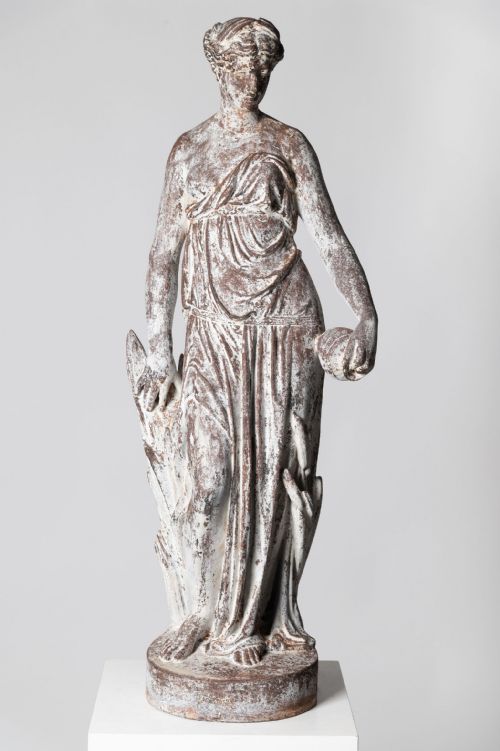
- A style drawing inspiration from classical antiquity. It influences the proportion and subject matter of various 19th-century garden figures.
- Bird bath
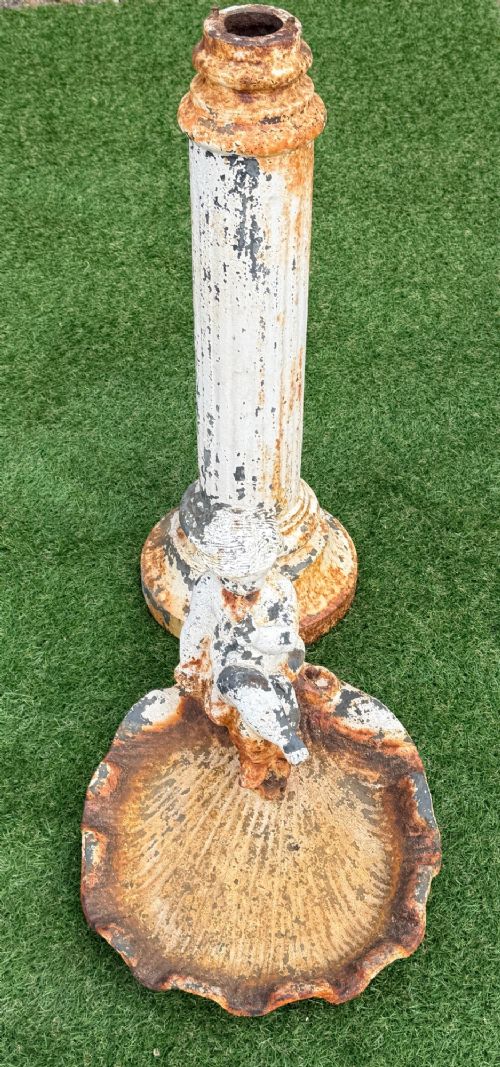
- A basin designed to hold water for birds. Some examples incorporate cherubs or decorative columns supporting the central bowl.
Cast Iron Garden Statue: Frequently Asked Questions
How heavy is a cast iron garden statue?
These pieces possess substantial weight due to the dense metal construction, allowing them to remain stable outdoors without additional fixings.
Because of this heavy mass, positioning them requires careful planning, and moving them usually demands more than one person.
Can these statues stay outside all year?
Cast iron withstands outdoor environments effectively, enduring seasonal weather changes while developing a natural weathered patina over time.
Applying protective paint coatings helps preserve the metal surface against prolonged moisture exposure during winter months.
How do I identify a Victorian garden statue?
Victorian pieces often display classical motifs, figures of children or animals, and robust proportions typical of 19th-century foundry output.
Examining the casting seams and the style of the base helps distinguish these earlier works from 20th-century reproductions.
What is a horse head hitching post?
A hitching post functioned historically as an anchor point for tethering horses outside residences or commercial buildings.
Sculpted with a realistic horse head, these iron posts now serve purely decorative functions in garden landscapes.