



Antique Cast Iron Bust
These antique cast iron bust examples bring heavy metal sculptural form and portraiture into a room.
Antique Cast Iron Bust
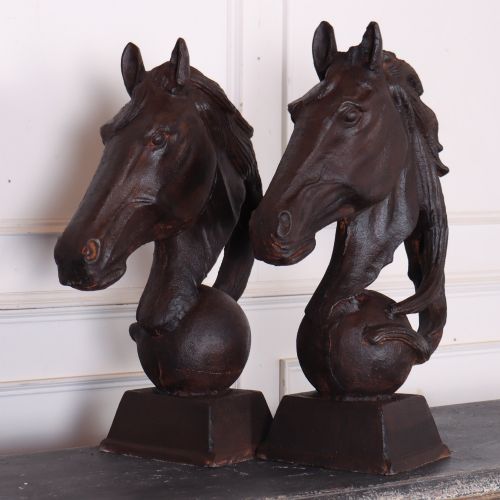
An antique cast iron bust encompasses heavy sculptural portraits and figural metalwork spanning the nineteenth and early twentieth centuries. When searching for an antique cast iron bust, buyers encounter subjects ranging from classical figures and literary icons like William Shakespeare to equestrian forms and deities.
The selections available here cross multiple stylistic traditions including Victorian, Edwardian, Neoclassical, and French vintage pieces alongside related display objects. Makers utilised the durability and weight of cast iron to create lasting interior ornaments, architectural elements, and functional utility pieces.
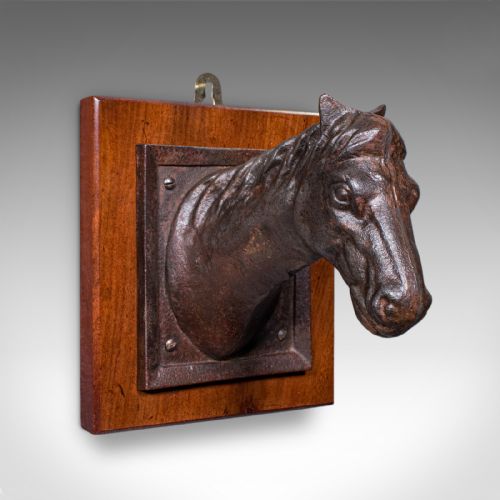
Pieces from this category include mounted horse heads, hitching posts, draper's display stands, and portrait sculptures on marble plinths. Each object demonstrates the industrial capability of its period while serving a decorative purpose in domestic and architectural settings.
Materials and production methods
Foundries produced these sculptures by pouring molten metal into sand moulds, capturing fine facial details and textures in the rigid material. Craftsmen frequently mounted the resulting iron castings onto secondary supports constructed from wood, brass, or black marble plinths.
Surface treatments vary across the pieces, with some retaining raw dark metal finishes while others incorporate gilt highlights or mounted textile elements such as linen and canvas on related display forms. The combination of heavy iron with contrasting materials added stability and visual depth to the finished works.
Antique Cast Iron Bust Retail Price Guide 2026
Typical asking prices for cast iron bust among the pieces listed under this phrase on Sellingantiques today, from the lower quarter to the upper quarter. They describe what is for sale here now, not the wider market.
The listings span the nineteenth century up through the nineteen-twenties, incorporating materials such as cast iron, brass, wood, and marble.
Assessing quality in cast iron sculpture
Quality in these sculptures depends upon the crispness of the casting and the fidelity of the portraiture, where finer moulds capture subtle facial expressions and anatomical accuracy. Inferior castings often exhibit blurred details and rough seam lines left behind by worn production moulds.
The presence of original mounting materials, such as heavy marble bases or period brass components, elevates the integrity of the piece. Well-preserved surface patination without aggressive cleaning or modern repainting indicates greater historical preservation.
Leonhard Posch
The Antique Cast Iron Bust Glossary
- Cast Iron
- An iron-carbon alloy poured into moulds while molten. This heavy material allows for sharp sculptural definition and robust structural support.
- Neoclassical
- A style inspired by classical antiquity prevalent in nineteenth-century design. It emphasises formal balance and dignified portrait subjects.
- Plinth
- A heavy rectangular or square base supporting a bust. These are frequently formed from contrasting materials like black marble or wood.
- Patina
- The surface appearance acquired by metal over decades of exposure and handling. It reveals age and shields the underlying iron.
Antique Cast Iron Bust: Frequently Asked Questions
How heavy is an antique cast iron bust?
These sculptures are dense and heavy due to the solid metal composition, often weighing several kilograms or more depending on their size.
Buyers should ensure that supporting shelves or furniture can comfortably bear the significant weight of the ironwork.
Where should I place a cast iron bust?
A cast iron bust sits well on sturdy wooden mantelpieces, heavy sideboards, or dedicated display stands where its substantial presence anchors the room.
Keep pieces away from damp environments to prevent surface oxidation and protect the underlying metal.
How do I clean antique cast iron?
Dust the surface regularly with a soft, dry cloth to prevent particulate buildup in the recessed details of the casting.
Avoid using water or chemical solvents, which can damage original patination and encourage rust formation.
How can I tell the period of a bust?
Dating relies on stylistic markers, casting sharpness, and the nature of any secondary materials like brass or marble plinths.
Comparative study of nineteenth-century foundry output and known portrait subjects helps narrow down the production era.