






Iron Garden Sculpture
Iron garden sculpture brings character to outdoor spaces through robust figures and architectural forms built to endure the elements.
Iron Garden Sculpture
When you search for iron garden sculpture, you encounter a robust selection of figures, statues, and architectural salvage designed to anchor outdoor spaces. These pieces range from eighteenth-century tethers and anchors to nineteenth-century animal figures and figurative groups.
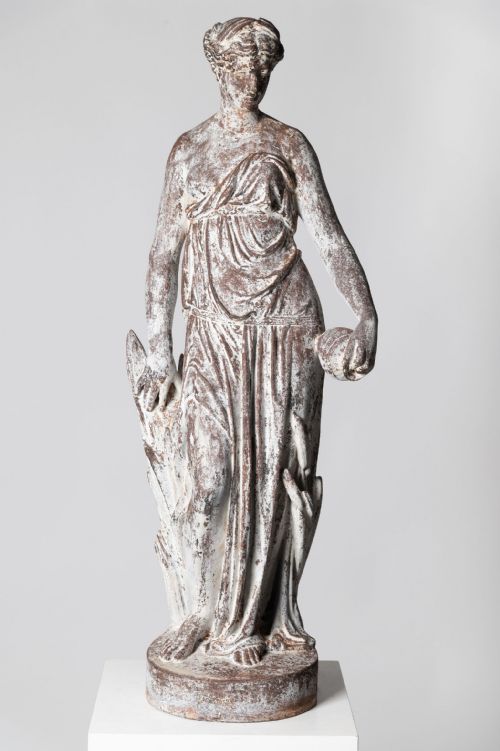
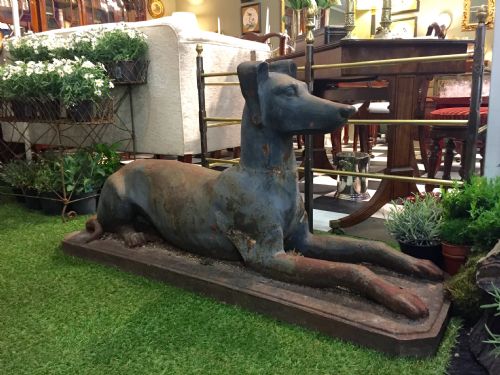
The versions most frequently met on this page span the Victorian and early twentieth-century periods, often cast in heavy iron or formed from wrought metal. Animal subjects like eagles and dogs appear alongside human busts and statuary.
Makers such as the Val d'Osne foundry and pieces modelled in the manner of Henri Jaquesmart represent the sculptural ambitions of these outdoor works. They bring enduring presence to gardens through solid metal construction and weathering.
Materials and construction
These works rely heavily on cast iron and wrought iron, utilising techniques suited to both industrial fabrication and decorative casting. Foundries poured molten iron into moulds to create detailed statues and busts, while smiths forged wrought iron for anchors and tethers.
Surface treatments include applied paint and the natural patination that develops over decades outdoors. Some items combine iron with stone elements, such as carved stone torsos mounted on iron stands or millstones fitted with forged handles.
Iron Garden Sculpture Retail Price Guide 2026
Typical asking prices for iron garden sculpture among the pieces listed under this phrase on Sellingantiques today, from the lower quarter to the upper quarter. They describe what is for sale here now, not the wider market.
Among the guardians of the garden are heavy iron eagles and an owl bird scarer keeping watch.
Assessing quality and craftsmanship
Quality in these pieces rests upon the crispness of the casting and the fidelity of the modelling. Works originating from known foundries like Val d'Osne display superior anatomical definition and structural weight compared to anonymous workshop output.
The integrity of the material also dictates distinction, where heavy, uniform castings and well-preserved forged elements hold greater sculptural presence. The harmony of mixed materials, such as stone paired with iron stands, influences the overall aesthetic balance.
Val d osne foundry·Henri Jaquesmart
The Iron Garden Sculpture Glossary
- Cast iron
- A strong, hard alloy of iron and carbon poured into moulds to create complex shapes. It forms the foundation of most nineteenth-century garden statues and architectural figures.
- Wrought iron
- Iron that has been heated and hammered into shape by a smith rather than cast. This material provides the tensile strength seen in anchors and tethering stones.
- Architectural salvage
- Elements rescued from older buildings or structures and repurposed for ornamental use. Items like boat fairground rides and millstone handles fall into this category.
- Hitching post
- A sturdy post anchored outside properties for tying up horses. Cast iron examples often took the form of animal heads or figurative busts.
- Foundry
- A factory where metal is melted and poured into moulds. French foundries like Val d'Osne produced notable garden statuary during the nineteenth century.
Iron Garden Sculpture: Frequently Asked Questions
How do I protect iron sculpture outdoors?
Iron sculptures withstand the elements naturally, developing a protective weathered patina over decades in the garden. Applying specialist protective waxes or paints helps slow down deep corrosion if you wish to preserve the current surface.
Positioning pieces on stone bases or gravel rather than directly on damp earth also prevents moisture from drawing up into the metal base.
Are these sculptures heavy?
These pieces possess substantial weight due to their solid iron construction. Figures, cannons, and statues require careful planning and often multiple people for safe placement.
This heft ensures they remain stable outdoors without needing permanent anchoring against wind or ground movement.
How do I identify nineteenth-century ironwork?
Nineteenth-century pieces often exhibit the deep, stable patination and heavy casting techniques characteristic of the Victorian era. Detail work on figurative subjects tends to follow neoclassical or naturalistic styles popular during that period.
Foundry stamps or stylistic markers pointing to makers like Val d'Osne also help confirm the period of manufacture.
Can I mix iron and stone pieces?
Combining iron elements with stone creates a striking contrast of textures in a garden setting. Historical examples often paired iron stands with stone torsos or integrated forged iron handles into stone millstones.
This juxtaposition of heavy metal and carved stone adds visual weight and narrative depth to landscape designs.