





Pair of Garden Figures
These pair of garden figures bring architectural presence and classical weight to grounds large and small.
Pair of Garden Figures
A pair of garden figures provides balance and punctuation to paths, terraces and lawn edges, establishing symmetry in outdoor spaces. When searching for a pair of garden figures, buyers encounter matching animals, classical personifications and ornamental companions designed to weather the elements.
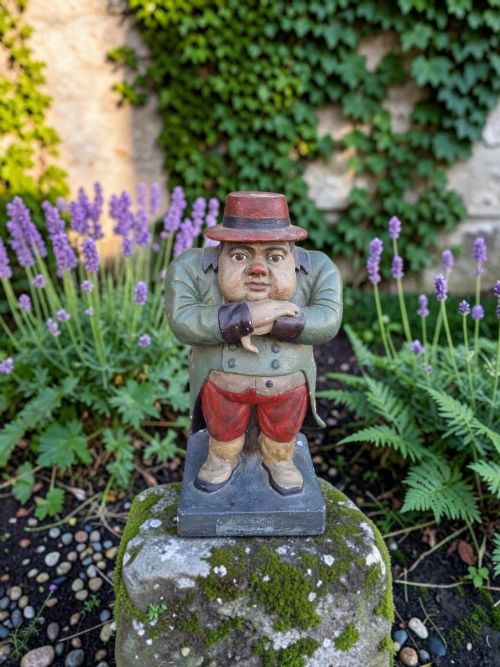
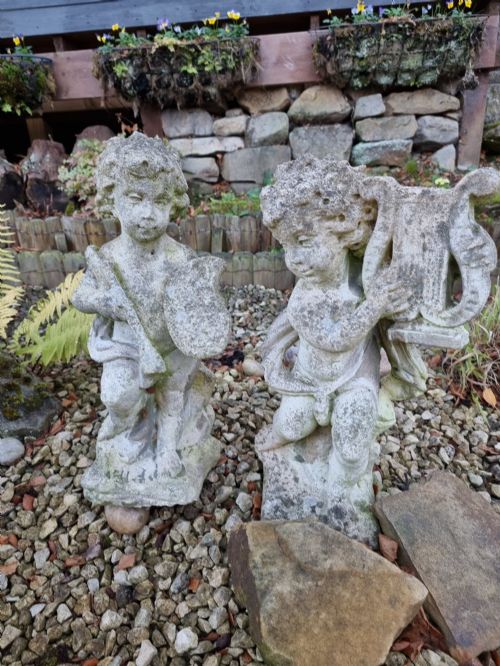
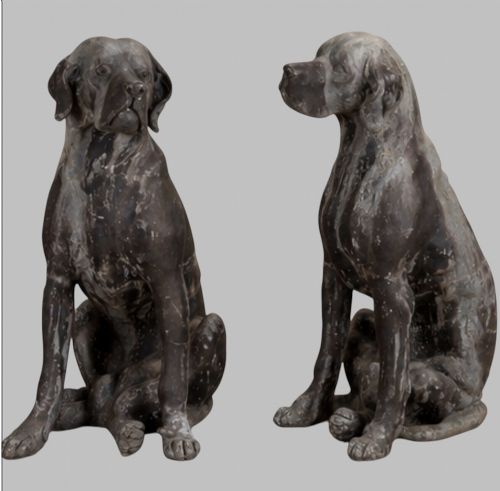
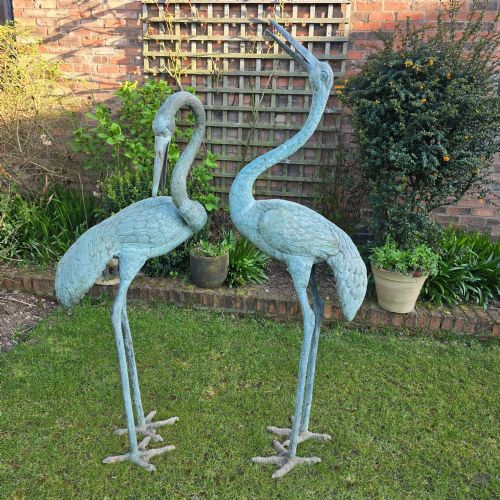
The selections available here range from fierce stone lion guardians on plinths to graceful lead putti and iron cranes. Lions, hounds, putti and terracotta busts dominate the forms, originating from periods spanning the eighteenth century to the mid twentieth century.
Victorian, Edwardian and classical revival styles appear frequently, showing how past generations dressed their grounds. These ornaments anchor planting schemes and create deliberate focal points within English country and traditional garden layouts.
How they were made
Foundries and workshops cast metals such as lead and iron into intricate moulds to create durable outdoor sculptures. Cast lead allows for fine detail and develops a soft grey patina over decades of exposure.
Stone and terracotta pieces rely on durable earth and mineral mixes, shaped into lions, busts and urns before firing or curing. Reconstituted stone, concrete and cast stone offer robust alternatives that hold crisp classical lines in damp climates.
Pair of Garden Figures Retail Price Guide 2026
Typical asking prices for pair of garden figures among the pieces listed under this phrase on Sellingantiques today, from the lower quarter to the upper quarter. They describe what is for sale here now, not the wider market.
Classical revival and Victorian styles dominate these pieces, encompassing motifs from guardian lions and hounds to putto and cranes.
What varies in quality
The definition of the modelling separates superior examples from mass production, particularly in the rendering of facial expressions, musculature and drapery. Early examples cast from thick metal or carved stone maintain their structural integrity and crisp outlines much better than later lightweight copies.
Surface finish and the natural weathering of lead, iron and terracotta contribute significantly to the character of a pair. Authentic age brings a deep, undisturbed oxidation or lichen growth that chemical treatments cannot replicate.
The Pair of Garden Figures Glossary
- Reconstituted stone
- A manufactured material made from crushed stone and a binder, moulded into architectural ornaments and statues. It provides a durable and uniform alternative to natural quarried stone.
- Cast lead
- Molten metal poured into moulds to produce durable garden ornaments. This material develops a characteristic dull grey oxidation over years outdoors.
- Terracotta
- Fired clay used for garden figures, busts and planters. The porous nature of the material absorbs moisture and develops a rich patination over time.
- Putto
- A representation of a plump, naked child, often winged, common in classical and revival garden statuary. These figures often appear holding garlands or symbolic objects.
- Plinth
- A heavy base or pedestal upon which a garden statue stands. Raising figures on plinths protects them from ground damp and improves their visual prominence.
Pair of Garden Figures: Frequently Asked Questions
Where should I position a pair of garden figures?
Symmetrical placement works best for marking formal entrances, framing garden steps or anchoring the ends of a paved terrace. Positioning them where they catch natural light highlights their modelling and patination.
Heavier stone and iron pieces require stable, level ground such as stone flags or concrete pads to prevent shifting over time. Smaller lead or terracotta ornaments sit securely on low walls or dedicated plinths.
How do I care for cast lead and iron figures?
Metal figures require minimal intervention, allowing natural weathering to build protective surfaces over the years. Avoid harsh chemical cleaners or abrasive scouring that strips away historical oxidation.
Inspect joints and fixings periodically, particularly on cast iron pieces subject to moisture. A light application of microcrystalline wax can help protect vulnerable iron surfaces from active corrosion.
Can terracotta figures stay outside in winter?
Terracotta is porous and vulnerable to frost damage if water becomes trapped inside the material and freezes. Keeping figures elevated on feet or plinths prevents ground moisture from rising into the clay.
Severe winter conditions may require moving unglazed terracotta into a sheltered shed or greenhouse. Protecting figures with breathable covers also helps manage extreme temperature fluctuations.
How do I distinguish nineteenth century figures from later copies?
Nineteenth century pieces often display heavier casting, deeper tool marks and thicker metal sections than mid twentieth century equivalents. The quality of the chasing and the subtlety of the classical revival details reveal the skill of the maker.
Examine the patination closely for layers of accumulated grime, organic growth and deep oxidation that require decades to form. Surface wear should match the exposed areas of the object naturally.