






Antique Cast Basin
These antique cast basin pieces bring heavy metal and stone utility into gardens and rooms alike.
Antique Cast Basin
When you search for an antique cast basin, you encounter heavy metal and stone vessels designed for water, plants, or ritual use. The forms range from garden bird baths and planters to temple baths and ritual bowls.
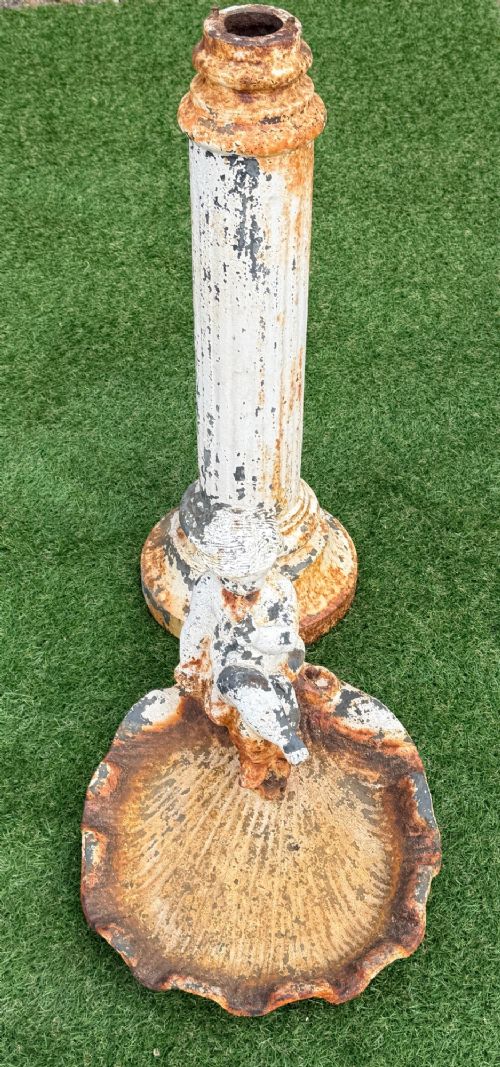
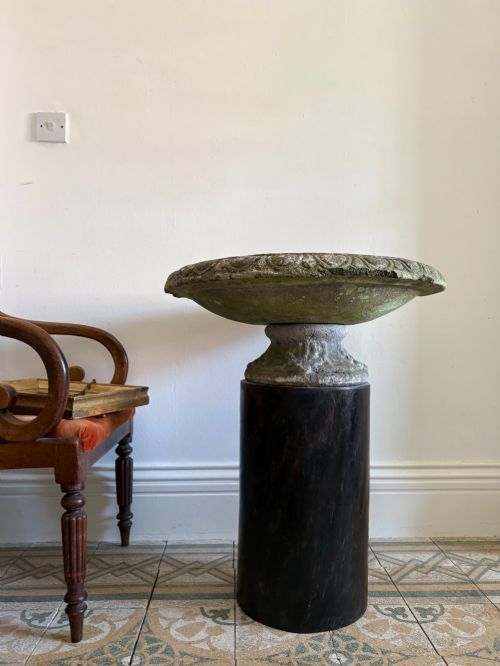
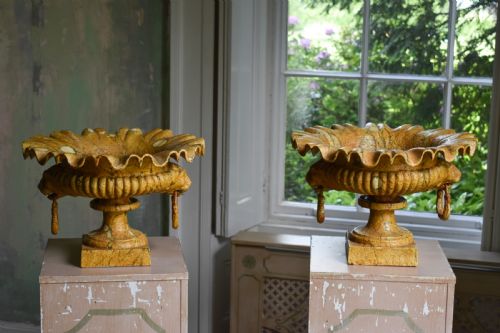
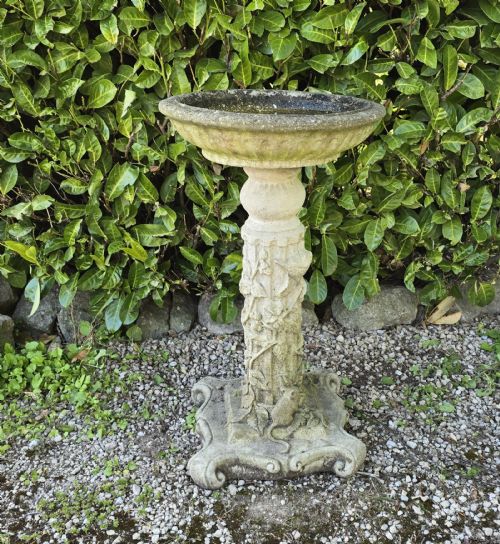
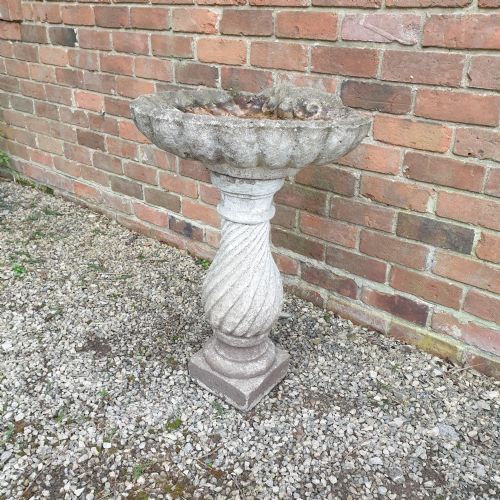
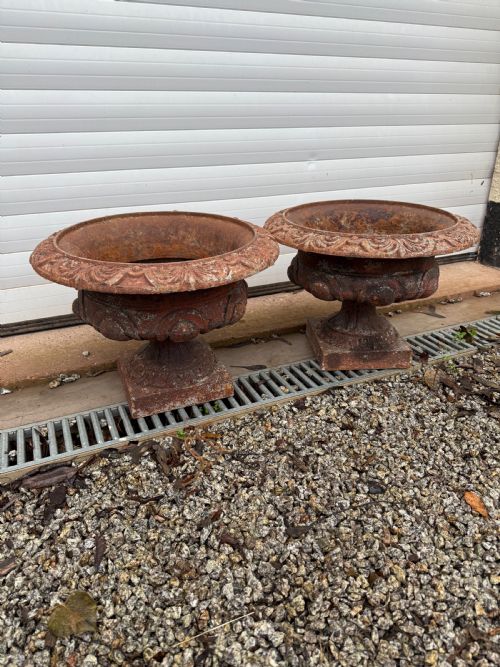
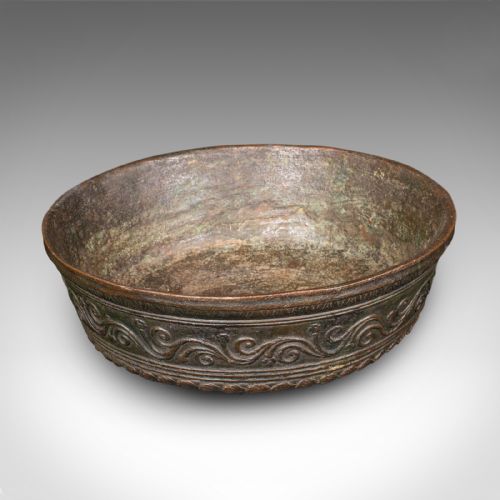
Victorian cast iron garden urns and bird baths dominate the selection on this page, often featuring shell forms or classical motifs. Alongside these sit Chinese and Japanese bronze vessels, spanning temple jars to decorative jardinieres.
The periods stretch from the eighteenth century through to the mid twentieth century, encompassing English country pieces alongside Asian bronzes. Buyers select these items to anchor garden spaces or introduce substantial metalwork into interiors.
Materials and casting methods
The physical presence of each antique cast basin relies on durable mediums, principally cast iron and bronze, supplemented by cast stone and sterling silver. Metal pieces utilise traditional foundry methods, pouring molten bronze or iron into moulds to achieve complex surface detail.
Stone and reconstituted stone alternatives rely on aggregate mixes set in forms, developing deep weathering over decades outdoors. Many iron examples retain traces of early paint or natural oxidation, while bronze surfaces show patination accumulated through age.
Listings span from the eighteenth-century Chinese bronze bowls up to mid-twentieth-century stone bird baths.
Distinguishing finer examples
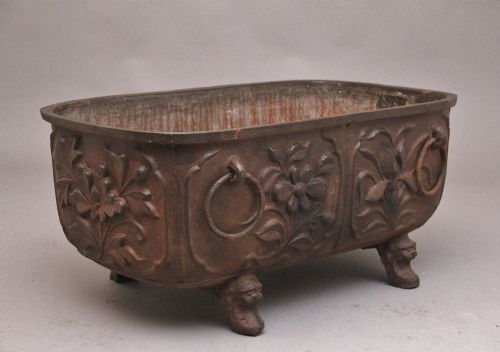
Quality in an antique cast basin rests on the crispness of the cast ornament and the weight of the metal or stone. Finer pieces display sharply rendered figures, clean lettering, or intricate floral handles without the blurring common in later or heavier-handed reproductions.
The depth of the patination and the natural weathering on stone or iron contribute significantly to desirability. Surface integrity, such as an undisturbed bronze patina or stable iron oxidation, separates superior examples from lesser items.
The Antique Cast Basin Glossary
- Cast Iron
- An iron-carbon alloy poured into a mould to create rigid, durable objects. This material forms the backbone of heavy garden urns and structural brackets.
- Jardiniere
- An ornamental pot or stand for holding plants or flowers. These items appear frequently in bronze and iron across the listed periods.
- Patinated Bronze
- Copper alloy surfaces altered by chemical processes or natural exposure over time. This finish gives old bronze objects their characteristic depth of colour.
- Reconstituted Stone
- Manufactured stone made from aggregate bound together with a matrix of cement or resin. It mimics natural stone for garden bird baths and planters.
Antique Cast Basin: Frequently Asked Questions
How do I clean an old metal basin?
Wash metal surfaces gently with warm water and a soft brush to remove dirt without disturbing the underlying oxidation or paint.
Avoid harsh chemical cleaners or abrasive pads that strip away historical surface character and protective patination.
Can I leave iron basins outside all winter?
Cast iron withstands outdoor conditions well, provided water does not pool and freeze inside the vessel.
Turn basins upside down or shelter them during freezing weather to prevent ice expansion from cracking the metal.
What is the difference between an urn and a jardiniere?
Urns typically feature a footed base and a tapering body designed for classical garden ornament or memorial display.
Jardinieres are specifically shaped to house potted plants, often with wider bowls and decorative exterior motifs.
How do I date a cast iron garden piece?
Examine the casting seams, bolt types, and surface wear patterns to gauge the manufacturing era.
Victorian pieces often display classical motifs like cherubs or shells, paired with heavier wall thicknesses than modern reproductions.