

Antique Carved Spoon
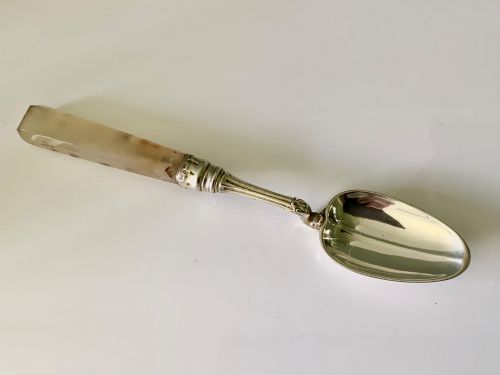
An antique carved spoon brings centuries of hand-cut detail and vernacular design to the table.
Antique Carved Spoon
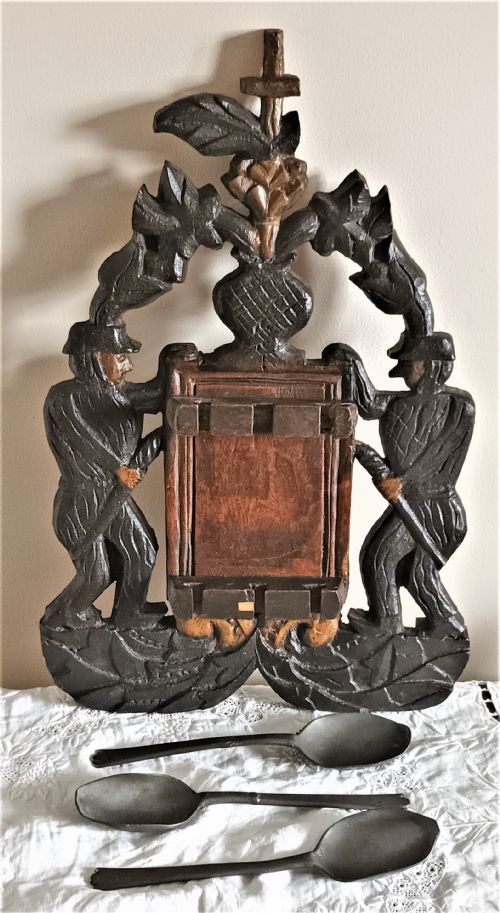
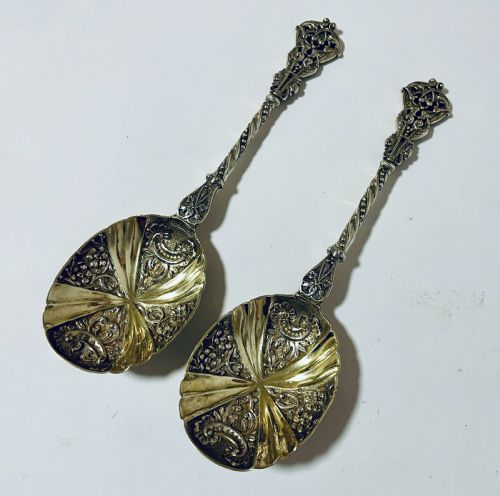
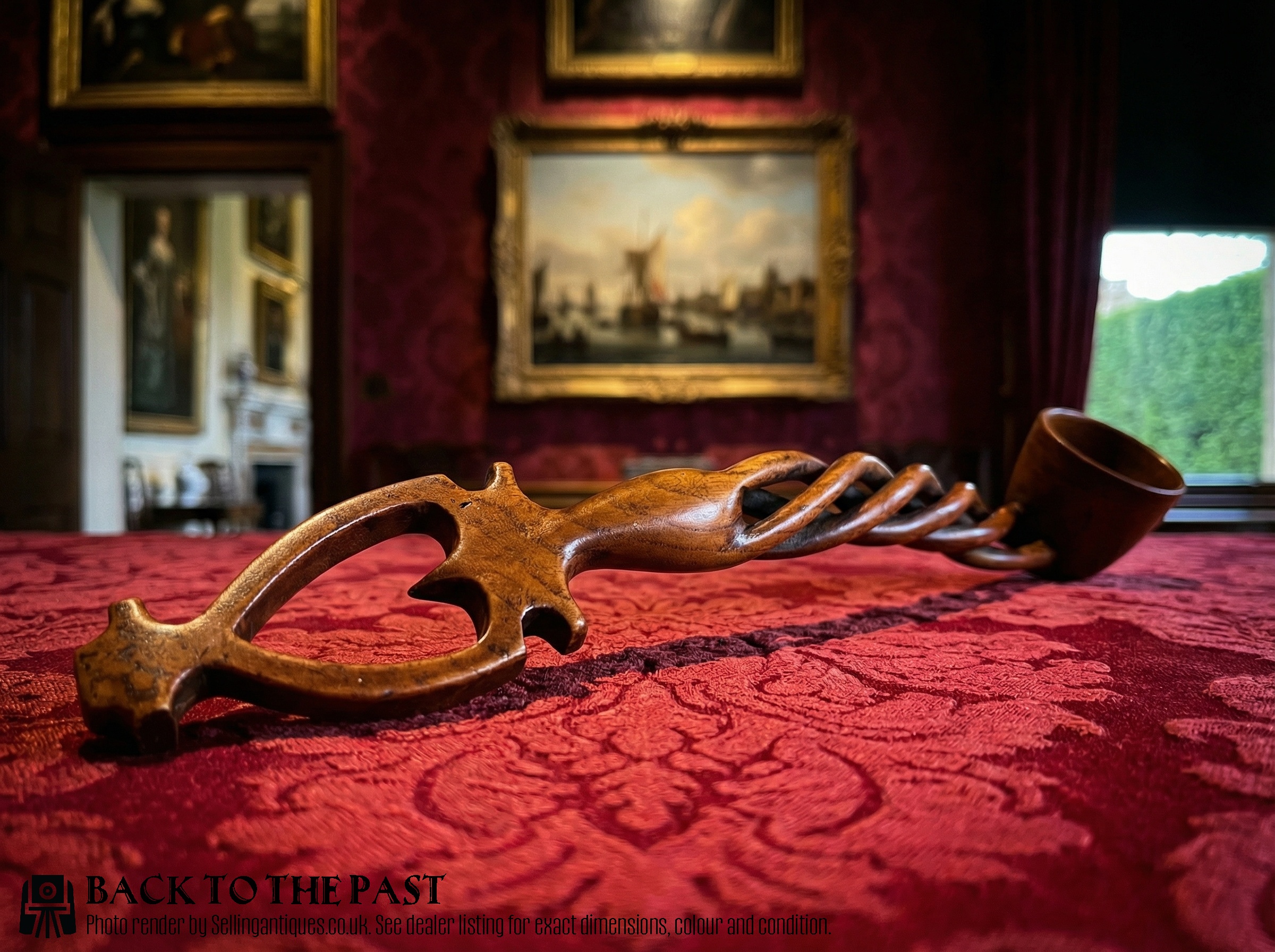
When you search for an antique carved spoon, you encounter a diverse group of objects ranging from domestic treen to ceremonial love tokens. The selection includes domestic utensils carved from fruitwood, sycamore, and birch, alongside commemorative pieces made in regional folk traditions.
You are most likely to meet Welsh lovespoons and treen examples originating from the eighteenth and nineteenth centuries. These pieces display vernacular carving techniques passed down through generations of rural makers.
Distinctions in Execution
Quality rests on the crispness of the carving and the depth of the relief work. Superior examples show confident handling of the gouge with clean lines and balanced proportions.
Surface patina and the integrity of the timber separate standard domestic items from exceptional presentation pieces. Well-handled wood develops a warm, soft sheen through decades of touch.
Early makers occasionally carved delicate wooden chains and interlocking rings from a single solid piece of wood to prove their skill.
Berthold Herman Muller
The Antique Carved Spoon Glossary
- Treen
- Small handmade wooden household objects. These items range from domestic spoons to bowls shaped by turning or carving.
- Lovespoon
- A decorative wooden spoon given as a token of affection. Makers traditionally carved these pieces with intricate symbols such as hearts, chains, and vines.
- Chip carving
- A technique of removing small chips from a wooden surface to create geometric patterns. Craftsmen use this method extensively on regional treen.
- Patina
- The surface sheen developed on wood through age and use. This layer gives antique timber its characteristic depth of colour.
Antique Carved Spoon: Frequently Asked Questions
What are antique carved spoons made from?
Makers typically use native hardwoods such as walnut, sycamore, boxwood, and various fruitwoods. These timbers provide the density required for fine detail work.
Some specialist examples utilise antler or silver, depending on the regional tradition and the intended purpose of the object.
How can I tell a lovespoon's age?
Age is determined by the style of the carving, the tooling marks, and the quality of the timber's surface. Many traditional pieces feature carved dates or initials.
Examine the wear in the bowl and handle to understand how the object was handled and stored over generations.
Were these spoons used for eating?
Many treen examples served everyday domestic purposes such as eating broth or serving butter at the table. Other variants were purely decorative.
Lovespoons and ceremonial presentation pieces were intended as gifts and tokens rather than functional kitchen implements.
How do I care for wooden spoons?
Keep wooden pieces away from direct heat sources and extreme humidity fluctuations to prevent the timber from splitting. Apply occasional light wax feeds to protect the surface.
Avoid submerging antique treen in water or placing them in modern cleaning appliances.