

Antique Carved Server Cabinet
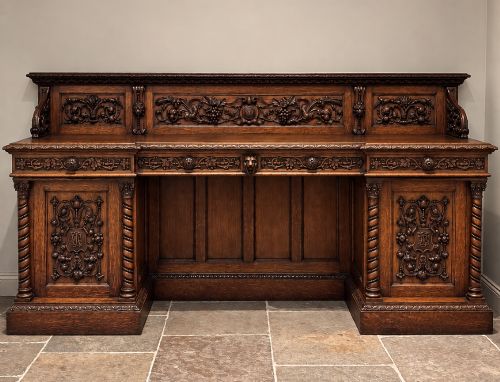
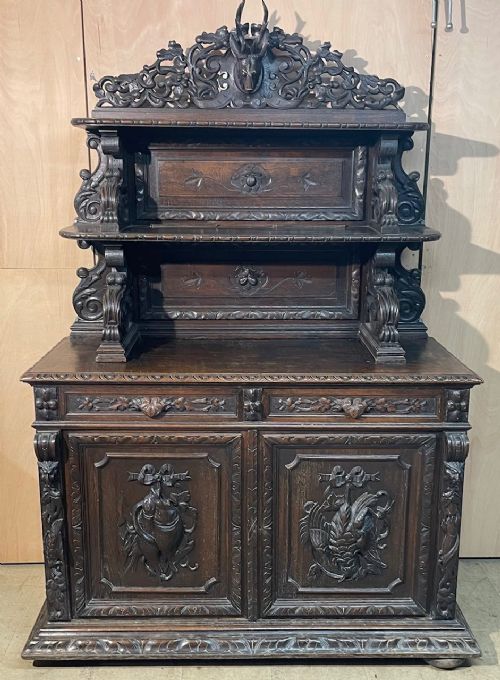
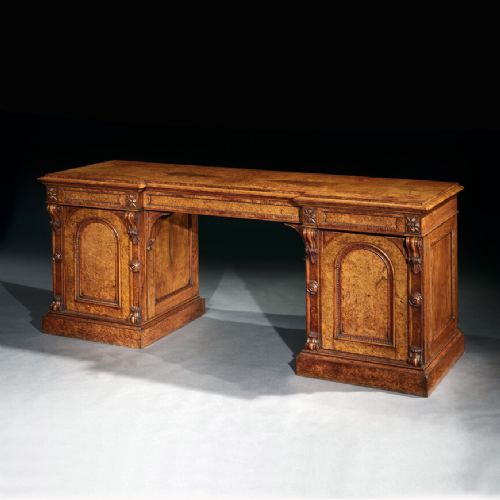
An antique carved server cabinet brings solid weight and carved detail into a dining space, offering practical storage disguised in rich timber.
Antique Carved Server Cabinet
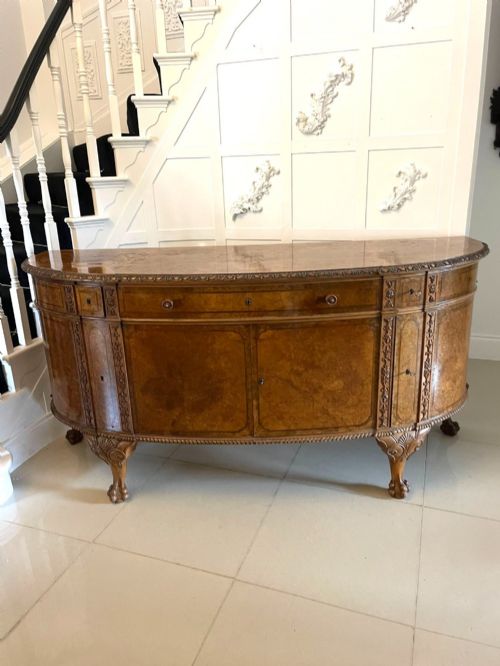
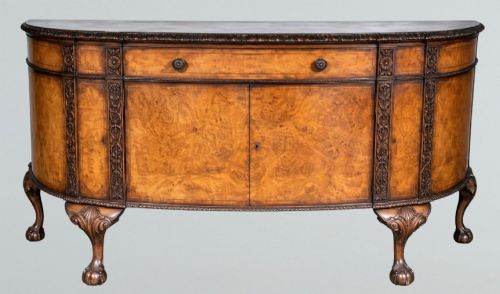
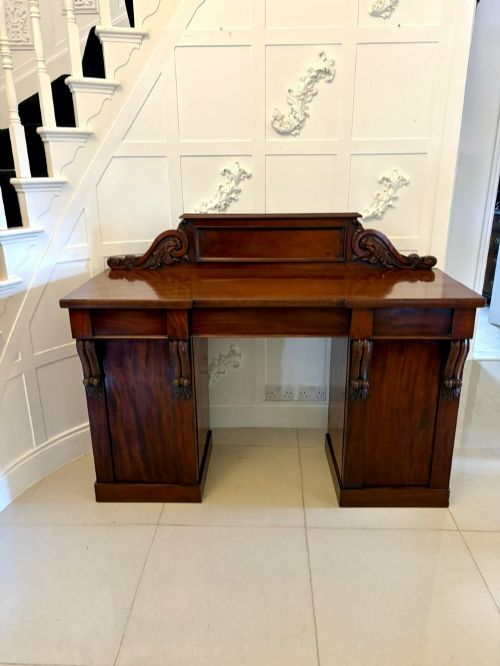
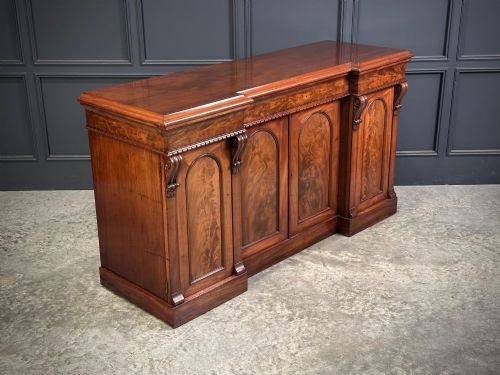
When you search for an antique carved server cabinet, you are looking at substantial storage furniture built for the dining room or parlour, spanning periods from the early nineteenth century through the Edwardian era. These pieces appear under various historical descriptions including sideboards, buffets, credenzas, and chiffoniers, often featuring rich carved decoration.
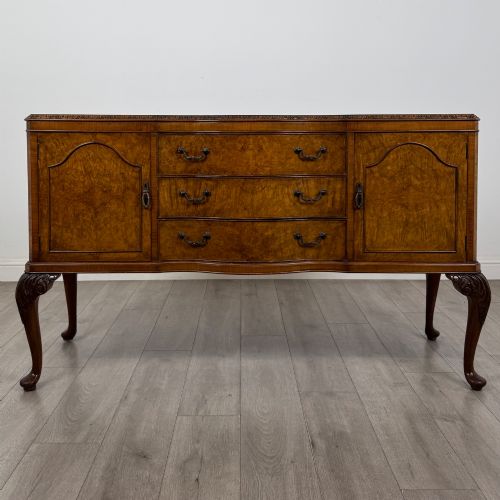
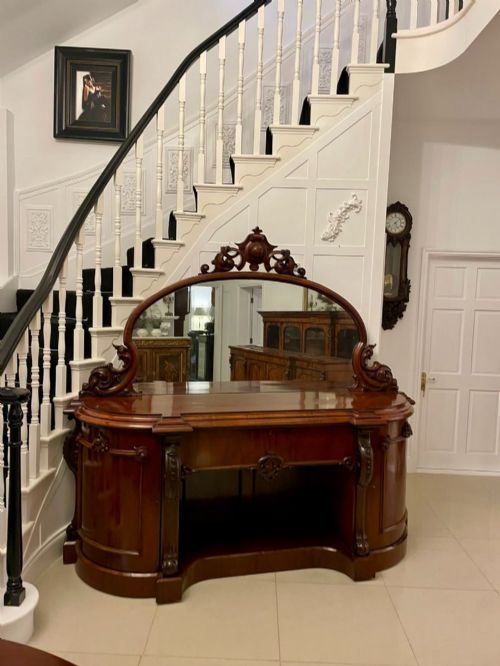
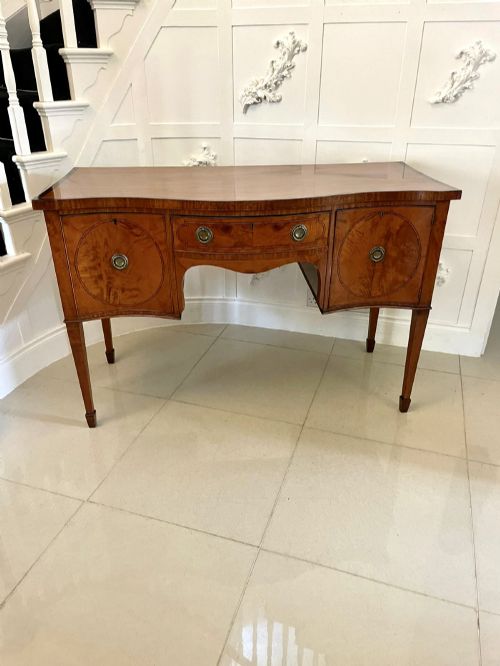
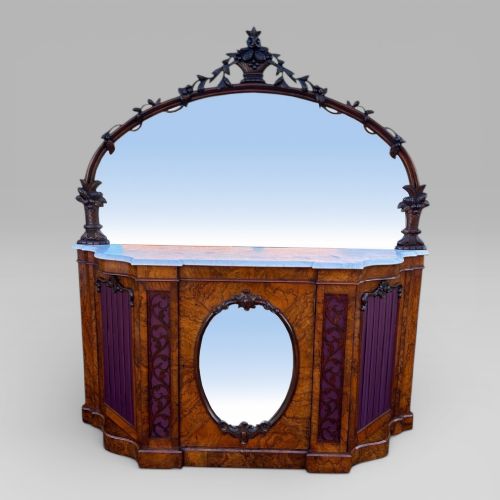
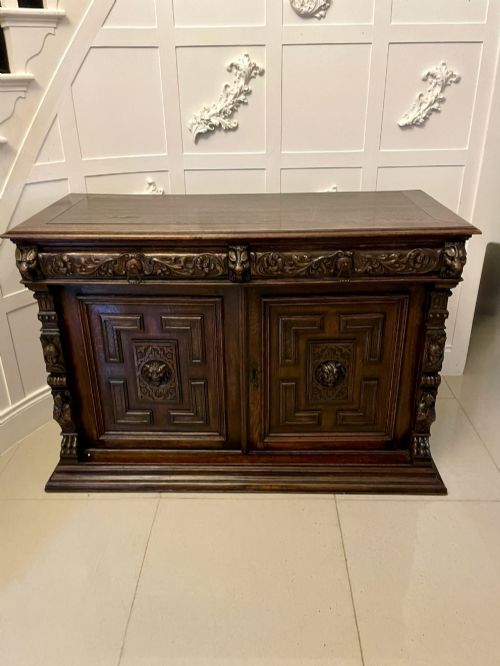
The most common form you will meet on this page is the Victorian or Edwardian oak sideboard, frequently displaying revival styles such as Jacobean, Gothic, or Arts and Crafts. Alongside these heavier oak designs, walnut and mahogany versions appear with serpentine fronts, mirror backs, and distinctive grain patterns.
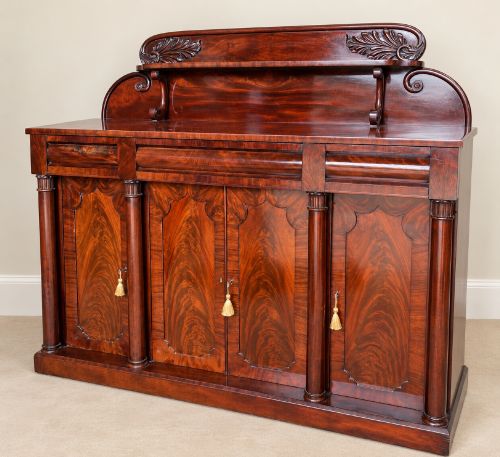
Originating as practical serving surfaces and storage units for silver and linen, these cabinets combine utility with decorative ambition. Their forms range from narrow dresser bases to large multi-door cupboards with tiered shelving and brass hardware.

Materials and construction
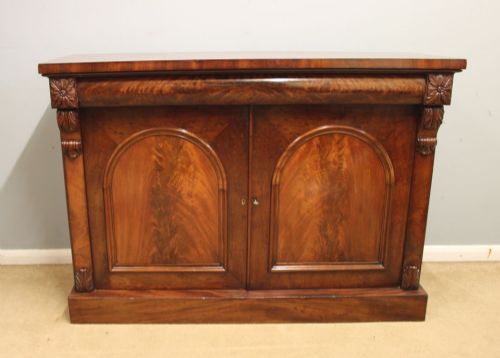
Cabinet makers relied heavily on hardwoods such as oak, mahogany, and walnut, frequently selecting figured timbers like burr walnut and flame mahogany for prominent doors and drawer fronts. These surfaces often show careful matching of grain patterns to create visual symmetry across the piece.
Carving was executed by hand directly into the solid timber or onto applied mouldings, employing motifs that reflected the prevailing revival styles of the nineteenth and early twentieth centuries. Brass and iron handles, hinges, and occasional glass panels completed the construction.
Cabinet styles span Gothic Revival, Arts and Crafts, Jacobean Revival, and Regency designs.
What separates the finest examples
Quality in these cabinets rests upon the selection of timber and the depth of the cabinet maker's skill in handling solid wood. Superior pieces display dense, highly figured veneers or deeply carved details that remain crisp and well-defined across panels and cornices.
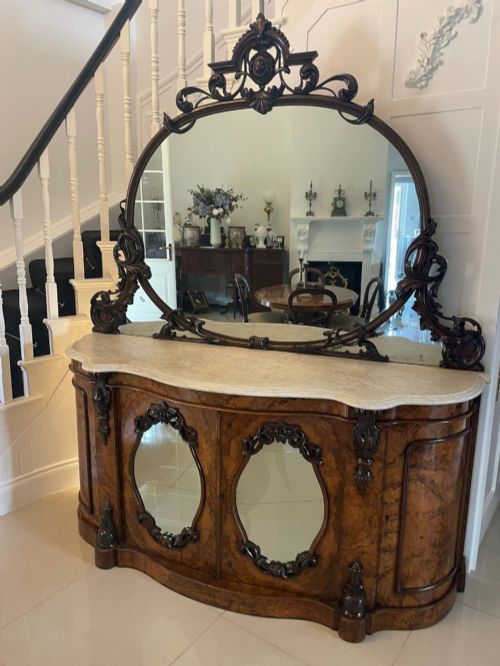
Construction methods also set pieces apart, seen in the solidity of the drawers, the smooth fit of doors, and the integration of secondary woods. Heavier items with mirror backs or marble tops reveal distinctions in how securely the upper sections join the main sideboard base.
Ambrose Heal for Heal & Son
The Antique Carved Server Cabinet Glossary
- Credenza
- A dining room cabinet or sideboard, often featuring mirrored backs or decorative cupboards suited for displaying silver and glassware. Originating in Italy, the form became popular in Victorian drawing rooms.
- Chiffonier
- A compact sideboard or low cabinet typically fitted with drawers and doors, sometimes featuring a raised shelf tier. These pieces served smaller dining spaces or parlours.
- Serpentine
- A front profile curving outward in the centre and inward at the sides, creating a fluid, undulating line. This shape demands high joinery skill.
- Court cupboard
- An antique enclosed storage piece with upper and lower tiers, heavily associated with seventeenth-century oak furniture styles. Edwardian makers revived these robust forms.
- Mirror back
- A wooden superstructure incorporating a framed mirror placed above the sideboard surface. This addition lightened heavy timber designs and reflected room interiors.
Antique Carved Server Cabinet: Frequently Asked Questions
Where should I place a server cabinet?
These cabinets suit dining rooms, large hallways, or living spaces where their surface and interior storage can serve daily use. Their substantial proportions require adequate wall space and clearance for opening doors.
Positioning them away from direct heat sources protects the timber and finish over time. Pairing them with complementary dining furniture helps balance their visual weight in a room.
How do I care for antique wood?
Maintenance involves dusting with a soft, dry cloth and applying traditional wax polish periodically to nourish the grain. Avoiding synthetic sprays preserves the historical finish of the timber.
Keeping the cabinet away from fluctuating temperatures and direct sunlight prevents the wood from drying out or warping. Careful handling of brass hardware keeps drawer pulls and hinges secure.
How do I identify the timber?
Oak displays distinct medullary rays and an open grain, often seen in heavy Victorian and Edwardian revival pieces. Mahogany and walnut exhibit darker, smoother tones with notable figure variations.
Figured woods like burr walnut or flame mahogany show swirling patterns that indicate specialised veneer selection. Examining the interior secondary woods helps confirm the period of construction.
What is a mirror back sideboard?
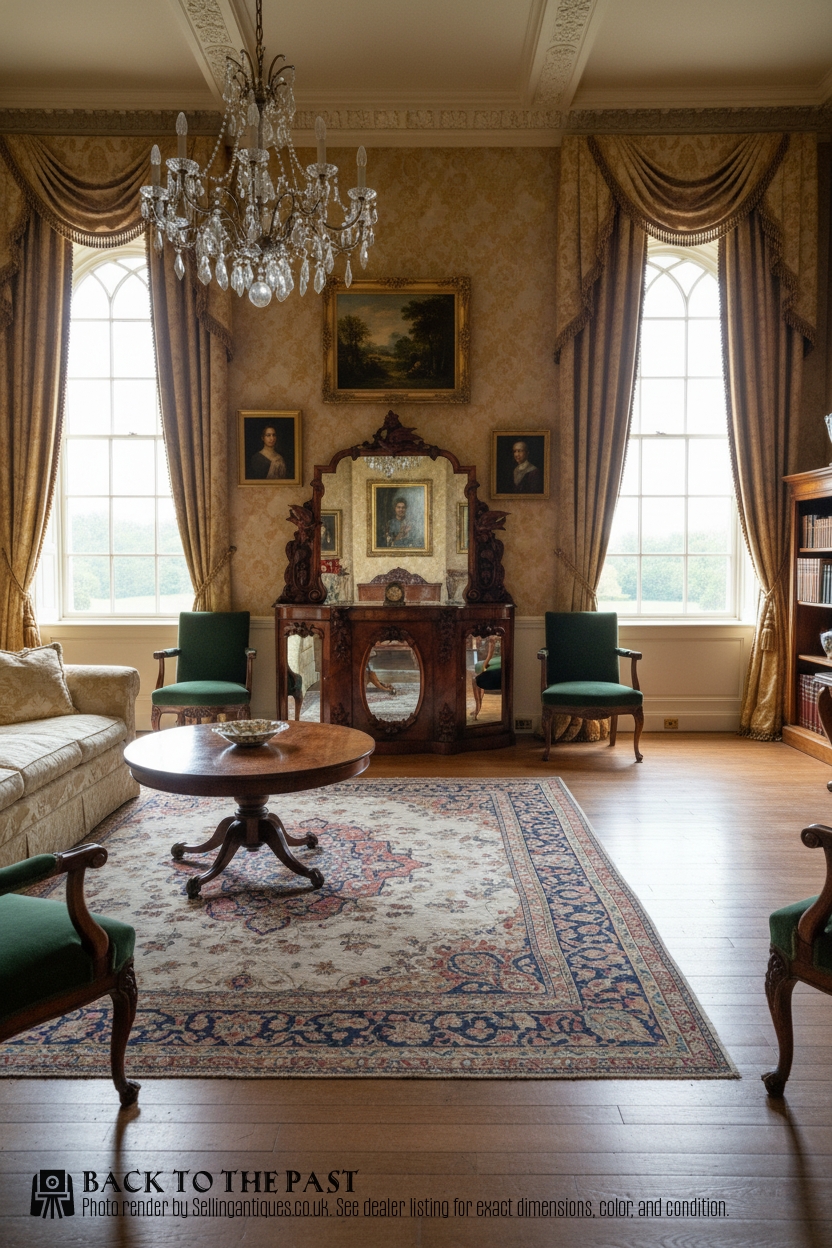
A mirror back sideboard incorporates an upright wooden frame holding a plate glass mirror attached to the rear of the top surface. This design gained popularity during the Victorian era to brighten dark dining rooms.
These superstructures often feature carved brackets, small shelves, or decorative pediments that match the lower cabinet style. The mirror itself reflects tableware displayed on the serving surface.