

Antique Carved Screen Panels
These antique carved screen panels bring historic craftsmanship into modern rooms, offering tactile relief and architectural division.

Antique Carved Screen Panels
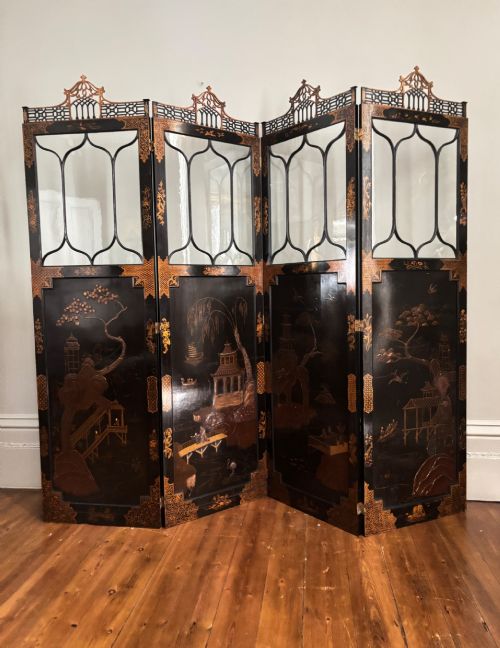
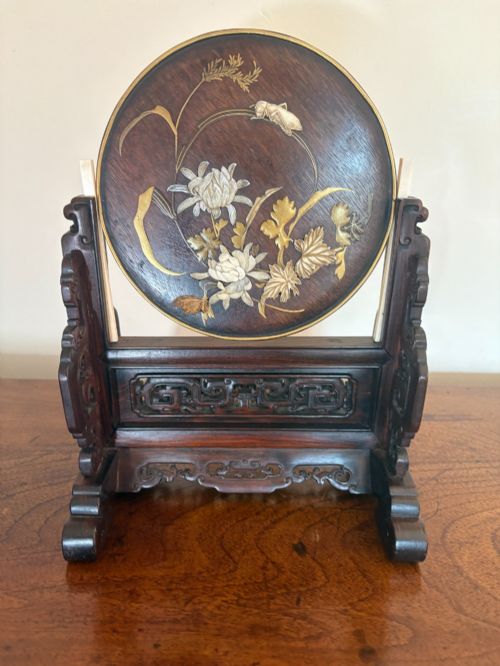
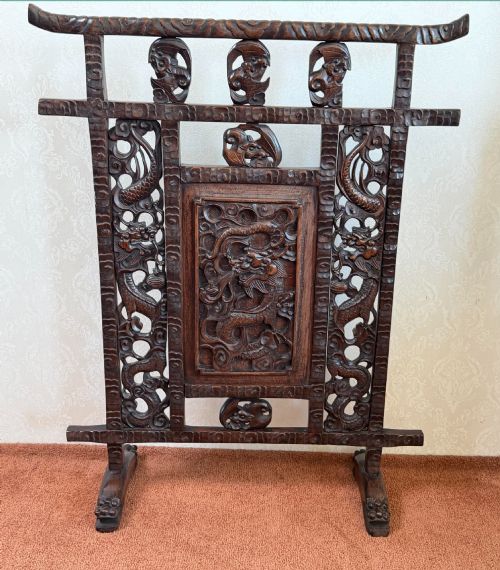
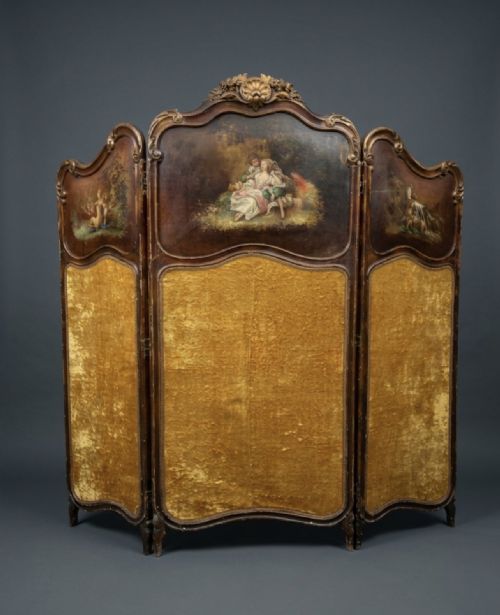
When you search for antique carved screen panels, you encounter folding room dividers, freestanding fire screens, and mounted architectural fragments originating from various global traditions. The examples found here span nineteenth-century English and French domestic interiors alongside Qing Dynasty Chinese, Meiji Period Japanese, and Anglo-Indian workshops.
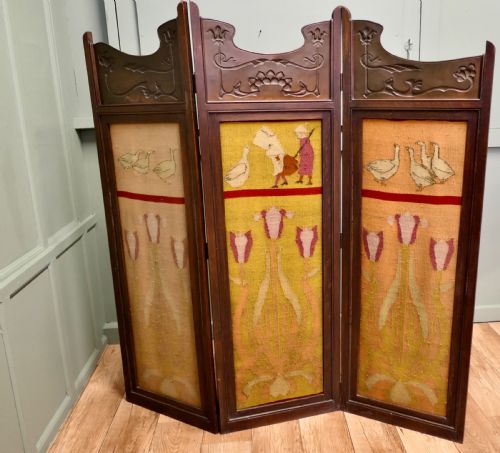
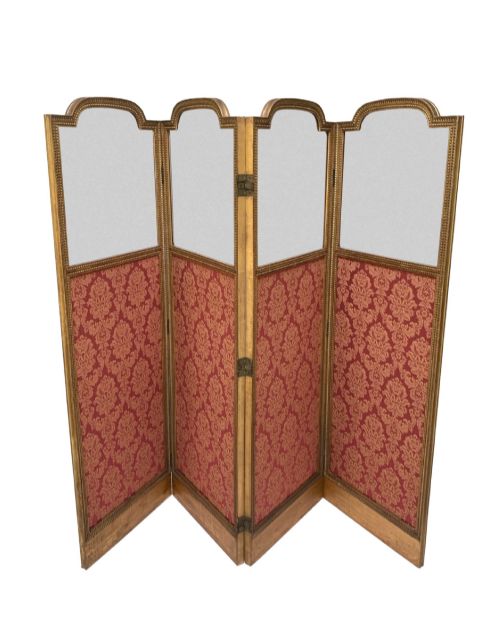
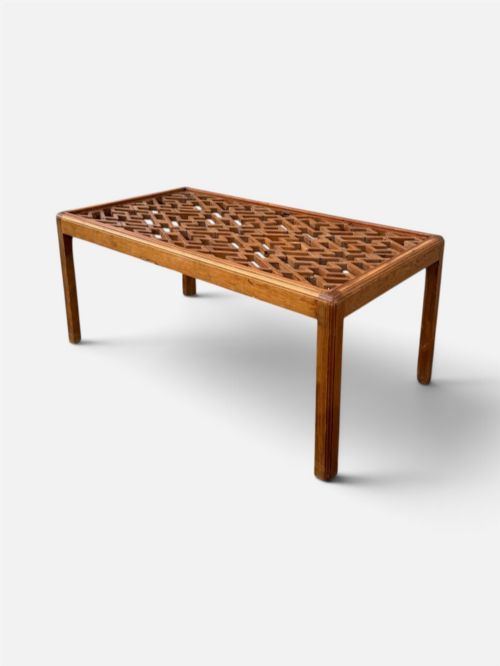
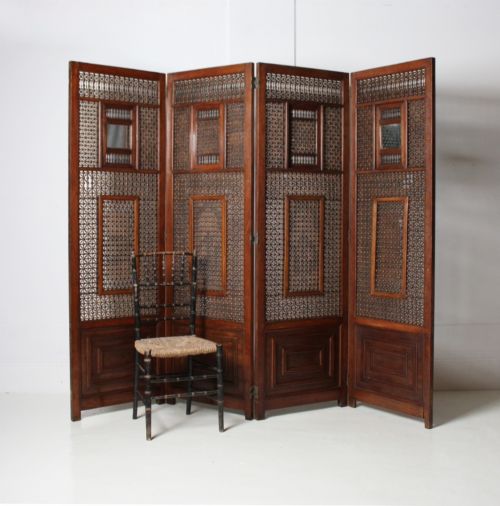
Folding screens and multi-panel room dividers dominate the selection, often taking three, four, or eight folds to articulate space. Alongside these stand smaller pole screens, table screens, and individual wooden panels adapted for decorative display or conversion into coffee tables.
The periods represented stretch from the Regency era through the Victorian epoch and into the early twentieth century. Buyers select these objects to partition open spaces, shield against hearth heat, or introduce rich surface texture to plain walls.
Materials and construction methods
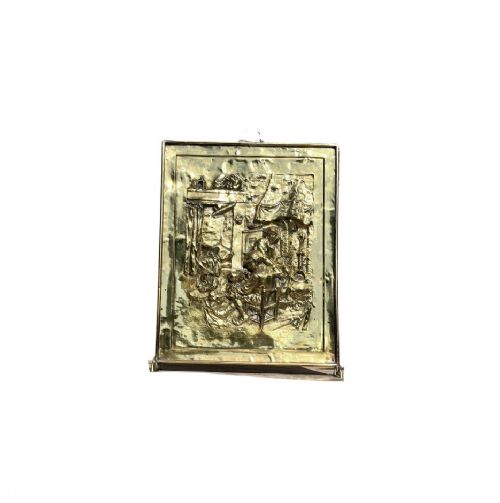
The structural frames utilise dense timbers including mahogany, walnut, rosewood, oak, padauk, and diverse Asian hardwoods. Carvers employed deep relief techniques directly into the timber, while specialist craftsmen integrated brass, copper, and giltwood elements into the framework.
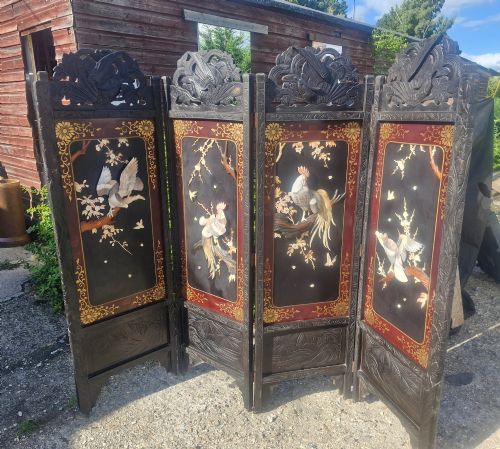
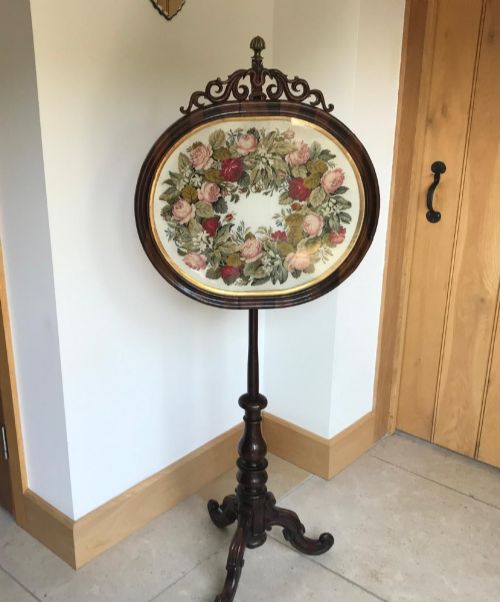
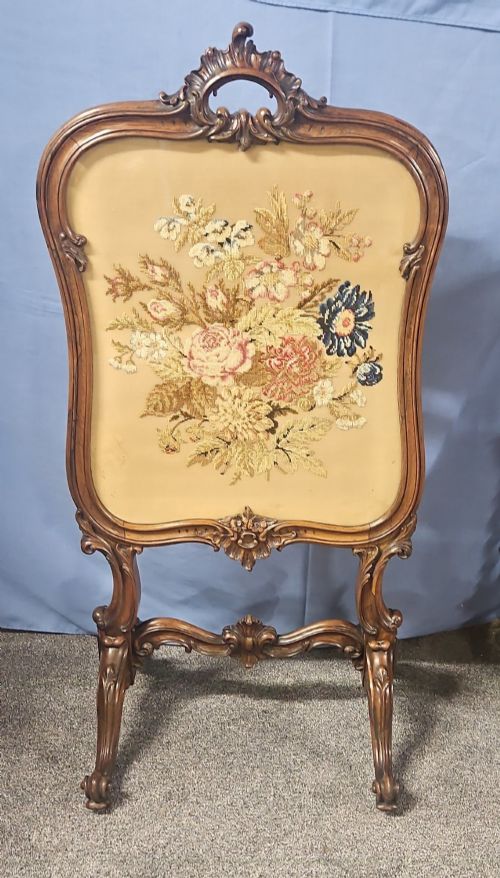
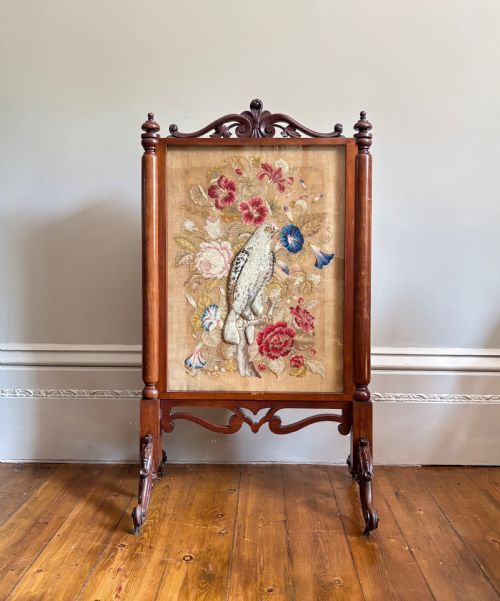
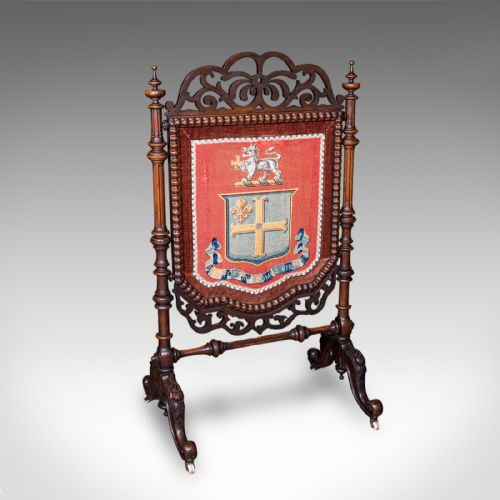
Infill panels display substantial diversity, incorporating hand-carved bone figures, inlaid hardstone, and painted lacquer. Textile inserts feature prominently, ranging from Berlin woolwork and needlepoint tapestry to embroidered silk and canvas.
Surface finishes rely on traditional methods, preserving black and coloured lacquer layers, oil paintings, and intricate fretwork lattices such as mashrabiya work. Joinery techniques reflect the regional origins of each piece, from European pin hinges to traditional Asian panel construction.
Listings feature items from the nineteenth century, the Victorian period, and the early twentieth century, utilising woods like rosewood, walnut, and padauk alongside lacquer and brass.
Assessing quality and execution
The distinction between ordinary and exceptional panels rests upon the depth and precision of the carving. Superior pieces display crisp undercut relief and confident hand-tooling rather than shallow, mechanical indentation.
Material selection and decorative integration also determine standing. Panels that combine dense hardwoods with finely preserved lacquer, detailed bone carving, or expert needlework demonstrate greater ambition than plain timber frames holding standard fabric inserts.
Paul Sormani
The Antique Carved Screen Panels Glossary
- Pole screen
- A vertical screen mounted on a slender wooden pole with a tripod base, designed to shield a face from hearth heat while sliding vertically to adjust position.
- Coromandel lacquer
- A Chinese incised lacquer technique where layers of dark lacquer are carved away to reveal coloured grounds beneath, often finished with painted details.
- Mashrabiya
- An architectural wooden lattice screen formed of turned bobbins fitted closely together, originating in traditional Middle Eastern joinery.
- Berlin work
- A type of nineteenth-century needlepoint embroidery worked in wool on canvas using printed grid patterns, frequently mounted into fire screens.
- Shibayama
- A Japanese decorative technique applying intricate inlay of shell, ivory, bone, and horn onto wood or lacquer surfaces to form pictorial motifs.
Antique Carved Screen Panels: Frequently Asked Questions
How do I use a folding screen at home?
Folding screens work well to divide large rooms, create private dressing areas, or soften stark corners. They stand independently and move easily to alter room proportions.
Heavier multi-panel dividers can also be mounted securely against a wall as large decorative art pieces, transforming architectural space without permanent alterations.
What is the difference between a fire screen and a room divider?
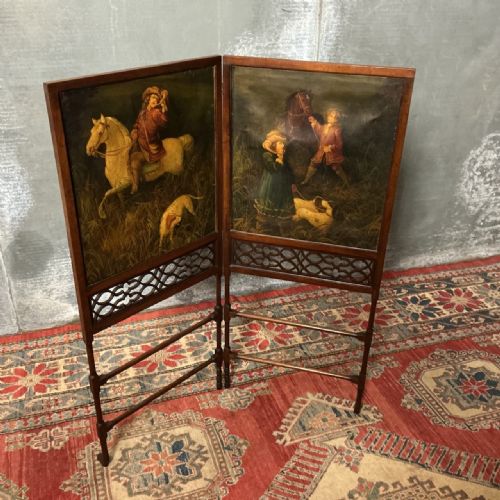
Fire screens were originally built in smaller single-panel formats to protect people from open hearth heat, often featuring adjustable pole mechanisms or standing on small feet.
Room dividers comprise multiple folding panels designed to span broader areas and alter the layout of a room rather than serve a fireplace.
How do I care for antique wood and lacquer panels?
Maintain stable indoor humidity levels to prevent timber from splitting and lacquered surfaces from crazing. Keep panels away from direct sunlight and strong heat sources.
Dust gently with a dry, soft cloth, avoiding commercial polishes, water, or abrasive cleaning agents that can damage fragile needlework or painted surfaces.
How do I date a carved wooden screen?
Dating relies on examining timber species, hinge hardware, joinery methods, and the style of the carving. Victorian and Edwardian British pieces often utilise mahogany, walnut, or rosewood with traditional European hinges.
Asian export pieces from the nineteenth and early twentieth centuries show distinct regional carving styles, lacquer formulations, and assembly techniques characteristic of specific dynasties and periods.