
Oriental Wood Carving Pair
An oriental wood carving pair brings striking symmetry and deep cultural history into a room, offering matched artistry in seating, panels, and figures.

Oriental Wood Carving Pair
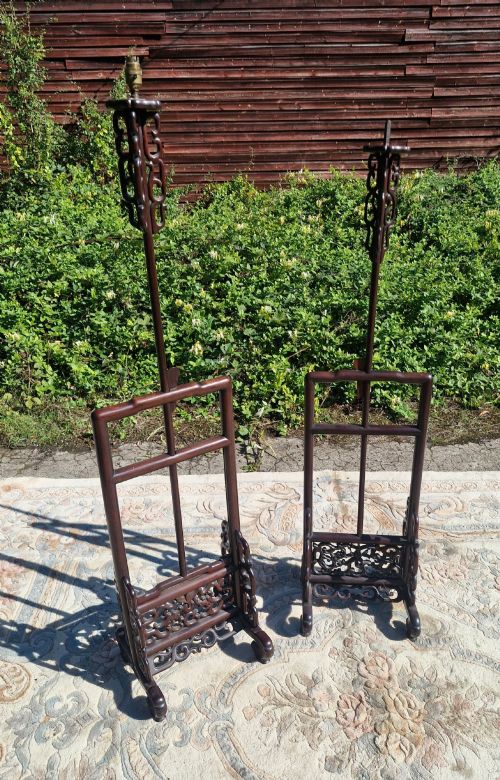
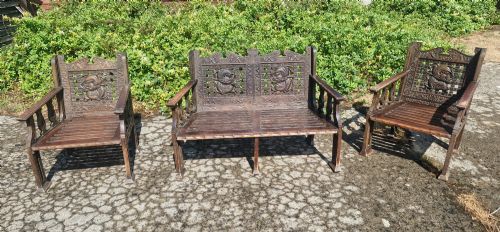
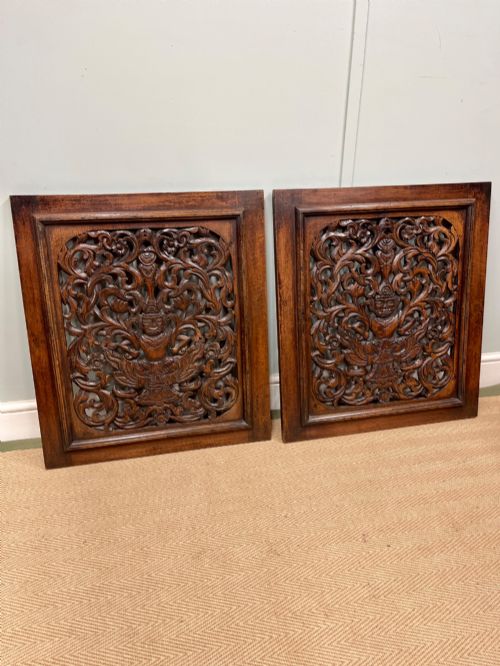
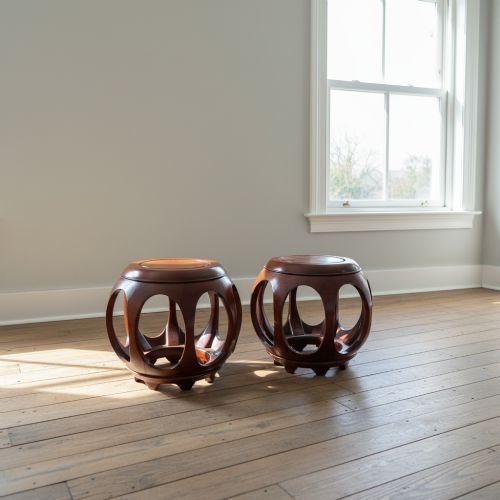
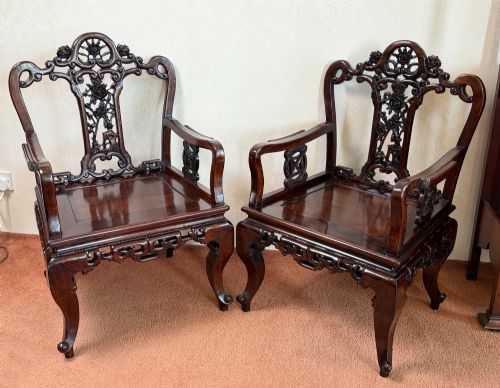
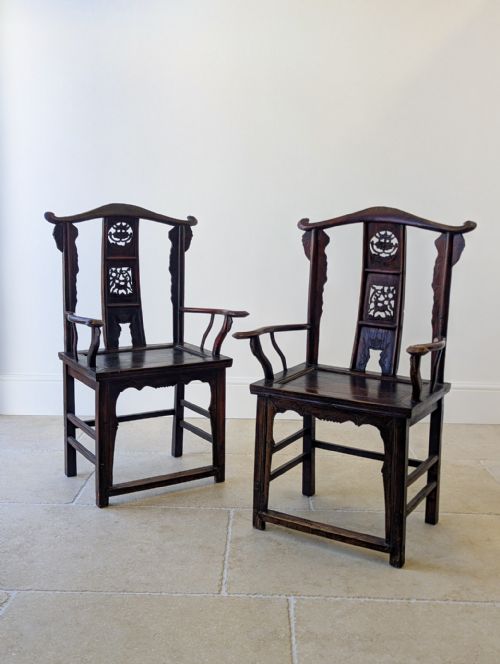
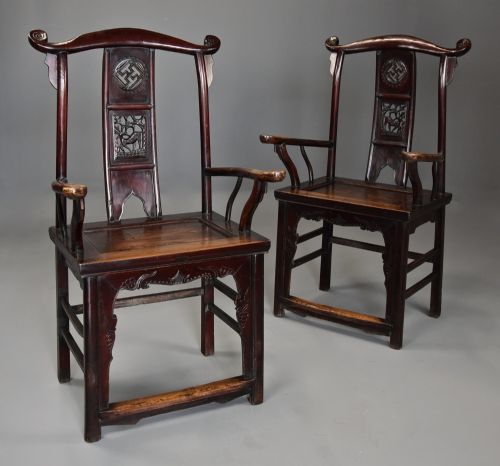
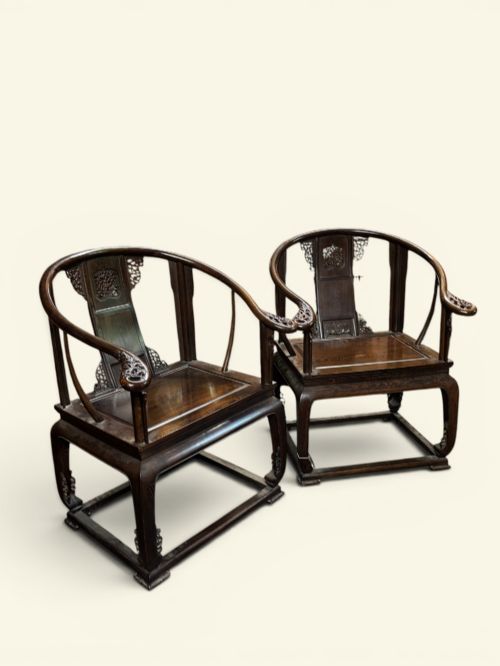
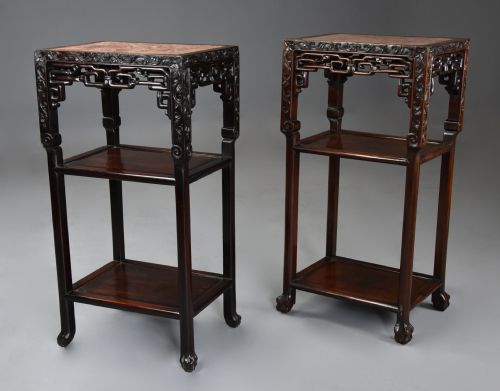
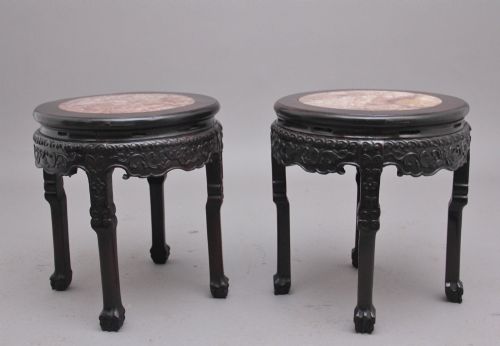
When you search for an oriental wood carving pair, you encounter matched items spanning seating, tables, panels, and sculptural figures created in various Eastern traditions. The selection here leans heavily toward Chinese hardwood armchairs, plant stands, and decorative panels originating from the nineteenth century onward.
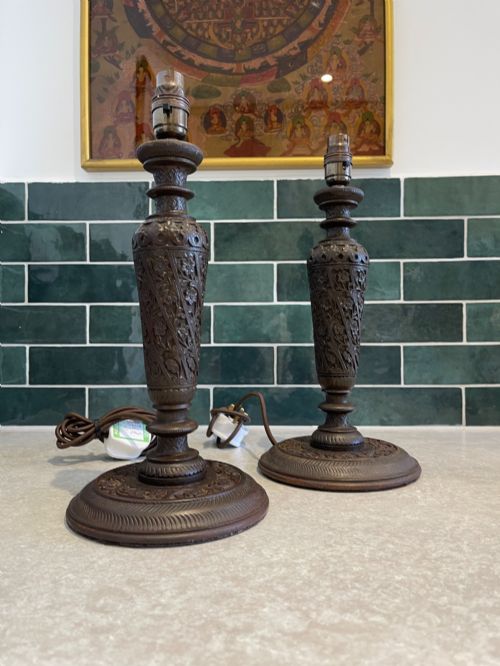
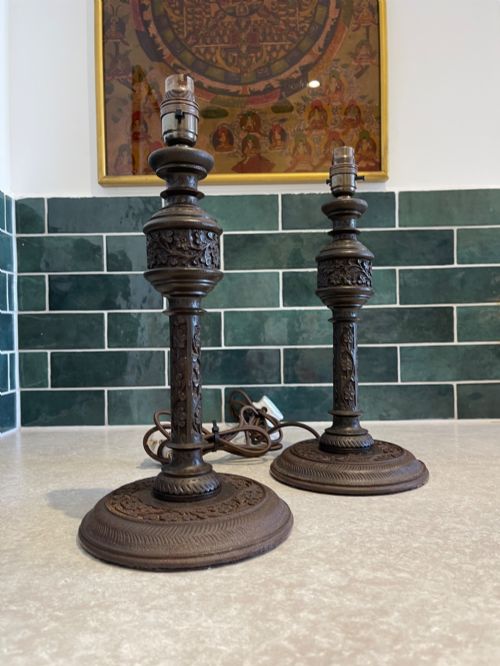
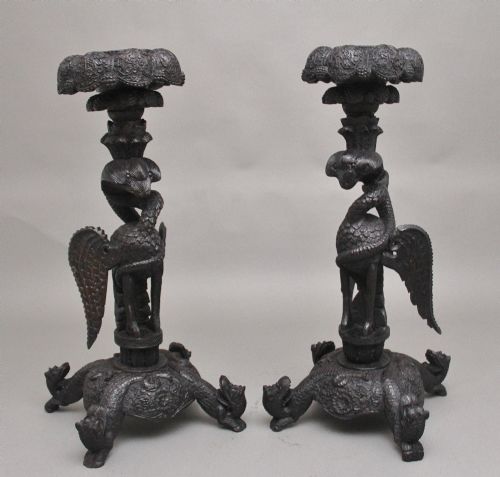
You will also find regional variations including Anglo-Indian torchers, Burmese panels, and Kashmiri lamps alongside traditional Chinese forms like yoke-back armchairs and barrel stools. These objects function both as practical furnishings and as sculptural accents designed to anchor a room.
The range encompasses domestic seating, temple carvings, and display surfaces, demonstrating how matched pairs served both functional and decorative roles in historic interiors.
How they were made
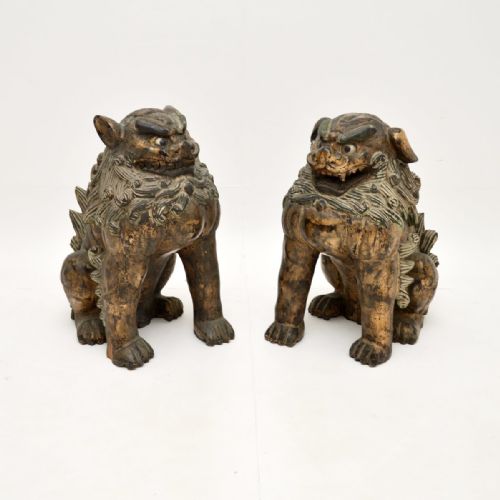
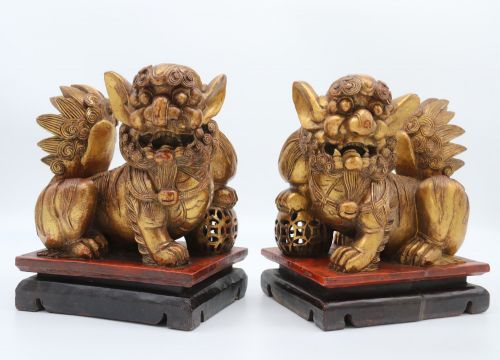
Craftsmen utilised dense timbers such as hardwood, rosewood, hongmu, and elm, relying on traditional joinery methods that allowed structures to endure without relying on metal fasteners. Carving was executed by hand, bringing intricate detail to figures like foo dogs, water buffaloes, and dragons.
Surface treatments frequently involved clear lacquers, gilt applications, or painted finishes to highlight the grain and protect the timber. Burr wood panels were often selected for specific contrasting insets on seats and tables.
Elements such as marble inserts were integrated into wooden frames for plant stands and table tops, combining contrasting textures within a single piece.
The listings feature pieces spanning the 17th century to the 1920s, constructed from elm, hardwood, rosewood, and lacquered wood.
What varies in quality
The distinction between tiers rests upon the depth and precision of the hand carving, where sharper definition in facial expressions on figures and crisper foliage on panels indicate superior workshop execution. Timber selection also dictates grade, with dense hongmu and well-figured burr wood commanding higher regard than standard utility elm.
Original surface preservation heavily influences standing, as untouched patinas and intact original red lacquer or gilding retain greater historical integrity than heavily restored examples. Structural ambition, such as complex folding mechanisms or adjustable lamp standards, further separates standard production from exceptional pieces.
The Oriental Wood Carving Pair Glossary
- Hongmu
- A dense, heavy tropical hardwood prized in Chinese furniture making for its rich colour and ability to take fine carved detail.
- Yoke-back armchair
- A traditional seating form characterised by a top rail that curves upward resembling a yoke, offering ergonomic support.
- Foo dog
- A mythical lion-dog guardian figure commonly rendered in wood or stone to protect domestic spaces and temples.
- Torcher
- A tall, decorative stand or pedestal historically utilised to hold lighting or display decorative objects.
- Burr wood
- Wood cut from tree growths featuring swirling, knotty grain patterns used primarily for decorative veneer or inset panels.
Oriental Wood Carving Pair: Frequently Asked Questions
How were oriental wood carving pairs used historically?
Matched pairs typically flanked doorways, altars, or fireplaces in traditional settings to maintain architectural symmetry and balance. Furniture sets like armchairs and plant stands furnished formal reception rooms and scholar's studios.
Smaller carved figures and panels served decorative or protective purposes within domestic interiors, often arranged in prominent public spaces.
How do I care for antique carved wooden furniture?
Keep wooden pieces away from direct heat sources and fluctuating humidity to prevent timber shrinkage and cracking. Dust gently with a dry, soft cloth and avoid chemical polishes that can degrade historic lacquered surfaces.
Maintain stable indoor environments to preserve the integrity of original patinas and delicate joinery over time.
How can I tell the period of a carved wood pair?
Dating relies on examining tool marks, timber shrinkage, and stylistic conventions associated with specific dynasties or Victorian production eras. Construction methods, such as the type of joinery and fastener usage, offer key chronological indicators.
Comparison with documented examples from periods like the late Qing Dynasty helps narrow down the decade of creation.
Are these pieces suitable for modern living spaces?
The versatile forms, including side tables, plant stands, and armchairs, integrate smoothly into contemporary rooms as functional accent pieces. Their sculptural qualities allow them to serve as focal points in minimalist or eclectic interiors.
Using matched pairs adds a sense of order and grounding to modern spatial arrangements.