

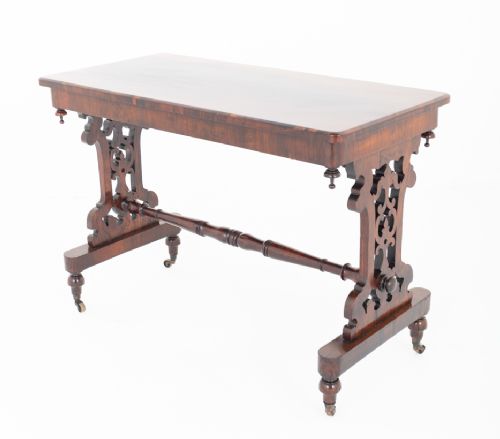
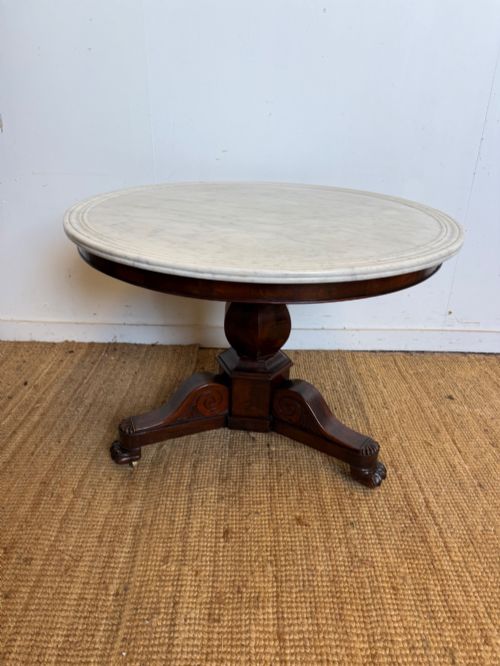
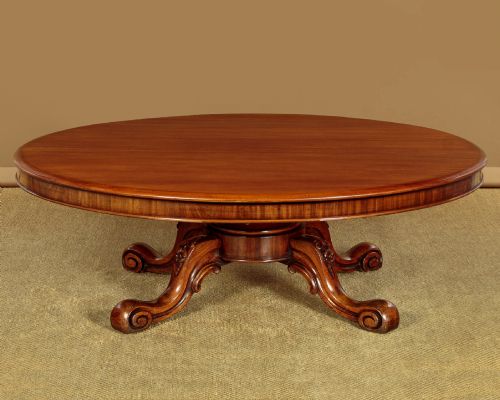
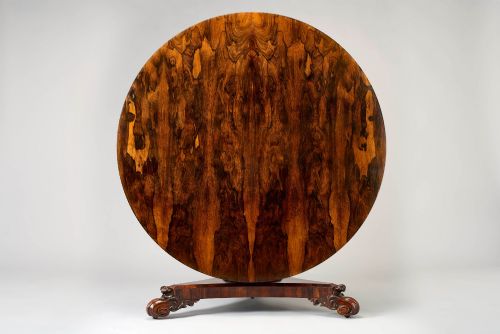
Antique Carved Centre Table
When you search for an antique carved centre table, you seek a freestanding piece designed to anchor a room from every angle.
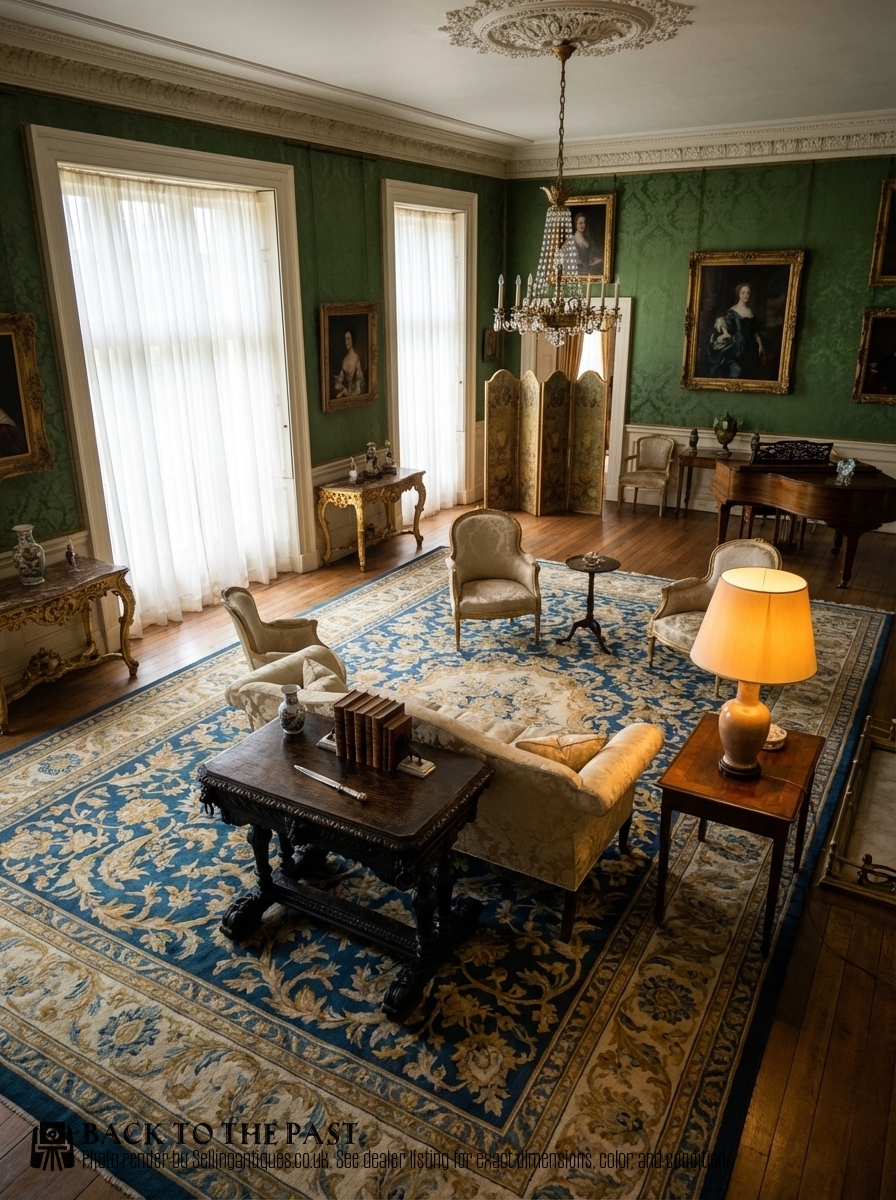
Antique Carved Centre Table
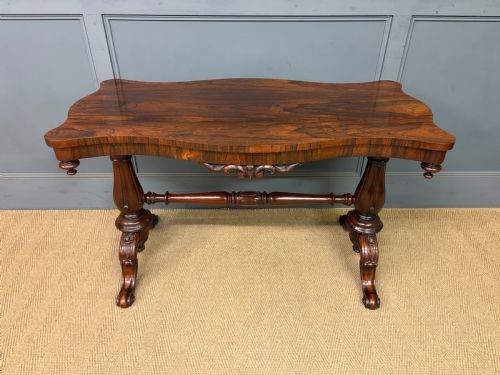
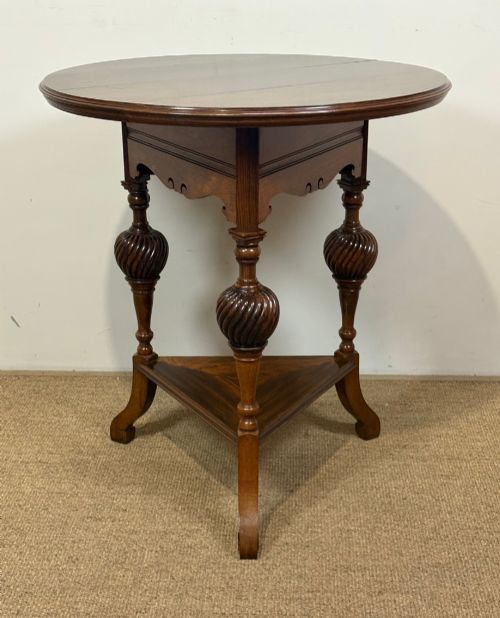
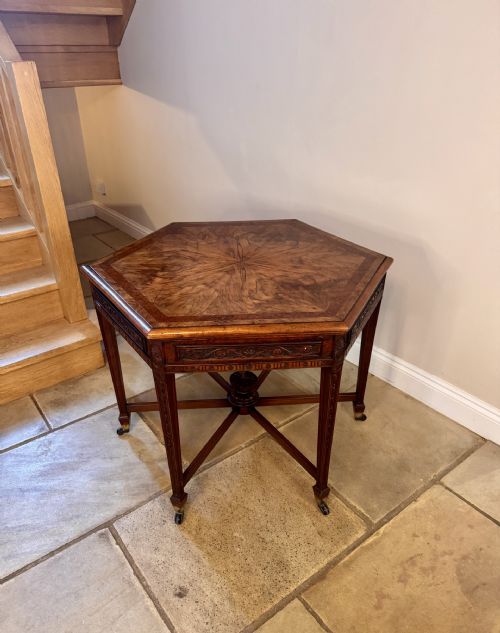
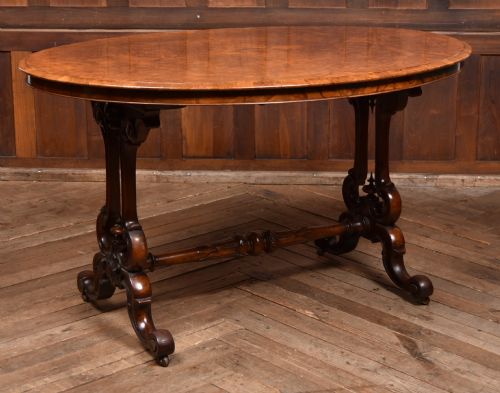
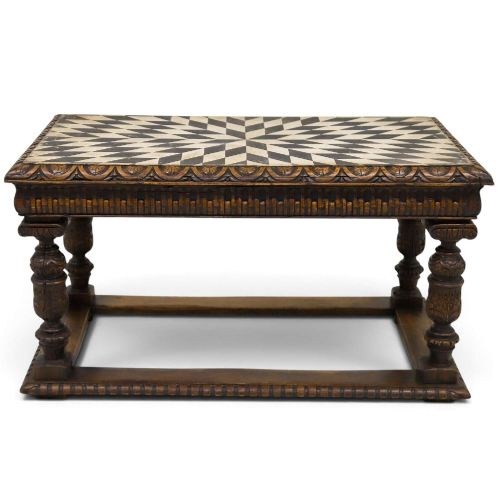
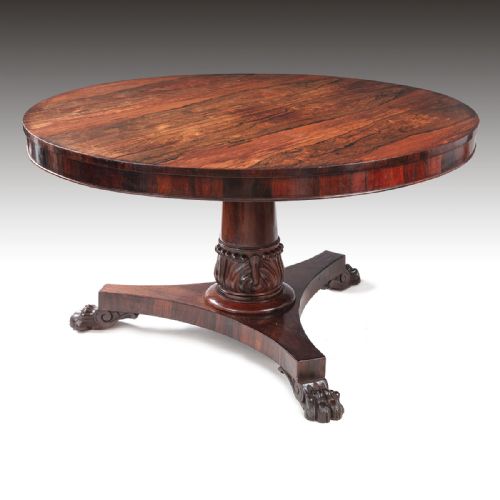
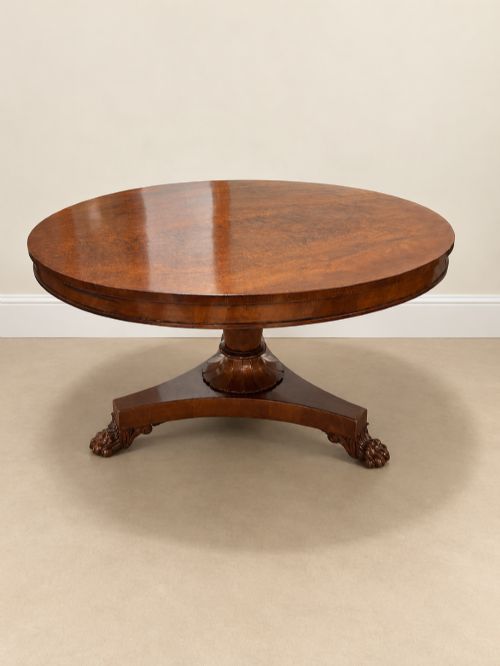
An antique carved centre table stands apart from standard side pieces by offering finished detail on all sides, intended to occupy the middle of a room rather than sit against a wall. The examples found here span the nineteenth century into the Edwardian era, encompassing distinct forms such as circular breakfast tables, oval loo tables, and octagonal lamp tables. Victorian walnut and rosewood versions dominate the selection, often featuring elaborate pedestal bases or tilt-top mechanisms.
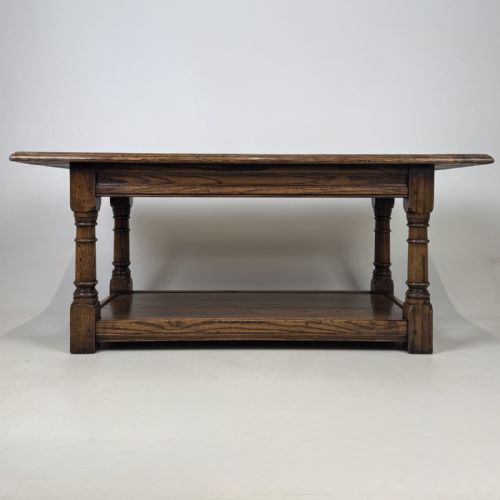
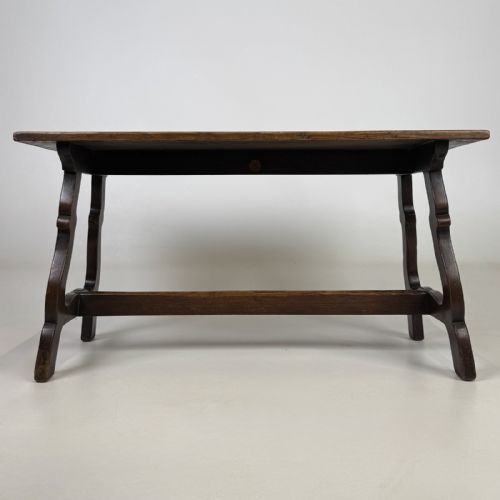
Makers designed these freestanding tables for principal reception rooms, where they served multiple domestic functions from display surfaces to informal dining. Alongside British Victorian and William IV pieces, the selection includes continental interpretations like French gueridons and Italian pedestal tables. The variety extends to woods such as burr walnut, mahogany, and oak, reflecting the specific tastes of the nineteenth-century drawing room.
Materials and construction methods
Cabinet makers utilised dense hardwoods like rosewood, mahogany, and solid or veneered walnut to build structural stability into tables meant to stand without wall support. Burr walnut veneers provided decorative figure to tabletop surfaces, often enhanced by marquetry, boxwood inlay, or quarter-veneered arrangements. Carving was executed by hand on solid timber elements such as pedestal columns, aprons, and triform or quadruped bases.
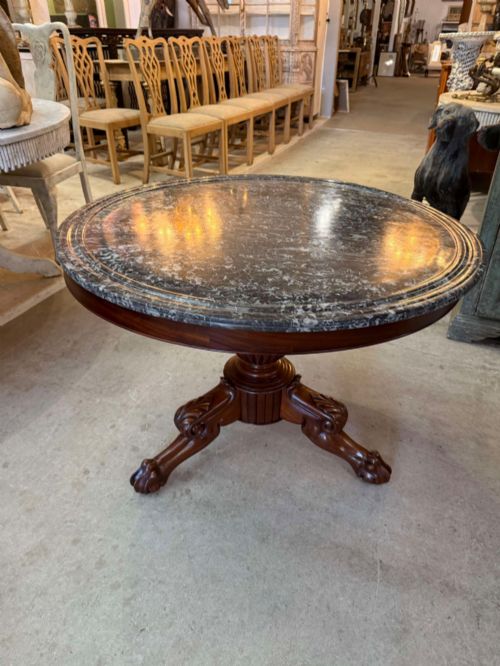
Specialised engineering supported functional variants like tilt-top breakfast tables and loo tables, employing robust wooden or metal pivot mechanisms. Marble inserts appeared on specific French and Italian surfaces, requiring precision-set frames to distribute the weight across the carved walnut or mahogany structure safely.
Antique Carved Centre Table Retail Price Guide 2026
Typical asking prices for carved centre table among the pieces listed under this phrase on Sellingantiques today, from the lower quarter to the upper quarter. They describe what is for sale here now, not the wider market.
Listings span the nineteenth and early twentieth centuries, featuring walnut, rosewood, mahogany, oak, and marble.
Distinctions in construction and design
The depth and crispness of the hand carving separate standard production from exceptional examples, particularly on the central pillars and feet where floral or scrolling motifs appear. Timber selection dictates visual impact, with highly figured burr walnut or richly grained rosewood marking superior output from established workshops like Gillows.
Structural integrity in the underframe and tilt mechanism indicates higher craftsmanship, ensuring the tabletop remains level and stable over decades of use. Marquetry precision and inlay alignment further separate workshop tiers, alongside the use of solid secondary woods within the interior framing.
Gillows
The Antique Carved Centre Table Glossary
- Centre table
- A freestanding table finished on all sides so it can occupy the middle of a room rather than rest against a wall.
- Tilt-top
- A hinged tabletop mechanism allowing the surface to fold vertical when not in use to save space.
- Loo table
- A large Victorian round or oval table designed for parlour games, typically featuring a tilting mechanism.
- Gueridon
- A small French round occasional table supported by a central column or figures.
- Marquetry
- Decorative patterns formed by fitting together thin slices of various veneers into wood surfaces.
Antique Carved Centre Table: Frequently Asked Questions
What is an antique carved centre table used for?
These tables functioned as central display surfaces, tea tables, or occasional dining pieces in nineteenth-century reception rooms. Because they are finished on every side, they stand independently away from walls.
Today, they serve similar decorative and practical roles in large rooms, holding lamps, books, or floral arrangements while anchoring the interior layout.
How do I identify a Victorian centre table?
Victorian examples frequently utilise dark dense timbers such as rosewood, mahogany, or figured burr walnut. Heavy carved pedestals, platform bases, and intricate inlay are common characteristics of this nineteenth-century period.
Many incorporate tilt-top mechanisms or shaped oval rims, reflecting the domestic habits of the 1850s and 1860s.
What is the difference between a breakfast table and a loo table?
Breakfast tables from the William IV and early Victorian periods are usually circular with a pillar and triform or quadruped base. They were designed for morning meals and informal gatherings.
Loo tables are typically larger oval or circular surfaces with tilt-top actions, originally intended for the popular Victorian card game of loo.
Where should I place a freestanding table?
A freestanding table requires adequate clearance around its perimeter to allow full appreciation of its finished sides and carved base. Placing it in the middle of a drawing room or entrance hall highlights its original purpose.
Ensure the room dimensions permit comfortable movement past the edges of the table and any seated chairs.