



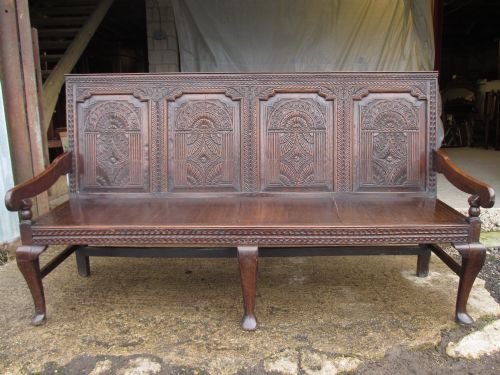
Antique Carved Bench Seat
An antique carved bench seat brings historical character to an interior, offering practical seating shaped by centuries of craftsmanship.
Antique Carved Bench Seat
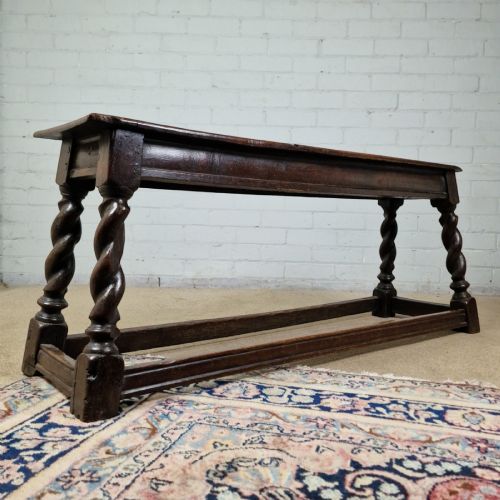
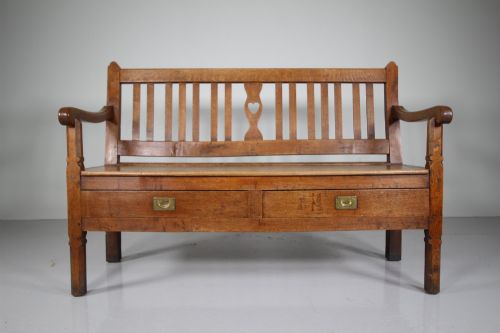
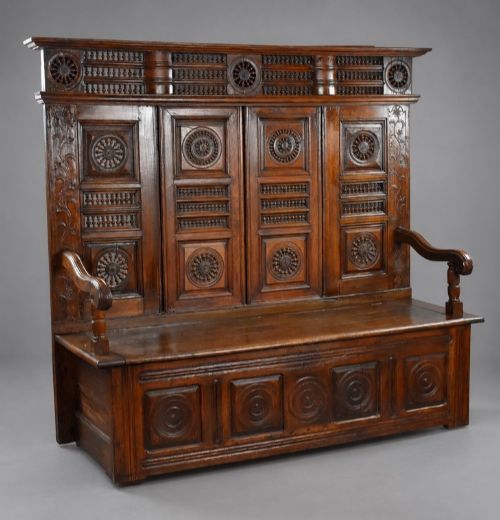
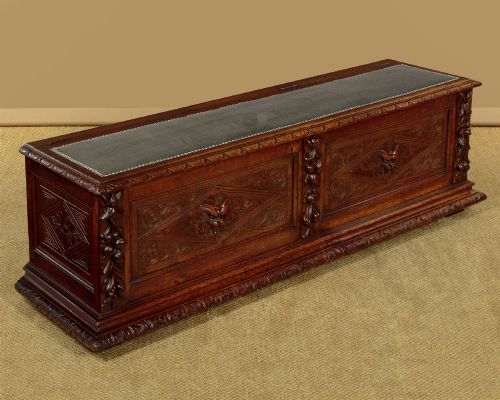
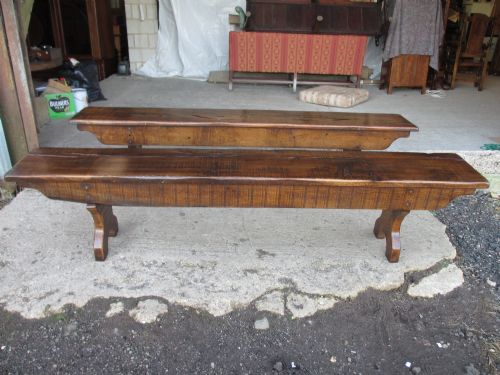
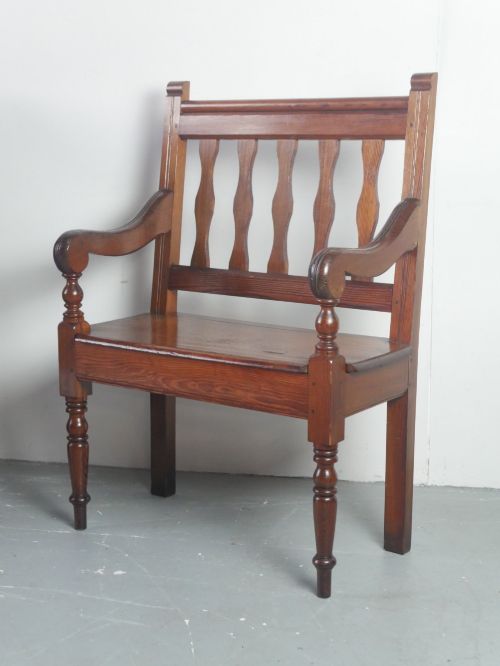
When searching for an antique carved bench seat, a buyer encounters a diverse group of domestic seating forms that includes hall benches, box settles, window seats, and monks benches. These items originate primarily from the 18th and 19th centuries, spanning periods such as the Georgian, Victorian, and Edwardian eras. The most frequent variant on this page is the solid oak hall bench or settle, often featuring carved panelwork and storage beneath the seat.
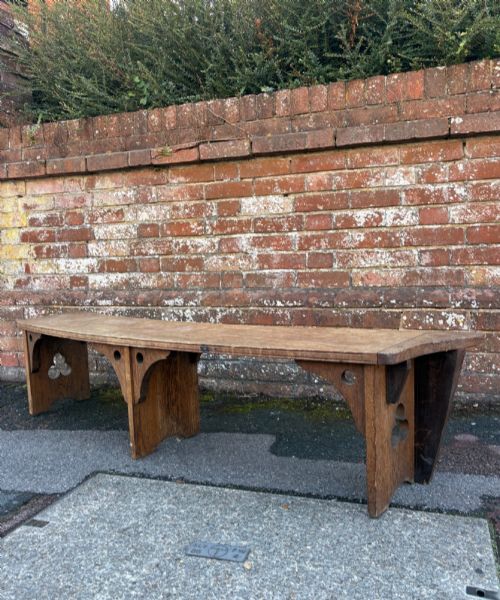
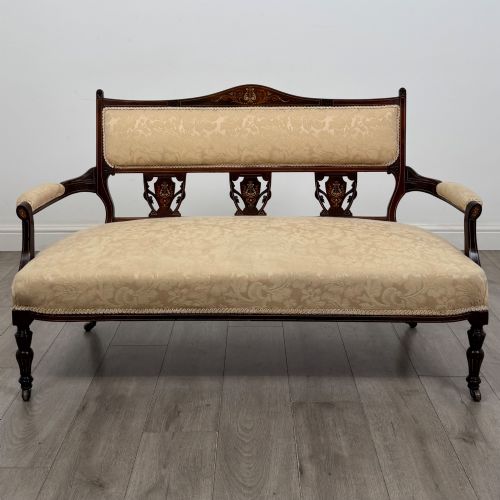
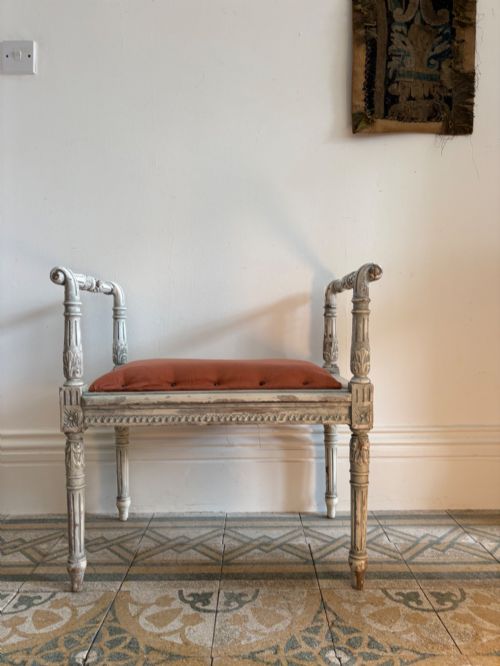
Beyond standard hall seating, the selection extends to window seats and stools framed in mahogany, walnut, or rosewood, sometimes exhibiting stylistic influences like Gothic Revival or Jacobean Revival. Pieces range from straightforward country craftsmanship to architectural forms with elaborate carved details and trefoil supports. Whether designed with a high back for an entrance hall or a low profile for a bedroom, these items combine utility with period aesthetic values.
How They Were Made
Construction relies heavily on timbers such as oak, mahogany, walnut, and rosewood, selected for their structural rigidity and suitability for detailed carving. Joinery techniques in these pieces typically involve panel construction, pegged joints, and shaped trestle ends designed to support heavy daily use in domestic spaces. Carved motifs are worked directly into the solid wood surfaces, utilising gouges and chisels to create low relief panelling, foliage, and architectural ornaments.
Upholstered variants incorporate secondary materials including fabric, velvet, silk, and brass tacks to secure textile coverings over padded seats. Painted and gilded finishes also appear on specific regional types, such as giltwood window seats and painted pine frames. Surface treatments range from traditional wax finishes on oak to polished hardwood veneers.
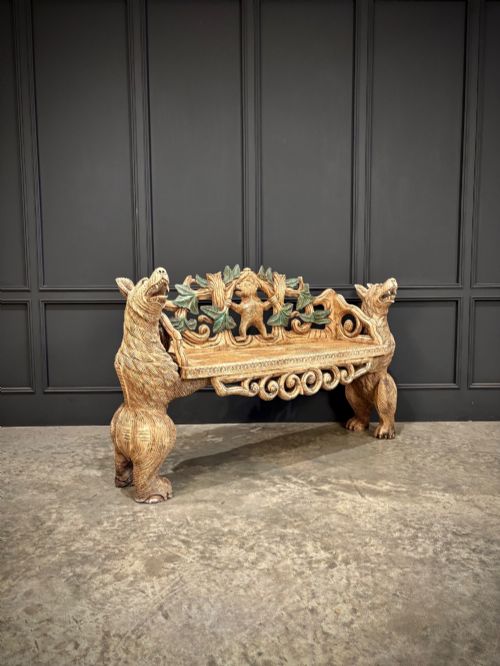
Encounter a carved wooden bear staring back from a two-seat bench, proving Victorian humour translates well into fur and timber.
What Varies in Quality
The standard of a piece is determined by the crispness and depth of the timber carving, alongside the selection of the primary wood. Superior examples display confident, well-defined hand-carved details that integrate harmoniously with the structural form, rather than shallow or mechanical ornamentation. The choice of solid figured timbers, such as richly grained oak or finely polished rosewood, elevates the visual presence of the furniture.
Integrity of construction and original form significantly influence the standing of an item. Pieces retaining their original box storage mechanisms, folding table tops, or period upholstery supports demonstrate a higher degree of authenticity. Additionally, balanced proportions and thoughtful architectural detailing distinguish exceptional regional workshop production from utilitarian output.
Gillows
The Antique Carved Bench Seat Glossary
- Settle
- A wooden bench with a high back, solid arms, and often a closed base or box seat for storage. This form kept draughts away from occupants in older hallways and kitchens.
- Monks bench
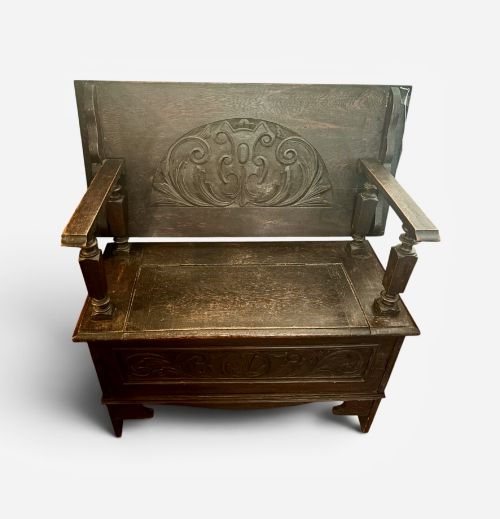
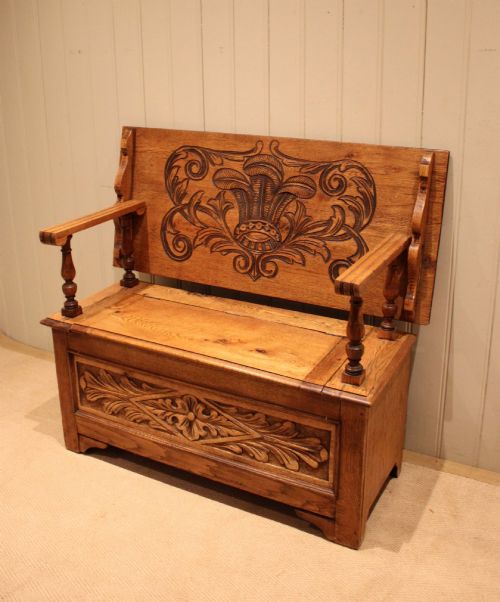
- A convertible piece of furniture featuring a hinged top that folds down to transform the backrest into a table. It combines the functions of a seat and a small table.
- Hall bench
- A narrow seat placed in an entrance hall or passage, frequently constructed from oak with carved panelling. These pieces often include lift-up lids concealing storage compartments.
- Window seat
- An upholstered or wooden bench specifically proportioned in length and height to sit beneath a window recess. They appear in styles ranging from Regency mahogany to giltwood.
- Box settle
- A variant of the settle featuring a compartment beneath the hinged seat boards. This storage space was utilised for household blankets and heavy garments.
- Trefoil
- A three-lobed decorative carving shape resembling clover leaves, frequently found in Gothic Revival architectural joinery. It adds geometric relief to structural supports.
Antique Carved Bench Seat: Frequently Asked Questions
What is a monks bench used for?
A monks bench serves a dual purpose as both a seating bench and a small table. The hinged back folds forward onto the arms to create a flat surface.
Historically, this multi-functional design conserved space in smaller rooms and hallways. The under-seat compartment also provided convenient storage for household items.
Where should a hall bench be placed?
A hall bench is traditionally positioned in an entrance hall, corridor, or boot room. Its narrow profile allows it to fit along passageways without obstructing movement.
These pieces provide a practical place to sit while removing footwear. Models with lift-up seats also offer concealed storage for hats, scarves, and daily essentials.
How do I identify a Victorian oak bench?
Victorian oak benches often display revival styles such as Gothic Revival or Jacobean Revival. They feature dark waxed finishes, heavy proportions, and deep hand-carved panels.
Construction details include solid oak timbers, pegged joinery, and sometimes carved motifs like the Green Man. Many examples from this period incorporate box storage beneath the seat.
What distinguishes a window seat from a standard bench?
A window seat is specifically designed with proportions suited for placement beneath a window frame. These pieces often feature upholstered pads in materials like velvet, silk, or fabric.
Unlike high-backed hall settles, window seats typically have low backs or open frames in mahogany, rosewood, or giltwood. Their design focuses on framed visibility and comfort.