

Antique Card Boxes
Antique card boxes encompass everything from Victorian silver cases to Edwardian mahogany caskets designed to store gaming pieces and calling cards.
Antique Card Boxes
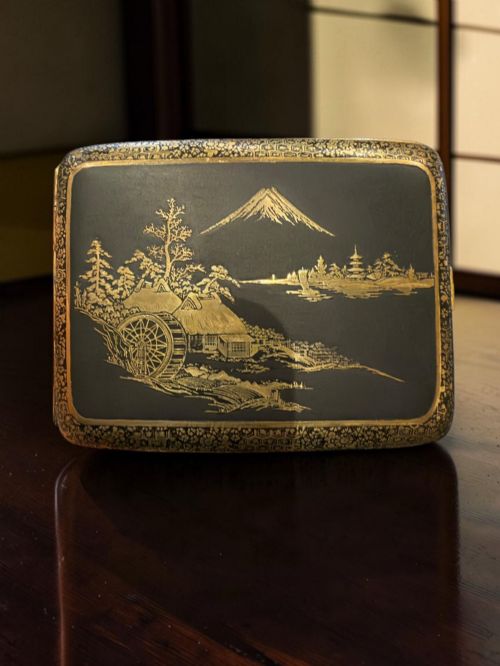
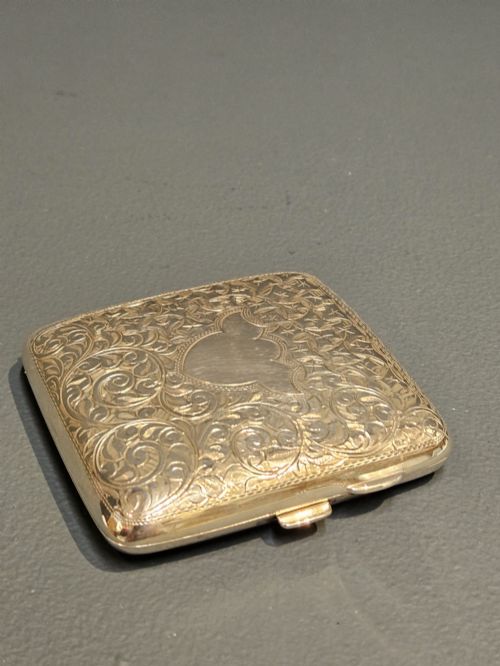
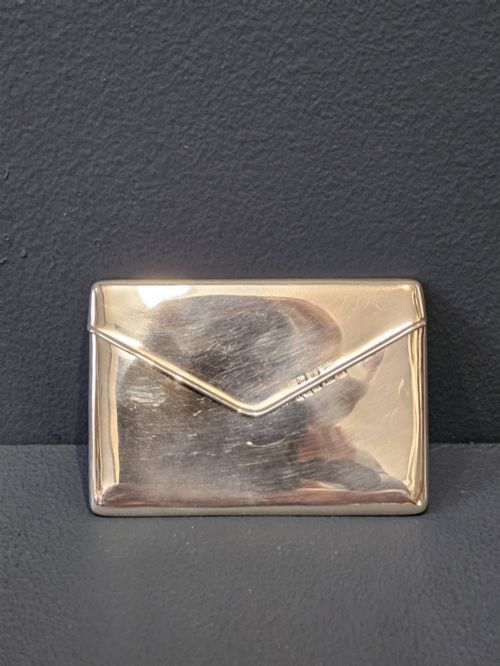
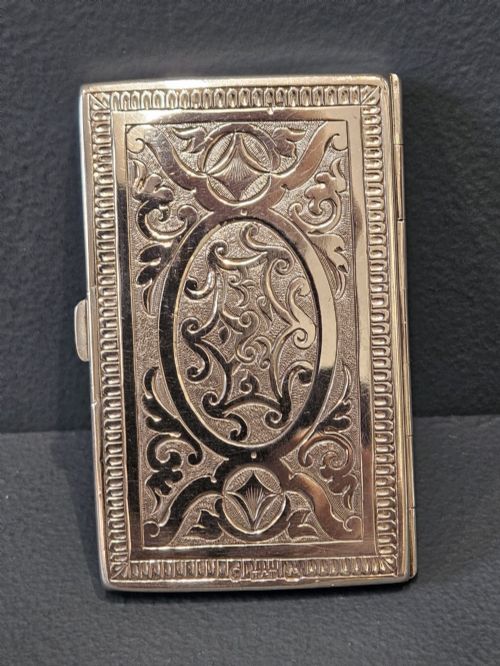
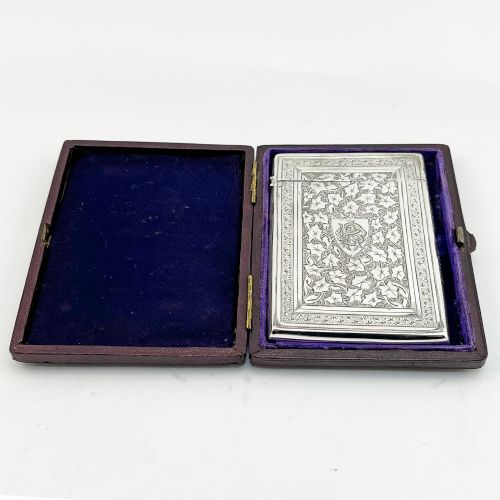
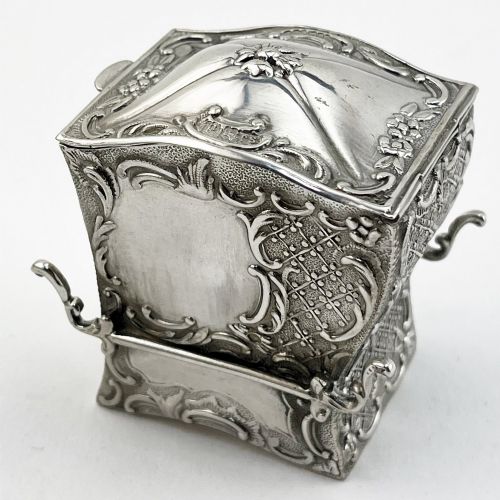
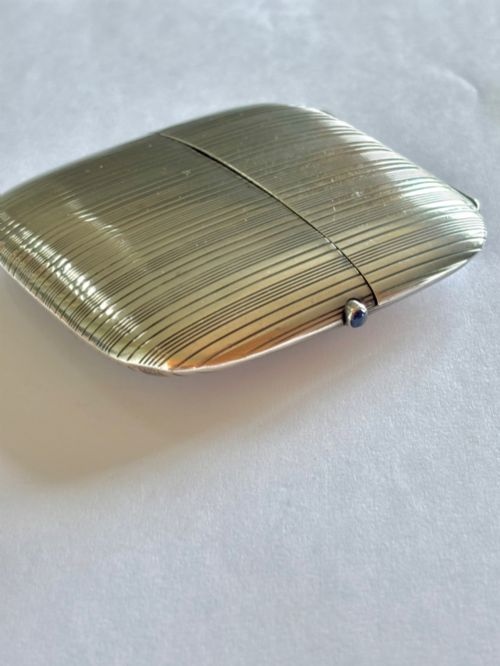
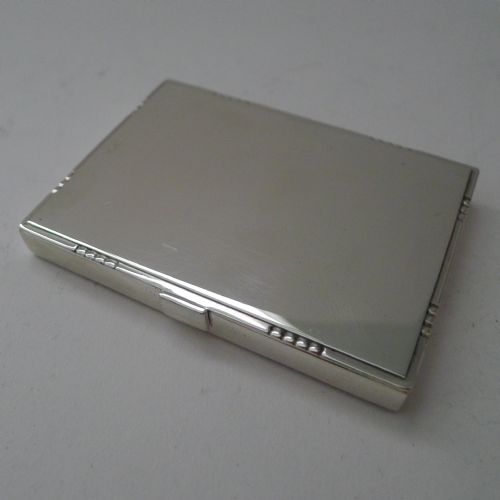
Antique card boxes include pocket card cases, tabletop games boxes, and bridge boxes originating from the Victorian, Edwardian, and Art Deco periods. These pieces serve to house playing cards, cribbage boards, and visiting cards in materials ranging from sterling silver to burr walnut.
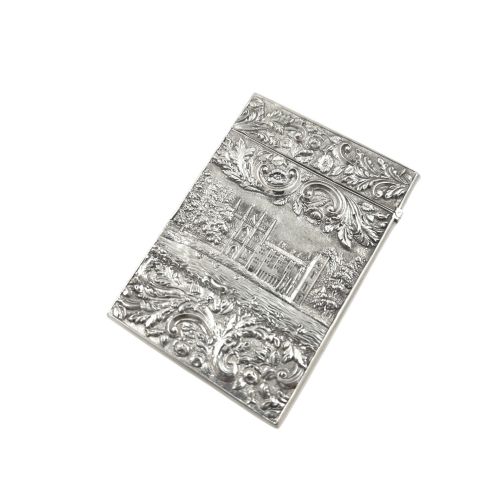
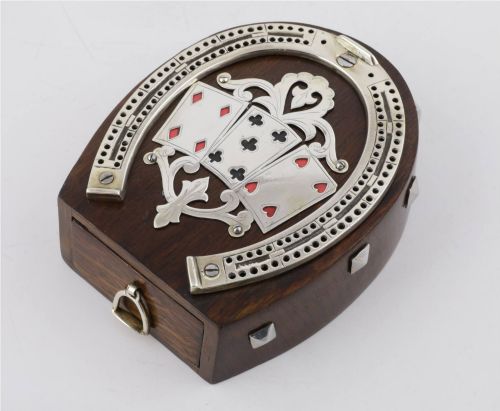
Buyers frequently encounter silver card cases engraved with architectural views alongside wooden games boxes fitted with brass hinges. The selection spans utilitarian storage items and decorative novelties, including novelty book forms and horse shoe designs.
Origins stretch from English workshops to Continental Europe, India, and the Ottoman Empire. Forms include leather bridge boxes, folding tables, and pocket cases intended for daily social use.
How They Were Made
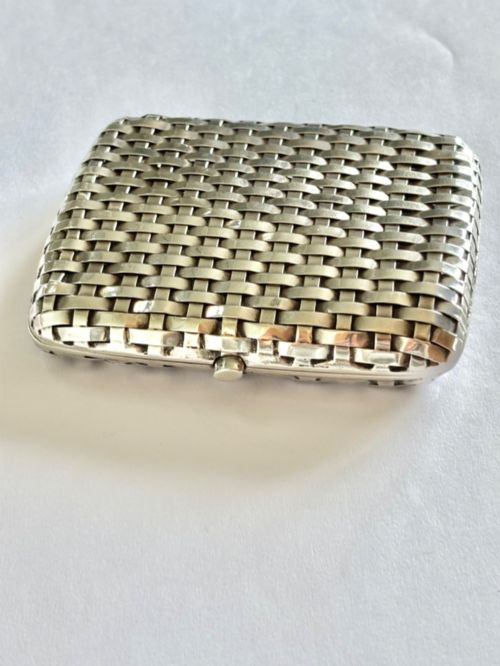
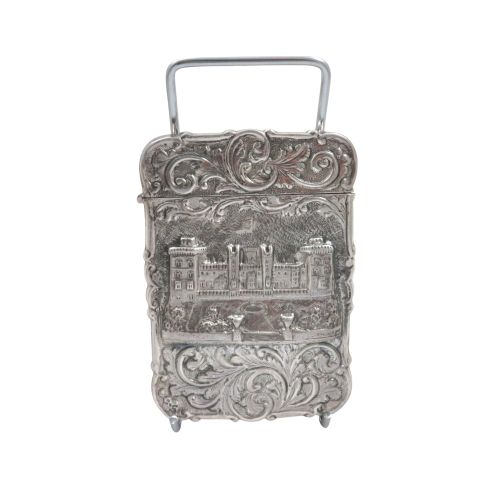
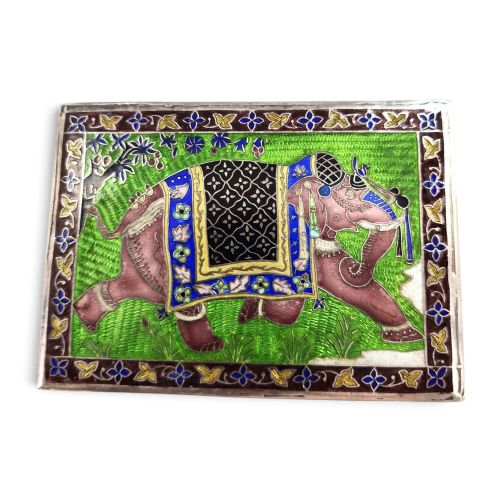
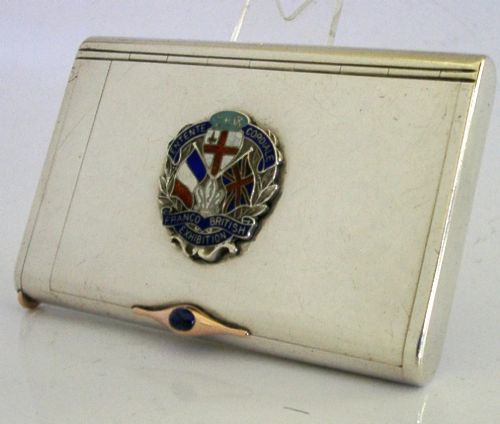
Silversmiths utilised sterling silver and .900 or .935 silver grades, applying chasing, engraving, and hand-painted enamel decoration. Many silver card cases incorporate basket weave textures or intricate castle top scenes.
Cabinetmakers worked with burr walnut, mahogany, oak, and rosewood, often combining cross-banding with brass mounts. Leather and tortoiseshell also appear, lined with silk or velvet to protect the contents.
Antique Card Boxes Retail Price Guide 2026
Typical asking prices for card boxes among the pieces listed under this phrase on Sellingantiques today, from the lower quarter to the upper quarter. They describe what is for sale here now, not the wider market.
Listings feature materials spanning sterling silver, brass, enamel, leather, burr walnut, and mahogany across the Victorian and Art Deco eras.
What Varies in Quality
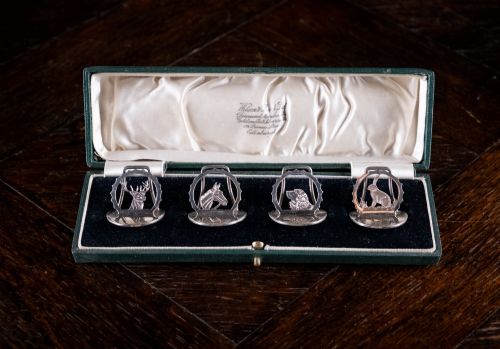
Quality rests in the crispness of the chased or engraved detail on silver surfaces and the precision of the joinery on wooden caskets. Finer pieces display deep relief work, such as high-relief stag motifs or detailed architectural scenes, rather than shallow stamping.
Material selection dictates value, with heavy-gauge sterling silver, quality enamelling, and well-figured burr walnut marking the superior end of the range. Maker attribution also elevates certain items, particularly those bearing the marks of established silversmiths.
Georg Jensen·Harald Nielsen·Fritz Bemberg·A Wilcox·Levi and Salaman·Nathaniel Mills·Cartier·Samuel Porter
The Antique Card Boxes Glossary
- Castle top
- A style of metalwork featuring a detailed engraving of a famous building or landmark on the cover. Nathaniel Mills produced notable examples of this technique.
- Cribbage box
- A specialised container designed to hold a cribbage board, pegs, and playing cards. These often take utilitarian or novelty forms.
- Bridge box
- A lidded container constructed to store multiple packs of playing cards and scoring pads for bridge. They frequently feature leather or silver mountings.
- Vesta case
- A small pocket container intended to hold matches, frequently found alongside card and cigarette cases from the Edwardian era.
- Cabochon
- A gemstone polished into a convex shape rather than faceted. These appear inset into the latches or bodies of silver cases.
Antique Card Boxes: Frequently Asked Questions
What fits inside an antique card box?
These boxes accommodate standard playing cards, visiting cards, or specific gaming counters like cribbage pegs.
Larger wooden caskets store multiple decks alongside dice and markers, while pocket silver cases hold calling cards.
How do I date a silver card case?
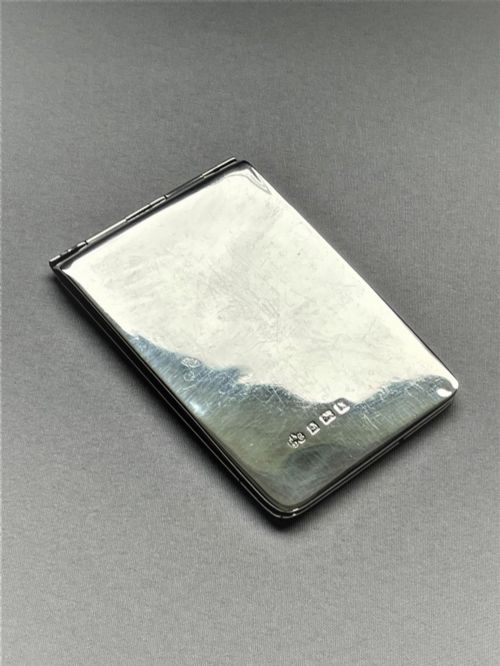
Assay office hallmarks, date letters, and maker marks stamped onto the metal provide precise manufacturing years.
Stylistic cues like Art Deco geometry or Victorian floral engraving also help narrow the production era.
Were these boxes used for cards only?
Many card boxes doubled as storage for cigarettes, stamps, or small stationery items depending on their internal partitions.
Leather and silver examples often served multipurpose roles in Edwardian drawing rooms and smoking rooms.
How should I clean antique silver card boxes?
Gentle dusting with a soft microfibre cloth preserves the patination and delicate engraved lines of the metal.
Harsh chemical dips must be avoided, particularly on enamelled or parcel-gilt surfaces where aggressive cleaning removes historic finishes.