


Antique Canine Sculpture
These antique canine sculpture pieces capture breeds in bronze, porcelain, and terracotta, offering collectors lifelike animal studies with immense character.
Antique Canine Sculpture
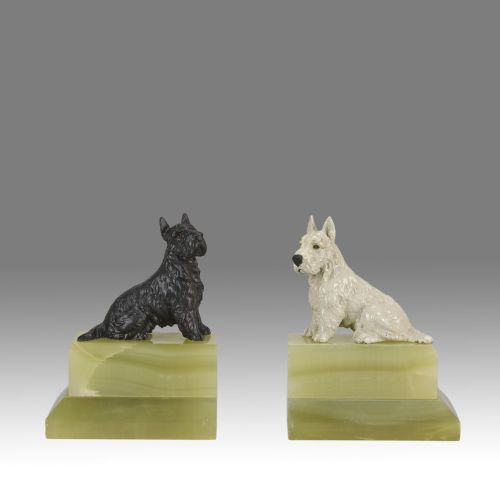
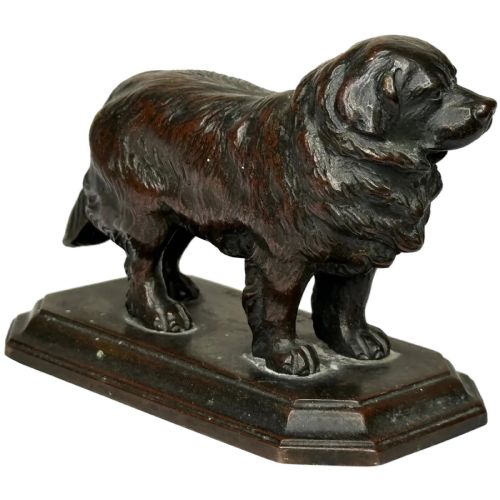
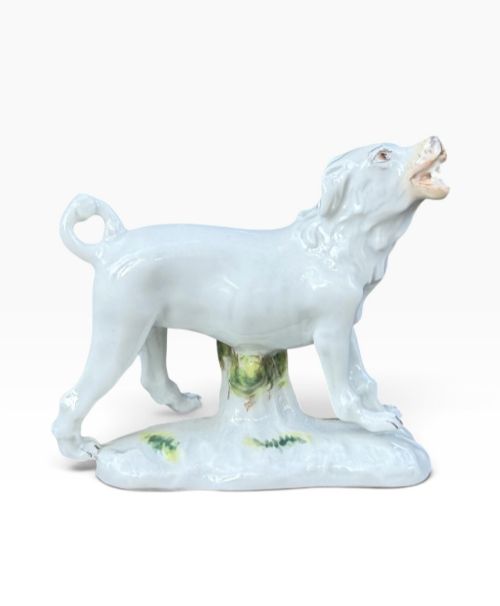
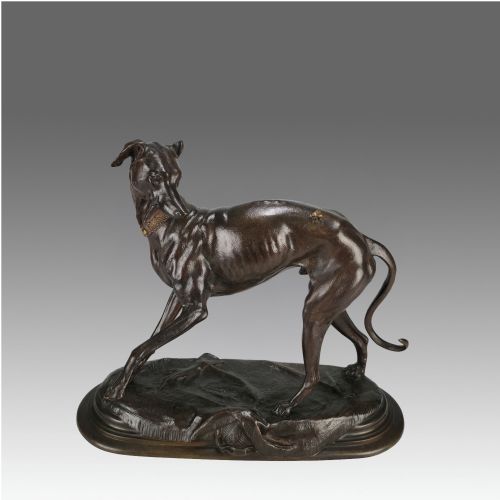
When you search for antique canine sculpture, you encounter a diverse range of figures spanning the nineteenth and early twentieth centuries. These works include freestanding animalier bronzes, functional inkwells, bookends, and delicate porcelain figurines.
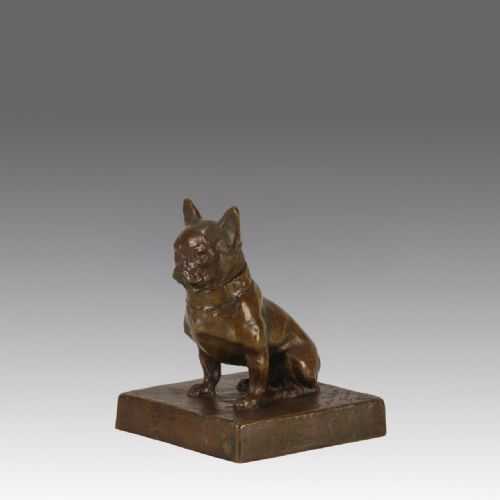
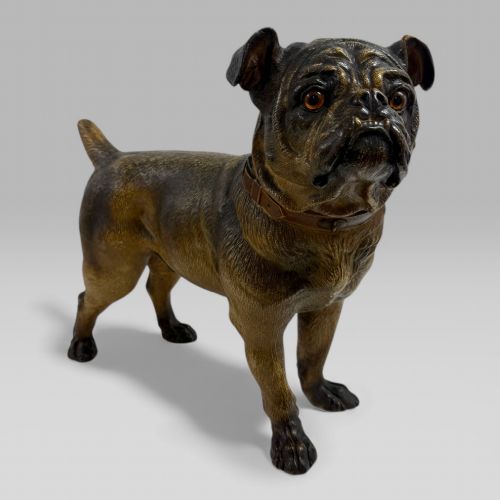
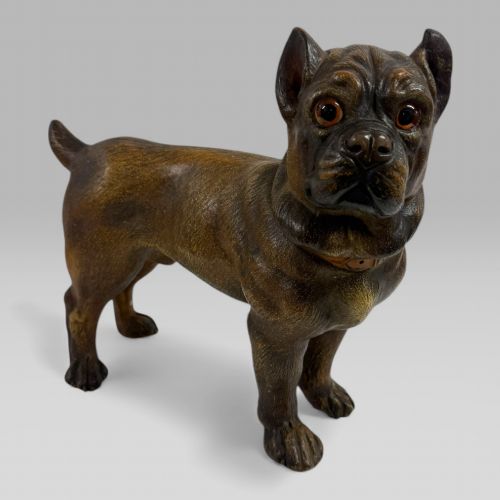
The selections on this page primarily showcase European foundry work and ceramic houses, featuring everything from life-size pug dogs to compact terrier bookends. French animalier bronzes and Austrian cold-painted pieces dominate the available forms, reflecting period tastes for domestic and sporting breeds.
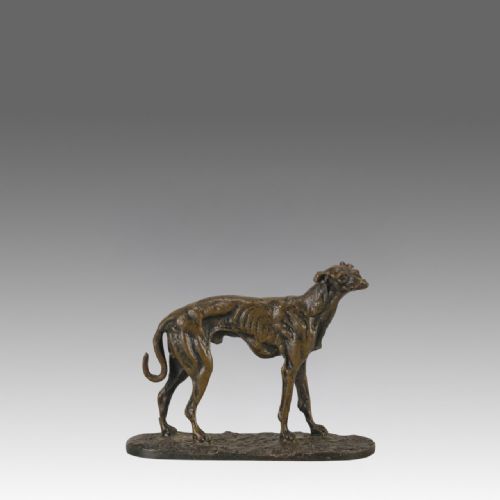
Makers focused heavily on specific canine traits, capturing sighthounds, gundogs, and bulldogs in moments of repose or action. Whether cast in metal or modelled in clay, each piece serves as a direct record of historical canine morphology and Victorian to Art Deco artistic styles.
Materials and methods of construction
Foundries utilised the lost-wax casting method for bronze subjects, allowing artists to render musculature, fur texture, and fine collars with precision. Patination was then applied by hand, ranging from deep brown tones to bright cold-painted polychrome finishes.
Ceramic and porcelain works relied on high-temperature firing of clay bodies like blanc de chine or terracotta, often finished with targeted glazes or hand-painted details. Spelter also appears as a cost-effective alternative metal medium during later decorative periods.
Listings feature 19th-century works alongside 1900s pieces, utilising materials from cold-painted bronze to terracotta and porcelain.
Separating the ordinary from the exceptional
Quality rests heavily on the crispness of the casting and the fidelity of the anatomical study. Master sculptors captured skeletal structure and movement accurately, whereas lesser workshops produced stiff, generalised forms with indistinct paws and muzzles.
The finish separates standard items from superior examples. Hand-applied cold painting that survives intact without chipping, or patination with subtle tonal variations, demonstrates greater initial skill and careful preservation.
Alfred Barye·Dora Heber·P J Mêne·Prosper Lecourtier·Antoine Louis Barye·Edith Parsons·Arthur Waagen·P.de Soete·Joseph Francois Victor Chemin·Franze Bergman·Louis Riche·C Masson·L.Bureau
The Antique Canine Sculpture Glossary
- Animalier
- A nineteenth-century artistic movement dedicated to the realistic portrayal of animals. Sculptors in this tradition focused on wildlife and domestic beasts with close anatomical observation.
- Cold-painted bronze
- A technique where bronze figures were painted with cold oil paints rather than fired in a kiln. This finish is characteristic of Austrian workshops and requires careful handling to prevent flaking.
- Patina
- The surface coloration and sheen developed on bronze either naturally through age or artificially through chemical application. A rich patina enhances the perceived depth of the metal fur and contours.
- Spelter
- A zinc alloy frequently used as a cheaper substitute for bronze in decorative figures. It is lighter than bronze and often painted to imitate genuine metal patination.
- Blanc de chine
- A white porcelain produced in China and later emulated by European factories such as Minton. It translates literally as white porcelain from China.
Antique Canine Sculpture: Frequently Asked Questions
What is an animalier bronze?
An animalier bronze is a nineteenth-century sculpture focused specifically on the realistic depiction of animals. These pieces range from wild predators to domestic dogs rendered with accurate anatomy.
Artists observed beasts in motion or repose, translating sinew and fur into metal through skilled foundry casting.
Were these sculptures used as functional items?
Many canine figures served a dual purpose in period homes rather than sitting purely as display objects. Makers incorporated dog sculptures into heavy bookends, inkwells, and car mascots.
Desk accessories featuring hounds or bullmastiffs allowed Victorian and Edwardian writers to combine utility with a love for animals.
What distinguishes spelter from bronze?
Spelter is a zinc-based alloy that served as an affordable alternative to bronze for decorative objects and sculptures. It feels lighter in the hand and has a softer composition.
Foundries often painted spelter figures to mimic the dark patination found on genuine bronze canine sculptures.
How are dog breeds represented across different periods?
Nineteenth-century pieces often focus on working dogs, hounds, and terriers modelled with dynamic musculature and naturalistic proportions. Victorian and Edwardian makers favoured sporting dogs and pugs.
Later Art Deco iterations simplified the lines of greyhounds and Alsatians, aligning with modernist aesthetic shifts in European design.