




Antique Cane Container
These antique cane container pieces are robust hall fittings designed to hold walking sticks and umbrellas, bringing practical organisation and period character to an entrance.
Antique Cane Container
When searching for an antique cane container, buyers encounter functional hallway pieces designed to hold umbrellas and walking sticks, appearing primarily as umbrella stands, stick stands, and baskets.
The selections available range widely across periods, including Victorian, Edwardian, and Art Deco eras, with styles spanning English Country, Aesthetic Movement, and Iznik Revival.
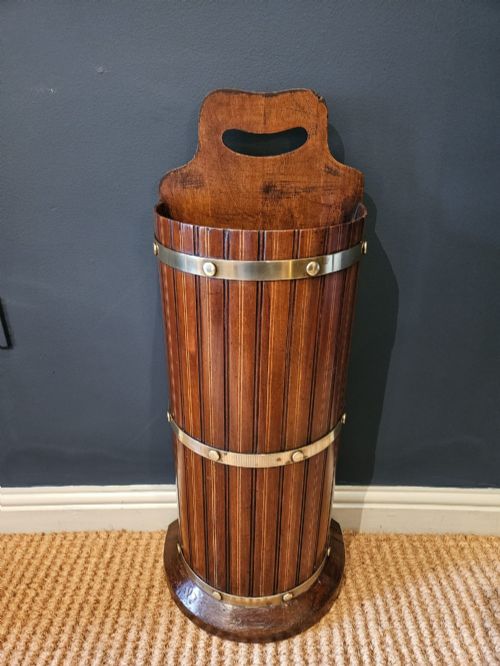
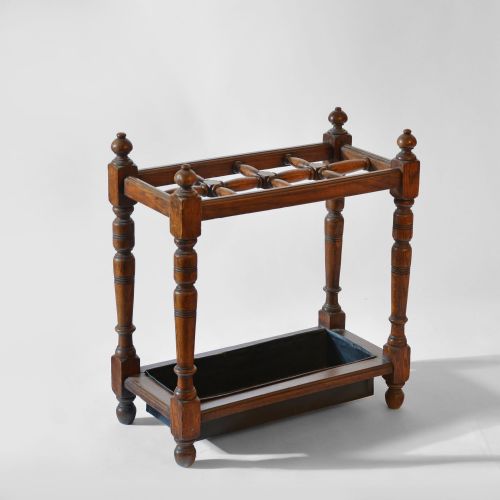
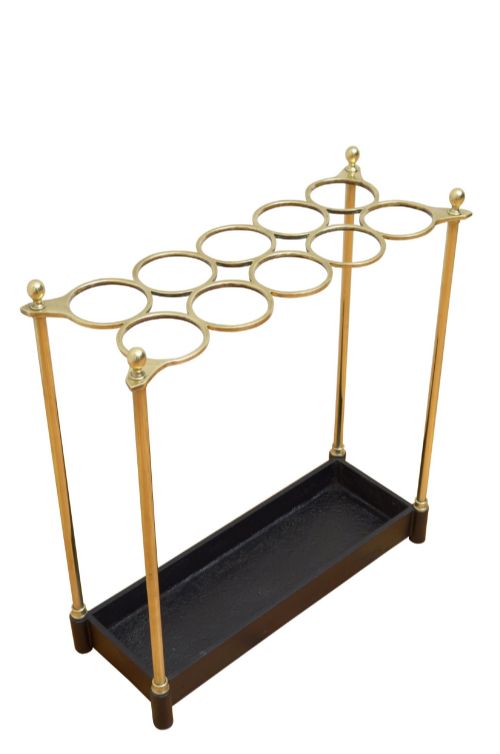
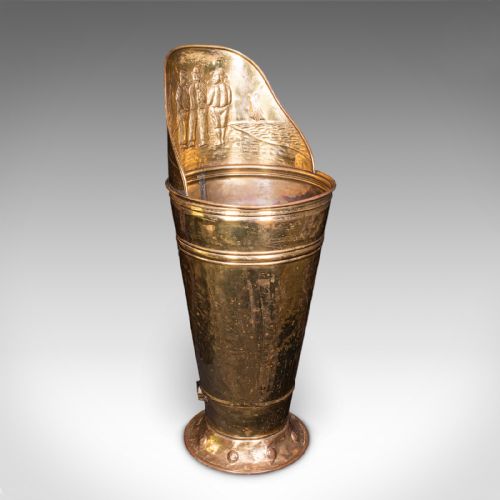
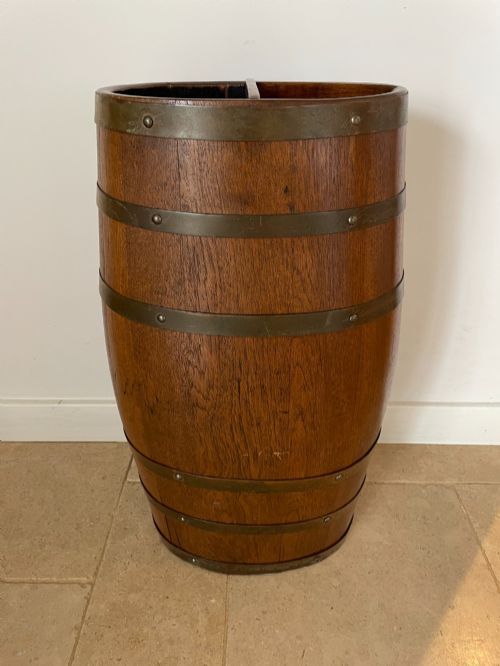
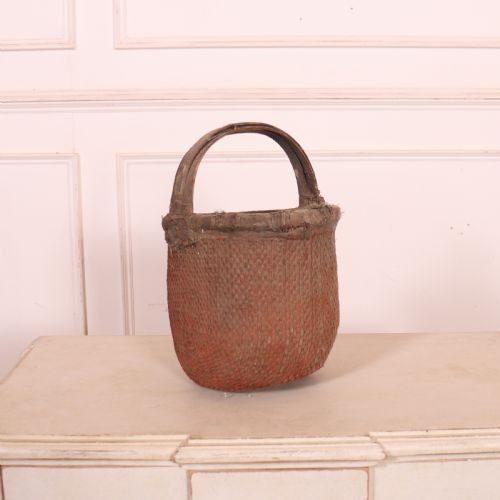
The forms vary from brass-bound wooden barrels and demi-lune designs to pierced metal cylinders and woven baskets, suiting diverse hallway layouts and interior schemes.
How they were made
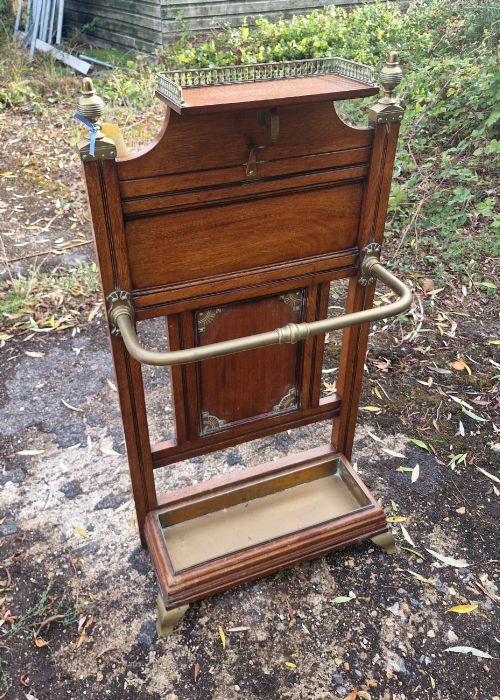
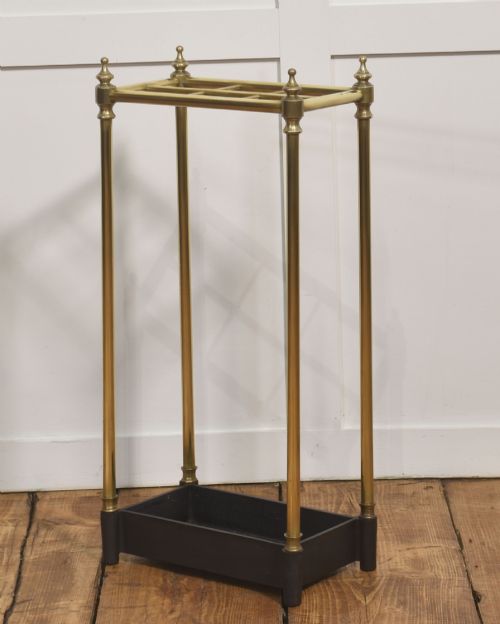
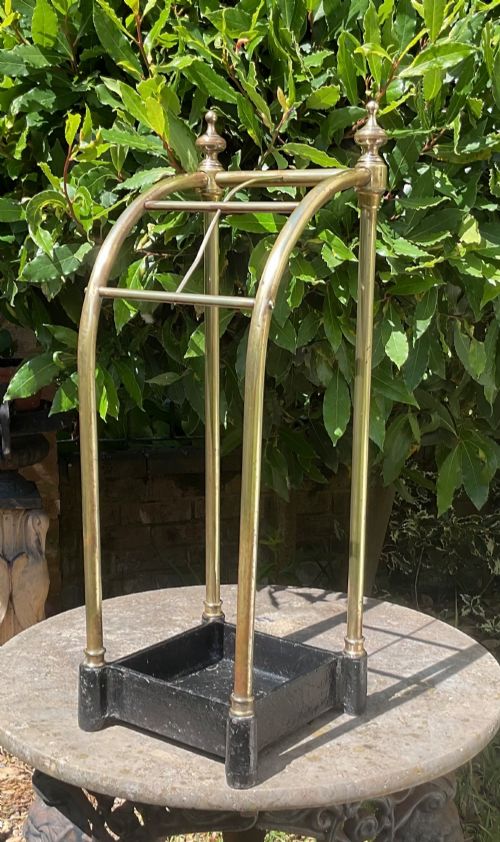
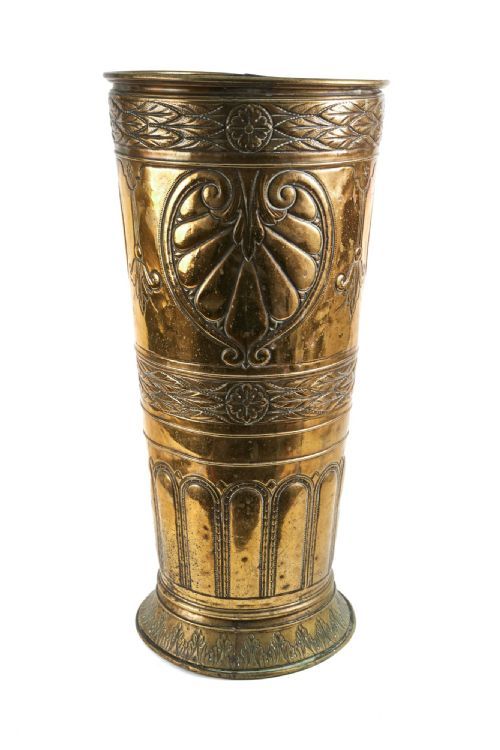
The construction relies heavily on durable metals like brass, copper, and cast iron, often shaped into pierced sheets, decorative cylinders, or fitted with ball finials.
Woodwork utilises oak and mahogany, frequently employing traditional coopered barrel construction with metal binding to ensure stability against damp umbrellas.
Listings feature materials spanning brass, oak, copper, cast iron, leather, and glazed ceramic across Victorian and Edwardian periods.
What varies in quality
Quality depends upon the integrity of construction, such as tight coopered staves in wooden barrels and substantial gauge metal in brass or copper stands.
The presence of decorative detailing, including barley twist supports, bergere panels, or distinct ceramic glazes, elevates certain examples above simpler utility items.
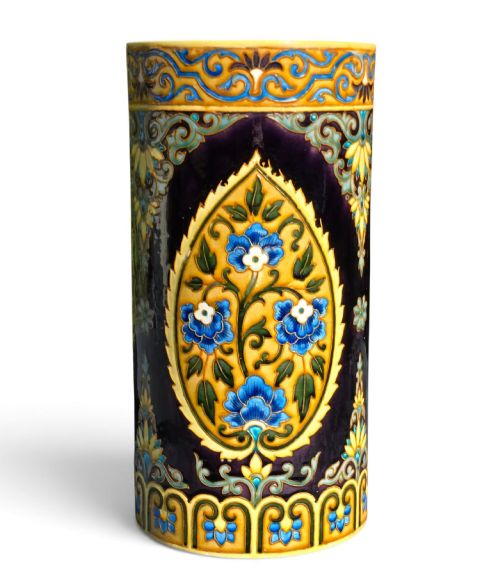
Théodore Deck
The Antique Cane Container Glossary
- Coopered
- Method of construction using narrow wooden staves bound together with metal hoops, typical of barrel-shaped stick stands. This technique provides structural strength for holding heavy items.
- Demi-lune
- A half-moon shape designed to sit flush against a hallway wall. This configuration saves valuable floor space in narrow entrances.
- Iznik Revival
- A style drawing inspiration from traditional Ottoman ceramics featuring vibrant decorative patterns. Examples demonstrate high artistic ambition in ceramic umbrella stands.
- Bergere
- A woven cane panel integrated into wooden furniture frames. It adds textural contrast and lightness to larger hall stands.
Antique Cane Container: Frequently Asked Questions
What is an antique cane container used for?
These vessels serve as designated holders for walking sticks, canes, and wet umbrellas in domestic hallways. They keep entryways tidy by containing drips and organising tall accessories.
Historically, they were essential furniture in grand country houses and urban homes alike, accommodating the daily outdoor gear of residents and guests.
How do I clean a brass stick stand?
Maintenance typically involves dusting and gentle cleaning with a soft cloth to preserve the metal surface. Harsh chemical polishes should be avoided to protect aged patination.
For copper and brass items, maintaining a dry environment prevents oxidation and preserves the historic finish achieved over decades of use.
Where should I place a hall stand?
These pieces fit naturally in entrance halls, porches, or boot rooms where wet weather accessories are gathered upon entry. Their vertical profiles make efficient use of narrow transitional spaces.
Positioning them away from direct heat sources protects wooden staves and coopered barrels from drying out and shrinking.
How do I distinguish Victorian from Edwardian stands?
Victorian examples frequently display heavier cast iron, ornate pierced brass, or dark mahogany and oak timbers with substantial decorative finials. They often favour formal, elaborate silhouettes.
Edwardian pieces tend to introduce lighter designs, such as demi-lune brass shapes and simpler woodwork, reflecting shifts towards airier interior styles.