



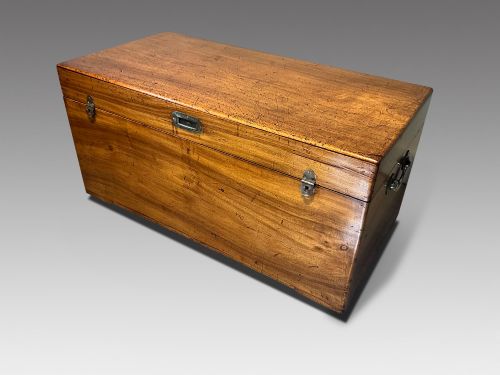


Antique Camphorwood Chest
An antique camphorwood chest brings the distinct aroma of the East and the rugged utility of the nineteenth century directly into a modern interior.
Antique Camphorwood Chest
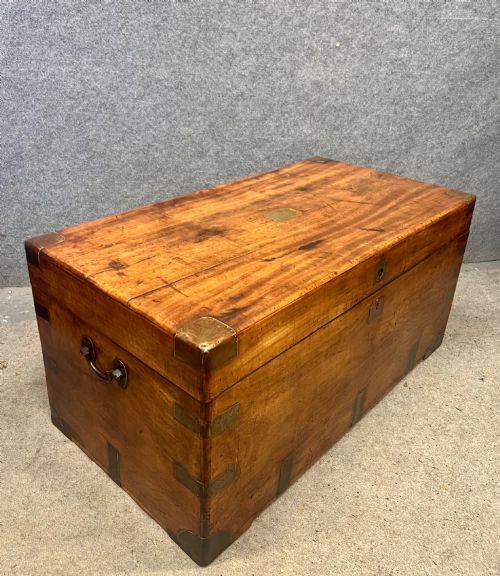
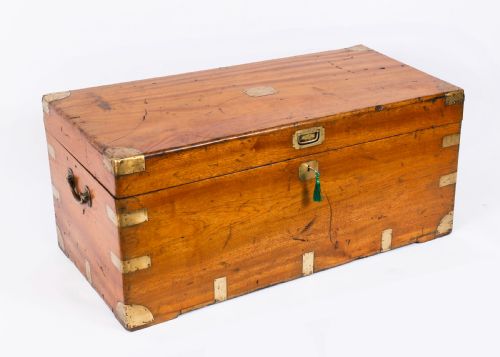
An antique camphorwood chest serves primarily as a robust storage box, blanket box or sea chest, shaped by travel and trade. Buyers searching for an antique camphorwood chest typically encounter nineteenth-century pieces, including Victorian military campaign trunks and Chinese export items.
The form ranges from simple plain trunks to sophisticated two-part secretaire chests of drawers fitted with brass hardware. Many examples reflect military service or maritime trade, designed to withstand long journeys while protecting contents from pests.
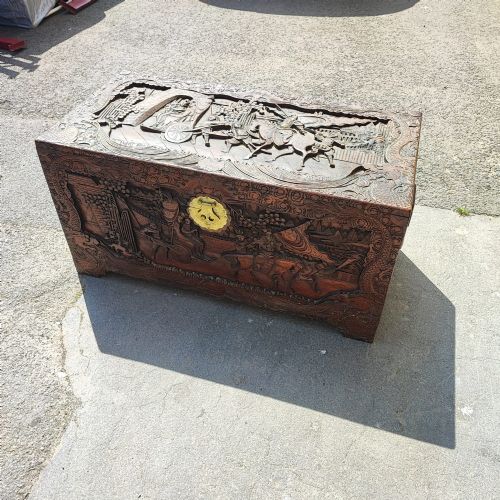
Origins span across English campaign pieces, Anglo-Indian workshops and traditional Chinese export production. These varied geographical roots mean buyers meet both utilitarian field furniture and deeply carved decorative trunks.
How they were made
Makers constructed these pieces using solid camphorwood, prized for its natural insect-repelling scent and resistance to humidity. Artisans frequently paired the timber with robust brass bindings, flush handles, iron reinforcements and corner brackets to endure rough transport.
Construction techniques often involved a two-section modular design for campaign chests, allowing officers to pack and move heavy drawers easily. Leather, rope and ebony accents appear alongside dovetailed joints and secure lock mechanisms.
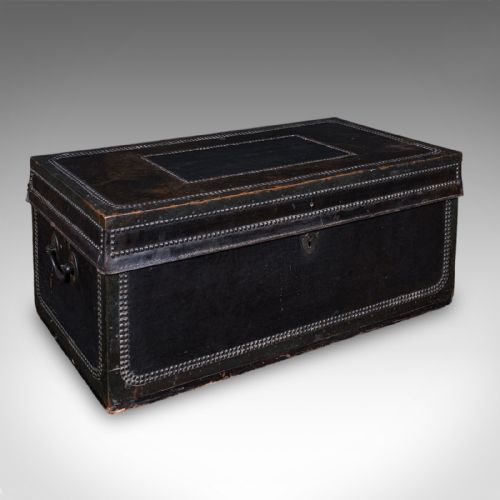
Listings demonstrate that camphorwood was frequently combined with brass, iron, leather and ebony across Victorian and Georgian periods.
What varies in quality
The distinction between ordinary utility boxes and superior examples rests upon the grain of the camphorwood and the crispness of the brass mounts. Finely figured timber and substantial, well-cast brass fittings elevate a piece significantly above plain, utilitarian trunks.
Construction integrity and structural complexity also define the upper tier. A multi-drawer secretaire chest with working brass locks and original recessed handles demonstrates a higher standard of craftsmanship than a basic blanket box.
The Antique Camphorwood Chest Glossary
- Campaign chest
- A modular chest of drawers built in two separate sections for easy transport by military officers on active service. These pieces usually feature recessed brass handles and corner brackets to prevent damage.
- Secretaire chest
- A cabinet form incorporating a fitted writing drawer with small compartments and a drop-front writing surface. It combines standard chest storage with a compact bureau.
- Chinese export
- Goods manufactured in China specifically for Western markets during the eighteenth and nineteenth centuries. These items often blend traditional Oriental carving techniques with European furniture forms.
- Sea chest
- A heavy wooden trunk utilised by sailors for storing personal belongings during long maritime voyages. They typically feature rope handles for secure handling on rolling ship decks.
Antique Camphorwood Chest: Frequently Asked Questions
What is an antique camphorwood chest?
An antique camphorwood chest is a storage trunk or chest of drawers made from aromatic camphor wood, primarily dating from the nineteenth century. These pieces were built for travel, trade and military use.
They combine practical utility with distinctive timber grain and natural insect-repelling properties, making them enduringly popular for modern home storage.
How do I care for camphorwood?
Caring for camphorwood requires keeping the timber away from direct heat sources and extreme humidity fluctuations to prevent splitting. Regular dusting with a dry cloth maintains the surface finish.
Avoid harsh chemical polishes that might damage the natural wood oils and diminish the characteristic scent of the timber.
Were these chests used by the military?
Many camphorwood trunks and chests were indeed built as military campaign furniture for British officers on colonial service. They were designed to dismantle or travel easily.
Their robust brass corners and recessed hardware protected the wood during rough transit across land and sea.