




Antique Calling Card Holder
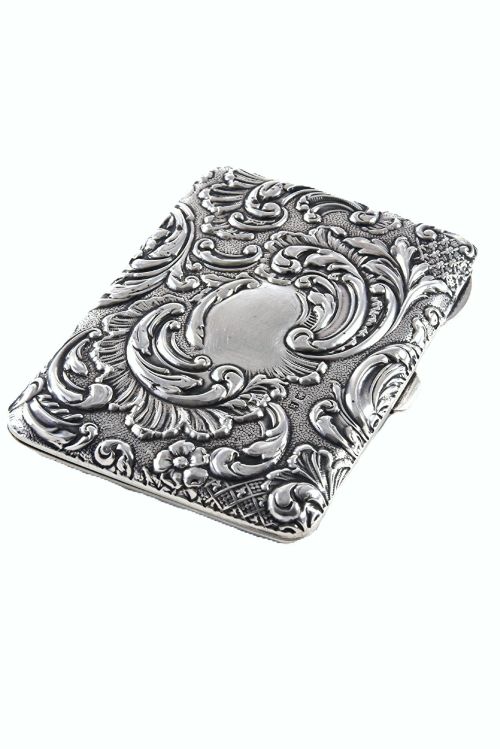
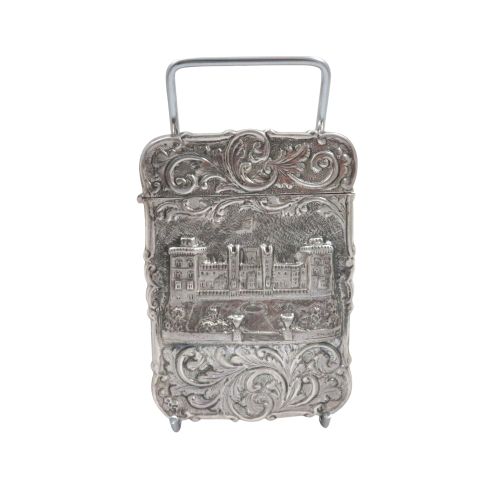
These antique calling card holders are sterling silver card cases from the nineteenth and early twentieth centuries that collectors prize for intricate repoussé decoration and castle top scenes.
What these antique calling card holders are
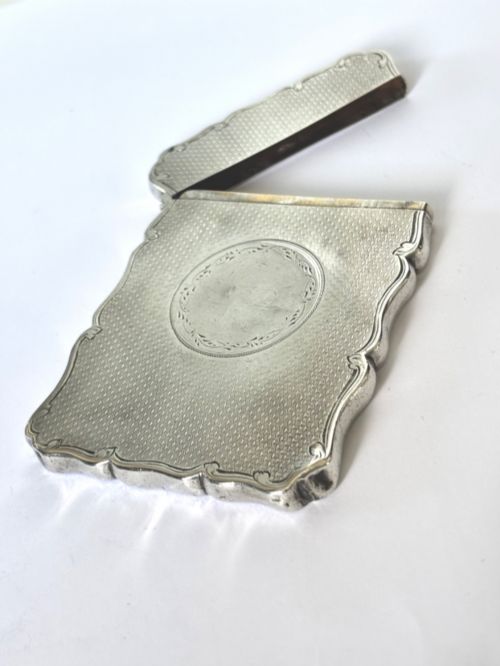
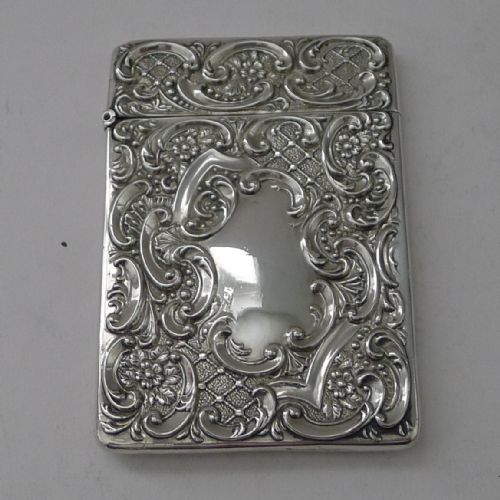
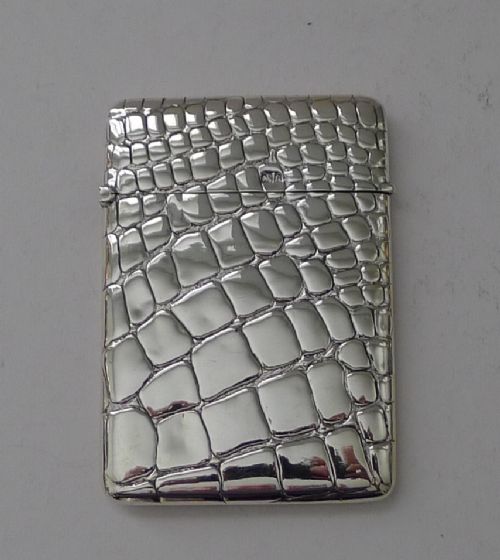
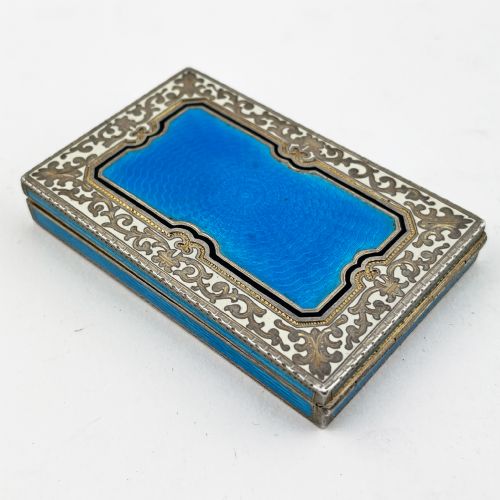
The examples found on this page span from the mid-nineteenth century through the Edwardian period. Buyers will encounter Victorian designs alongside pieces bearing Birmingham hallmarks from the nineteen hundreds.
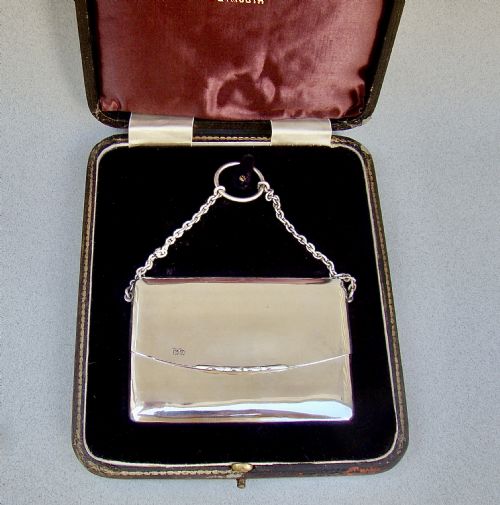
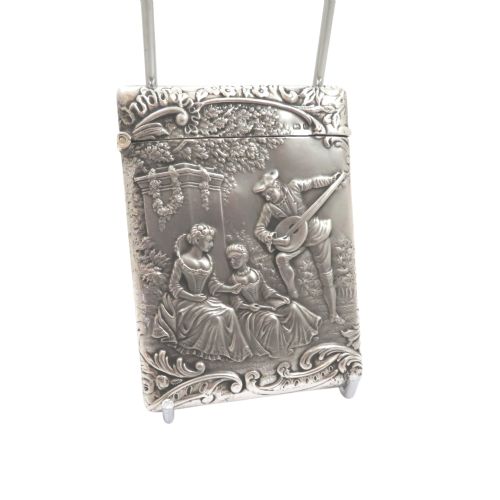
Forms range from flat card cases featuring pictorial motifs like musical scenes to rigid card boxes including castle top designs. Each specimen reflects the social conventions of its period regarding the exchange of calling cards.
How they were made
Makers constructed these card holders entirely from sterling silver using traditional metalworking techniques. Smiths shaped the sheet silver and integrated hinges to secure the lids tightly over the contents.
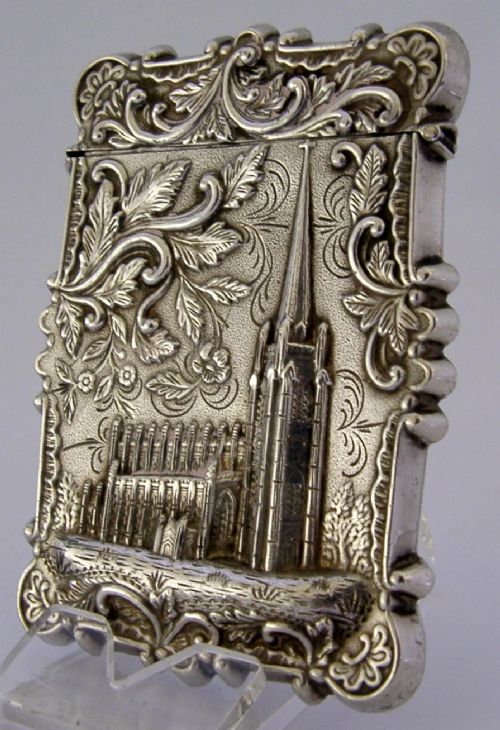
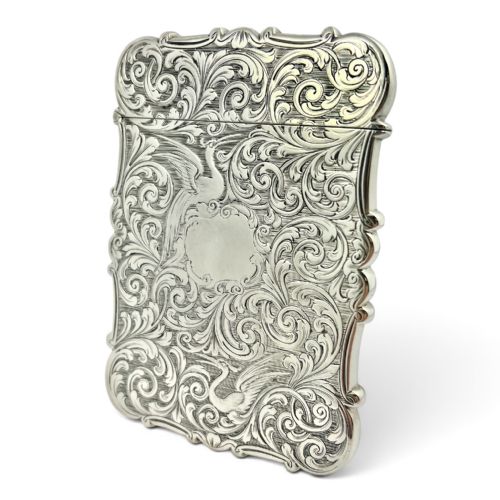
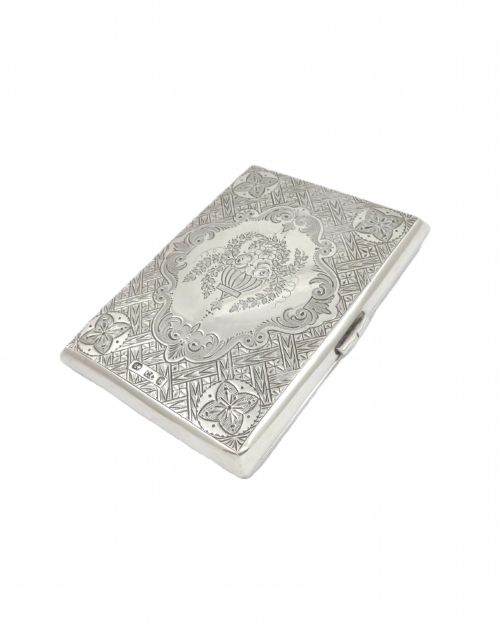
Surface ornament relied upon hand engraving, repoussé work and embossed panels to depict architectural subjects and figural scenes. These decorative methods created the high-relief castle top motifs and detailed vignettes characteristic of the era.
Retail Price Guide 2026
Typical UK retail prices for calling card holder, calculated from the Sellingantiques database of over a million retail prices indexed since 2003. This retail price guide relies exclusively on Sellingantiques data; no external sources or auction records are used, so the figures do not describe the wider market.
Card boxes small enough to slip into a waistcoat pocket carried the social currency of an entire empire in silver relief.
What varies in quality
Quality in these pieces rests upon the crispness of the chased or embossed detail and the structural integrity of the silver body. Superior examples display sharp architectural lines in castle top scenes and well-defined figural work without smoothing from wear.
The refinement of the engraving and the weight of the sterling silver distinguish finer specimens from standard production. Well-preserved hallmarks and tightly sealing lids further elevate the standing of a piece.
Foxall and Co
The Antique Calling Card Holder Glossary
- Castle top
- A style of metalwork featuring a high-relief depiction of a famous building or landmark on the lid. This motif is particularly sought after by collectors of nineteenth-century silver.
- Hallmark
- An official stamp applied to precious metals indicating the assay office, standard of purity and date letter. British silver typically carries a series of marks to verify its origin.
- Repoussé
- A metalworking technique where the artisan hammers the silver from the reverse side to form a raised design in relief. Chasing tools are then used from the front to refine the details.
- Sterling silver
- An alloy consisting of ninety-two point five percent silver and seven point five percent other metals, usually copper. This standard has long been used for British tableware and pocket accessories.
Frequently Asked Questions
How do I date an antique card case?
Dating these pieces relies primarily upon the hallmarks stamped into the silver, which include specific date letters for the year of assay. Examining the style of decoration, such as Victorian scrollwork or Edwardian motifs, also helps narrow the period.
Makers' marks and town marks provide further evidence regarding the origin and exact year of manufacture.
What are castle top card cases?
Castle top card cases are silver holders featuring a detailed, raised representation of a specific British building or historic house on the lid. These particular pieces were often bought as souvenirs or upscale gifts.
Common subjects include well-known abbeys, castles and stately homes rendered in high relief through repoussé work.
How should I care for silver card holders?
Silver card holders require gentle cleaning with a soft cloth to remove dust and tarnish without abrading the delicate engraved details. Avoid harsh chemical dips that can strip the natural patina accumulated over the centuries.
Store them in a dry environment away from direct sunlight to preserve the finish of the sterling silver.