





Antique Calling Card Box
An antique calling card box or case is a pocket or desk piece for holding visiting cards, most often found in sterling silver, tortoiseshell, or mother of pearl.
Antique Calling Card Box
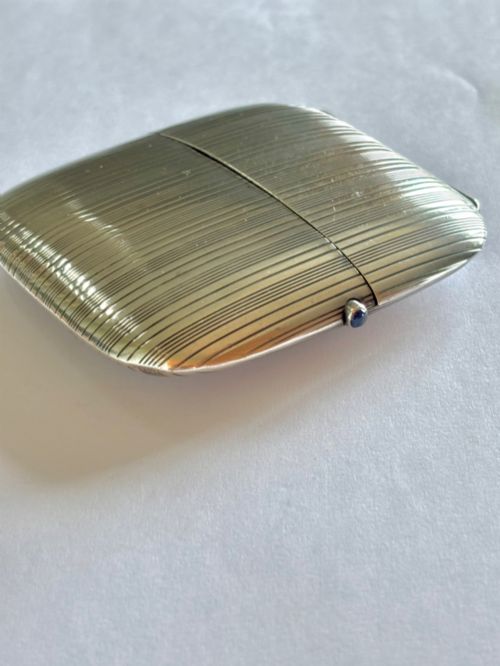
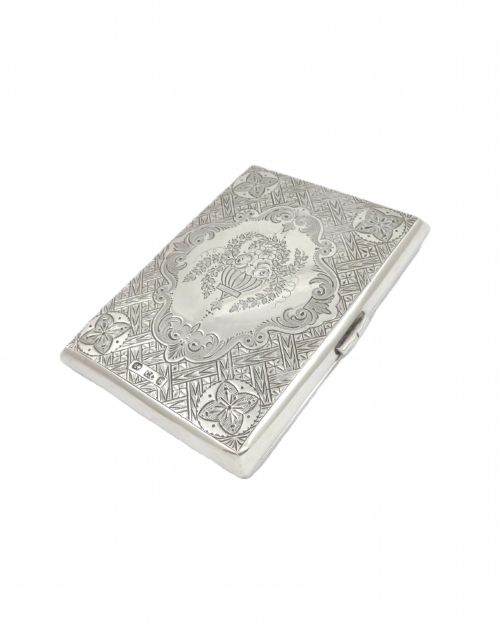
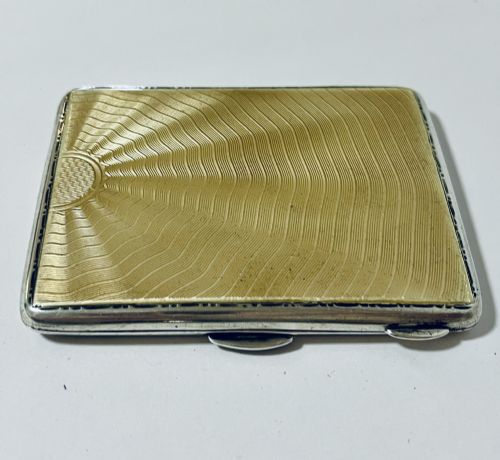
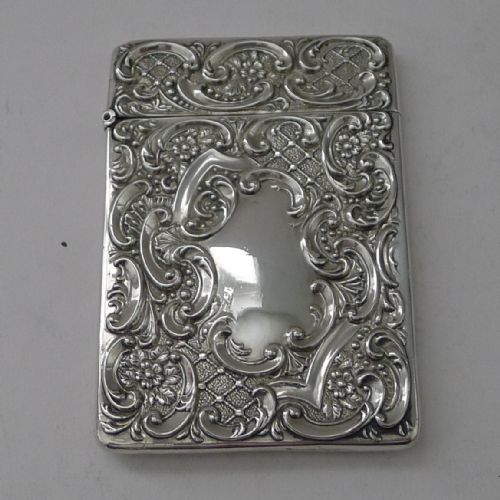
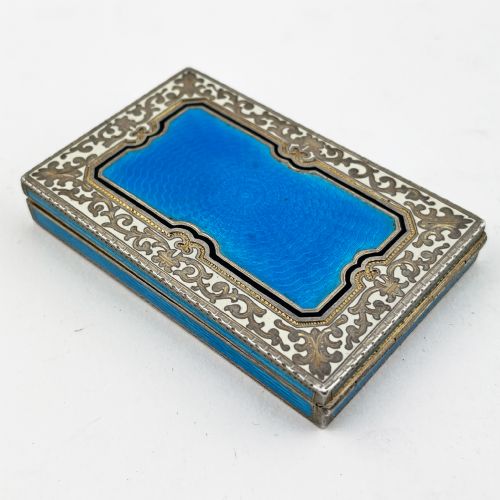
An antique calling card box or case serves as a container for visiting cards, reflecting social standing during the Victorian and Edwardian periods. Collectors encounter flat pocket cases in silver and hinged boxes in materials such as tortoiseshell or carved wood.
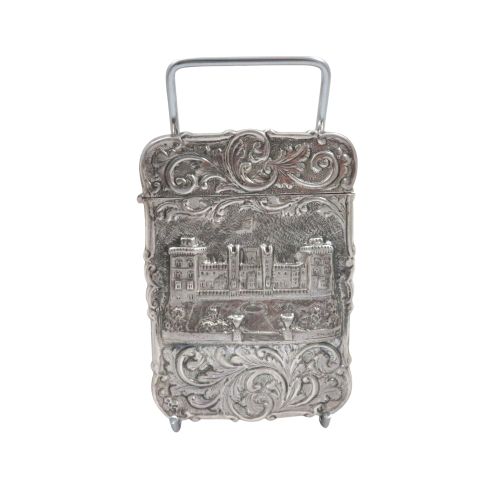
The selection ranges from mid-nineteenth century silver pieces bearing castle top engravings to Edwardian examples and later Art Deco designs. Buyers frequently find sterling silver and silver gilt forms alongside items featuring enamel or bone detailing.
Markers of Quality
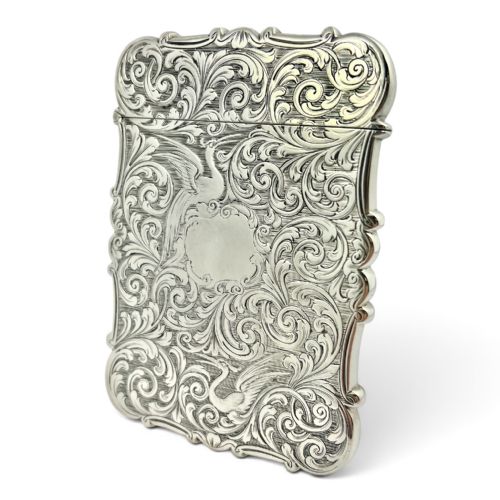
Depth of decoration and crispness of detail separate standard items from superior works, particularly in engraved silver and carved organic materials. Castle top pieces by renowned makers display sharp architectural rendering rather than softened relief.
The weight of the metal, the integrity of hinges and clasps, and the preservation of delicate enamel or mother of pearl inlays dictate desirability. Pieces retaining clear hallmarks and undamaged decorative surfaces represent the upper tier.
Card cases occasionally doubled as aide memoires, holding tiny pencils for forgetting husbands.
Nathaniel Mills·George Unite·Foxall and Co
The Antique Calling Card Box Glossary
- Castle top
- A term for a silver card case or box featuring a detailed architectural relief of a famous building on the lid. These are highly sought after by collectors.
- Sterling silver
- A silver alloy containing 92.5 percent pure silver and 7.5 percent other metals, usually copper. This standard appears frequently in British items.
- Silver gilt
- Sterling silver that has been coated with a thin layer of gold on the interior or exterior surfaces. This finish adds a warm tone to cigarette and card cases.
- Repoussé
- A metalworking technique where the artisan hammers the metal from the reverse side to form a raised design in relief. Indian silver examples utilise this method extensively.
- Aide memoire
- A small notebook or memorandum tablet often combined with a card case. These incorporate pocket pages for recording engagements.
Antique Calling Card Box: Frequently Asked Questions
How were calling card cases used?
These cases protected delicate paper visiting cards from bending or soiling while being transported in pockets or reticules. When calling upon a household, the owner would present a card from the case to a servant.
The cases ensured cards remained pristine until the social obligation of leaving one at a residence was fulfilled.
What are castle top card cases?
Castle top card cases feature a chased or engraved depiction of a notable landmark, such as Windsor Castle or St Paul's Cathedral, on the cover. Silversmiths produced these specific designs during the Victorian era.
They represent some of the most intricate and collected examples of nineteenth century silverwork.
How do I date a silver card case?
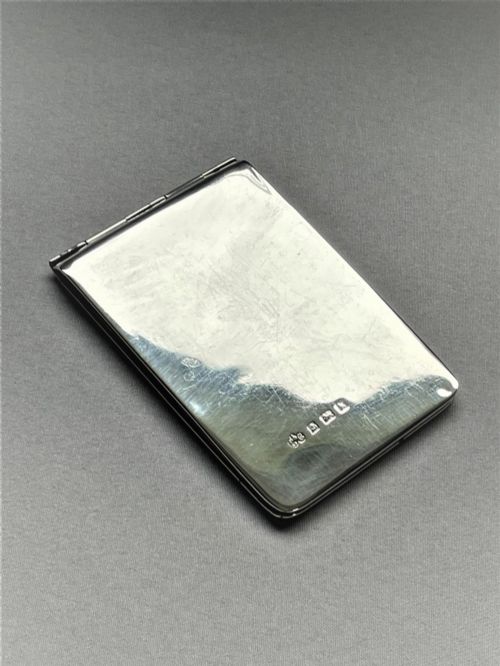
Dating a silver card case involves examining the hallmarks stamped into the metal, which indicate the assay office, the standard of silver, and the year of manufacture. Stylistic indicators, such as Edwardian restraint or Art Deco geometry, also point to specific decades.
Maker marks provide further clues when linked to historical silversmith records.