


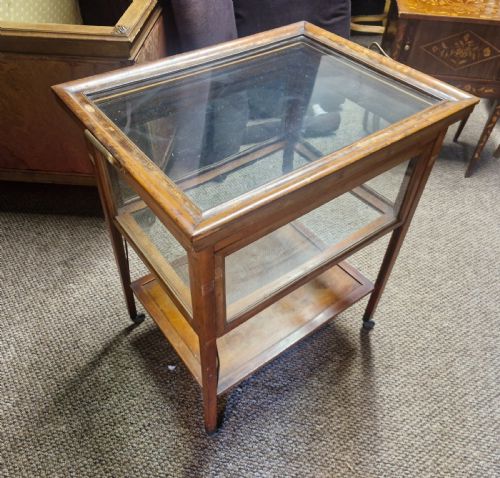


Antique Cake Display Table
These antique cake display table pieces bring tiered elegance to tea service, offering charming surfaces for entertaining and display.
Antique Cake Display Table
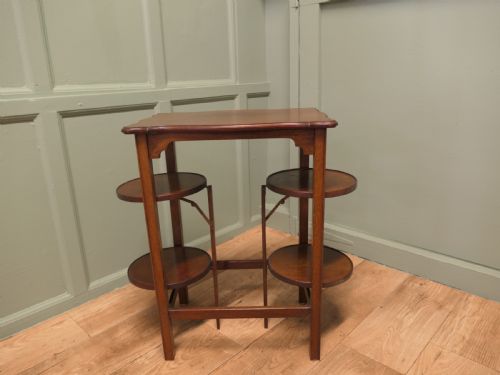
An antique cake display table spans multi-tiered stands, folding tea trolleys, and occasional tables designed for serving baked goods or displaying confectioneries. These pieces emerge from Georgian, Victorian, and Edwardian periods, reflecting changing domestic habits around hospitality.
Buyers encounter forms ranging from revolving dumb waiters and tripod pedestals to oak gateau centrepieces with mirrored bases and walnut stands with beadwork. Most examples utilise mahogany, walnut, or oak, often incorporating multiple tiers for practical service.
Origins stretch across English workshops and continental makers, uniting utilitarian service with refined period style. The selection includes occasional tables, etageres, and specialised cake stands suited to modern display needs.
Materials and construction
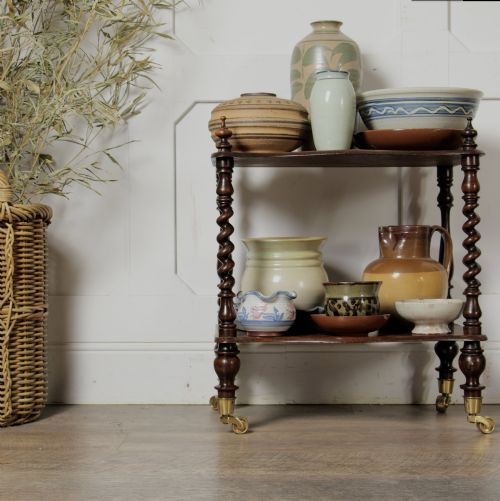
Makers shaped these stands from dense hardwoods like mahogany, walnut, and oak, selecting timber for strength and grain pattern. Turned supports, barley twist columns, and inlaid veneers demonstrate period cabinet-making techniques.
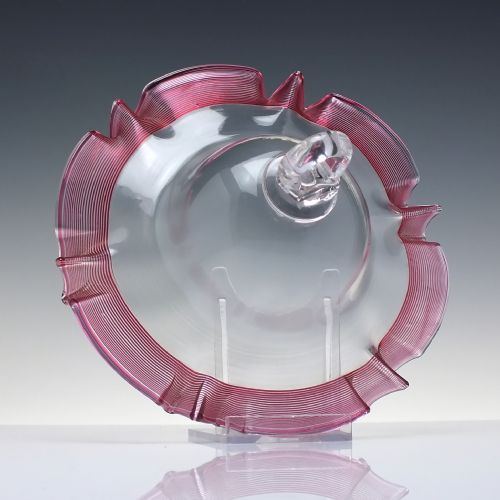
Functional hardware such as brass handles, castors, and mirrored plateau centres add utility to folding tea trolleys and tiered etageres. Glass domes and cranberry glass platters complement the wooden frameworks, introducing contrasting textures.
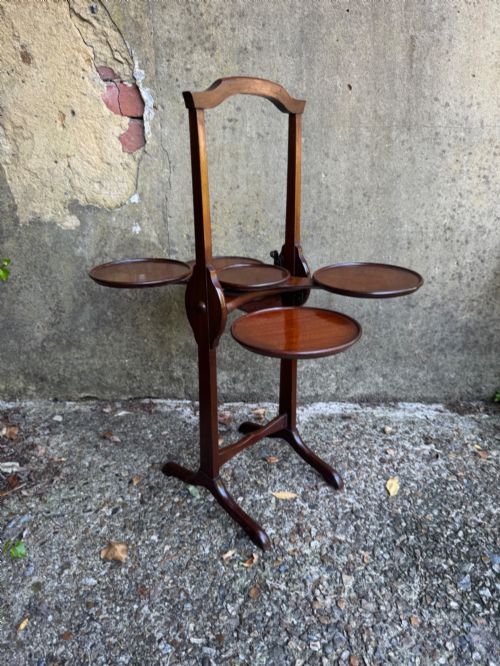
Surface treatments range from polished timber finishes to later hand-painted decoration and beadwork platters. Folding mechanisms and drop-side hinges utilise traditional joinery to allow compact storage.
Listings feature mahogany, walnut, and oak alongside brass, glass, and painted wooden finishes across Victorian and Edwardian periods.
Evaluating quality and craftsmanship
Superior examples display precise timber selection, balanced proportions across multiple tiers, and robust structural joinery that supports weight without wobble. Finer pieces incorporate delicate string inlay, barley twist turnings, or high-grade brass mountings.
The integration of functional elements, such as smooth drop-side action on tea trolleys or well-fitted glass display domes, distinguishes master-made items from simpler utility pieces. Secondary woods, clever conversion work, and the crispness of carved details reveal the workshop standard behind each piece.
William Hutton & Sons·Elkington
The Antique Cake Display Table Glossary
- Dumb waiter
- A tiered stand or revolving piece used for serving food and cakes without domestic staff present. These multi-level tables kept tea fancies within reach during dining and parlour gatherings.
- Etagere
- A set of open shelves or tiers designed for displaying small objects, tableware, or pastries. The stepped levels maximise display space while maintaining a light profile.
- Barley twist
- A type of turned column resembling a twisted rope, popular in Victorian furniture design. This decorative woodwork adds texture to the upright supports of stands and tables.
- Plateau
- A mirrored tray or mirrored centrepiece used on tables to reflect light and display glass or silver items. They sit centrally to elevate cakes and dessert courses.
- Drop side
- A hinged table leaf that lowers to save space or rises to expand the surface area. This mechanism appears frequently on tea trolleys and folding cake stands.
Antique Cake Display Table: Frequently Asked Questions
How do I use an antique cake stand today?
These tiered stands serve well for afternoon tea, holding pastries, cakes, or small plates during gatherings.
They also function as display surfaces for plants, ceramics, or decorative objects in living spaces.
Are these tables sturdy enough for daily use?
Most pieces are built from solid hardwoods like mahogany and oak, designed to bear the weight of tableware and cakes.
Regular checks on joints and castors ensure stability during movement and serving.
How do I distinguish Victorian from Edwardian stands?
Victorian pieces often feature darker timbers, heavier turned supports, and elaborate decorative elements like beadwork or mirrored centres.
Edwardian examples lean towards lighter mahogany with delicate inlay work and functional folding mechanisms for tea trolleys.
Can I fold and store a tea trolley safely?
Trolleys with drop sides or folding frames operate on traditional hinges that allow compact storage when not in use.
Careful handling of the wooden joints and brass fittings preserves the folding mechanism over time.