
Antique Cabinet
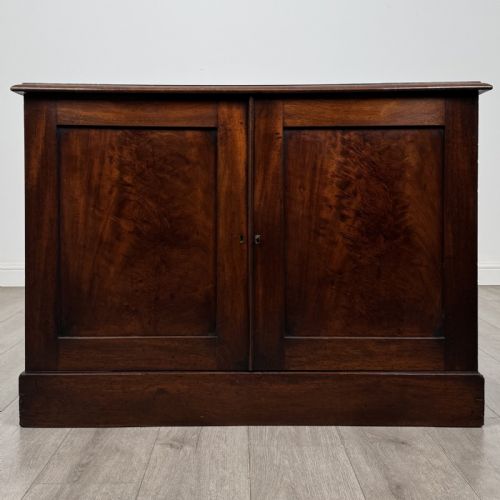
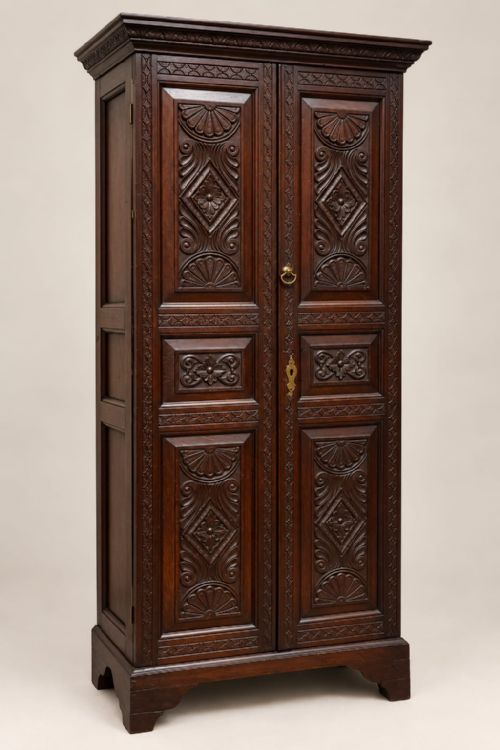
An antique cabinet provides sturdy storage and timeless presence, spanning humble oak cupboards to refined mahogany bookcases.
Antique Cabinet
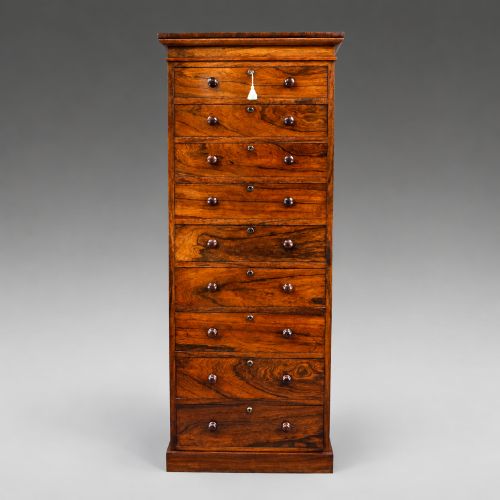
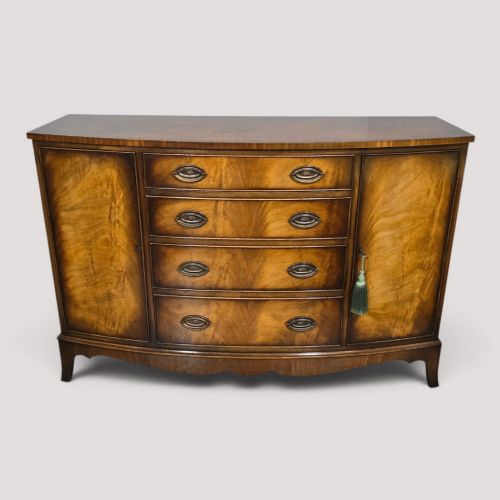
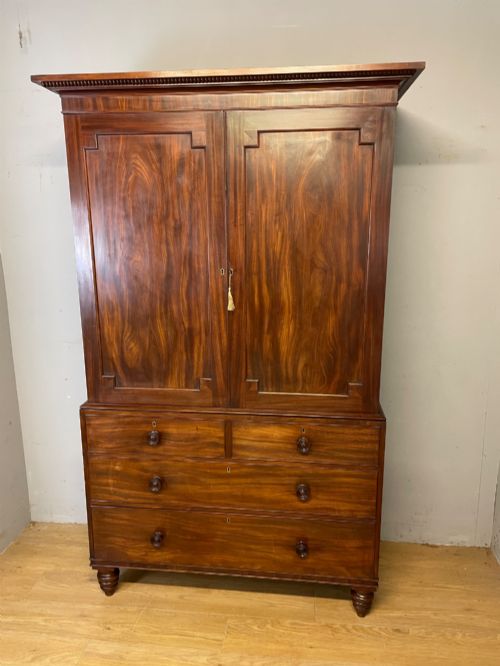
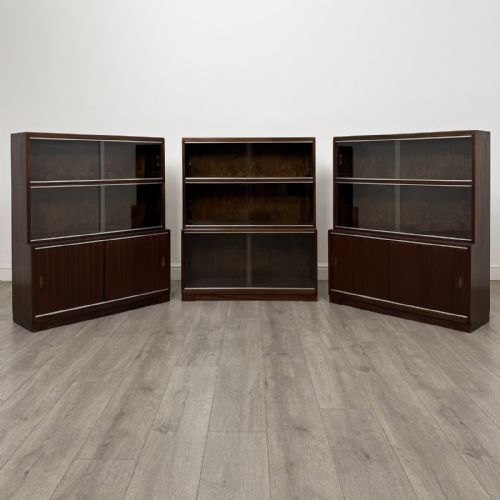
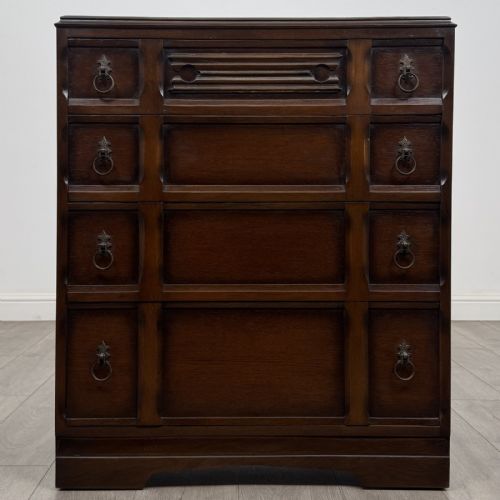
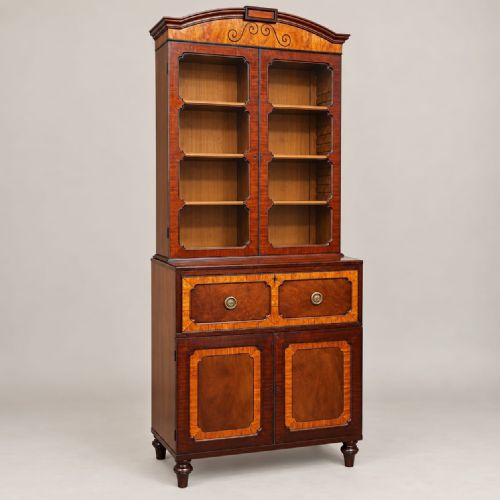
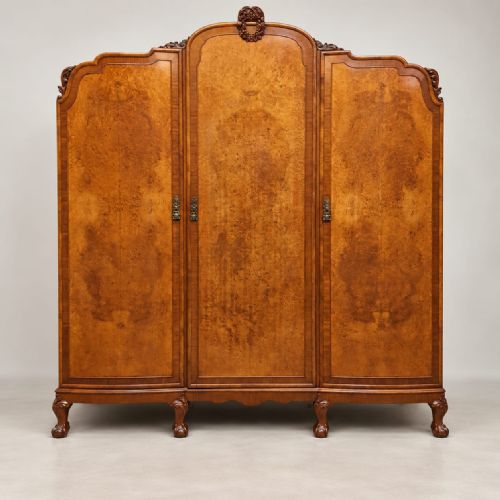
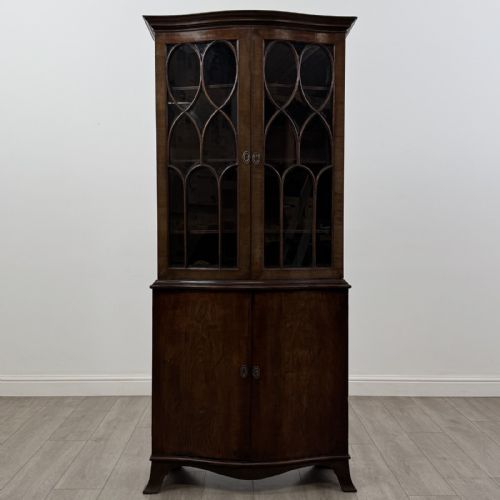
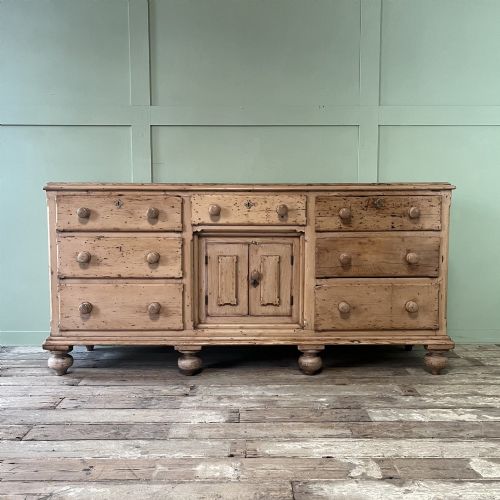
The term antique cabinet encompasses a broad variety of storage furniture, ranging from small side cabinets and bedside units to large bookcases, wardrobes, and chests of drawers.
Buyers on this page most frequently encounter pieces spanning the Georgian, Victorian, and Edwardian periods, alongside early twentieth-century examples.
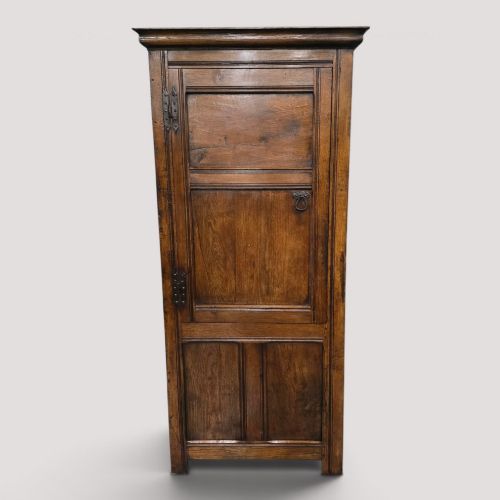
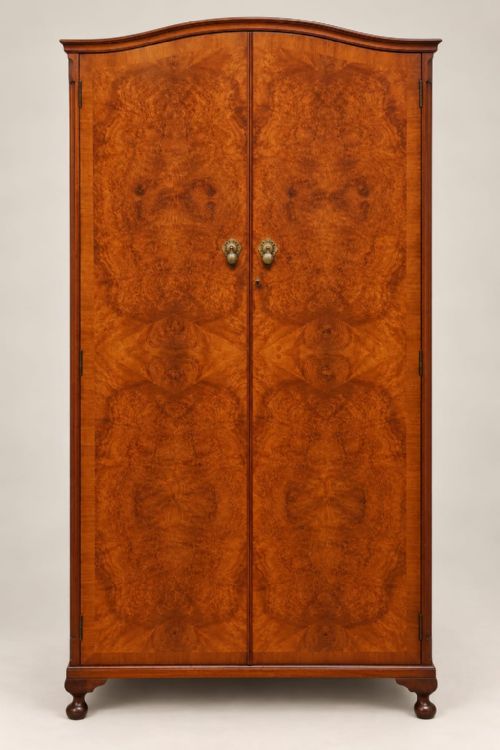
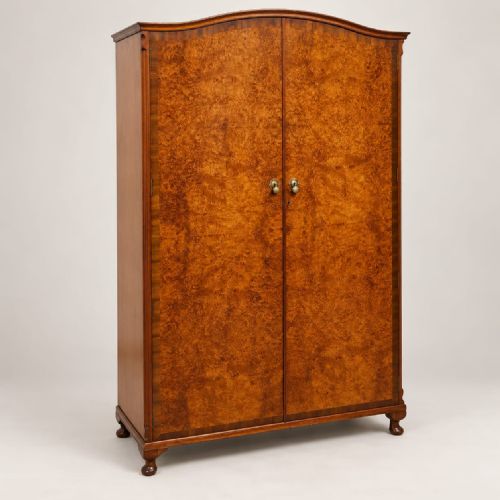
Forms vary from practical pine sideboards and oak food cupboards to elegant mahogany display cabinets and burr walnut wardrobes.
Materials and Construction
Construction relies heavily on traditional timber framing, utilising durable hardwoods and softwoods such as oak, mahogany, walnut, burr walnut, and pine.
Decorative elements often incorporate brass hardware, glass glazing, satinwood inlays, and marble tops to enhance the visual appeal of the piece.
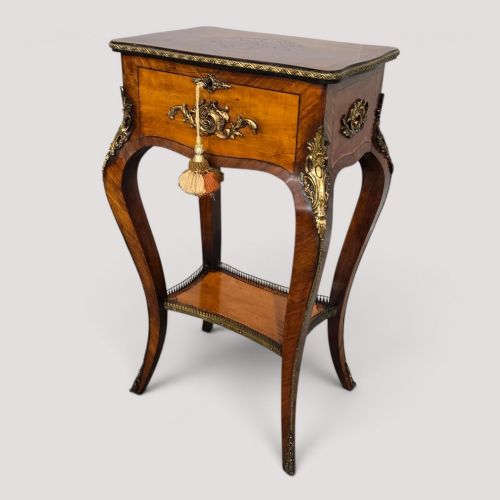
A French freestanding jewellery box waits quietly among the large oak cupboards and heavy architectural plan chests.
Assessing Quality
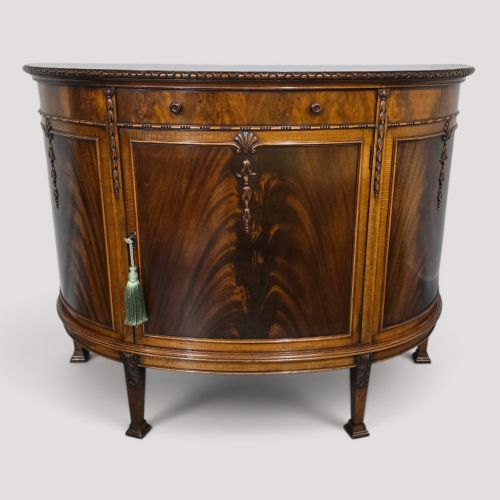
Quality rests upon the selection of timber figure, such as flame mahogany or burr walnut, and the precision of joinery and inlaid details.
E Gomme
The Antique Cabinet Glossary
- Secretaire
- A cabinet or desk featuring a pull-down writing drawer that conceals smaller compartments and pigeonholes inside.
- Astragal glazing
- Wooden or metal bars that divide glass panes within a cabinet or bookcase door into smaller geometrical sections.
- Linen press
- A tall storage piece traditionally used for linens, combining sliding trays or shelves enclosed by doors above a set of drawers.
- Demi lune
- A half-moon or semicircular shape commonly found in the design of side tables and sideboards.
- Marquetry
- Decorative veneer work arranged in intricate patterns or pictures using various coloured woods.
Antique Cabinet: Frequently Asked Questions
What is an antique cabinet used for?
These pieces served diverse household storage needs, from displaying books and porcelain to housing clothing, cutlery, and linens.
Today, they adapt easily to modern rooms as focal storage points that bring character and history into a domestic setting.
How do I date an antique cabinet?
Dating relies on observing the timber species, construction methods, and stylistic details typical of periods like the Georgian era or the Edwardian years.
Secondary woods, handle types, and fixing methods provide further physical clues to when the piece was constructed.
Where should I place a cabinet at home?
Smaller bedside cabinets and side cabinets fit well in hallways or bedrooms, while larger bookcases and wardrobes anchor living rooms and dining spaces.
Positioning them away from direct heat sources protects the timber and keeps the finish stable over time.
How do I care for wooden cabinets?
Maintenance involves dusting with a soft cloth and occasionally feeding the timber with appropriate wax to preserve the polished surface.
Keeping indoor humidity stable prevents the wood from drying out or the joints from shifting.