
Antique Cabinet Cupboard Drawers
These antique cabinet cupboard drawers combine enclosed storage and drawer space across periods from Georgian to Art Deco.
Antique Cabinet Cupboard Drawers
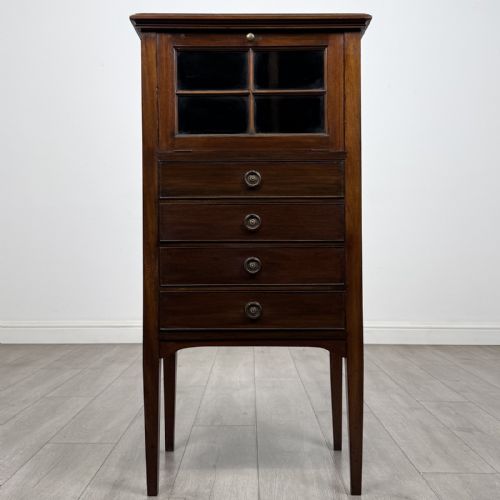
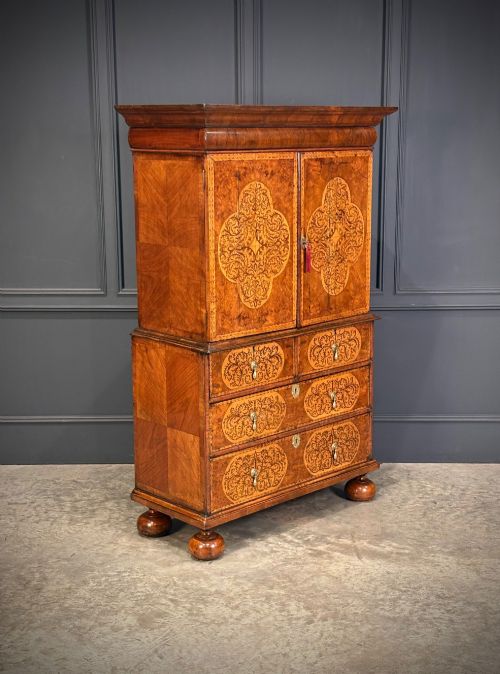
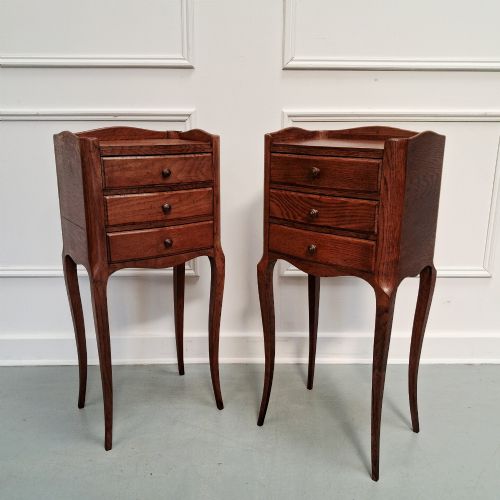
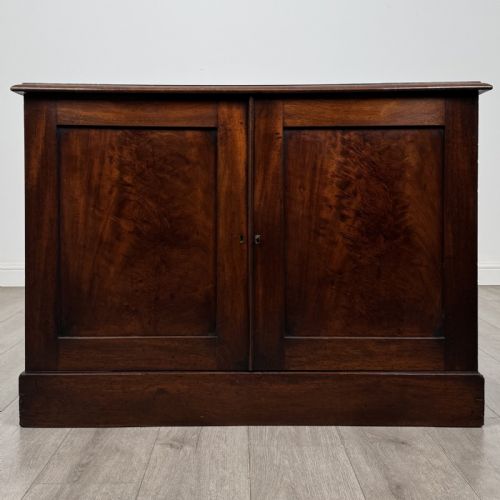
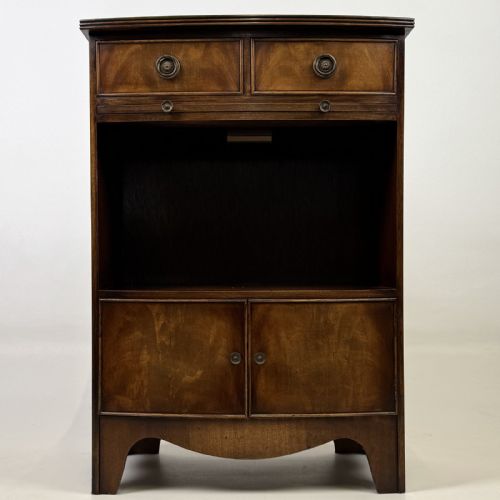
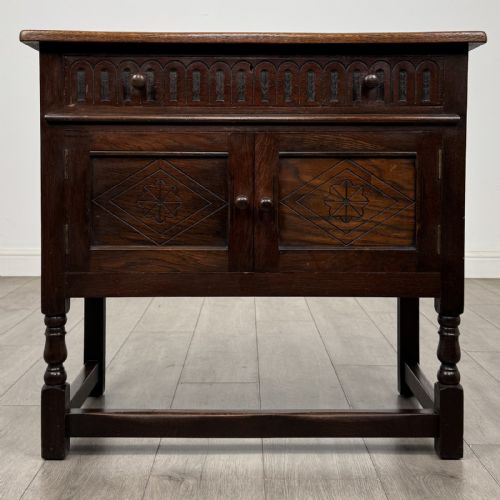
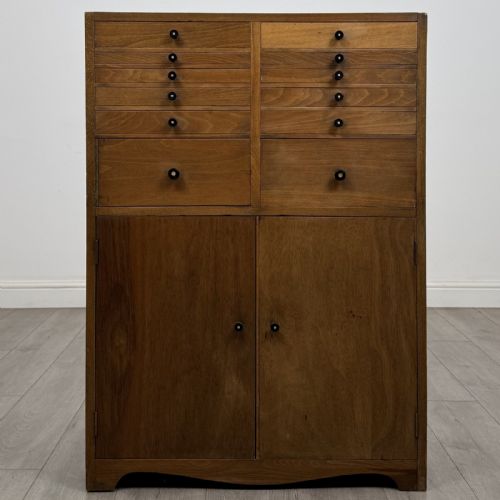
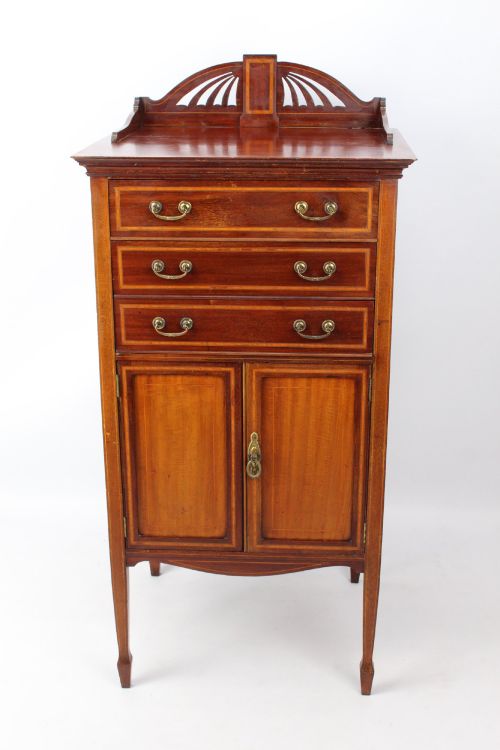
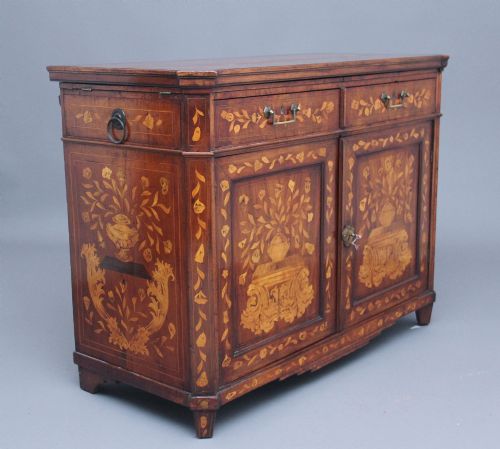
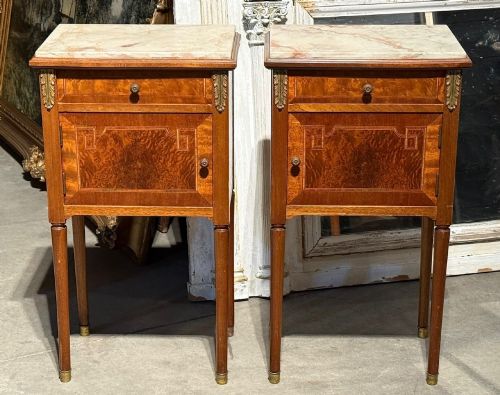
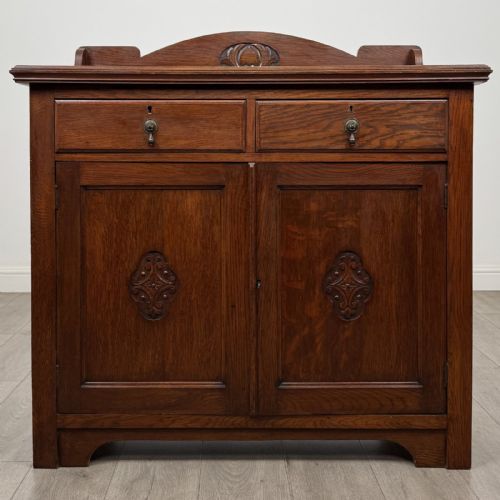
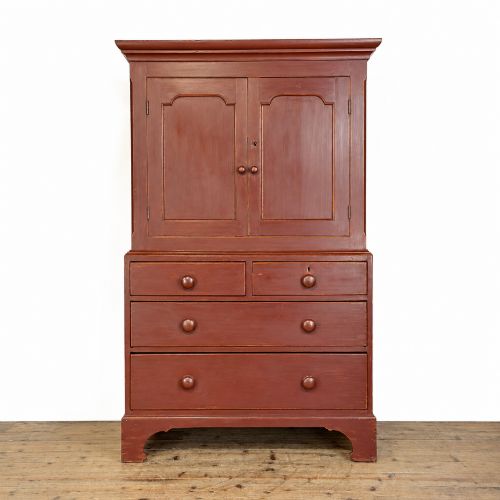
When searching for antique cabinet cupboard drawers, buyers encounter a diverse mix of forms designed for domestic storage. Pieces range from bedside tables and tallboys to large linen presses, sideboards, and multi-drawer banks.
The selection frequently includes Victorian and Edwardian examples alongside Georgian and later pieces. Oak, mahogany, and pine dominate the domestic pieces, often incorporating both door enclosures and functional drawer compartments.
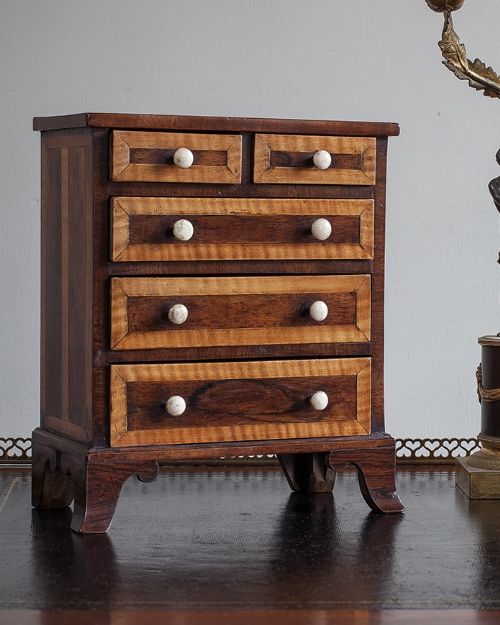
Formats vary significantly, from miniature apprentice chests and bedside nightstands to fifteen-door lockers and gentleman's wardrobes. Each piece reflects the specific storage requirements of its original domestic or commercial setting.
Materials and construction methods
Construction relies heavily on traditional timber selection, primarily utilising mahogany, oak, and pine alongside decorative veneers like burr walnut and satinwood. Brass hardware and iron details provide functional and structural support across the periods.
Joinery techniques span carved oak framing, panelled doors, and dovetailed drawer construction. Surfaces are finished with period treatments ranging from natural waxing to painted finishes and marble tops.
Materials across the listings span mahogany, oak, pine, ash, satinwood, burr walnut, brass, iron, and glass.
Assessing quality in storage furniture
Quality separates through the selection of timber figures, such as flame mahogany or burr walnut, and the precision of the cabinetmaker's joinery. Superior examples maintain crisp carving details and original brass fittings.
The integrity of the internal drawer construction and the smoothness of operation distinguish finer workshop production from standard utilitarian pieces. Original surfaces and minimal structural alteration preserve the integrity of the piece.
maples & co·Warings Liverpool·Luxmore's of Ilfracombe
The Antique Cabinet Cupboard Drawers Glossary
- Linen Press
- A tall piece of furniture featuring upper cupboard doors enclosing sliding trays, positioned above a base of lower drawers. It was traditionally used for storing pressed linen and garments.
- Tallboy
- A tall upright chest of drawers, often constructed with a smaller chest sitting directly upon a larger chest or base cabinet. This form maximises vertical storage space in bedrooms.
- Apprentice Piece
- A small-scale model or miniature item of furniture created by a craftsman to demonstrate skill and secure trade qualification. These pieces exhibit the same joinery techniques as full-sized items.
- Pot Cupboard
- A small bedside cabinet or nightstand originally designed to enclose a chamber pot. They frequently combine a single door with an internal shelf and a small drawer.
- Bombé
- A swelling, convex furniture shape characteristic of certain Continental designs. This curved profile requires advanced woodworking skill to shape timber panels successfully.
Antique Cabinet Cupboard Drawers: Frequently Asked Questions
What is a linen press?
A linen press is a tall storage piece combining upper cupboard doors with lower drawers. It was designed to store folded linens and garments before modern wardrobes became common.
Inside the upper section, sliding trays or shelves hold textiles flat. The lower drawers provide supplementary space for smaller items.
How do I date an oak cupboard?
Dating oak furniture involves examining the construction methods, joinery, and hardware. Early pieces often feature hand-carved details and pegged joints.
Later Victorian and Edwardian revivals employ machine-sawn timber and different fastening methods. Comparing the drawer linings and backboards helps confirm the period.
Where were bedside cupboards used?
Bedside cupboards served domestic bedrooms as nightstands and pot cupboards. They kept personal items and chamber pots enclosed out of sight.
Over time, their usage shifted to holding lamps and nighttime necessities. Many survive today as pairs flanking double beds.