



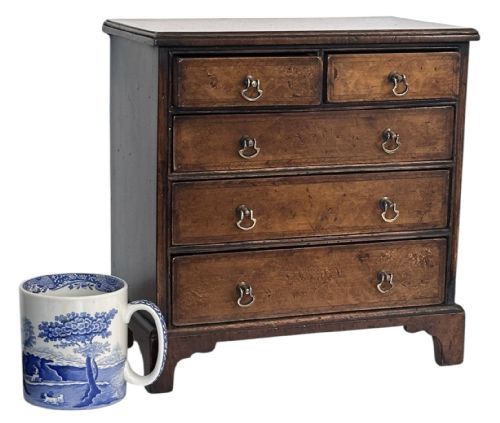
Georgian Collectors Cabinet Mahogany
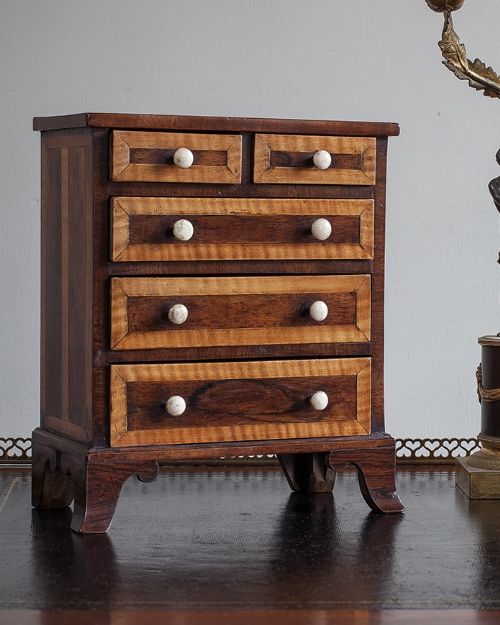
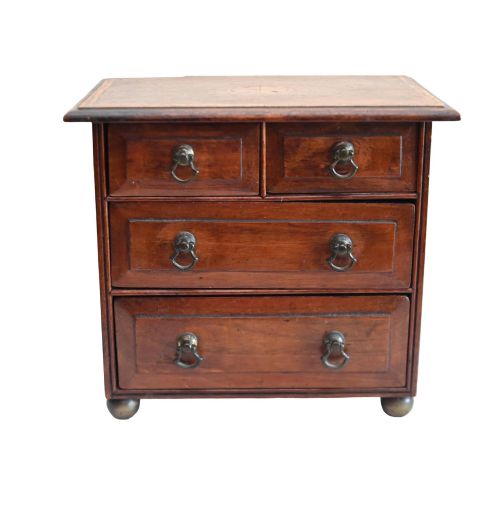
These georgian collectors cabinet mahogany pieces are compact repositories built to organise small specimens, prized for their dense timber and disciplined rows of internal drawers.
Georgian Collectors Cabinet Mahogany
A georgian collectors cabinet mahogany search reveals case furniture designed for the systematic storage of natural history specimens, coins, or small curiosities. The pieces span periods from the eighteenth century through to later revival styles, appearing as table-top boxes, chests on stands, or miniature chests of drawers.
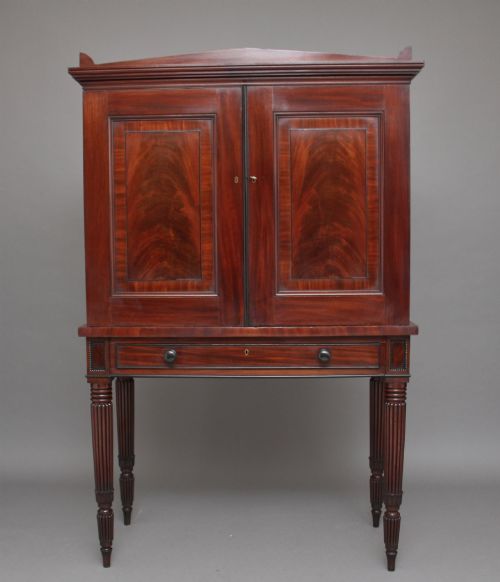
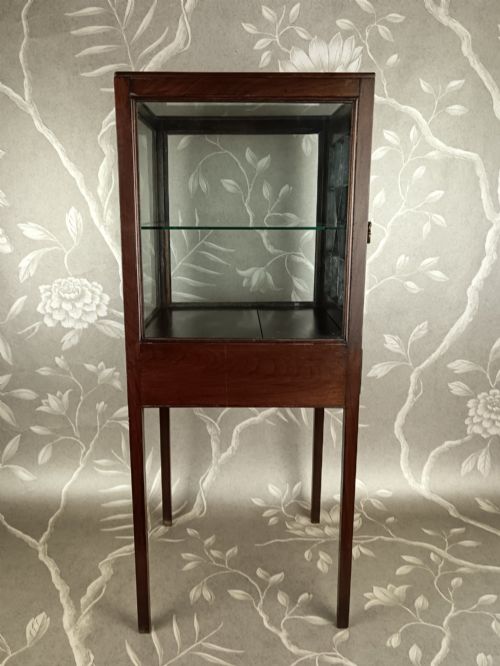
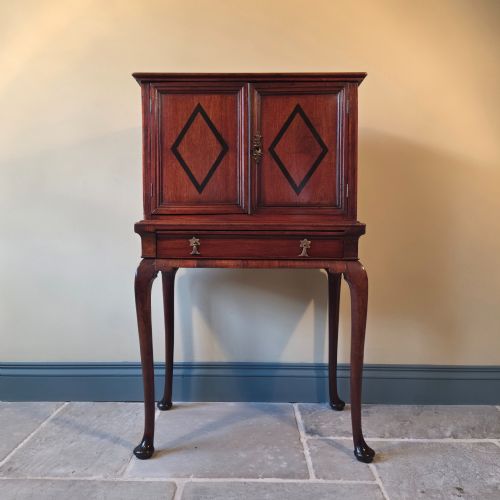
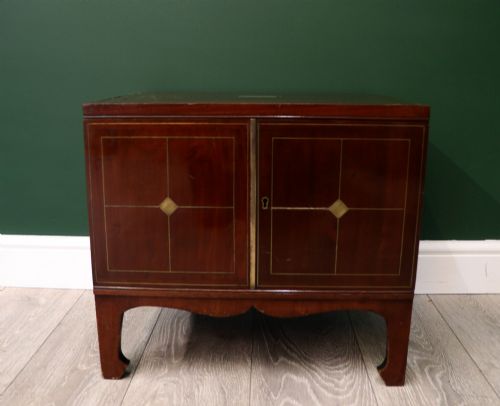
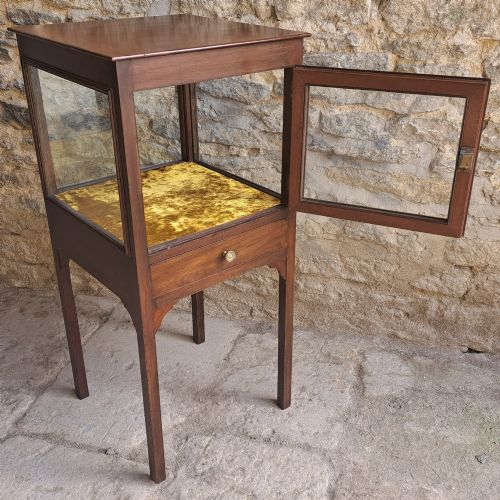
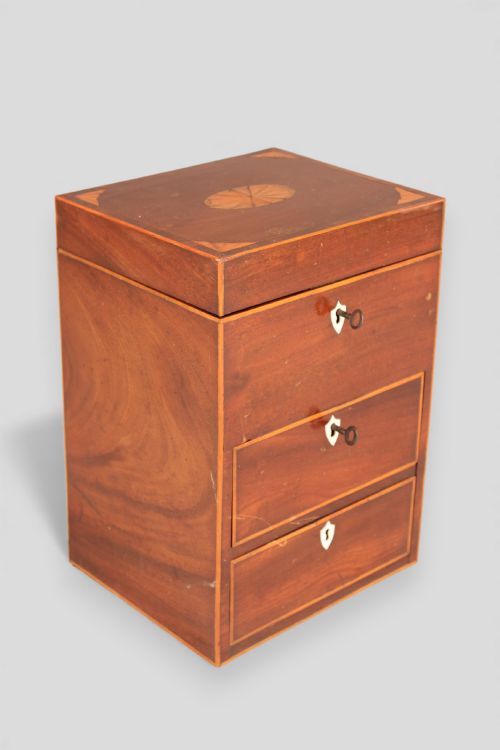
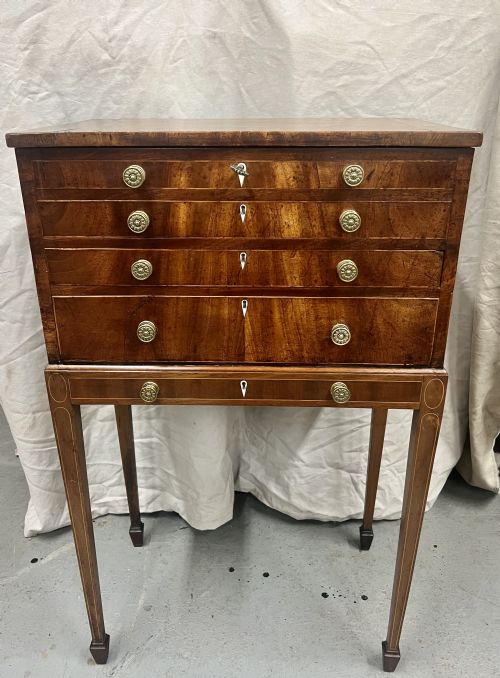
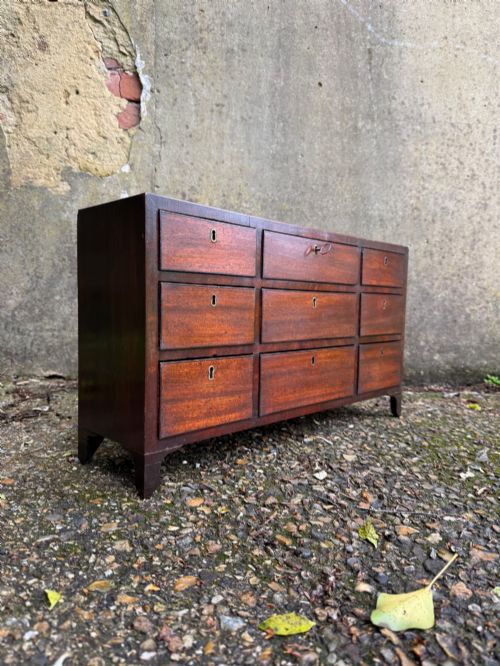
The versions most commonly met on this page include compact table-top examples and cabinet-on-stand forms constructed from dense tropical timbers. These range from plain functional banks of small drawers to glazed display vitrines and fitted estate cabinets with numerous internal compartments.
Makers often adapted traditional cabinet-making scales to create diminutive furniture, including miniature bureau bookcases and multi-drawer folio cabinets. The overriding characteristic remains the presence of numerous small drawers designed to house orderly collections away from dust and light.
Materials and Construction
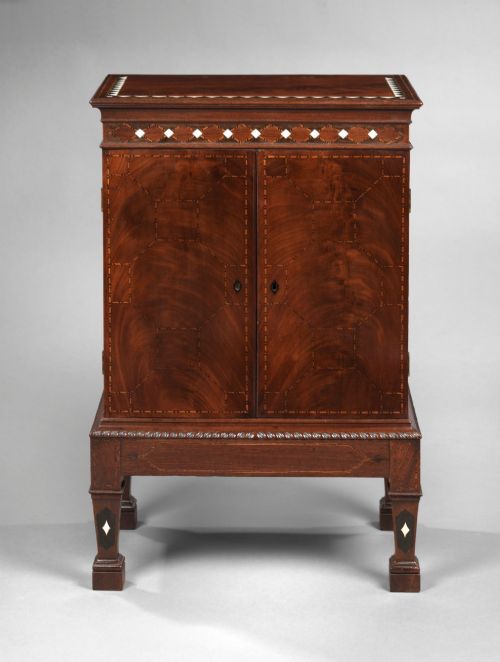
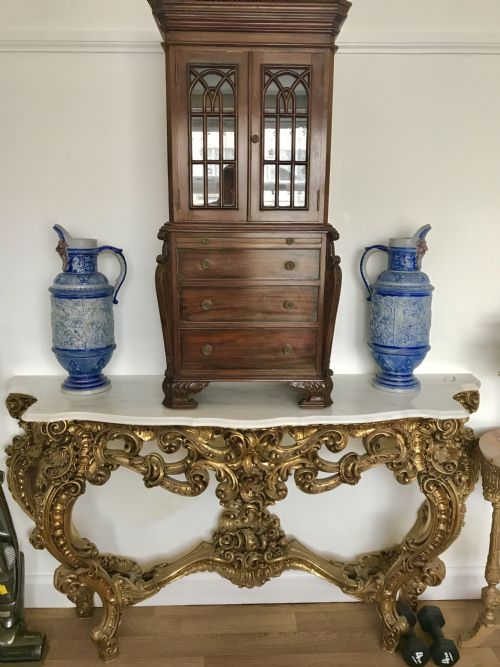
Inlay work utilises contrasting timbers such as ebony or lighter veneers to accent drawer fronts and door panels, reflecting cabinet-making practices of the Georgian and Regency periods. Glazed doors incorporate timber glazing bars to protect displayed contents whilst maintaining visibility.
Internal elements frequently display fine joinery, including hand-cut dovetails on drawer boxes and specialised partitions tailored for botanical, entomological, or numismatic storage. French polishing and wax finishes seal the timber surfaces while preserving the natural grain.
Craftsmanship and Proportion
The distinction between standard utility storage and superior cabinet-making rests upon the precision of the internal drawer construction and the selection of timber figures. Fine examples exhibit tightly fitted drawer tolerances, uniform grain matching across multiple drawer fronts, and original brass hardware.
Structural integrity of the stands, plinths, and door hinges dictates the longevity of these heavy, dense wooden pieces. Cabinets retaining original glass, internal partitions, and undisturbed patination command greater interest than those altered or stripped of their original fitted interiors.
Charles William Schofield·Gillows·William John Burchall·J.C. Dale
The Georgian Collectors Cabinet Mahogany Glossary
- Vitrine
- A glass-fronted cabinet designed for the display of curiosities or fine objects. These cases protect contents whilst allowing all-round visibility.
- Bijouterie cabinet
- A shallow display case, often table-mounted, originally intended for jewellery and small ornaments. They frequently incorporate glazed tops and velvet-lined interiors.
- Folio cabinet
- A tall or flat storage unit designed specifically to hold large paper sheets, prints, or maps in horizontal slides. They utilise wide, shallow drawers for flat storage.
- Campaign style
- Furniture constructed for portability, typically featuring recessed brass handles and reinforced corners. These pieces were built to withstand travel without sustaining structural damage.
- Apprentice piece
- A small-scale model demonstrating a woodworker's mastery of specific joints and proportions before admission to a guild. They replicate full-sized furniture at a reduced scale.
Georgian Collectors Cabinet Mahogany: Frequently Asked Questions
What were collectors cabinets used for?
These cabinets housed classified collections of natural history specimens, coins, medals, or small antiquities. Scholars and gentlemen used the numerous small drawers to organise delicate items systematically.
The internal divisions protected fragile objects from handling and environmental damage. Many units served specific scientific or estate management functions.
Where should I place one at home?
Table-top versions sit securely on sturdy sideboards, desks, or dedicated table stands away from direct sunlight. Taller floor-standing units require stable flooring and minimal humidity fluctuations to protect the timber.
Keep them positioned to allow easy opening of multiple small drawers without obstruction. Adequate clearance ensures safe access to the contents.
Can I store modern collections inside?
The original drawer layouts accommodate small contemporary items, from fountain pens to geological specimens. Felt or acid-free paper linings can protect delicate modern pieces from bare timber contact.
Care should be taken not to overload shallow drawers originally built for lighter papers or insects. Proper weight distribution preserves the antique runners and internal framing.