





Antique Bust on Pedestal
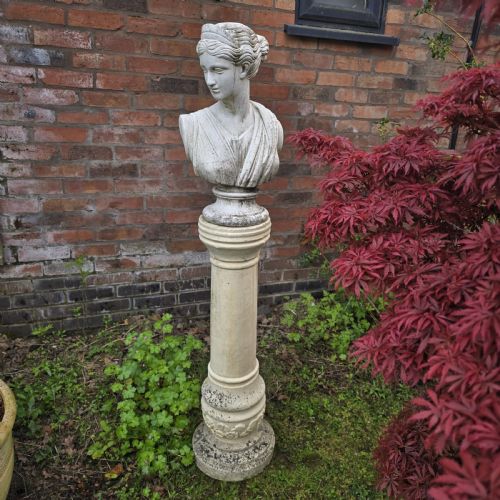
An antique bust on pedestal brings classical proportion and sculpted presence into a room, pairing a carved portrait with its own supporting column.
Antique Bust on Pedestal
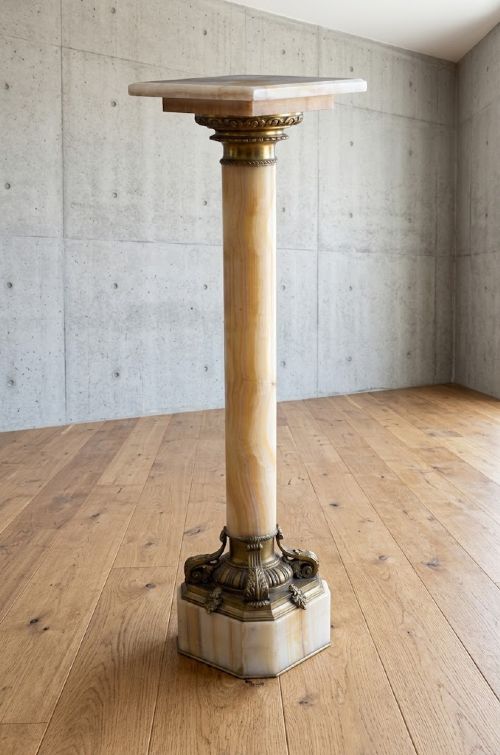
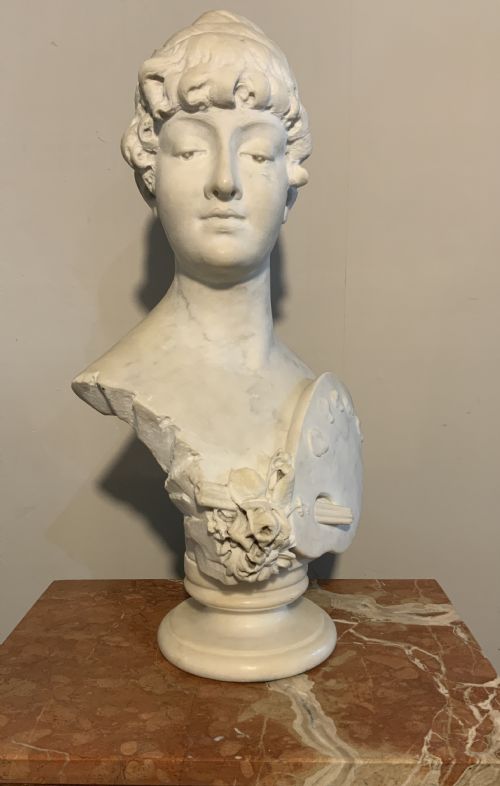
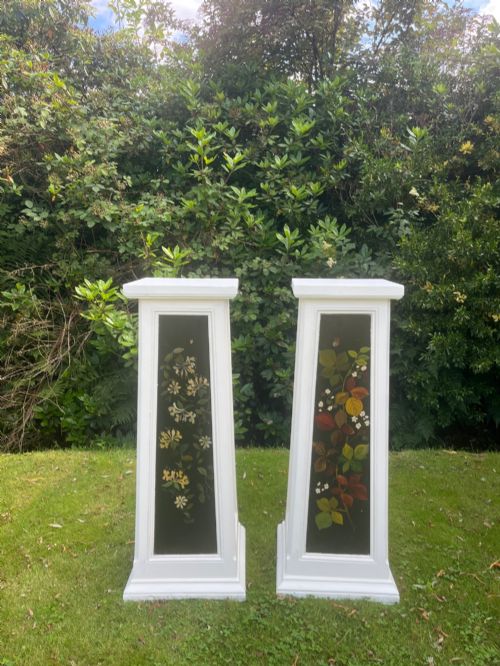
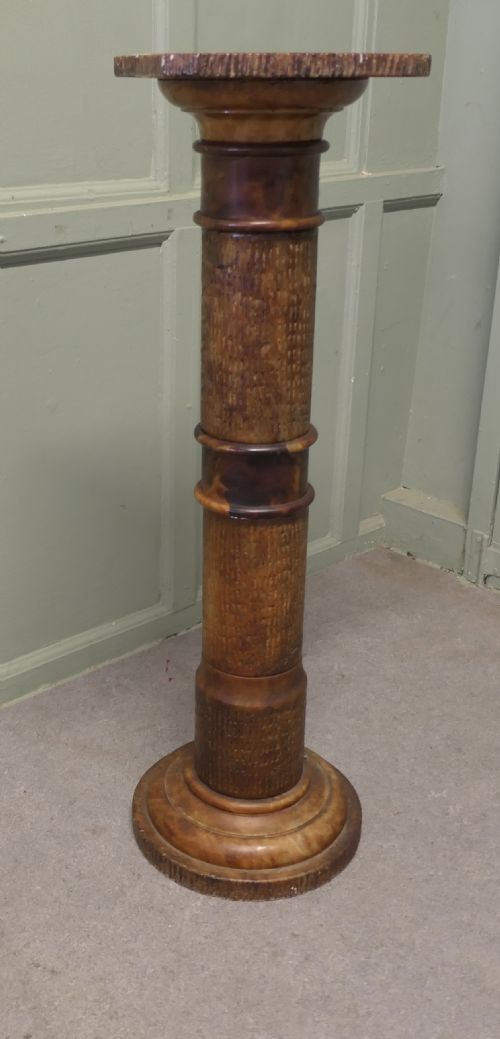
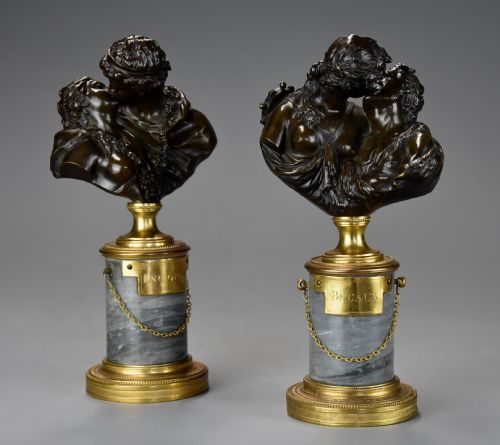
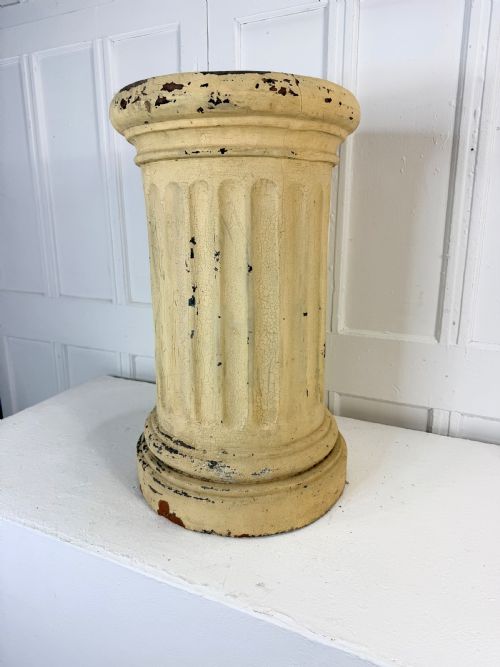
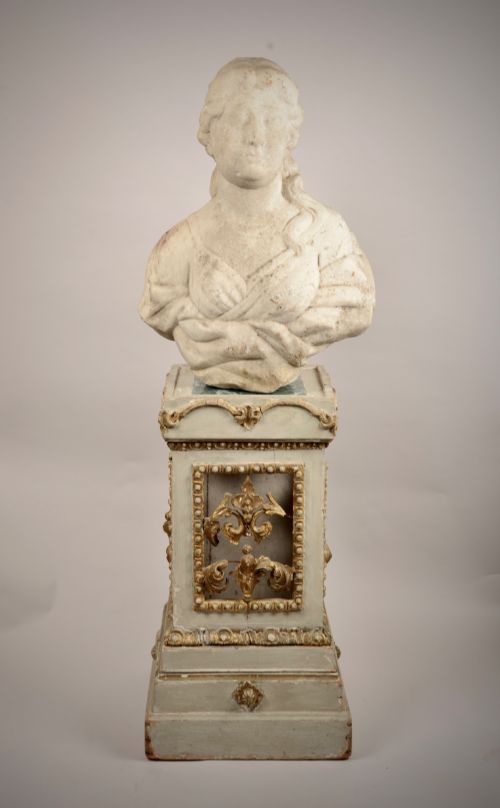
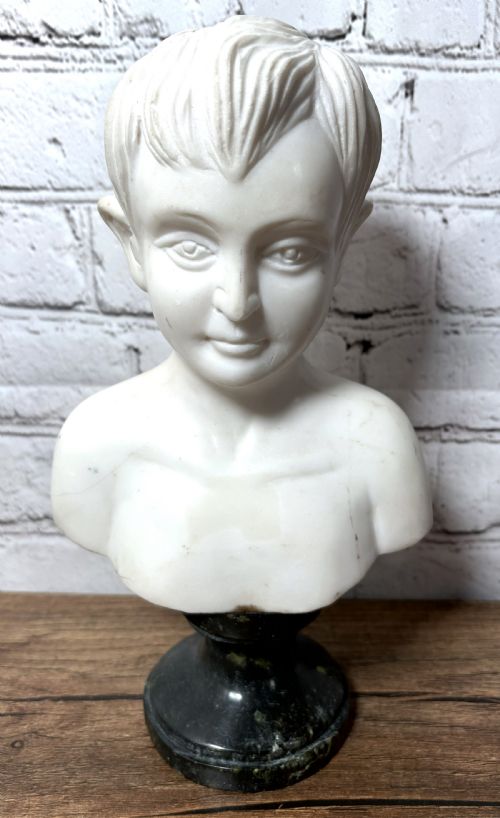
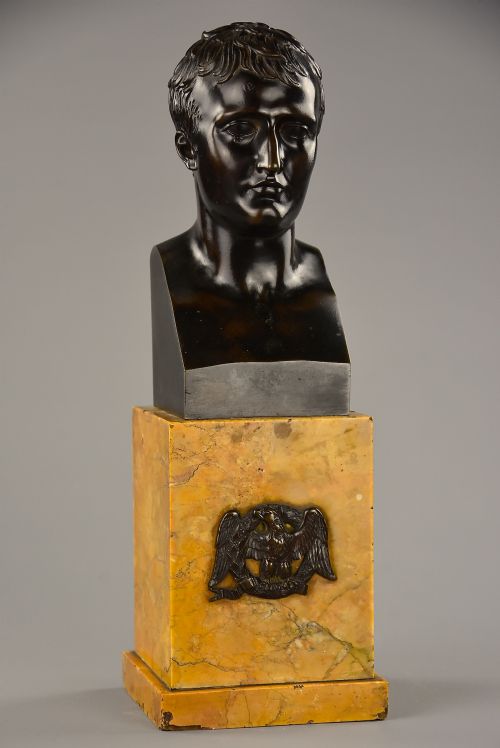
When you search for an antique bust on pedestal, you find a combination of portrait sculpture and supporting architectural columns or plinths. These pieces unite carved likenesses in marble, bronze, terracotta, or porcelain with display stands fashioned from wood, onyx, and stone.
The versions most commonly met here span the nineteenth century, often reflecting neoclassical or Victorian tastes for classical figures, historical personalities, and literary subjects. Alongside complete matched sets, many listings present busts and columns that have been matched together over time.
The forms range from miniature library stands and tabletop supports to large garden statuary and grand interior pedestals. They serve to elevate portraiture into the line of sight, creating focal points within hallways, libraries, and drawing rooms.
Materials and Technique
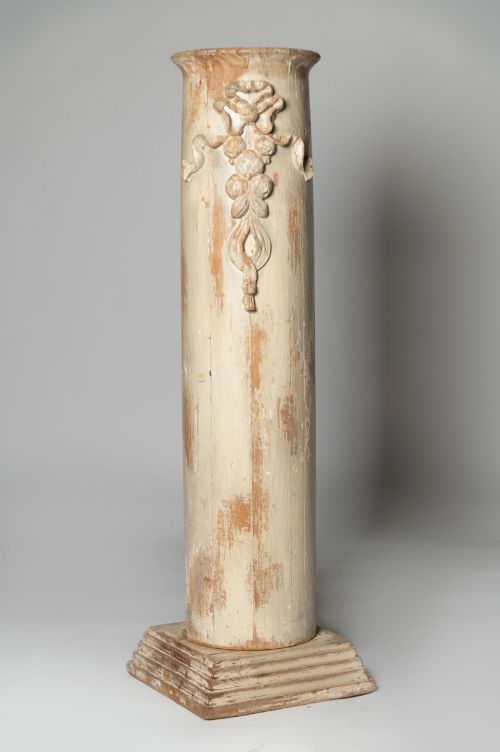
Sculptors worked stone and metal using traditional reductive and casting methods, employing Carrara marble, alabaster, bronze, and cast iron. Carved wooden pedestals utilised walnut, mahogany, and birch, frequently enhanced with applied ormolu mounts and turning.
Surface finish played an essential role in defining the character of each piece, utilising polychrome paint, simulated stone plaster, and gilt bronze. Scagliola and onyx provided alternative surfaces that imitated rarer minerals through tinted plaster and polished stone.
A stone David watches the room from his plinth while eighteenth-century nobles and nineteenth-century gentlemen share the floor.
Judgments of Quality
Material selection and mounting also separate pieces across the range, with solid marbles, substantial bronzes, and heavy ormolu collars marking superior production. The weight, stability, and integrity of the supporting column dictate how successfully the ensemble holds its presence.
Jean Antoine Houdon·John Wenlock Rollins·Sir Thomas Brock·Achille Mollica
The Antique Bust on Pedestal Glossary
- Ormolu
- Gilded bronze applied as a decorative mount to furniture and pedestals. This French technique added metallic lustre and architectural definition.
- Scagliola
- A composite material made from pigmented gypsum, glue, and pigments. Craftsmen used it to imitate costly marbles and stone columns.
- Torchiere
- A tall stand originally designed to hold a light source. In later periods, these served primarily to display sculpture and vases.
- Caryatid
- A sculpted female figure serving as an architectural support in place of a column. They frequently appear carved into the corners of wooden pedestals.
- Bisque
- Unglazed porcelain with a matte, marble-like texture. Manufacturers utilised it extensively for portrait busts and figurines.
Antique Bust on Pedestal: Frequently Asked Questions
Were busts and pedestals originally sold together?
Many portrait busts and their supporting columns were produced separately by different workshops and united by owners or dealers according to scale and material.
Matching pairs occasionally left the maker together, particularly in grander nineteenth-century commissions, but most combinations reflect later curation.
How do I place a large pedestal safely?
Heavy stone, marble, and hardwood columns require level flooring to distribute weight evenly and prevent tipping. Placing them away from main thoroughfares protects both the column and the portrait resting above.
Securing taller stands to the wall may be necessary if they support heavy bronze or marble sculpture in busy rooms.
How do I distinguish nineteenth-century pieces?
Nineteenth-century works often bear foundry marks, signatures, or registration dates cast into the metal or carved into the base. Stylistic cues such as neoclassical proportions and Victorian finishing techniques also point to this era.
Examination of tool marks and interior fixings helps confirm the period of manufacture for both the sculpture and its mount.
Can garden pedestals be kept indoors?
Weathered stone and cast iron garden statuary can be brought inside to create striking interior focal points. Their robust construction suits them well to entrance halls and garden rooms.
Interior placement also protects porous materials from frost damage during winter months while maintaining a rustic architectural presence.