
Antique Bureau Cupboard
An antique bureau cupboard brings together enclosed storage and a writing surface, offering a handsome focal point for a traditional study or living space.
Antique Bureau Cupboard
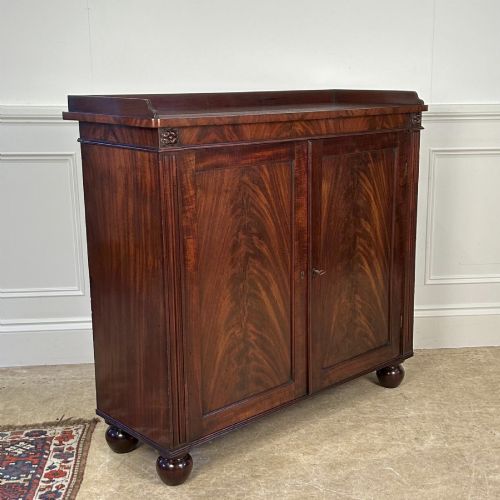
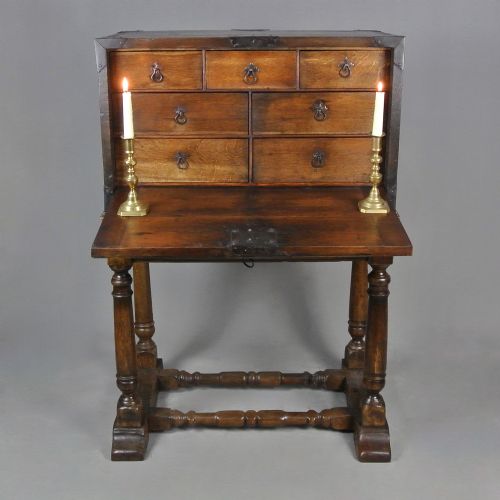
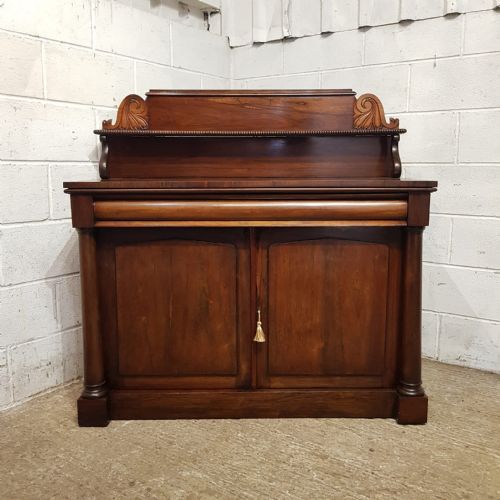
When searching for an antique bureau cupboard, buyers encounter a variety of multi-functional wooden furniture designed for writing and storage across multiple centuries. The selection includes pieces spanning from the 17th century through the Georgian and Victorian eras up to Art Deco designs of the 1930s.
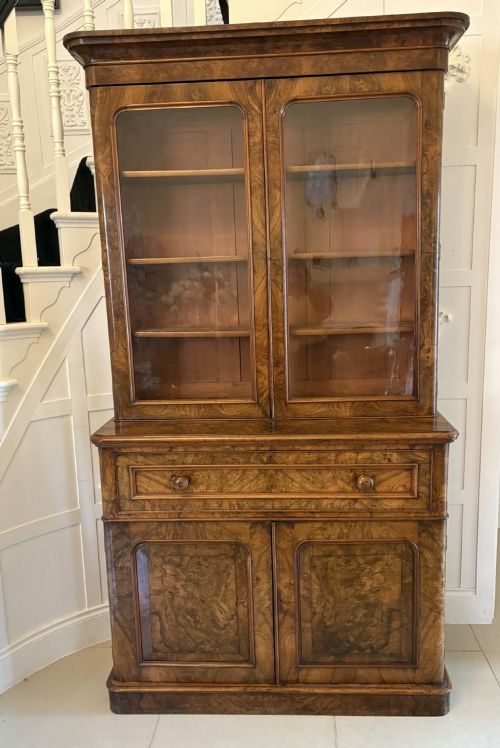
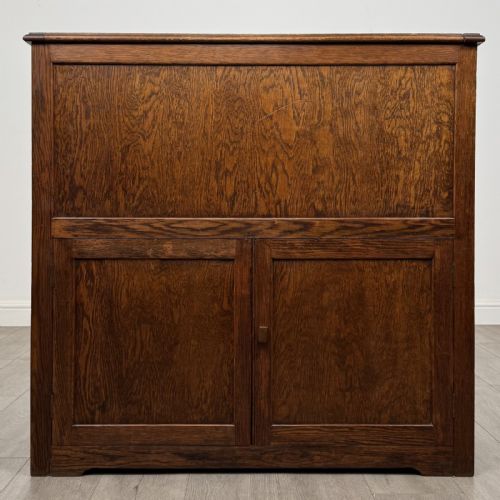
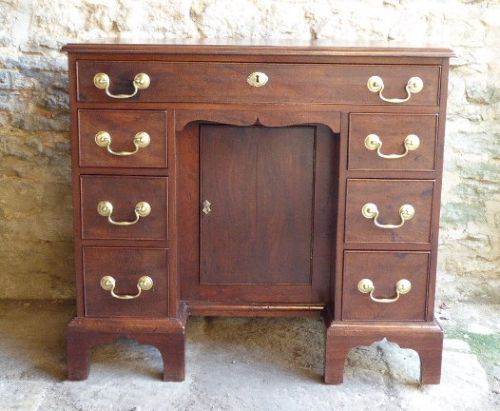
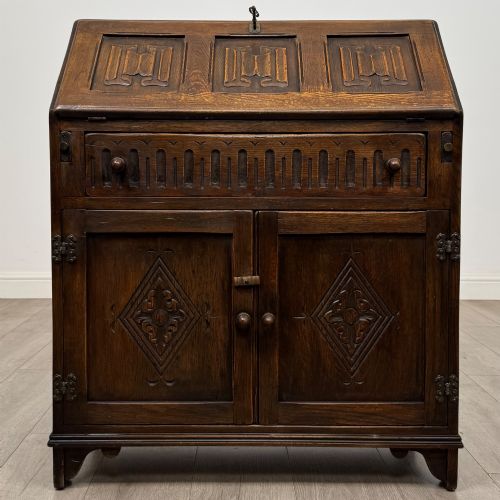
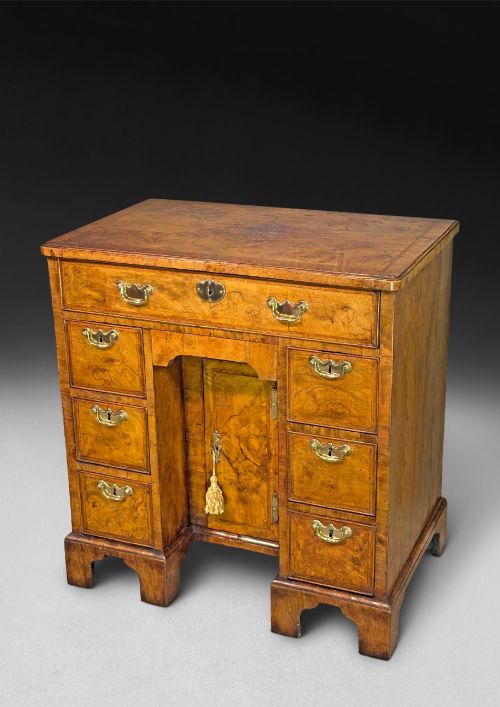
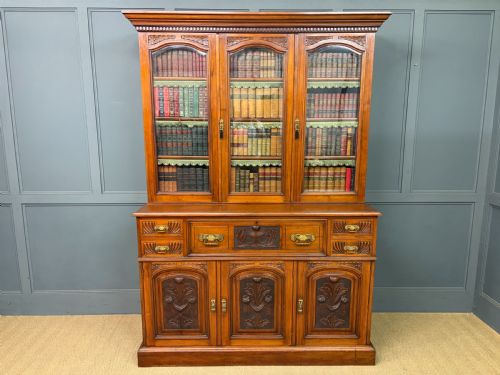
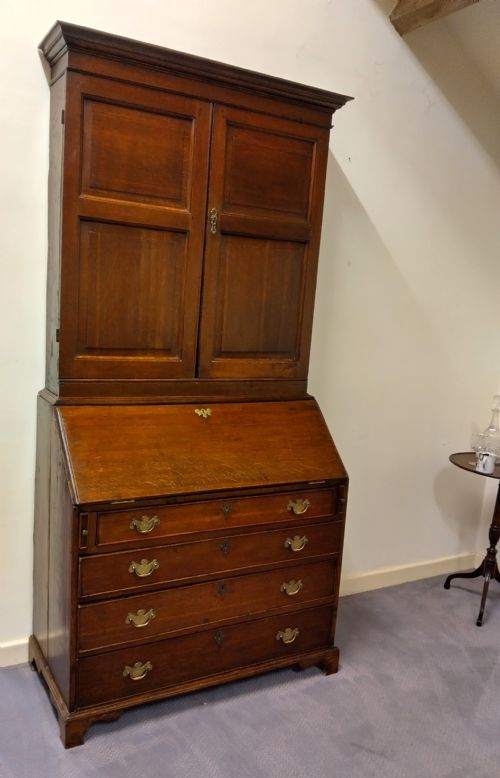
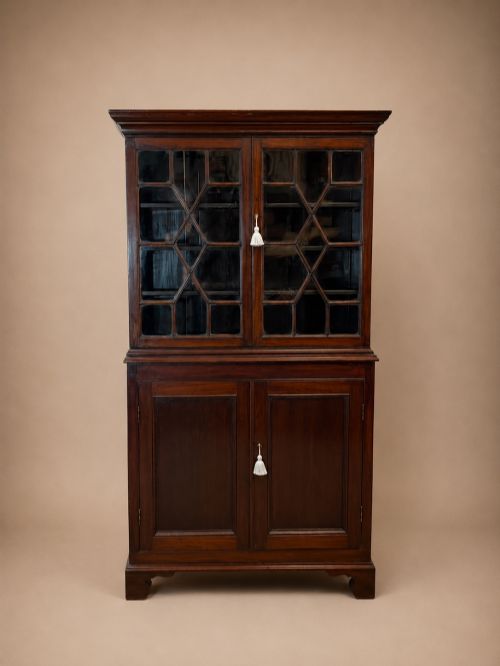
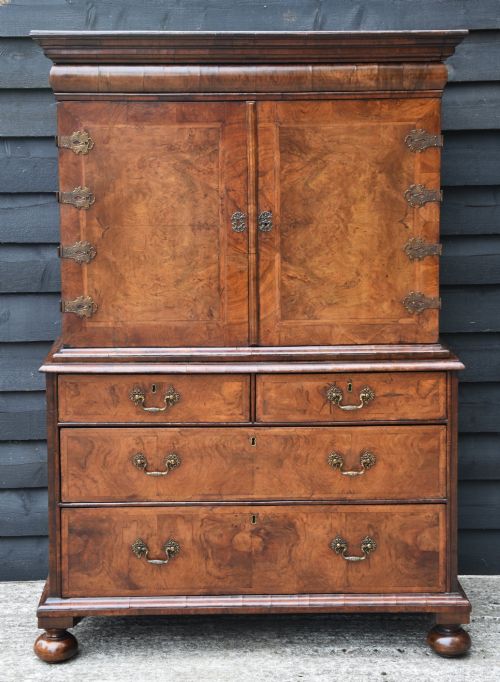
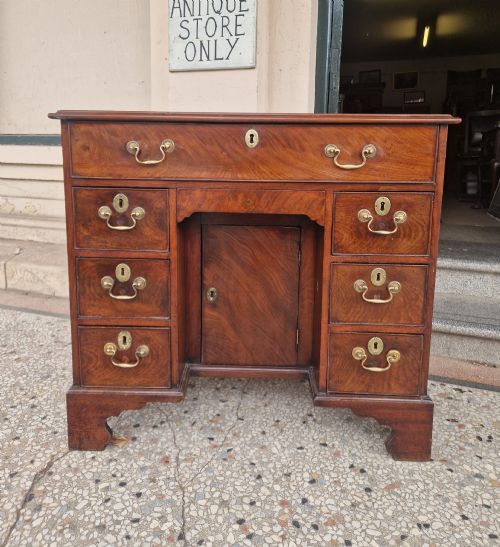
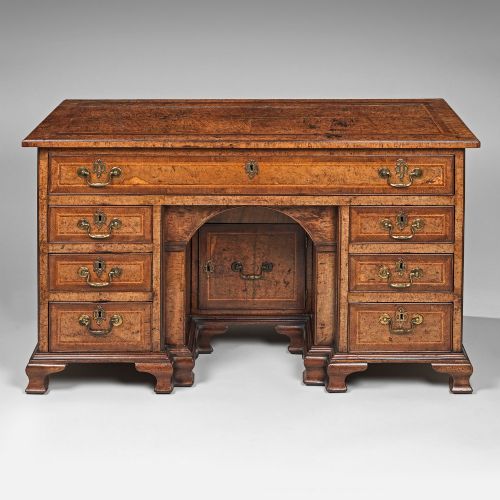
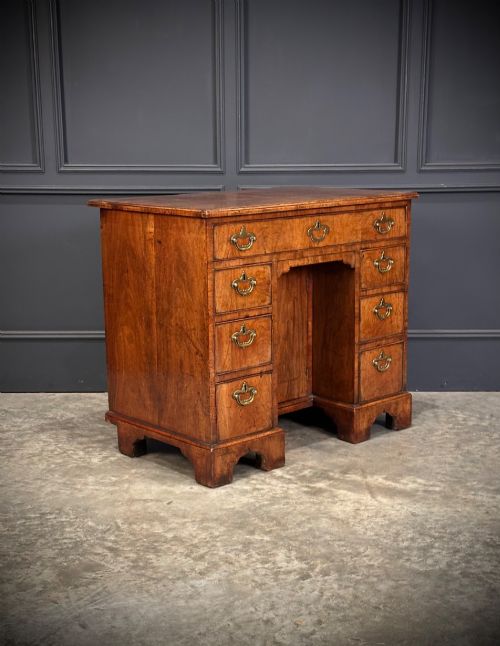
The objects take several distinct forms on this page, ranging from kneehole desks and bureau bookcases to standing cabinets and secretaire cabinets. These pieces combine enclosed lower compartments or drawers with fitted writing interiors and upper bookcase sections.
Originating predominantly from British and occasionally continental workshops, the examples bridge domestic utility with fine cabinet making. Oak and walnut dominate the earlier periods, while mahogany becomes prominent in Georgian designs.
Materials and construction
Cabinet makers utilised dense native and imported timbers, selecting oak and walnut for 17th and 18th century pieces, alongside mahogany and burr walnut for later Georgian and Victorian creations. Veneers such as burr elm, satinwood and marquetry decorate the principal surfaces to create rich grain patterns.
Internal compartments incorporate meticulous joinery including pigeon holes, small drawers and secret compartments housed behind drop fronts or panelled doors. Brass hardware such as handles, escutcheons and occasional paw feet complete the structural assembly.
Materials recorded across the inventory include mahogany, oak, walnut, burr walnut, satinwood, glass and brass.
Quality factors in cabinet work
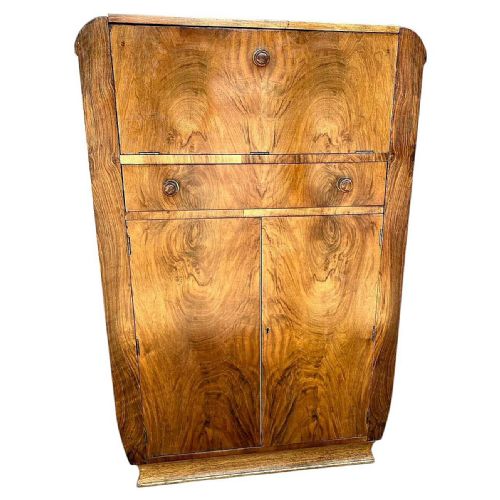
The standard of a piece rests on the selection of timber veneers, where highly figured walnut, burr elm or fiddleback mahogany denote superior craftsmanship. The intricacy of internal fitted pigeon holes and secret drawers distinguishes workshop output.
Structural integrity depends on the preservation of original brass fittings, the smoothness of drawer operations and the crispness of carved details. Alterations or adaptions, such as modifications for modern electronics, influence the integrity of historical items.
Gillows·F.H. Marshall & Co Glasgow·Bryn Mawr
The Antique Bureau Cupboard Glossary
- Secretaire
- A desk or cabinet featuring a pull-down writing drawer that conceals small pigeon holes and compartments. This mechanism allows a tall bookcase or chest to double as a writing desk.
- Kneehole desk
- A compact desk featuring a central recess for the user's legs, flanked by pedestals of small drawers. Georgian examples often include a central concealed cupboard door behind the knee space.
- Fiddleback walnut
- A figured wood grain displaying undulating transverse patterns resembling the back of a violin. Cabinet makers prized this decorative veneer for high-status furniture.
- Escutcheon
- A protective brass plate surrounding a keyhole. These metal mounts serve a functional purpose while adding decorative detail to cabinet doors and drawer fronts.
Antique Bureau Cupboard: Frequently Asked Questions
What is a bureau cupboard used for?
These pieces served historical households as dual-purpose furniture for correspondence, record keeping and secure storage. The fold-down flap or drawer provided a stable surface for writing letters.
Enclosed shelves and drawers above or below kept ledgers, books and personal valuables neatly organised away from dust and public view.
How do I identify a Georgian bureau?
Georgian pieces typically exhibit proportions in mahogany, oak or walnut with hand-cut dovetails on the drawer construction. Look for period specific brass hardware and bracket or ogee feet.
The internal fittings usually consist of numerous small pigeon holes and sliding compartments arranged around a central small door.
Where should I place a bureau cupboard?
A study, living room or spacious hallway provides an ideal environment for these substantial wooden items. Ensure the placement avoids direct sunlight and strong heat sources to protect timber veneers.
Allow sufficient clearance in front of the piece for the drop-down writing flap or pull-out drawer mechanism to operate freely.
Are Art Deco bureau cupboards different?
Art Deco examples from the 1930s utilise sleek geometric lines and striking figured walnut veneers rather than traditional period carving. These designs often function as cocktail drinks cabinets or streamlined writing units.
Maker labels and stamped signatures from firms such as those in Glasgow occasionally accompany these 20th-century pieces.