
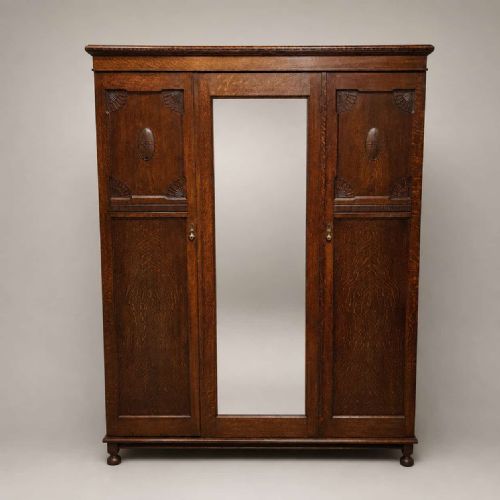
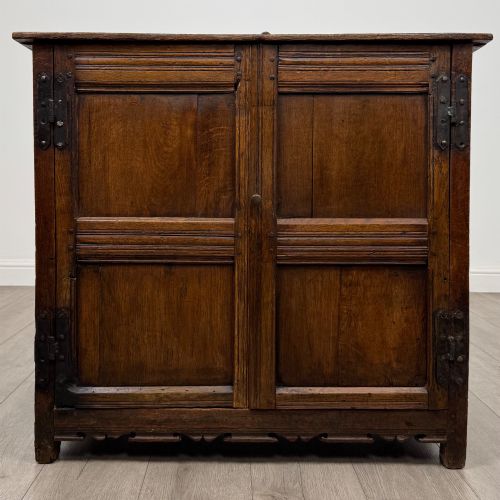
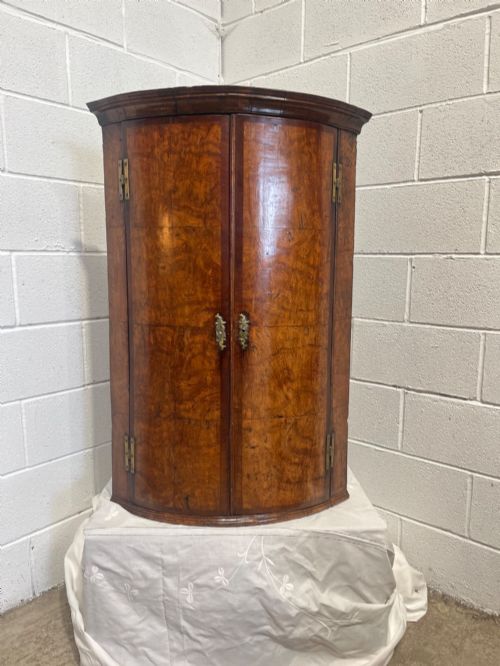
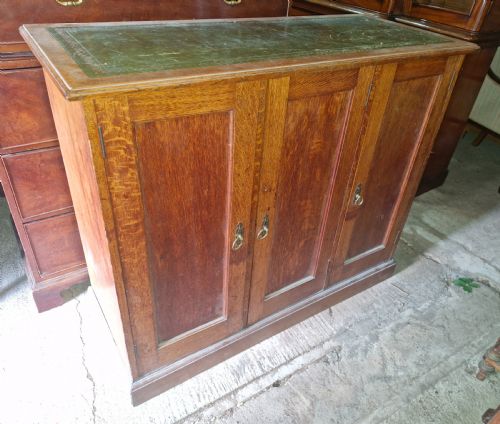
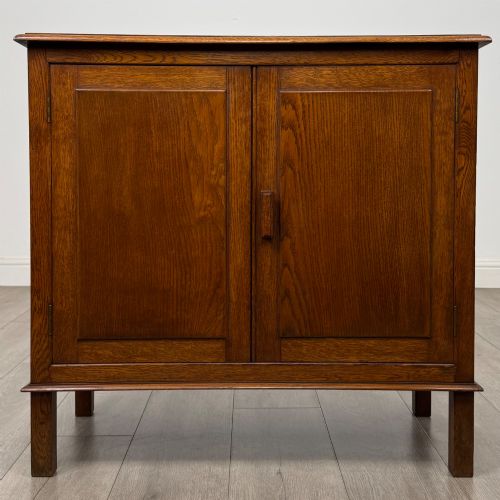
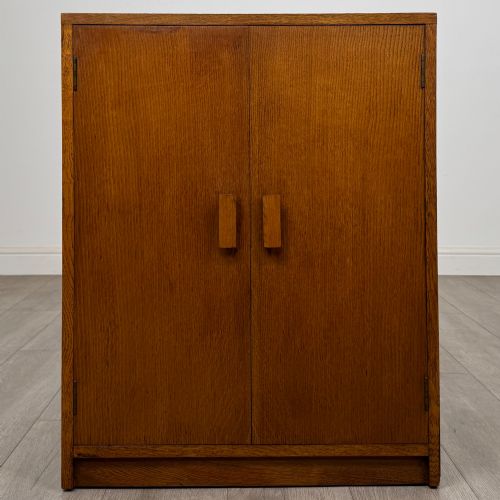
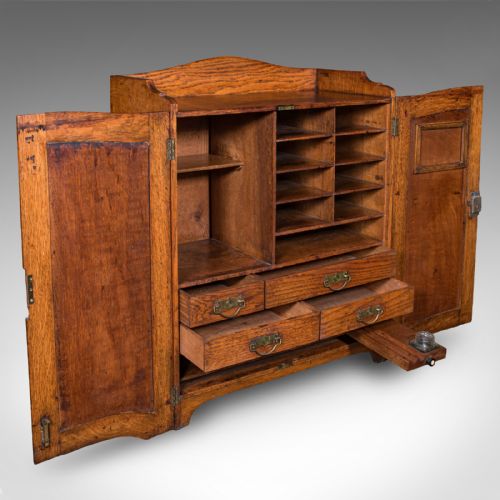
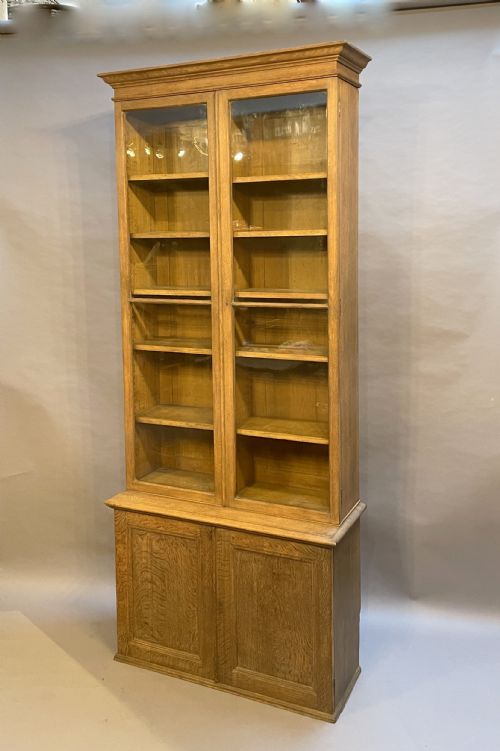


Oak Fitted Cupboard
An oak fitted cupboard organises domestic life with deep timber storage, offering enduring utility across centuries of British design.
Oak Fitted Cupboard
When searching for an oak fitted cupboard, you encounter a substantial category of storage furniture spanning several periods from the seventeenth century through to the twentieth century. These pieces encompass large housekeeper variants, tall wardrobes, small spice boxes, and corner units designed for domestic interiors.
The versions most commonly met on this page range from Victorian and Edwardian iterations to pieces bearing the influence of earlier Jacobean and Georgian styles. They emerge in forms equipped with internal shelving, drawers, and compartments tailored for specific storage needs.
Origins stretch across British workshops, including regional examples from Wales and Scotland alongside London firms. The timber dominates visually, appearing in standard oak, burr variations, and pollard growth patterns.
Construction and Materials
Makers utilised solid oak alongside burr oak and pollard oak veneers, selected for grain movement and durability. Surfaces were polished or left in natural golden and light oak tones to display the timber.
Hardware played an essential functional and decorative role, incorporating brass hinges and escutcheons, wrought iron mounts, and occasional glass panels. Internal fittings involved precise carpentry to construct adjustable shelves and specialist compartments.
The documented periods span the seventeenth century through to 1920 design iterations.
Judging Quality
Quality rests in the selection of timber, where figured burr or pollard oak denotes superior ambition compared to plain stock. The integration of internal fittings, such as closely fitted drawers and adjustable shelving, separates standard utility work from master carpentry.
Proportion and architectural integrity dictate the standing of a piece. Well-balanced cornices, crisp carving where present, and original brass or iron hardware maintain the historical coherence of the cabinet.
Howard & Sons·Maple & Co·Heals of London
The Oak Fitted Cupboard Glossary
- Burr oak
- A growth deformity in the timber producing highly figured swirling grain patterns. It was sliced into veneer for decorative panels on cabinet doors.
- Secretaire
- A cabinet incorporating a pull-down writing flap that conceals small drawers and pigeonholes. It merges desk functionality with fitted storage.
- Scumbled
- A paint technique applied to imitate wood grain on cheaper timbers. It appears on architectural pantry doors.
- Housekeeper cupboard
- A large storage piece traditionally used for linens and dried goods. These incorporate extensive internal shelving and lower drawer banks.
- Press cupboard
- A two-tier storage furniture type designed for garments and linens. The upper section typically holds sliding trays or pegs.
Oak Fitted Cupboard: Frequently Asked Questions
How do I date an oak fitted cupboard?
Dating relies on construction methods, hardware types, and stylistic indicators present in the woodwork. Hand-cut dovetails, timber preparation marks, and period-specific mouldings point towards specific decades.
Comparing the internal arrangement and overall proportions against documented examples from the same era helps narrow down the origin.
Where were these cupboards used in the home?
Housekeeper and press cupboards stood in domestic service corridors, kitchens, or bedrooms for linen storage. Smaller spice cupboards and corner units served in pantries and reception rooms.
Their fitted interiors allowed households to organise provisions, clothing, and domestic records efficiently.
How do I care for antique oak furniture?
Maintain a stable indoor environment away from direct heat sources and severe humidity fluctuations. This prevents the solid oak and veneers from splitting or warping over time.
Apply traditional beeswax periodically to nourish the timber grain and preserve the surface sheen without sealing the pores.
What is the difference between a wardrobe and a fitted cupboard?
Wardrobes focus primarily on hanging space for garments with internal rails or hooks. Fitted cupboards integrate a complex arrangement of fixed or adjustable shelves, drawers, and specialised compartments.
Many antique examples blur these definitions by combining hanging sections with banks of interior drawers.