
Vintage Wooden Storage
Vintage wooden storage encompasses robust coffers, sturdy chests of drawers, and capacious cupboards that bring practical organisation and timeless character to domestic interiors.
Vintage Wooden Storage
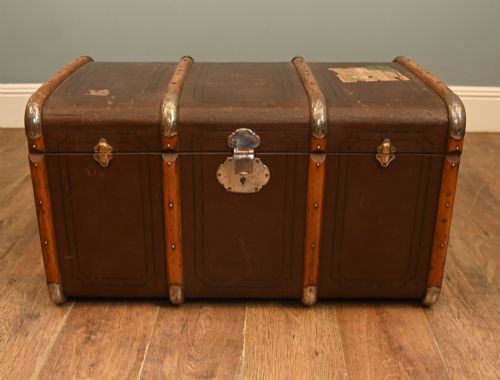
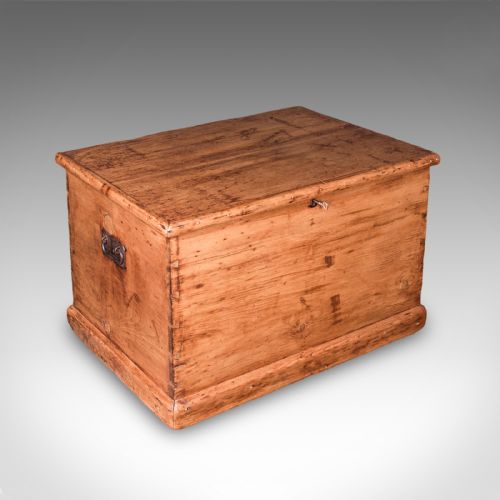
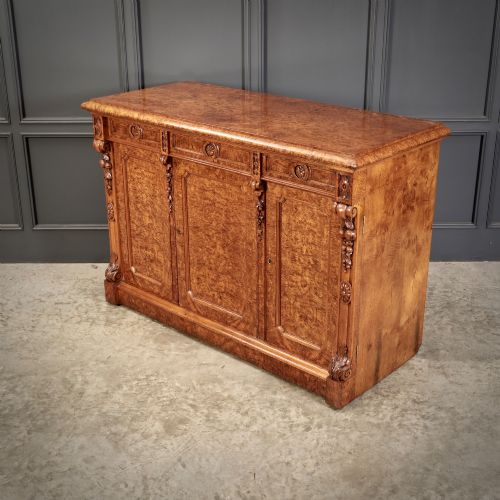
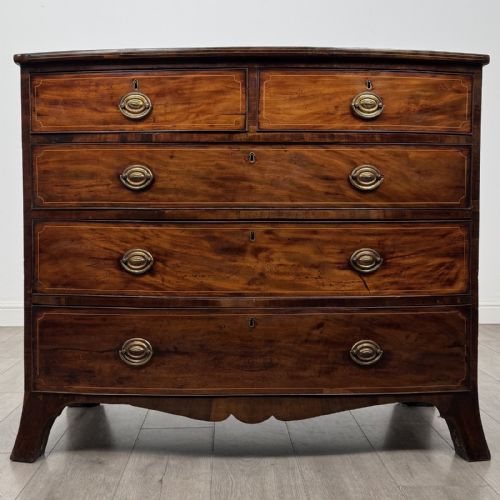
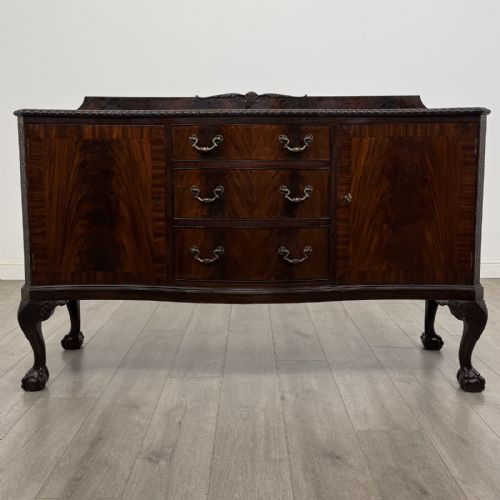
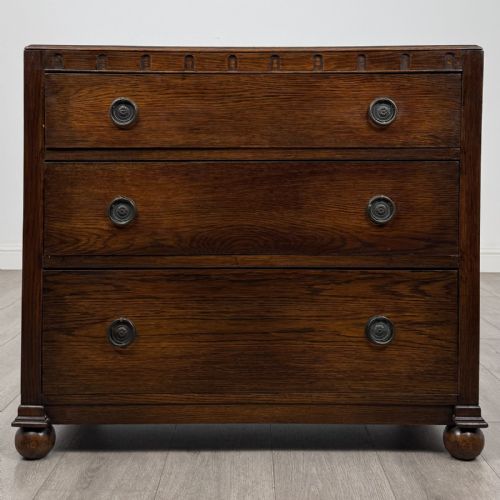
When searching for vintage wooden storage, buyers encounter a diverse array of utilitarian and formal furniture spanning several centuries. The selection ranges from early Georgian oak livery cupboards and mahogany chests to Edwardian filing cabinets and blanket boxes in pine or stained oak.
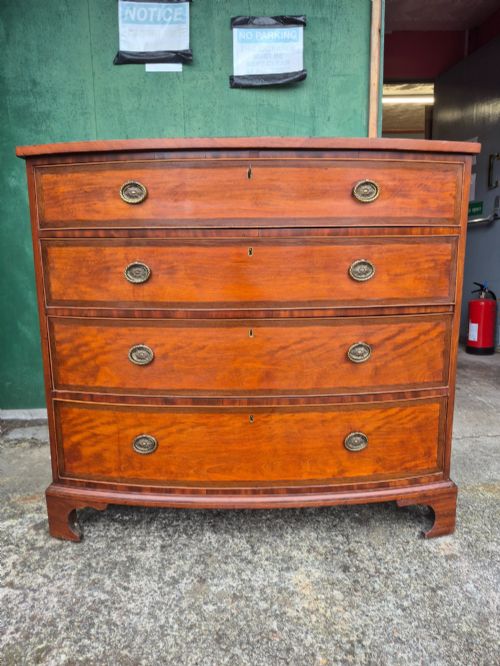
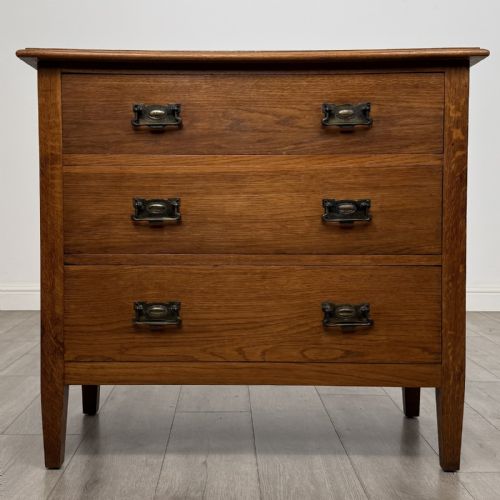
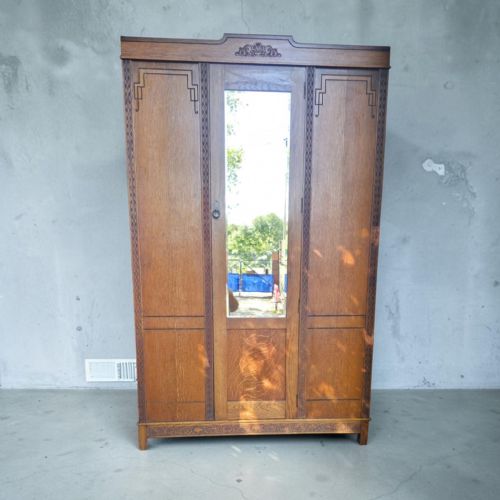
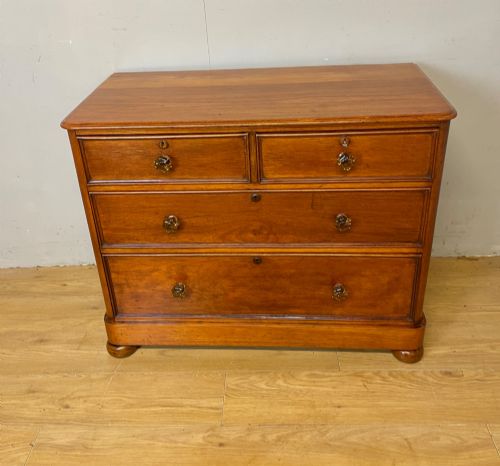
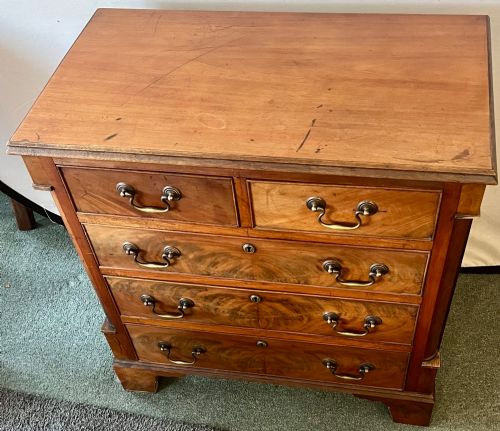
Chest of drawers and cupboards dominate the forms available, appearing in woods such as mahogany, oak, walnut, and satinwood. Pieces date from the Georgian, Regency, and Victorian eras through to Edwardian and Art Deco periods, reflecting changing domestic requirements over time.
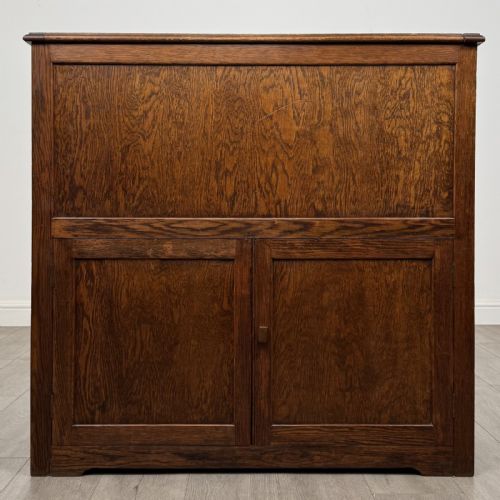
The practical function of these items remains central, whether through document boxes, tambour front filing cabinets, blanket boxes, or large breakfront dresser bases. Buyers frequently meet Edwardian oak pieces and nineteenth-century pine examples designed for functional household utility.
How they were made
Construction relies upon traditional timber framing, utilising dense hardwoods like mahogany, walnut, and oak alongside more accessible softwoods such as pine. Joinery techniques vary from dovetail joints in drawer construction to panelled doors and carved solid timber elements.
Surface finishes and detailing include crossbanding, burr walnut veneers, painted treatments, and brass hardware such as campaign mounts and handles. Woods are frequently polished to highlight natural grain patterns, while certain functional items incorporate metal elements like iron locks and tambour slats.
Padouk wood travelled across oceans as blanket boxes before settling down in quiet domestic hallways.
What varies in quality
Quality separates utilitarian workshop output from pieces commissioned for formal interiors, visible in the selection of timber figures and secondary woods. Superior examples utilise finely figured mahogany, burr walnut, or satinwood, paired with sophisticated proportions and serpentine shaping.
The standard of cabinetmaking defines the upper tiers, evident in precise dovetailing, intact original hardware, and well-executed decorative carving. Lesser examples utilise simpler pine or stained oak construction intended strictly for functional storage rather than display.
T & G Seddon
The Vintage Wooden Storage Glossary
- Bow front
- A convex curved front on a cabinet or chest of drawers that swells outwards. This style gained particular popularity during the Georgian and Regency periods.
- Coffer
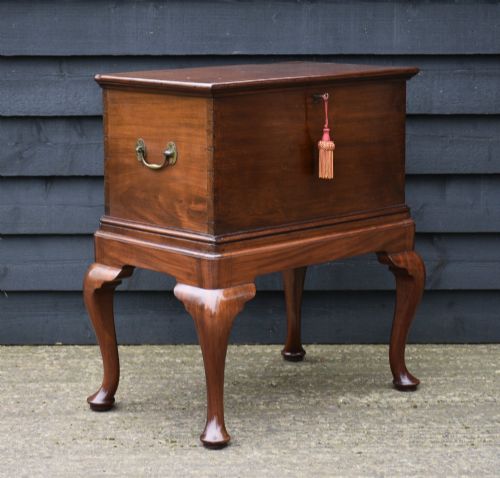
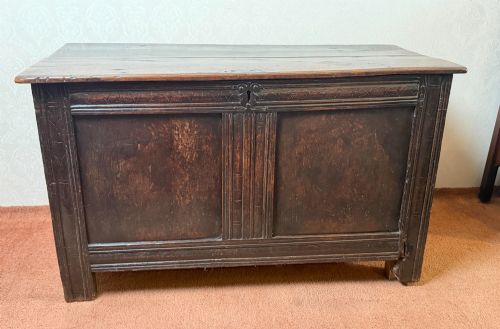
- A large wooden chest traditionally used for storing valuables, linens, or documents. Early examples are often constructed from solid carved oak.
- Tambour
- A flexible shutter formed of narrow vertical strips of wood glued to canvas, allowing smooth sliding access to storage compartments. It is frequently found on early twentieth-century filing cabinets.
- Serpentine
- A shaped furniture front featuring a concave centre flanked by two convex curves, creating an undulating line. It requires high skill in cabinetmaking, particularly when applied to walnut or mahogany commodes.
- Livery cupboard
- A tall enclosed piece of furniture historically used for storing food, clothing, or household provisions. These substantial pieces often date from the eighteenth century in solid oak.
Vintage Wooden Storage: Frequently Asked Questions
What is a blanket box?
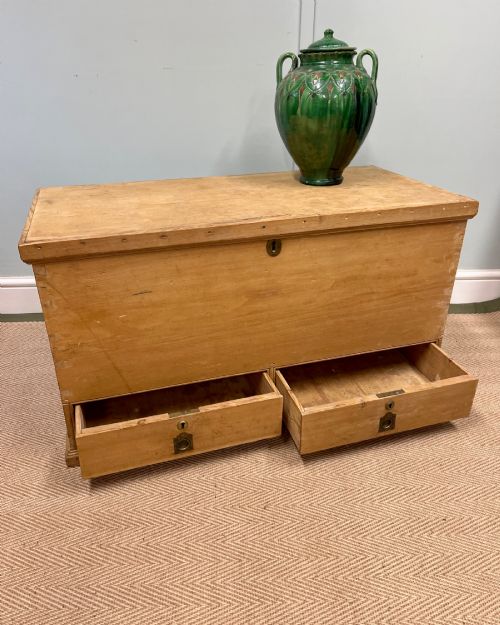
A blanket box is a deep, hinged chest designed originally for storing textiles, woollens, and household linens. These versatile pieces frequently appear in pine, oak, or padouk from the nineteenth century.
Their simple, robust construction makes them practical for modern bedrooms or living spaces as functional end-of-bed or hallway storage.
How do I date a wooden chest of drawers?
Dating involves examining the timber species, drawer construction methods, handles, and overall architectural style. Georgian and Regency pieces often feature finely figured mahogany and hand-cut dovetails, while Edwardian versions frequently utilise oak.
Secondary woods inside the drawers and the style of the bracket feet or plinth base also provide clear chronological indicators.
Where were campaign storage boxes used?
Campaign storage pieces were built for military officers and travellers on the move during the nineteenth century. They were constructed in sections with brass corners and recessed handles to withstand frequent transport.
Today, these robust trunks and chests function well as coffee tables or statement storage pieces in contemporary homes.
What is burr walnut?
Burr walnut is a highly decorative wood veneer harvested from the gnarled growth on walnut trees. It exhibits intricate, swirling grain patterns prized by cabinetmakers for high-status furniture.
Pieces utilising this material, such as serpentine commodes, represent the more decorative end of vintage wooden storage.