
Large Dresser
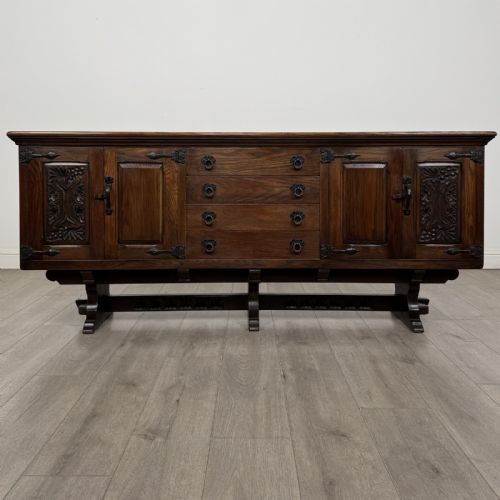
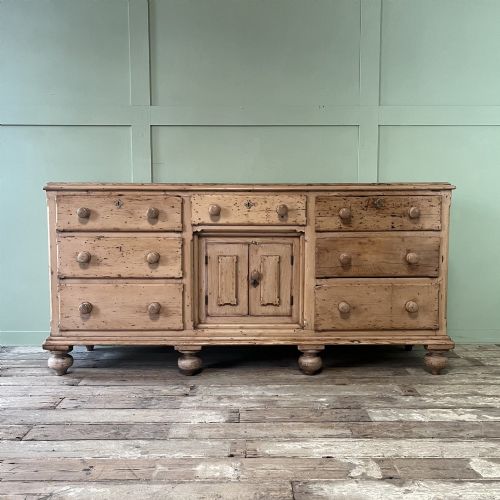
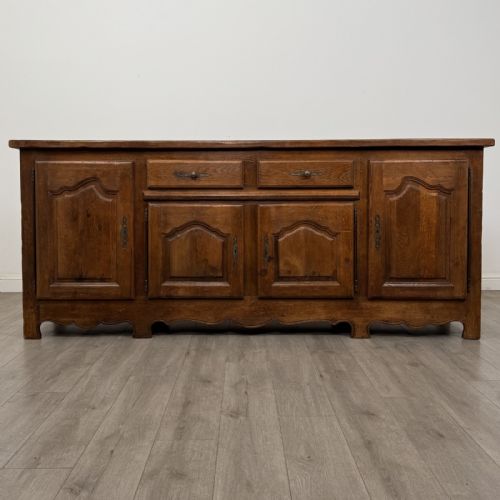
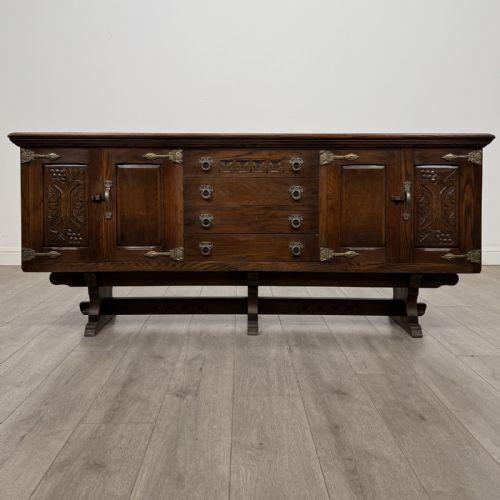
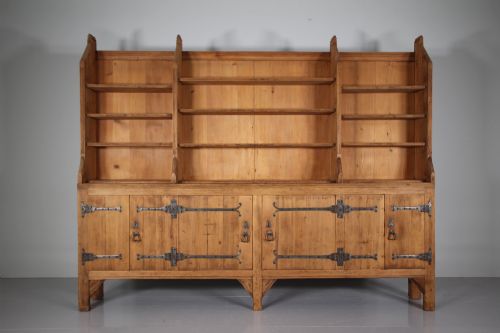
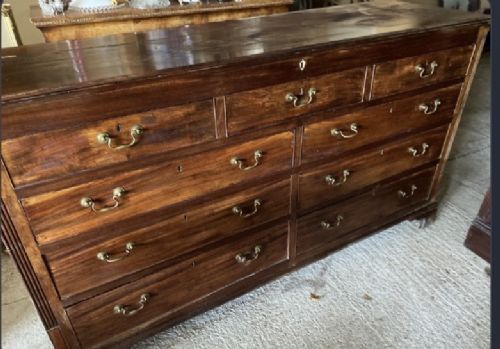
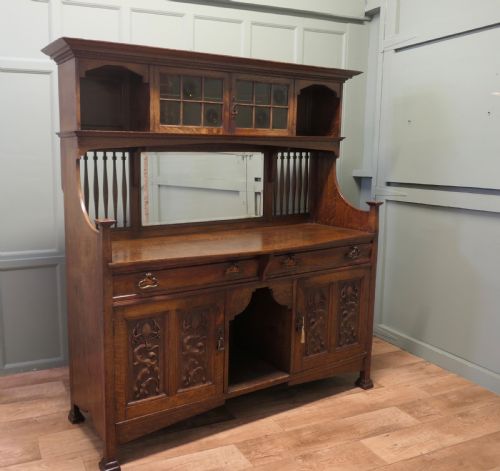
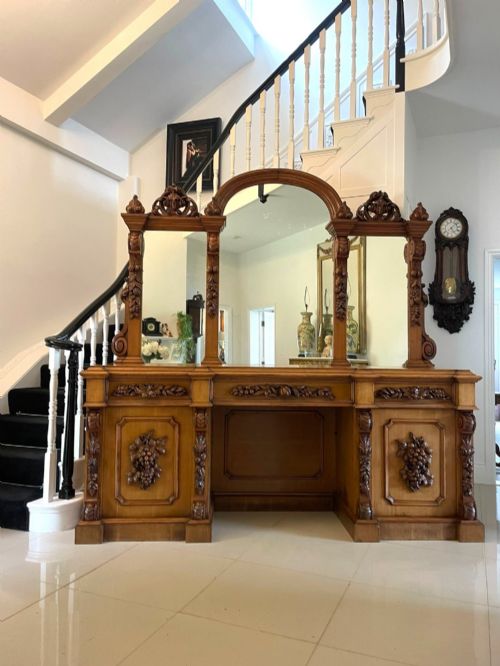
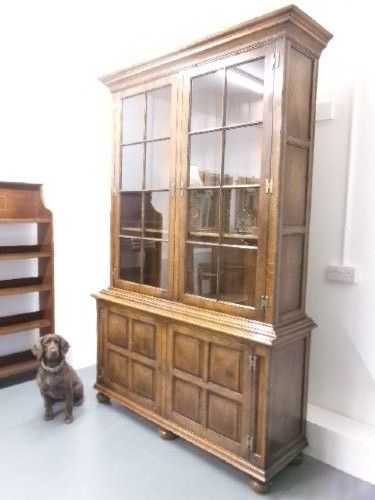
When searching for a large antique dresser, collectors find substantial storage furniture designed for displaying and housing domestic items.
Large Dresser
A large antique dresser serves as a commanding focal point in domestic spaces, historically utilised for storing and exhibiting tableware and provisions. Buyers searching for a large antique dresser encounter robust iterations spanning the eighteenth, nineteenth, and early twentieth centuries.
Regional variations appear frequently, including examples originating from Wales, Scotland, and the West Country. These forms adapt traditional storage needs into distinct local aesthetic traditions.
Materials and Construction
Makers relied primarily on native timbers such as oak, mahogany, and pine, occasionally incorporating walnut, cherry, and elm for specific decorative effects. These woods were selected for structural integrity and grain figure, often enhanced through hand-waxing or period paint finishes.
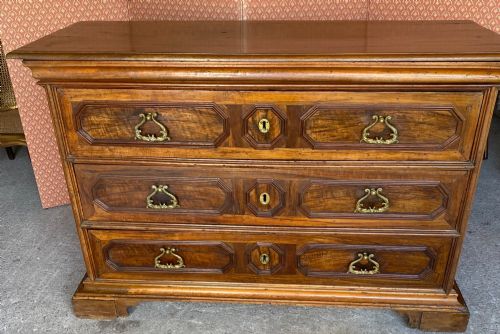
Joinery techniques combined traditional frame-and-panel construction with hand-cut dovetails for drawer boxes, ensuring long-term durability. Iron and brass hardware, including period pulls and hinges, anchored the heavy timber components.
A surprising number of surviving kitchen companions managed to retain their original potboards despite centuries of heavy culinary service.
Assessing Quality and Character
Quality rests upon the integrity of the timber selection, timber thickness, and the retention of original surfaces or patination. Superior examples display thoughtful proportions, crisp carving where present, and undisturbed historic finishes rather than modern over-restoration.
Structural honesty and original hardware elevate certain pieces above standard utility furniture. The presence of matching plate racks on early oak examples significantly impacts the cohesion and desirability of the item.
Whytock & Reid·Jas Shoolbred·Gillows·Heals of London
The Large Dresser Glossary
- Dresser base
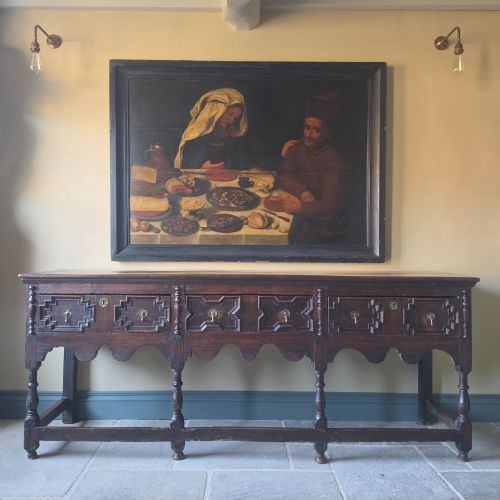
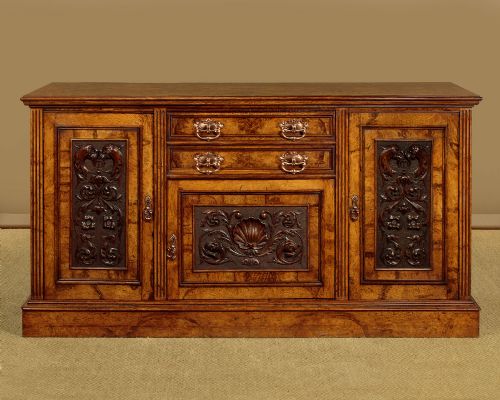
- A low sideboard or cabinet portion of a dresser without the upper plate rack. This form functioned as a serving table and storage unit in country kitchens.
- Plate rack
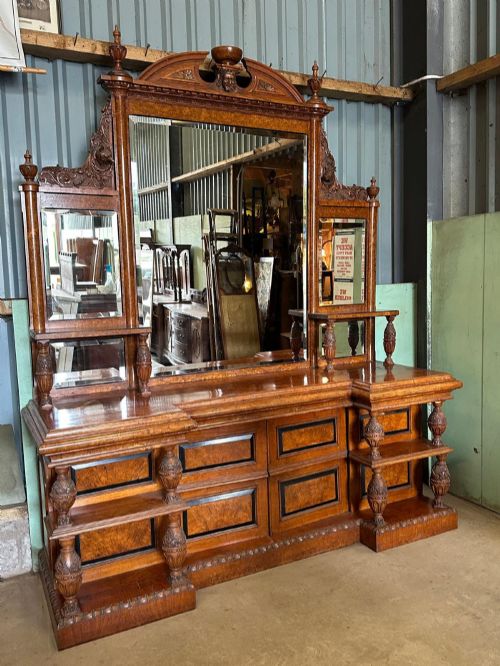
- The shelved upper superstructure designed to display ceramic plates and platters. It attaches securely to the back of the lower dresser base.
- Potboard
- An open slatted lower shelf incorporated into traditional oak dressers. Originally intended for storing heavy pots and pans.
- Breaksfront
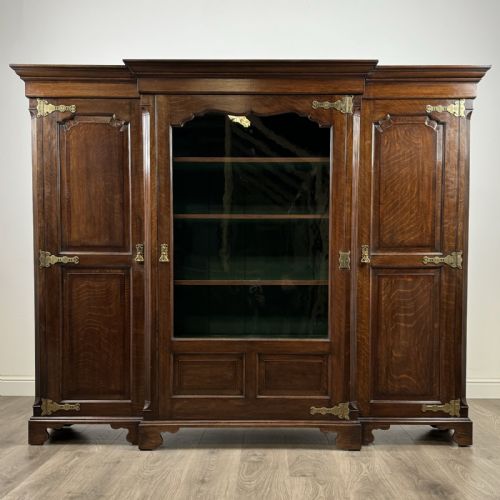
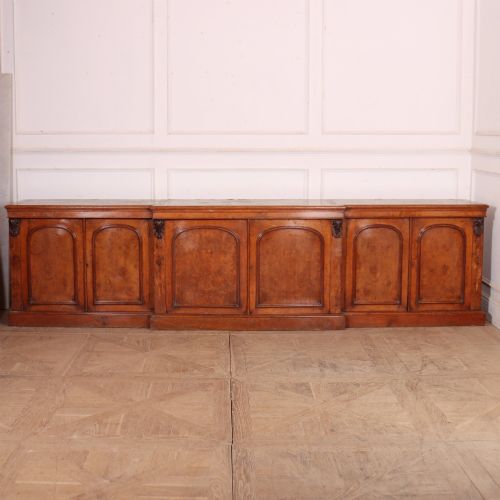
- A cabinet facade where the central section projects forward from the flanking wings. This architectural arrangement adds depth and formal presence to large sideboards and dressers.
- Patina
- The surface sheen and mellowing developed through decades of handling, cleaning, and light exposure. This quality distinguishes genuine antique timber from modern replacements.
Large Dresser: Frequently Asked Questions
How are large antique dressers structured?
These pieces typically combine a lower storage base featuring drawers and cupboards with an optional upper display rack for plates. The construction utilises durable timbers assembled with traditional joinery.
Interior configurations vary between open shelving, enclosed cupboards, and banks of smaller drawers. This modular design reflects the practical demands of historic domestic storage.
Where were these dressers historically used?
Kitchens and dining rooms served as the primary locations for dressers, housing everyday ceramics, pewter, and foodstuffs. Grand country houses also utilised formal dresser bases in reception spaces.
In modern interiors, these items function effectively as display furniture and storage hubs in large kitchens, living rooms, and hallways. Their generous scale accommodates contemporary collections just as well as historic ones.
How do pine dressers differ from oak ones?
Pine examples typically emerge from country workshops, often featuring painted finishes or softer waxed surfaces intended for utility use. They offer a lighter visual weight suited to rustic domestic interiors.
Oak dressers generally represent formal cabinet-making traditions with denser grain structures and deeper historic patination. These pieces frequently incorporate detailed mouldings and panel work.
Are plate racks always original to the base?
Many surviving lower dresser bases were separated from their original upper racks over centuries of domestic rearrangement. Finding an intact combination remains a significant indicator of historical completeness.
When evaluating a piece, examine the fixing points, timber matching, and wear patterns where the rack meets the base. Consistent ageing across both sections confirms their shared history.
How should a painted antique dresser be maintained?
Historic painted surfaces require minimal intervention, avoiding harsh modern chemical cleaners that might strip original pigments. Gentle dusting and occasional specialist wax application preserve the finish.
Environment control matters greatly for large timber furniture. Keeping pieces away from direct heat sources prevents wood shrinkage and paint flaking.