
Traditional Brown Chest
A traditional brown chest offers deep storage in rich timber, anchoring a room with dependable utility and quiet presence.
Traditional Brown Chest
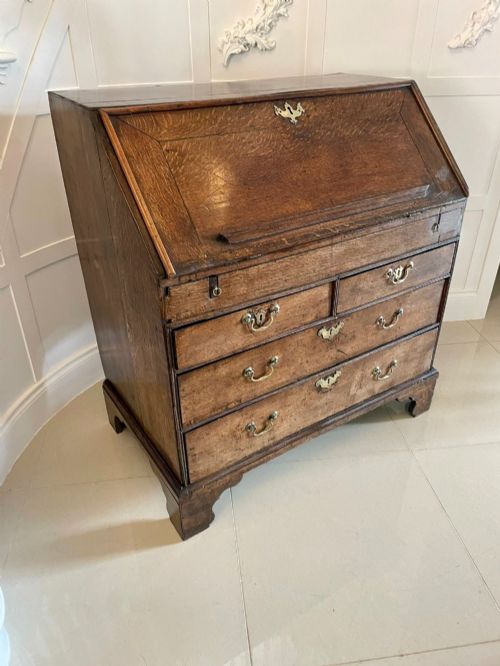
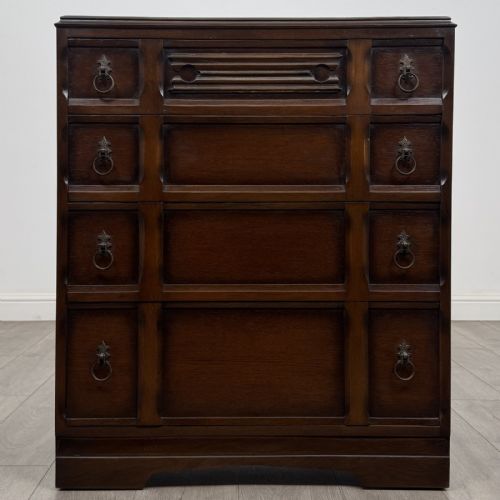
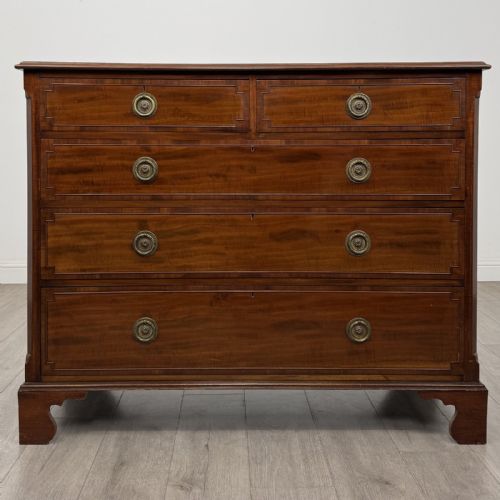
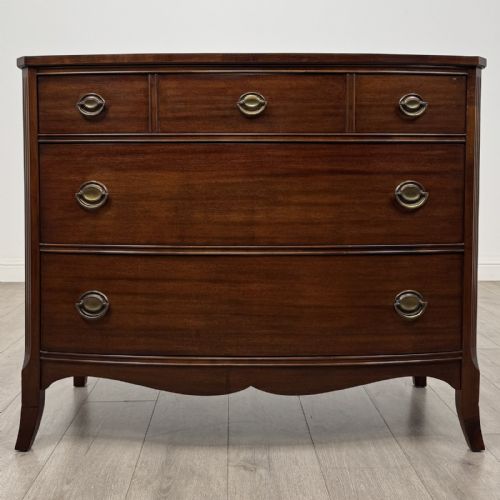
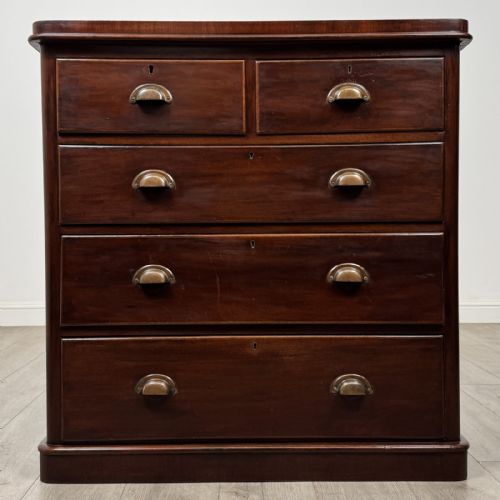
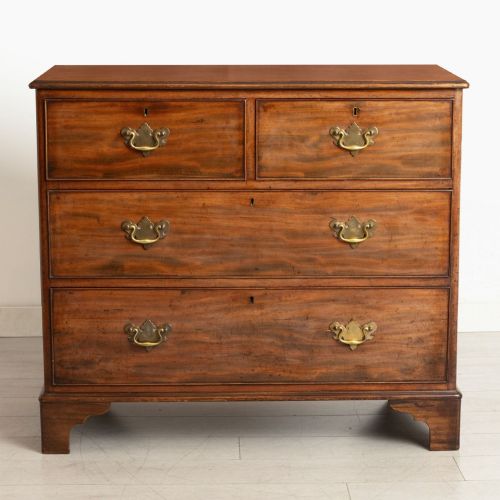
A traditional brown chest is a practical storage furniture piece most commonly found as a mahogany, oak, or walnut chest of drawers originating from the Georgian and Victorian periods. These pieces provide substantial drawer capacity or compartment space while displaying the natural grain and deep brown tones of classic timbers.
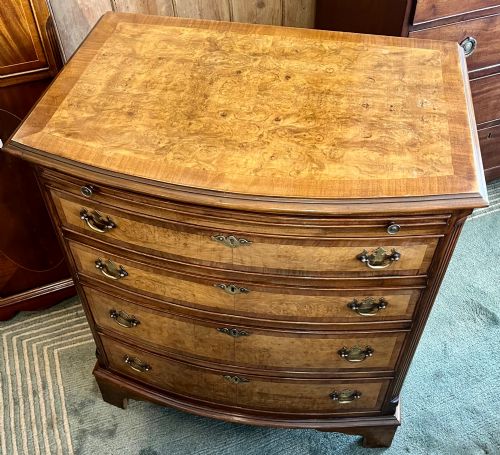
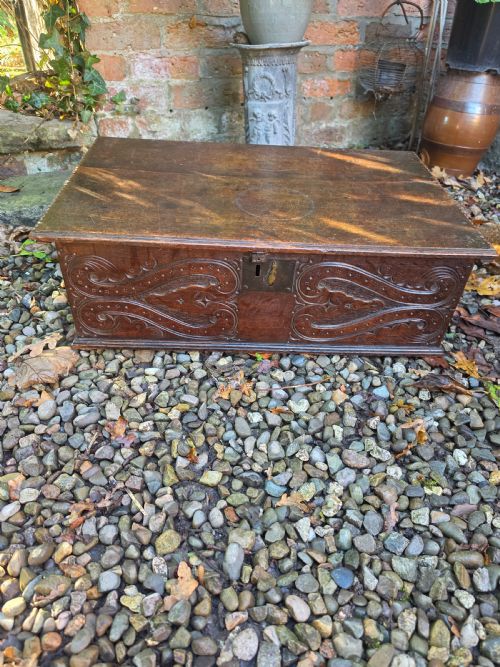
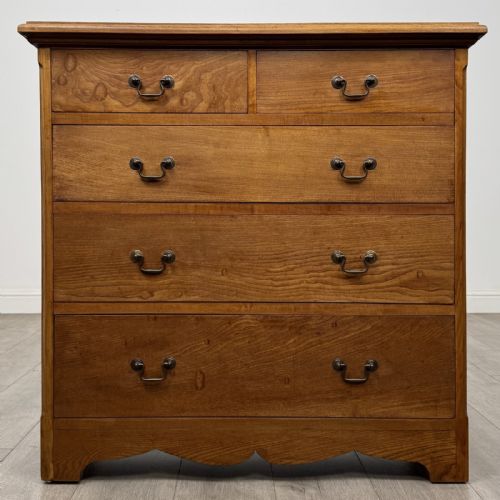
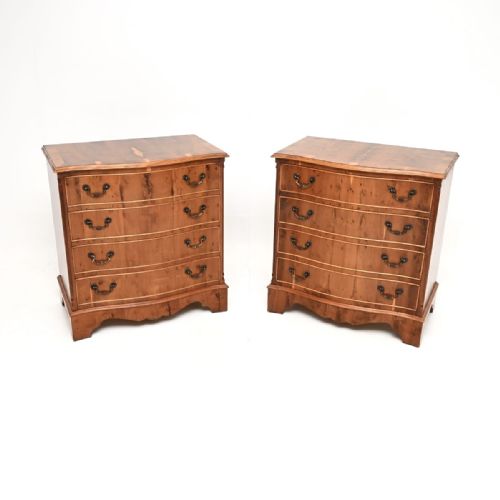
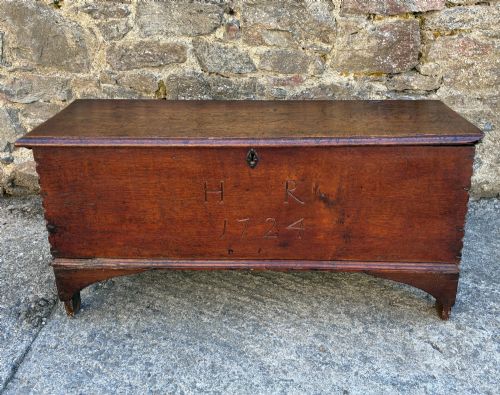
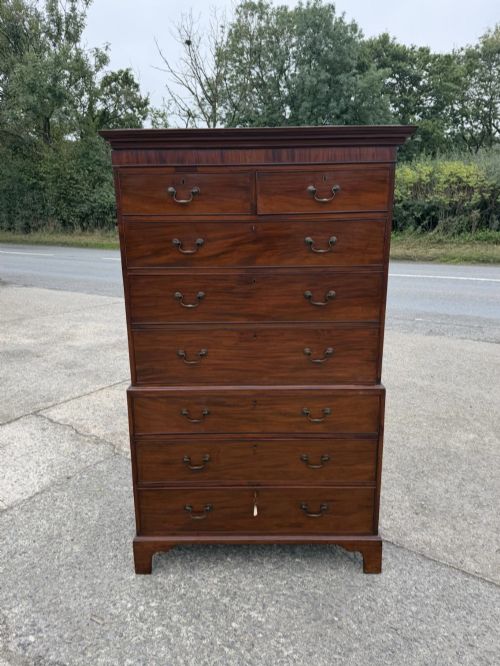
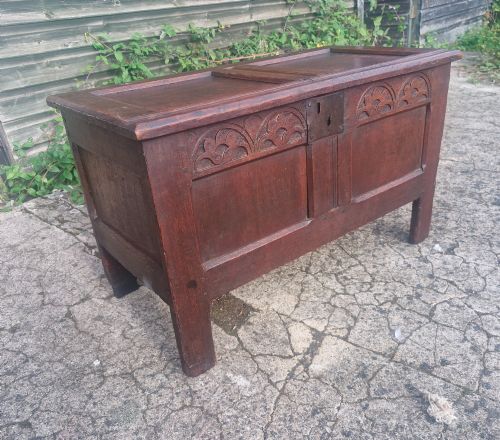
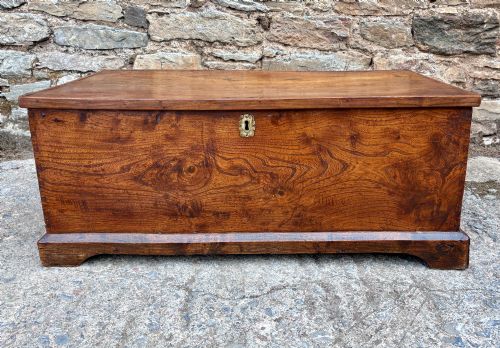
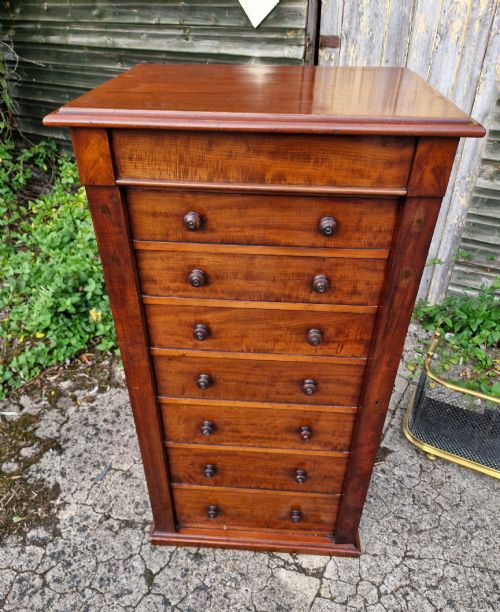
Buyers browsing this selection frequently encounter sturdy chests featuring two short drawers over three long drawers, alongside compact bedside versions and tall chests on chests. The forms range from simple country oak blanket boxes and coffers to refined mahogany bow-front designs fitted with brass handles.
Materials and construction methods
These chests rely on dense hardwoods such as mahogany, oak, and walnut, chosen for their structural strength and deep colouration. Cabinetmakers utilised solid timbers and figured veneers, often selecting elm or pine for secondary structural elements like drawer linings.
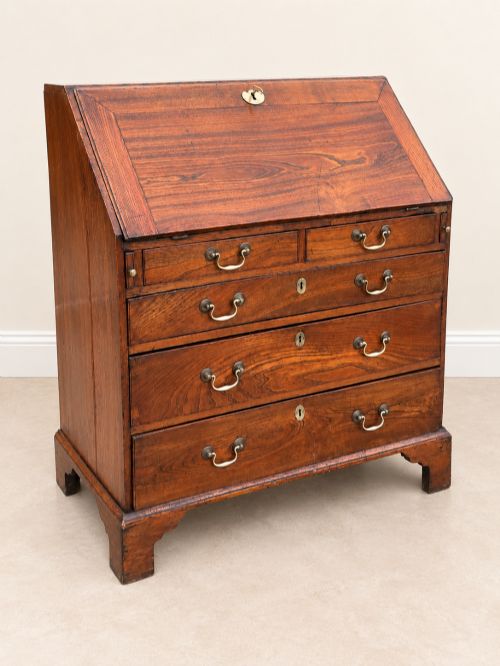
Construction techniques involve traditional joinery, panelled sides, and hand-cut dovetails on drawer boxes. Fittings typically include brass drop handles, cup handles, or brass key escutcheons that complement the polished wood surfaces.
Some sturdy oak bible boxes from the 17th century preserve centuries of ink drops inside their compact writing compartments.
Distinctions in quality
Quality varies through the choice of timber and the precision of the cabinetmaker's joinery. Finely figured burr walnut or select mahogany veneers demonstrate superior material selection compared to plainer utility timber.
The sophistication of the drawer construction and the retention of original brass hardware elevate a piece. Solid construction with tight dovetails and clean interior drawer linings separates standard storage from finer examples.
The Traditional Brown Chest Glossary
- Bow-front
- A chest design where the front curves outward in a convex arc. This style became popular during the Georgian period.
- Chest on chest
- A tall storage unit comprising one chest stacked directly on top of a larger base chest, creating substantial vertical drawer space.
- Coffer
- A heavy wooden storage chest, often constructed from oak with panelled sides. These function primarily for linens and household goods.
- Dovetail
- A traditional interlocking joint used at the corners of drawers. Hand-cut dovetails indicate older cabinetmaking methods.
- Mule chest
- A storage chest featuring one or more drawers built into the base beneath the primary lift-lid compartment.
Traditional Brown Chest: Frequently Asked Questions
How do I date an old brown chest?
Examine the wood species, drawer construction methods, and hardware styles. Georgian and 18th-century pieces often display hand-cut dovetails and native oak or mahogany timbers.
Later Victorian and early 20th-century examples introduce machine-sawn elements, different handle designs, and alternative secondary woods inside the drawers.
Where should I place a chest of drawers?
These timber pieces suit bedrooms, living rooms, and hallways as functional storage units. Their deep brown tones warm neutral walls and complement traditional interior schemes.
Keep them away from direct heat sources and strong sunlight to prevent the timber and polished finish from drying out.
What is the difference between a coffer and a chest?
A coffer is typically a heavy storage box with a hinged lid at the top, often panelled and made from solid oak. These represent earlier storage forms.
A chest of drawers incorporates sliding internal compartments accessed via pulls on the front rather than lifting a top lid.
How do I maintain wood surfaces?
Dust the timber regularly with a soft, dry cloth to prevent surface grit accumulation. Periodically apply a quality beeswax polish to nourish the wood grain.
Avoid silicone-based sprays, which can build up a hazy film over the polished brown finish and attract further dust.