



Antique Brown Jug
When you handle an antique brown jug, you hold centuries of utilitarian craft that transformed simple clay into daily domestic ritual.
Antique Brown Jug
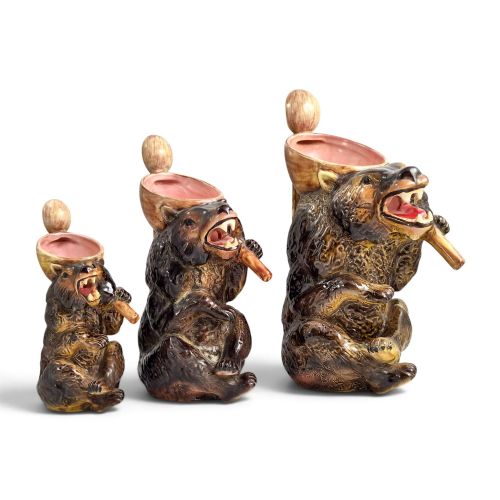
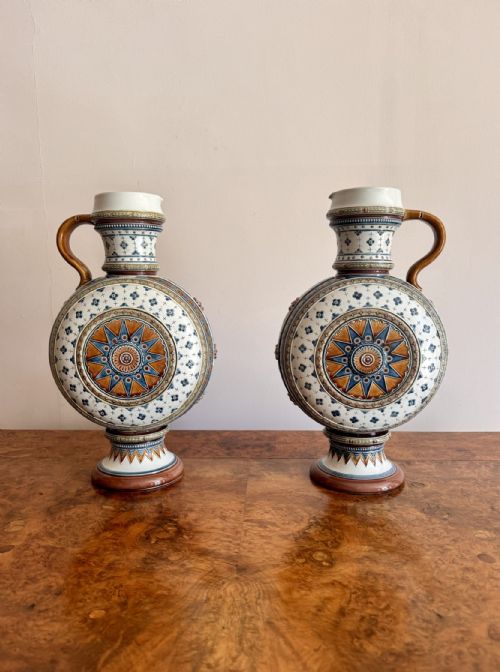
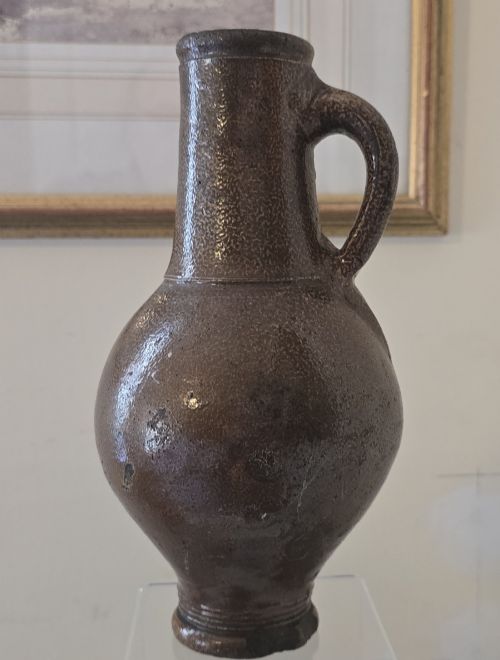
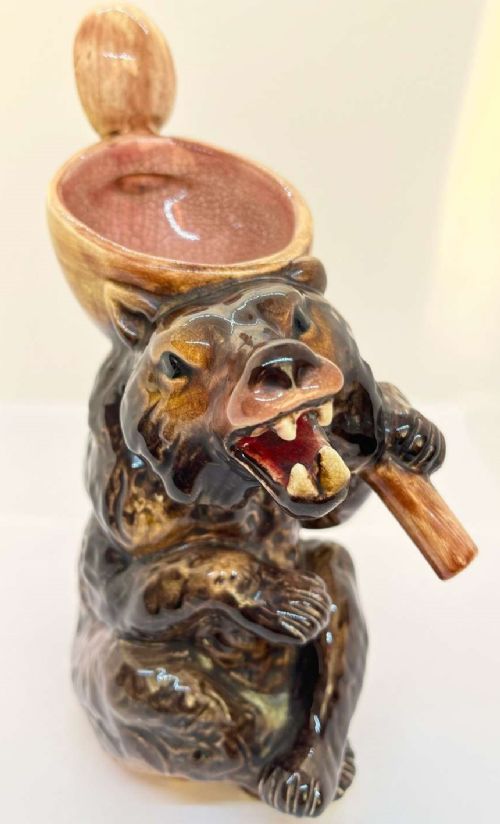
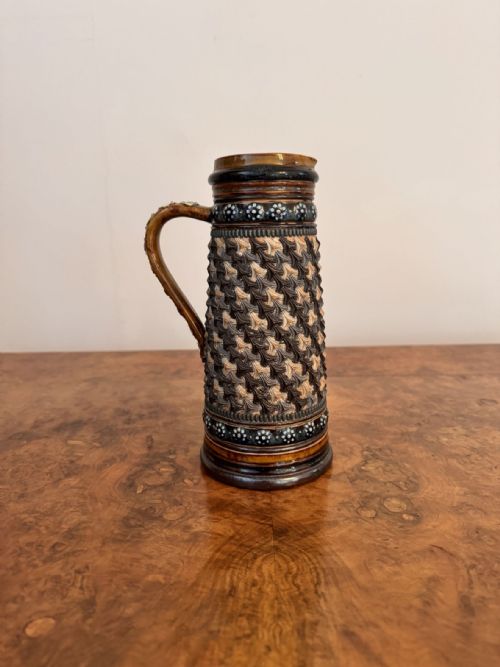
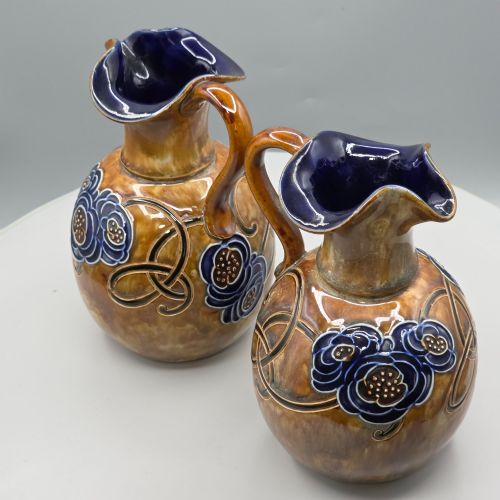
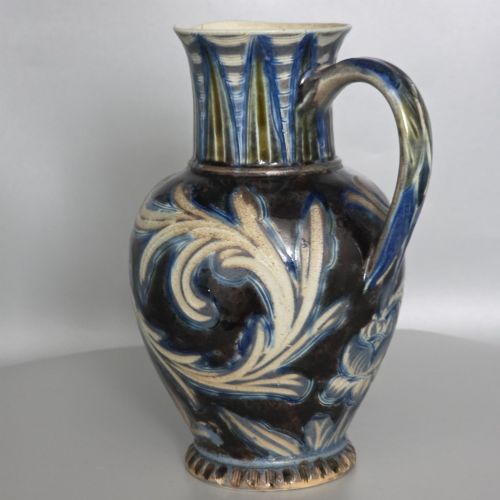
An antique brown jug encompasses utilitarian vessels fashioned from stoneware, earthenware, and salt-glazed ceramic across the seventeenth, eighteenth, and nineteenth centuries. These pieces range from heavy tavern flagons and harvest jugs to delicate Doulton Lambeth ewers and Staffordshire character pieces.
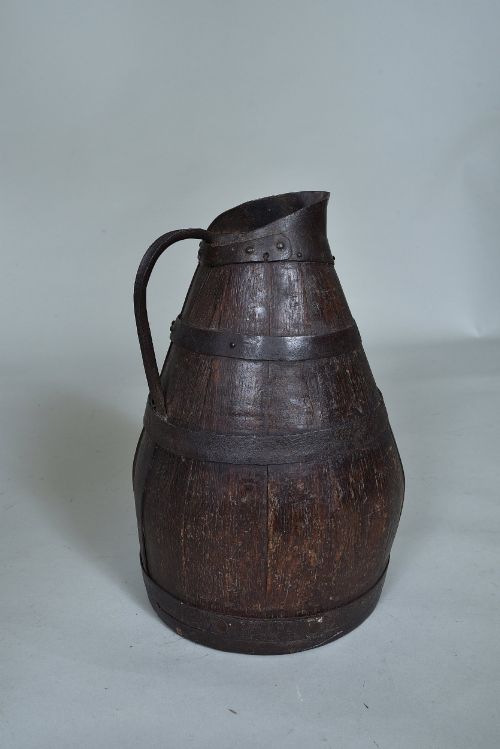
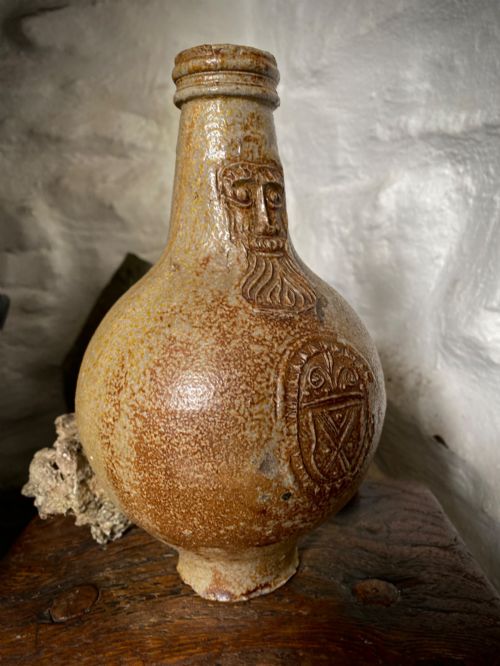
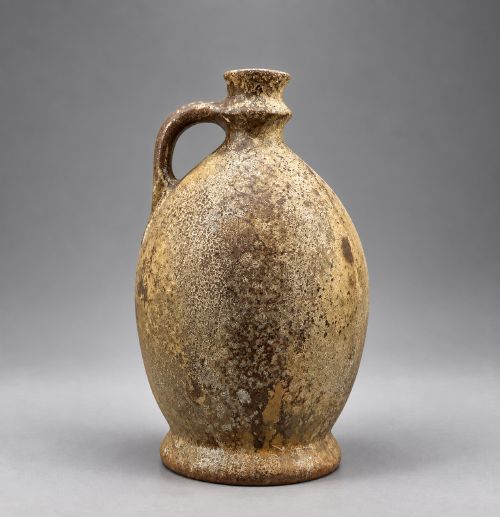
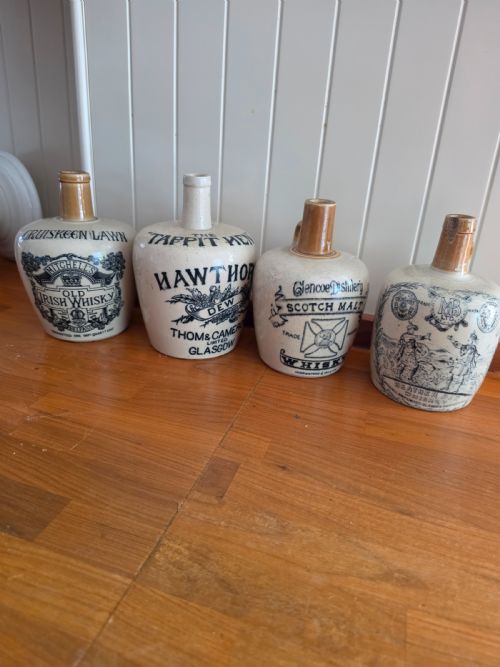
The version most commonly met on this page is the nineteenth-century salt-glazed stoneware or slipware jug, often bearing rich brown patination from decades of kitchen or cellar service. Alongside ceramic vessels, collectors encounter related forms including bottles, mustard pots, and oil jugs.
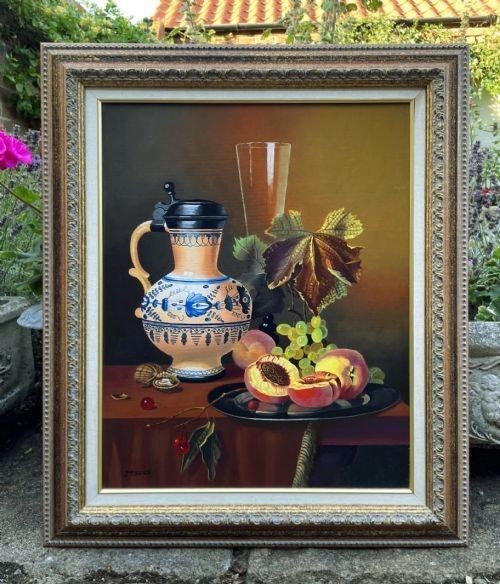
Beyond three-dimensional vessels, the selection occasionally includes oil paintings and watercolours depicting similar brown jugs within still-life and portrait compositions. These diverse mediums share a common material heritage rooted in historic British and European potteries.
How they were made
Potters shaped these vessels primarily from heavy clay and dense stoneware bodies on the potter's wheel, applying lead glazes or salt glazing during high-temperature kiln firings. Salt glaze imparted a characteristic orange-peel texture to the stoneware surface, while slipware decoration involved trailing liquid clay over a contrasting base body.
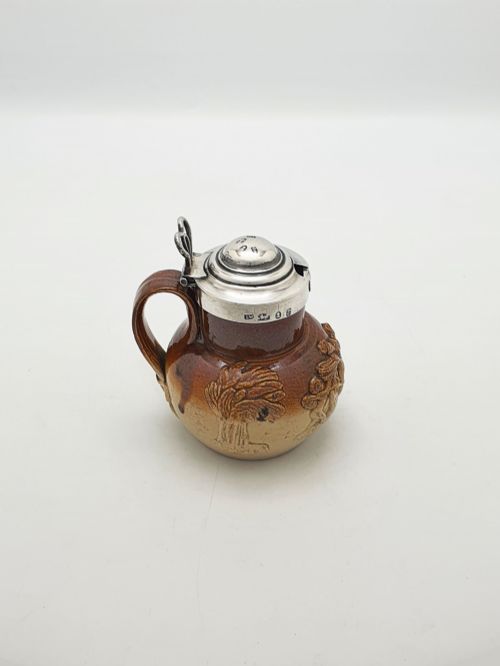
Many nineteenth-century examples incorporated specialised mould-pressed reliefs, such as harvest motifs or sporting scenes, before individual hand-finishing and glazing. Functional additions included applied loop handles, silver-plated rims, and sterling silver collars fitted securely to the ceramic necks.
Antique Brown Jug Retail Price Guide 2026
Typical asking prices for brown jug among the pieces listed under this phrase on Sellingantiques today, from the lower quarter to the upper quarter. They describe what is for sale here now, not the wider market.
Victorian Staffordshire potters occasionally fashioned jugs to resemble grumpy political figures and local characters.
What varies in quality
Quality rests upon the crispness of the moulded detail and the uniformity of the salt or lead glaze across the brown body. Pieces originating from prominent workshops display superior potting symmetry and depth of colour compared to rougher utilitarian wares.
The presence of hallmarked silver mounts or named maker signatures elevates a piece from standard kitchen utility to high-status decorative art. Furthermore, the integrity of the surface patina and the absence of heavy structural restoration dictate desirability among serious collectors.
John Dwight Fulham Pottery·Royal Doulton·Doulton Lambeth·Holdcroft
The Antique Brown Jug Glossary
- Salt glaze
- A ceramic finish created by throwing common salt into the kiln during high-temperature firing, producing a distinctive textured surface. This method protected the porous clay body and resisted harsh liquids.
- Slipware
- Pottery decorated with slip, which is liquid clay poured or brushed over a darker clay body before firing. Potters often used this technique to create bold linear patterns on tavern jugs.
- Toby jug
- A pottery jug shaped as a full-bodied person, typically wearing eighteenth-century attire and holding a mug or jug of beer. These character vessels gained immense popularity during the Victorian era.
- Ewer
- A large jug with a wide spout and an ornate handle, historically used for pouring water at the dining table. They frequently appear in ceramic and metal variations across different design movements.
- Puzzle jug
- A ceramic vessel featuring a pierced neck and multiple spouts designed to confound the drinker who must cover secret holes to imbibe without spilling. These interactive pieces tested tavern wit in past centuries.
Antique Brown Jug: Frequently Asked Questions
What were antique brown jugs used for?
Historic brown jugs served primarily for storing, transporting, and pouring liquids such as ale, wine, oil, and cider in homes and taverns.
Stoneware versions were particularly valued for keeping contents cool and secure due to their dense, impermeable walls.
How do I date an antique stoneware jug?
Dating relies on examining the potting technique, the characteristics of the salt glaze, and any stamped maker marks or excise stamps on the body.
Early seventeenth and eighteenth-century examples display heavier potting and simpler forms, while Victorian pieces often feature elaborate moulded reliefs and factory stamps.
Can I use an antique jug for serving liquids?
Most collectors discourage using antique jugs for daily consumption because historic glazes can degrade and historical materials may be fragile.
Displaying them safely away from heavy traffic preserves their structural integrity and original surface patina.
What is the difference between stoneware and earthenware?
Stoneware is fired at higher temperatures until the clay vitrifies, making the vessel waterproof and exceptionally durable without requiring a complete glaze.
Earthenware remains more porous and relies entirely on surface glazes like lead or slip to hold liquids.