



Antique Brown Footrest
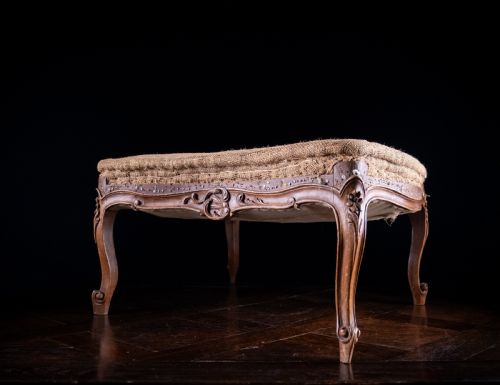
An antique brown footrest brings substantial timber framing and hard-wearing hide together for practical comfort beside a fireside or library chair.
Antique Brown Footrest
An antique brown footrest encompasses low stools, long ottomans, and adjustable library seating spanning the eighteenth to the early twentieth century. Walnut, mahogany, and oak form the structural foundations of these supports, frequently paired with supple leather or woven textiles. Buyers encounter robust Victorian examples alongside lighter Edwardian forms and revival pieces referencing earlier decorative periods.
The assortment on this page ranges from compact footstools to expansive storage ottomans and reclining armchairs designed for complete lower limb elevation. Regional British cabinet-making traditions sit alongside continental influences and specific Arts and Crafts workshop productions. Each object serves the fundamental domestic purpose of elevating feet or resting tired limbs after long periods of standing.
Materials and construction
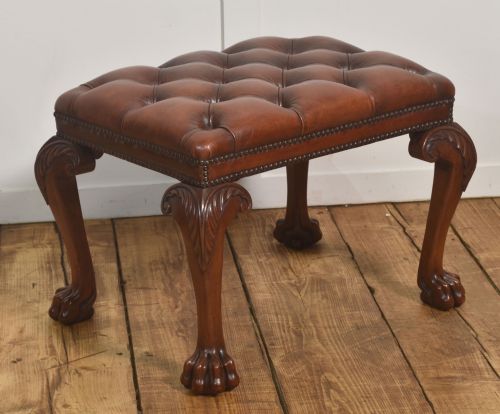
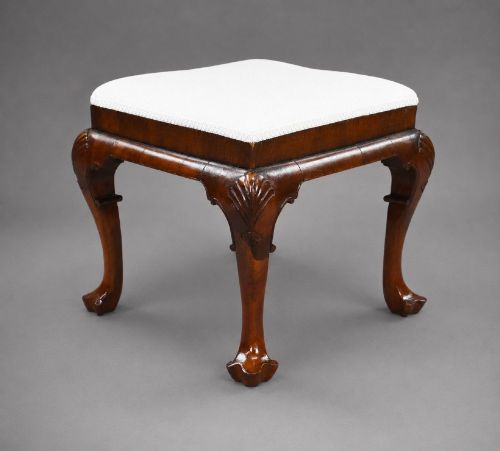
Cabinet makers utilised dense hardwoods including walnut, mahogany, oak, and rosewood to construct stable frames that withstand daily downward pressure. Turned legs, carved lion details, and mortise and tenon joints demonstrate traditional joinery methods employed by regional makers and larger workshops alike. Timber surfaces often display natural grain patination developed through decades of domestic handling and wax polishing.
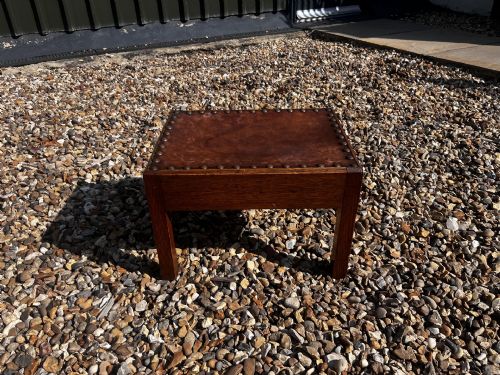
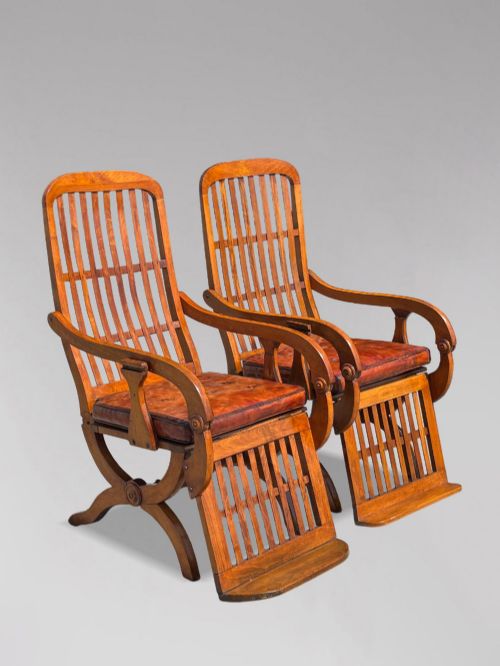
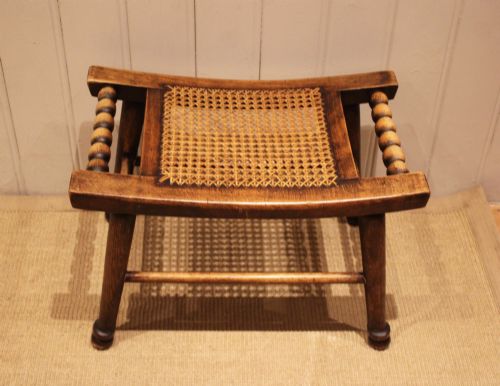
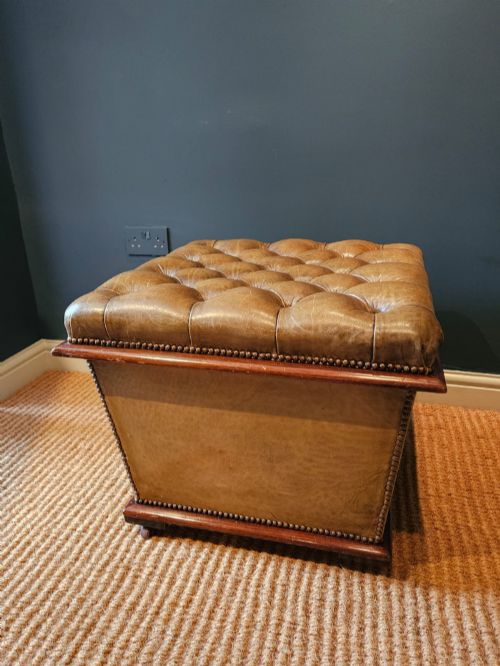
Upholstery techniques combined sturdy internal webbing or cane work with horsehair stuffing and durable leather, tweed, or woven fabric top layers. Brass tacks and turned wooden buttons frequently secure the outer hides to the wooden chassis. Folding mechanisms and adjustable ratchets in more complex library chairs incorporate forged iron and brass components to enable movement.
The furniture forms span simple turned wood country stools, large storage ottomans, and mechanical reclining library armchairs.
Assessing craftsmanship
The integrity of the timber frame and the originality of its structural joints determine the base standard of any piece. Superior examples exhibit crisp hand-carved details, tightly fitted joinery, and well-seasoned hardwoods that resist warping. Lesser items rely on softer secondary woods or possess loose frames resulting from excessive moisture exposure or heavy daily wear.
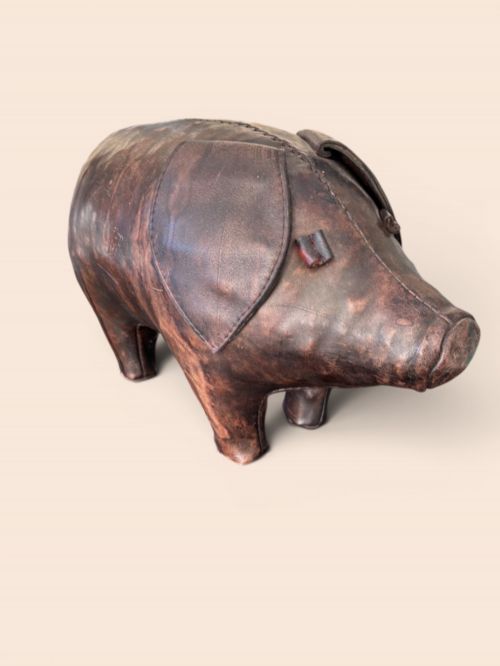
Upholstery quality depends on the retention of traditional stuffing materials and the durability of the outer leather or textile skin. Finely preserved hide shows natural creasing and deep colour variation rather than modern synthetic uniformity. Pieces retaining their original castors, functional mechanical ratchets, or identifiable maker signatures command greater interest among knowledgeable buyers.
Arthur Simpson Of Kendal·Omersa For Liberty·Thonet·Robert Daws
The Antique Brown Footrest Glossary
- Ottoman
- A low, upholstered seat or footstool without a back or arms, often built with internal storage accessible beneath the hinged lid.
- Bergere
- A closed upholstered armchair with a wooden frame where the sides typically feature woven cane panels.
- Mahogany
- A durable, reddish-brown tropical hardwood favoured by cabinet makers during the eighteenth and nineteenth centuries for its fine grain and strength.
- Ratchet
- A mechanical adjustment mechanism utilising a notched metal bar to alter the angle of a reclining chair back or foot support.
- Turned wood
- Timber shaped on a lathe to create cylindrical, spiral, or bulbous structural components such as table and stool legs.
Antique Brown Footrest: Frequently Asked Questions
What is an antique brown footrest?
An antique brown footrest is a domestic seating accessory designed to support the legs, constructed primarily from timber and upholstered in leather or textile.
These items range from simple low stools to long ottomans and adjustable library chair pairings originating from the eighteenth to the early twentieth century.
How do I date an antique footstool?
Dating relies on examining the timber species, joinery methods, tool marks left by cabinet makers, and the style of the carved ornamentation.
Victorian and Edwardian pieces often display machine assistance alongside hand shaping, whereas eighteenth-century examples rely entirely on hand tools and pegged joints.
Were these footrests used in libraries?
Many sturdy leather and mahogany footstools were specifically designated for library use alongside heavy reading armchairs.
These pieces were constructed to endure heavy daily service in formal study rooms and gentlemen's retreats.
How should I care for leather upholstery?
Historic leather requires gentle cleaning and periodic applications of traditional wax or feeding creams to prevent the hide from drying and cracking.
Keeping these surfaces away from direct sunlight and artificial heat sources preserves the natural colour and suppleness of the material.