


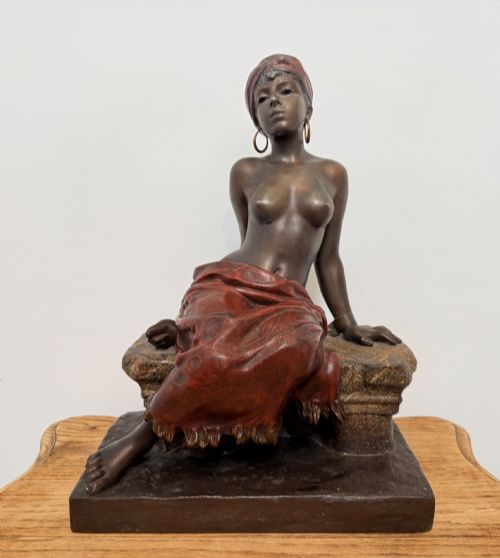
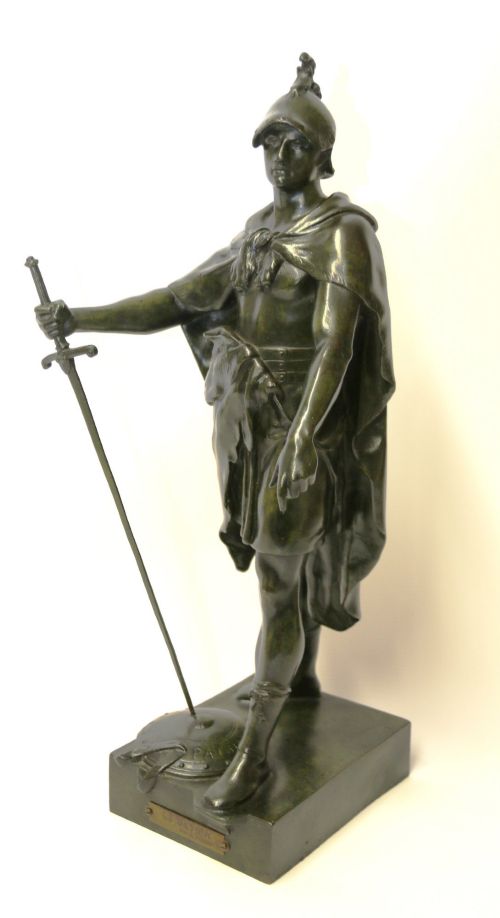
Antique Bronzed Mantel Sculpture
An antique bronzed mantel sculpture brings nineteenth-century presence to a room, offering cast-metal figures and decorative objects scaled for a shelf or fireplace.
Antique Bronzed Mantel Sculpture
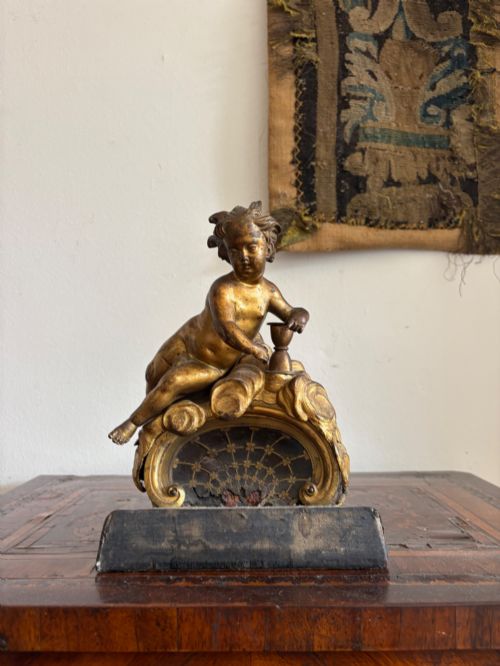
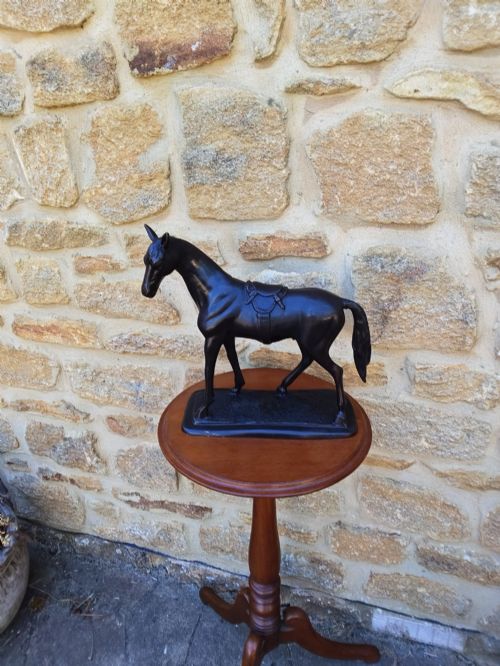
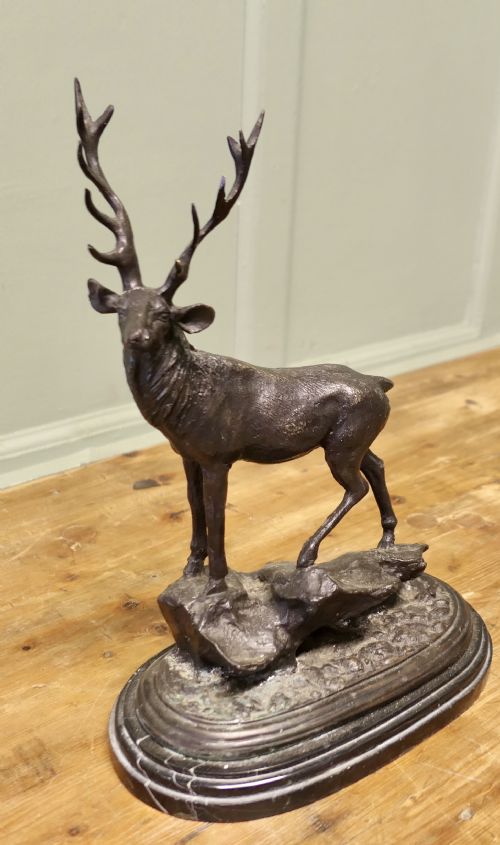
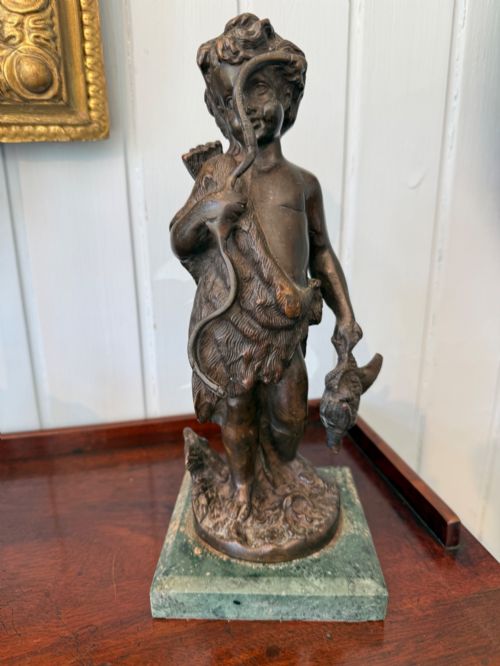
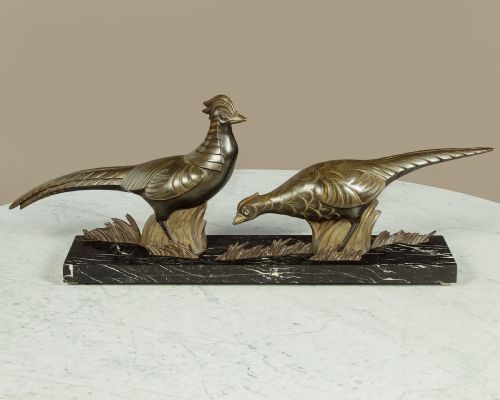
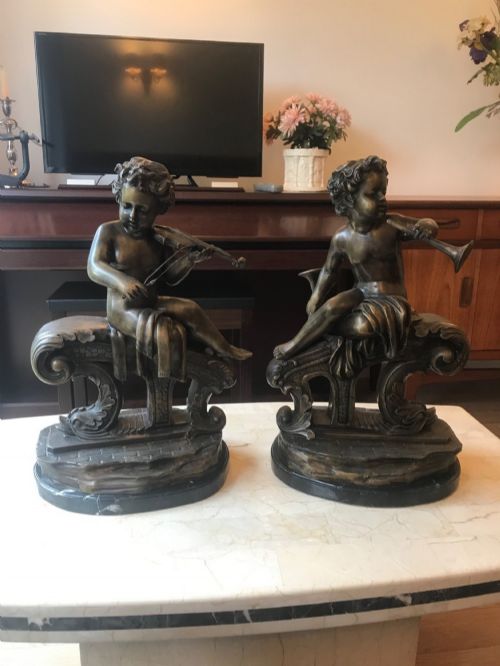
An antique bronzed mantel sculpture comprises metal figures, animals, and classical subjects designed to sit upon a shelf or chimney piece. The selection ranges from nineteenth-century French foundry works to twentieth-century Art Deco dancers and animal studies.
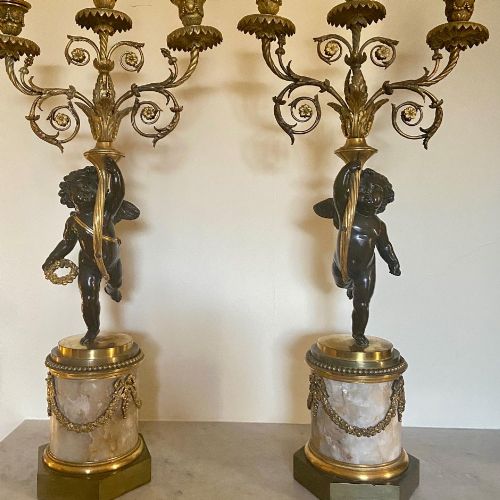
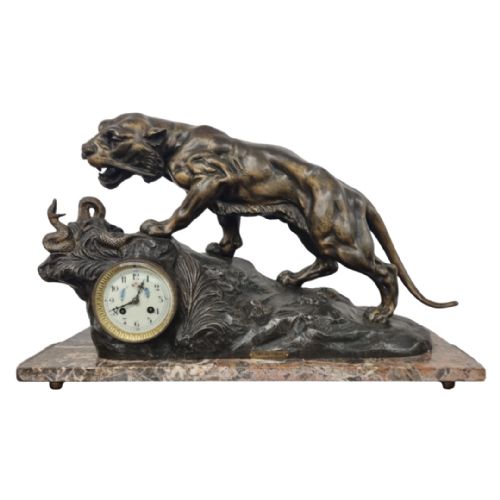
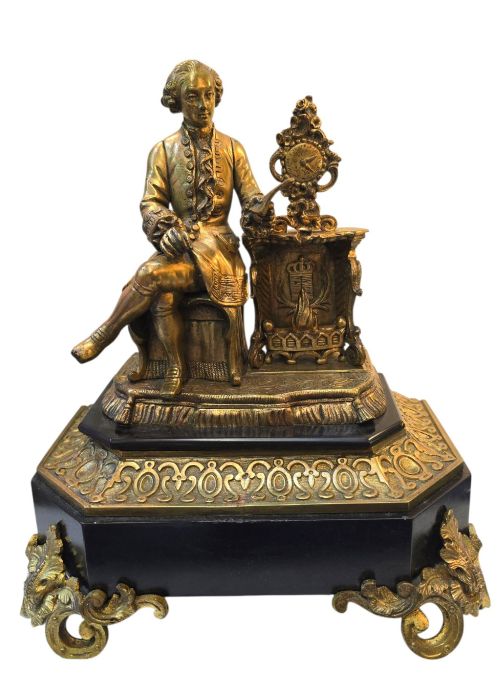
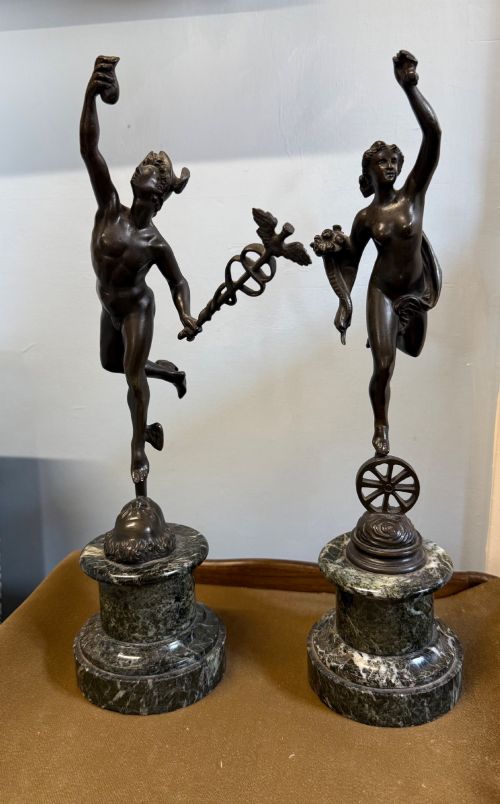
Buyers encounter subjects spanning mythological figures, putti, and wildlife mounted on marble, onyx, or slate plinths. Many pieces double as functional objects such as candlesticks, candelabra, or clock garnitures.
French nineteenth-century animalier studies and later twentieth-century Art Deco figures dominate the styles available. These works capture specific periods of foundry production, from classical revivals to modernist dancer motifs.
How They Were Made
Foundries utilised the lost-wax casting method or sand casting to produce these metal works, capturing fine details in the surface before applying patination. Figures were cast in bronze, gilt bronze, or spelter, with patinated finishes achieved through chemical treatments.
Many sculptures incorporate multi-media elements, pairing cast metal with carved ivory, marble plinths, or slate bases. Ormolu highlights and hand-painted details frequently accent the primary metallic surfaces.
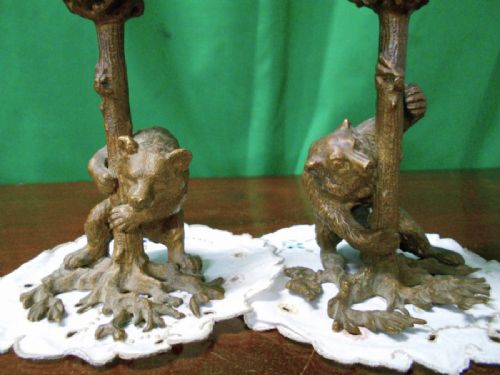
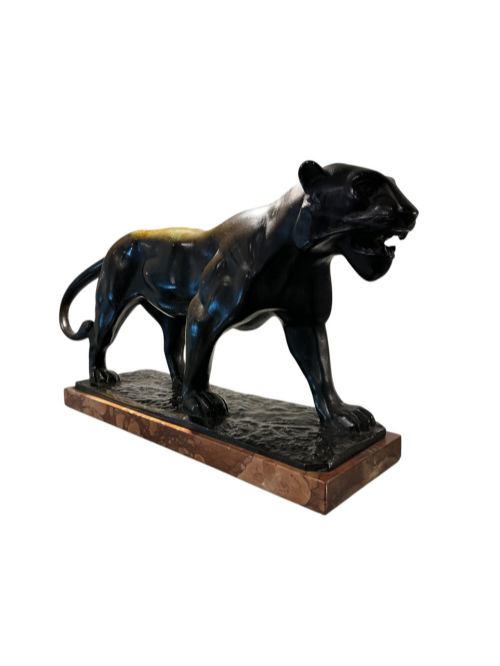
Watch for bears holding candlesticks and panthers pacing across marble bases.
What Varies in Quality
The quality of the patination and the integrity of the base material set distinct tiers within the range. Original marble or onyx plinths fitted securely to the metalwork indicate higher production standards than later replacements.
Josef Lorenzl·Émile Louis Picault·Emile Carlier·Isadore Bonheur·Antoine Louis Barye·Clovis Masson·Paul Philippe·Sylvain Kinsburger
The Antique Bronzed Mantel Sculpture Glossary
- Animalier
- A nineteenth-century artistic movement dedicated to the realistic portrayal of animals, particularly predators in motion. Sculptors in this tradition studied anatomy closely at menageries.
- Spelter
- A zinc alloy frequently utilised as a less costly alternative to bronze during the late nineteenth and early twentieth centuries. It accepts patination well to simulate heavier metal.
- Ormolu
- Gilt bronze produced by applying a mixture of gold and mercury to a bronze base, then firing to drive off the mercury. This technique creates a rich, durable golden surface.
- Chryselephantine
- A term describing statues constructed from a combination of bronze and ivory. This style achieved significant popularity during the Art Deco period for figurative dancer studies.
- Patination
- The surface coloration and texture developed naturally over time or applied chemically by a foundry. It protects the underlying metal while enhancing visual depth.
Antique Bronzed Mantel Sculpture: Frequently Asked Questions
What is an antique bronzed mantel sculpture?
These pieces are decorative cast metal figures, animals, or classical motifs designed to sit on a mantelpiece or shelf. They bring traditional craftsmanship and varied periods of design into a domestic interior.
Most examples originate from French or European foundries active during the nineteenth and early twentieth centuries. They often feature combination materials such as marble bases or gilt accents.
How do I clean a bronze sculpture?
Dust the surface regularly with a soft, dry brush to prevent particulate buildup in the crevices of the metal. Avoid using liquid cleaners, polishes, or abrasive cloths that can strip the original patina.
If the piece requires deeper attention, consult a professional conservator rather than attempting chemical restoration at home. Preserving the existing surface layer maintains the integrity of the object.
Are spelter and bronze the same?
Spelter is a zinc-based alloy, whereas bronze is primarily an alloy of copper and tin. Spelter is lighter, softer, and typically cheaper to produce than genuine bronze.
Foundries often painted or patinated spelter to mimic the appearance of bronze. Closer inspection of the base metal or weight usually reveals the difference between the two materials.
How do I date a mantel sculpture?
Dating relies on stylistic markers, such as the streamlined geometry of Art Deco pieces compared to nineteenth-century animalier or classical revival works. Foundry stamps, artist signatures, and the type of base material also provide chronological clues.
Comparing the casting technique and patination style against documented examples from specific decades helps narrow down the period of manufacture.