


Bronze Children Statue
A bronze children statue captures youth and domestic warmth in metal, offering collectors character and narrative.
Bronze Children Statue
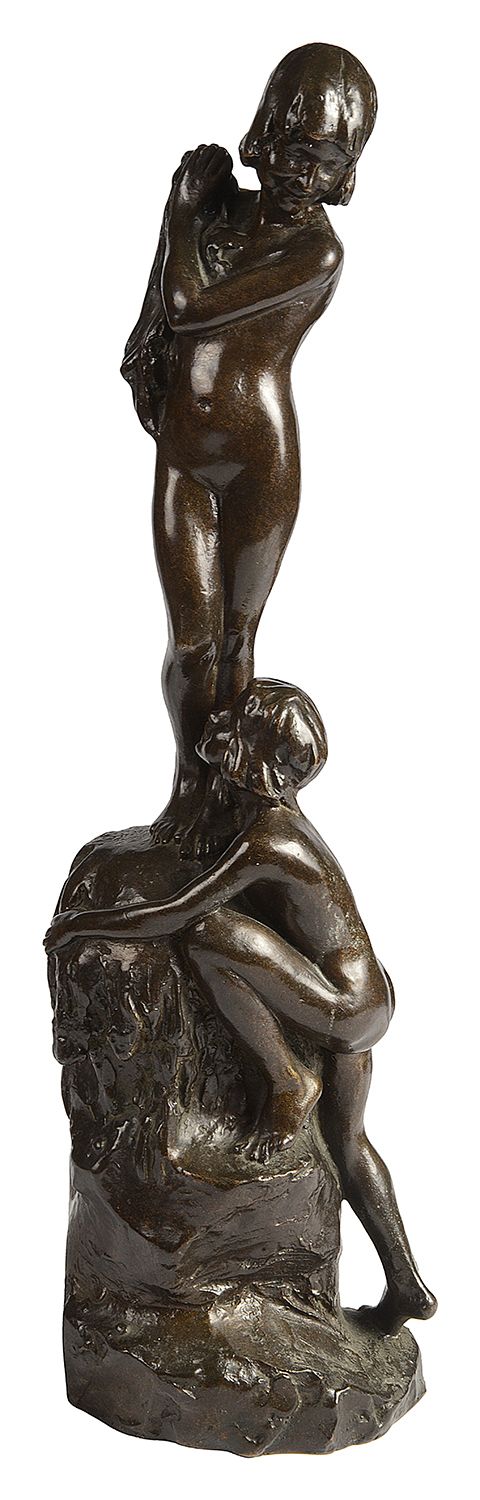
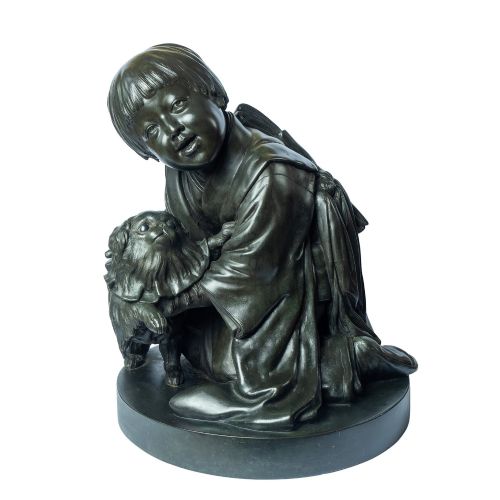
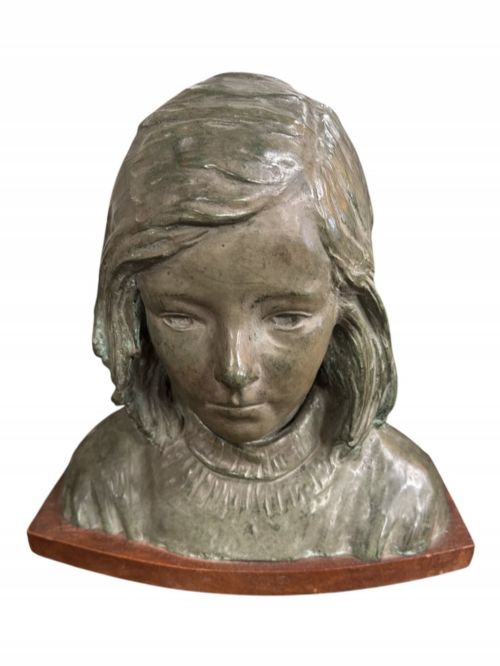
A bronze children statue represents figures of youths, infants, and family groups, frequently encountered in nineteenth-century French and early twentieth-century designs. These pieces often depict children bathing, gathering grapes, or engaging with animals, reflecting domestic or classical themes.
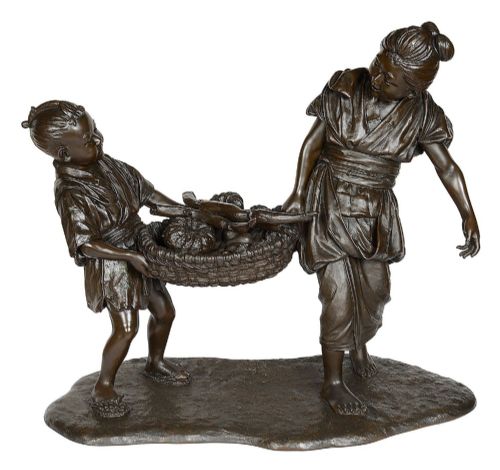
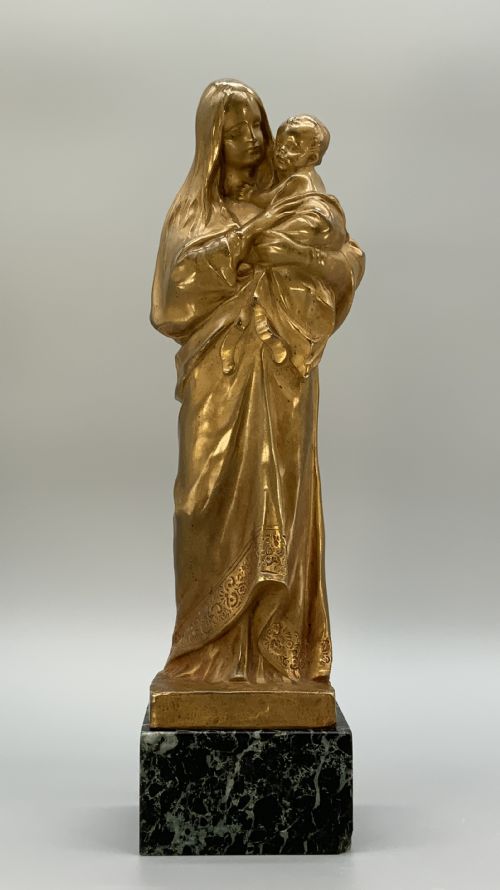
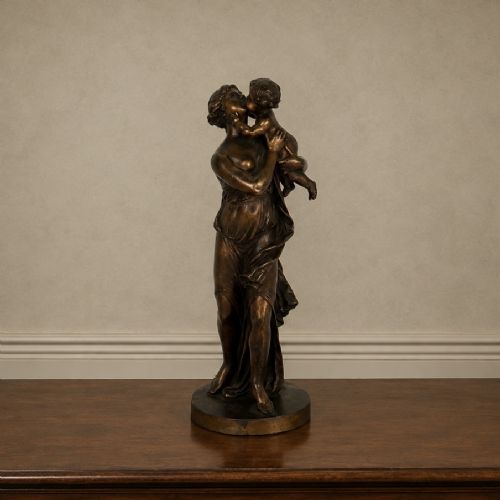
The selection ranges from Victorian grand tour figures to Art Deco studies and Japanese okimono. Many works show mothers with children, capturing maternal bonds alongside childhood scenes.
Materials and Working Methods
Cast metal forms the core of these works, utilising bronze alongside patinated metal, silvered bronze, and spelter. Bases frequently incorporate marble, onyx, wood, or alabaster to support the weight of the metal.
Makers applied various surface treatments, including gilding and dark patinas, to highlight facial expressions and drapery. Some figures pair metal casting with carved stone or terracotta elements.
Materials span from bronze, gilt bronze, and silvered bronze to spelter, marble, onyx, alabaster, and wood.
Assessing Craftsmanship
The integration of the figure with its base also marks distinction, as does the depth and durability of the applied patina. Superior pieces demonstrate balance between the subject and the supporting stone or wood.
Hans Müller·Masaaki·P. Sega·H. Chiparus·Auguste Moreau·Carl Kauba·Lucien Madrassi·Alexandre Kelety·Dumond·J Camus·Marion Willis Stanfield·Xavier Raphanel·Carrier·Pigale·Antoine Bofill
The Bronze Children Statue Glossary
- Bronze
- An alloy of copper and tin used for casting sculpture. It takes fine detail and develops a stable patina over time.
- Spelter
- A zinc alloy utilised as a substitute for bronze. It is lighter in weight and softer to the touch.
- Patina
- The surface coloration and sheen acquired by metal through age or chemical treatment. It protects the alloy and adds visual depth.
- Okimono
- A Japanese decorative statue designed for display. These objects often portray realistic domestic subjects.
- Grand Tour
- A nineteenth-century journey through Europe undertaken by travellers collecting classical art and small bronzes.
Bronze Children Statue: Frequently Asked Questions
How do I clean a bronze children statue?
Dust the surface gently with a soft, dry cloth to remove accumulated particles without disturbing the underlying patina.
Avoid using water, household detergents, or metal polishes, as these substances strip historical finishes and damage the alloy.
What periods do these sculptures cover?
The pieces span from the nineteenth century through the Art Deco era and the early twentieth century.
Victorian and French nineteenth-century works sit alongside Japanese Meiji period examples and later twentieth-century interpretations.
Are all these pieces solid bronze?
Not every item consists entirely of solid bronze, as some utilise related metals such as spelter or bronzed metal.
Base materials also vary, incorporating marble, alabaster, onyx, and wood alongside the primary metallic figures.
Where were these statues displayed?
Owners historically placed these sculptures on mantelpieces, desks, and dedicated tabletops within domestic interiors.
Some versions functioned additionally as functional items, serving as table lamps or incorporating supporting trays and dishes.