
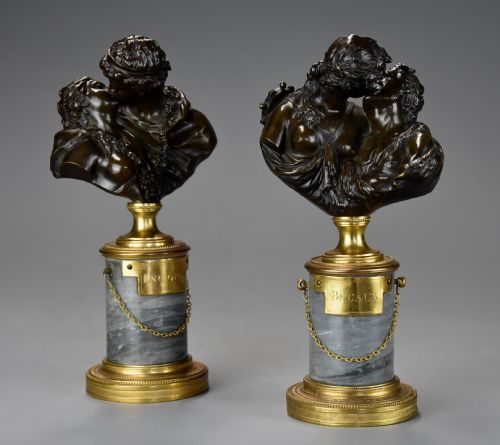


Vintage Bronze Figurative Statue
A vintage bronze figurative statue brings tangible human form and character into a room through enduring metalwork.
Vintage Bronze Figurative Statue
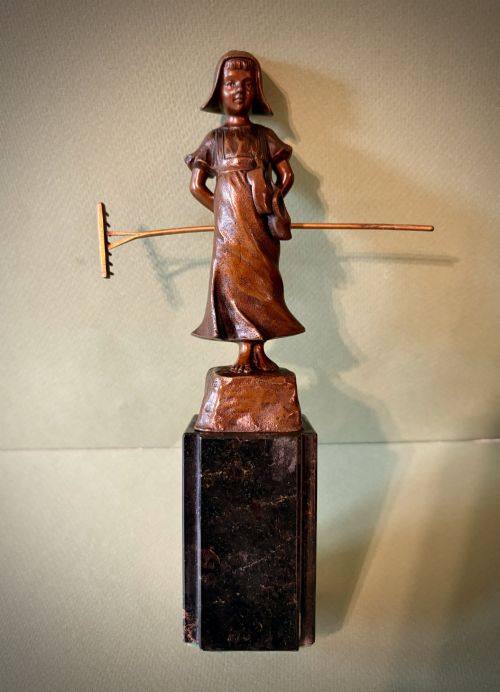
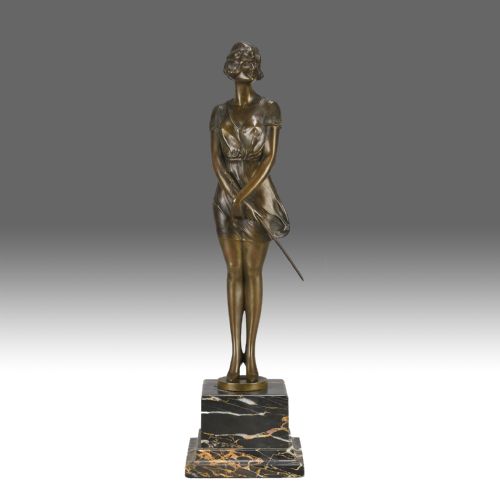
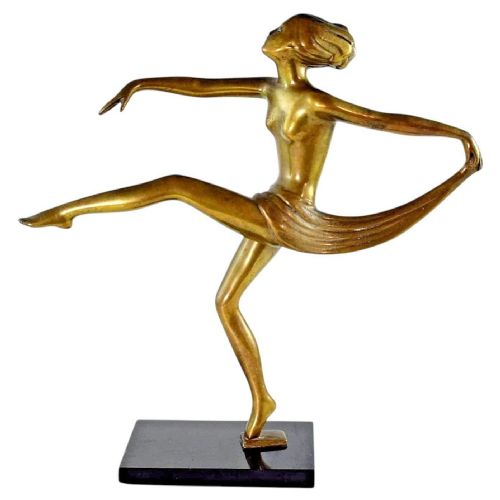
A vintage bronze figurative statue represents human subjects, ranging from classical female nudes and dancers to historical figures, workers, and children. When you examine a vintage bronze figurative statue on this page, you encounter forms that span several distinct decades and design movements.
The selections here stretch across the nineteenth century, the Georgian era, and into the Art Nouveau and Art Deco periods of the early twentieth century. You will find standalone sculptures, busts, table lamps, and clock garnitures executed in varied scales.
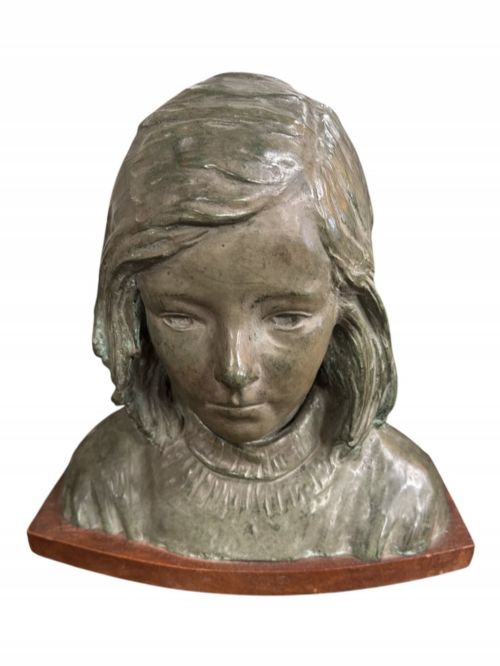
French nineteenth-century workshops and Austrian foundries contribute strongly to the offerings. Subjects often capture movement, such as dancers and athletes, or serene portraiture in the form of young girls and historical characters.
Materials and casting methods
Foundries primarily shaped these figures using bronze, often patinated to achieve dark brown, gilt, or golden surfaces. Cast metal forms frequently incorporate marble bases, adding structural weight and a contrasting textural element to the sculpture.
Alternative compositions utilise spelter or bronzed metal as a substitute for solid bronze, paired occasionally with painted details, terracotta, or wood. Sculptors modelled their subjects in clay or plaster before translating them into metal through traditional casting techniques.
A cheerful pierrot playing an accordion sits quietly on marble, waiting to serenade your mantelpiece.
Assessing execution and detail
The integration of secondary materials, such as finely veined marble plinths or well-fitted ormolu mounts, distinguishes higher-grade works from simpler production pieces. Signed studies by known sculptors carry distinct artistic weight compared to anonymous foundry output.
Bruno Zach·Josef Lorenzl·Jean Antoine Houdon·Friedrich Goldscheider·Elizabeth Anna Clapp·Ferdinand Preiss·Emmanuel Villanis·Charles Anfrie·Antoine Bofill
The Vintage Bronze Figurative Statue Glossary
- Patina
- The surface coloration and sheen acquired by bronze either naturally over time or through chemical application by the founder. This treatment defines the visual depth of the metal.
- Spelter
- A zinc alloy frequently used as a cheaper alternative to bronze in figurative statuary, often given a bronze-like coating. It is softer and lighter than genuine bronze.
- Garniture
- A set of ornamental objects for a mantelpiece, typically comprising a central clock flanked by matching figures or vases. These sets often incorporate bronze or spelter elements.
- Chasing
- The manual refinement of a cast metal surface using hammers and punches to sharpen details and remove casting flaws. Master chasings separate high-end sculptures from basic casts.
- Bust
- A sculpted representation of a person from the chest or shoulders up. Busts focus closely on facial expression and portraiture rather than full bodily motion.
Vintage Bronze Figurative Statue: Frequently Asked Questions
How do I distinguish bronze from spelter?
Bronze is heavier, colder to the touch, and rings with a clear tone when tapped gently. Spelter is a softer zinc alloy that feels lighter and shows a duller sound.
Inspect the underside or areas of wear where the underlying metal shows through. Spelter often reveals a greyish-white interior beneath its surface finish.
Where should I place a figurative statue?
These pieces suit mantelpieces, side tables, or dedicated display pedestals where adequate lighting highlights their contours. Ensure the surface is stable and capable of supporting the weight of marble and metal.
Keep figures away from direct heat sources and strong sunlight to protect patinated surfaces and any attached marble or wooden components.
What periods do these sculptures cover?
The selection includes works from the Georgian era, mid and late nineteenth-century French foundries, and early twentieth-century Art Nouveau and Art Deco movements. Dates range from the 1880s through to the 1930s.
Stylistic shifts reflect changing tastes, moving from classical historical realism towards stylised, dynamic representations of the human form.
How do I care for antique bronze figures?
Dust the surface regularly with a soft, dry lint-free brush to prevent particulate buildup in recessed details. Avoid using commercial metal polishes, which strip away the historic patina.
Apply a microcrystalline wax very sparingly if the metal requires protection, buffing it gently with a soft cloth to maintain a stable finish.