
Antique Bronzed Figurine
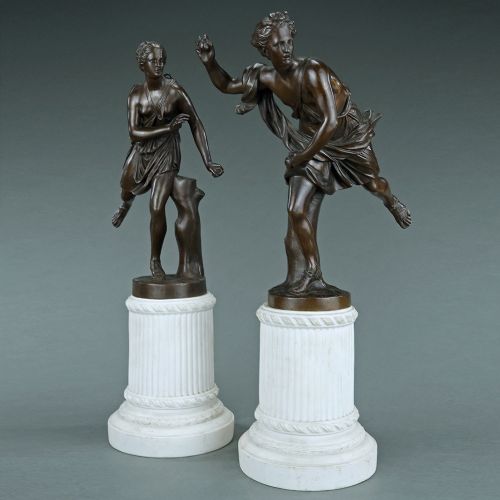
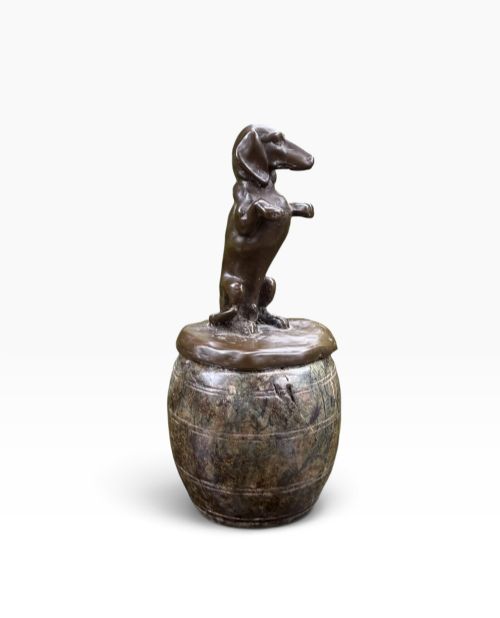
An antique bronzed figurine captures mythological figures, dancers and animals in metal, offering tactile weight and historic character to a desk or mantelpiece.
Antique Bronzed Figurine
When you search for an antique bronzed figurine, you encounter small sculptures and statuettes drawn from the nineteenth century and the early decades of the twentieth century. These pieces encompass classical subjects, animalier studies, and distinct stylistic movements such as Art Deco and Art Nouveau.
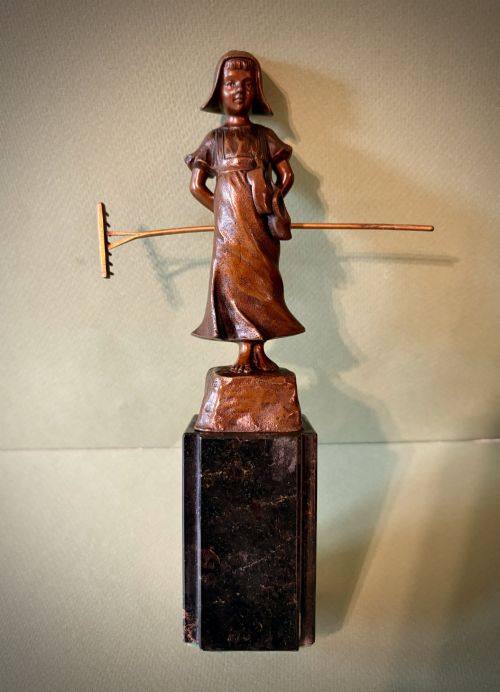
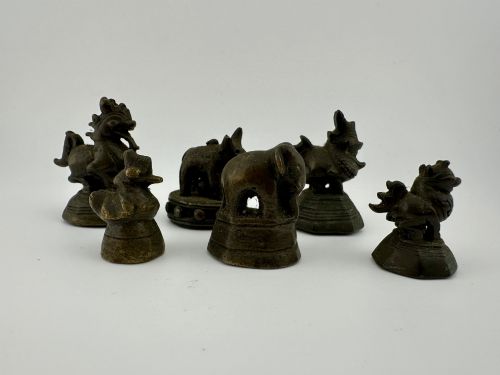
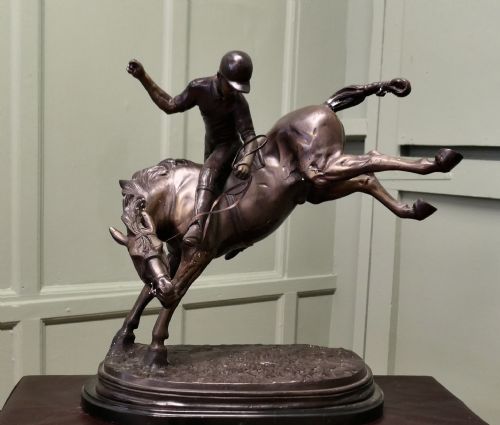
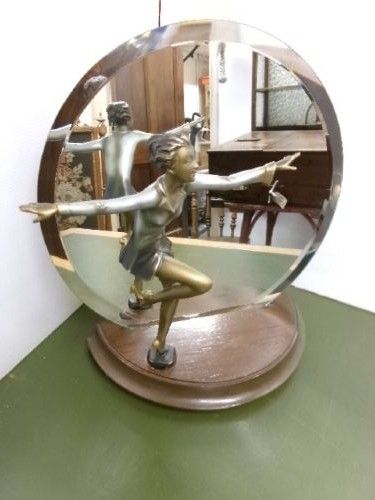
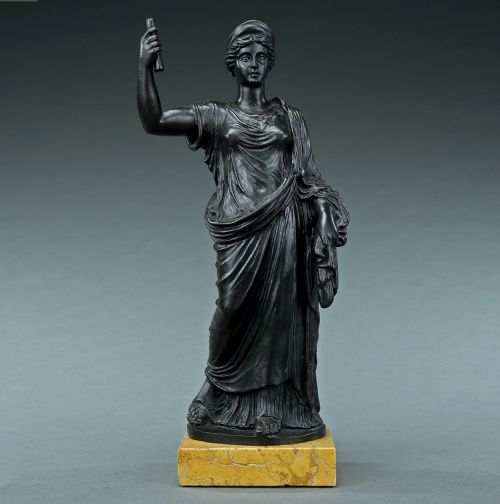
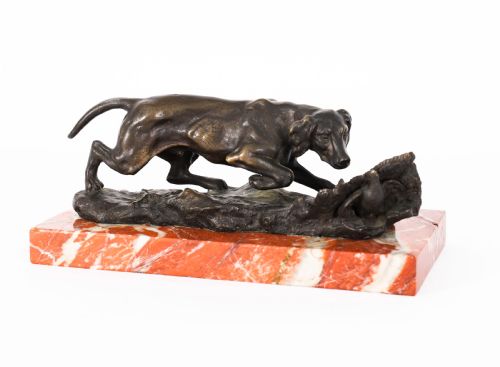
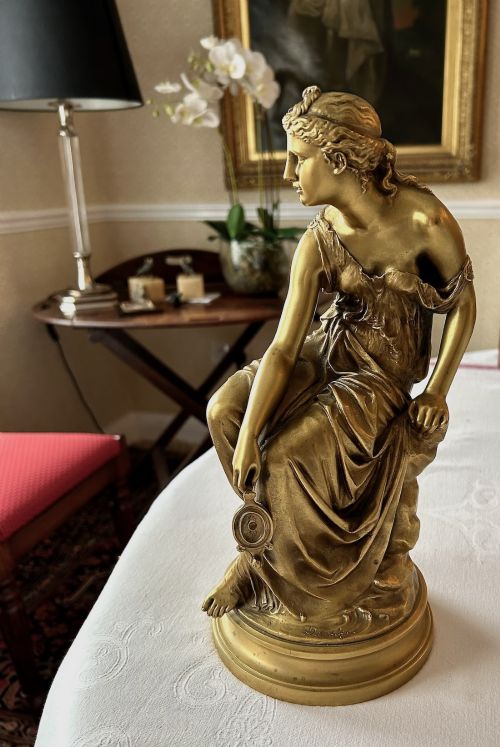
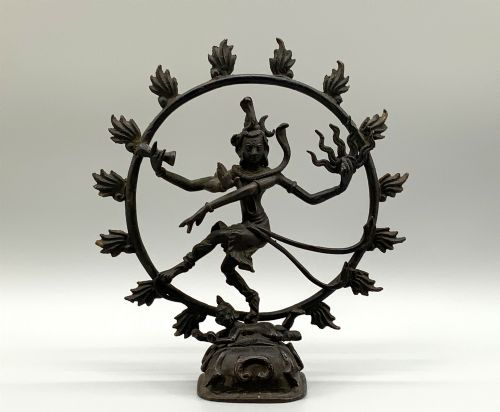
You are most likely to meet French and Austrian works produced during the Victorian and Edwardian periods, alongside Japanese Meiji period examples and Chinese bronzes. Forms range from dancing ladies and mythical deities to naturalistic animals mounted on stone plinths.
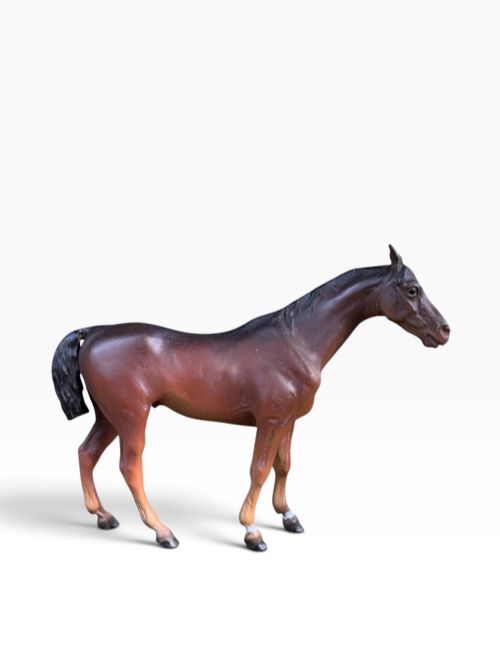
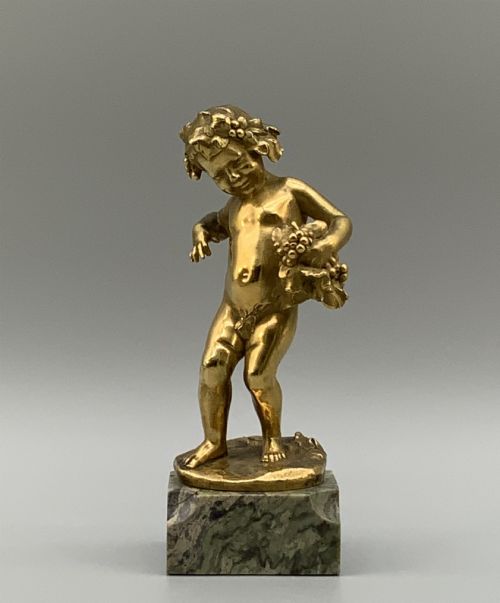
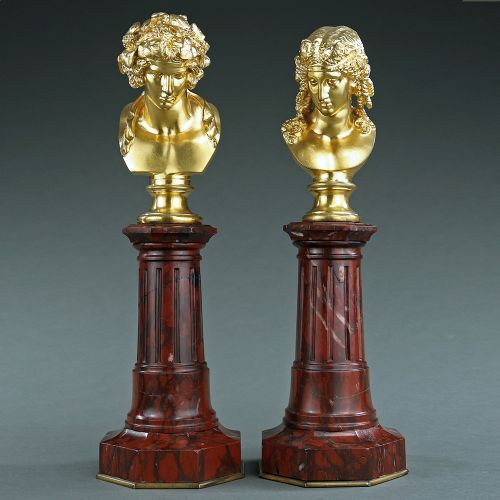
The materials span patinated bronze, gilt bronze, and cold-painted surfaces, frequently paired with marble, onyx, or wood bases. Each piece reflects the decorative tastes of its original European or Asian workshop origin.
Materials and casting methods
The creation of these works relies on metal casting, predominantly utilising bronze or spelter poured into moulds. Artisans then refined the raw metal through chiselling and filing to sharpen details such as drapery folds, hair, and facial expressions.
Surface finishes define the visual character, achieved through chemical patination, fire gilding, or cold-painting over a metallic base. Many figures incorporate heavy stone plinths made from marble or onyx to provide stability and visual contrast.
Listings demonstrate a broad chronological span, featuring nineteenth-century Grand Tour bronzes alongside 1920s Art Deco dancers and Meiji period Japanese mixed-metal okimono.
Distinctions in execution
The integrity of the surface finish dictates visual appeal, as original patination or cold-painted polychromy holds greater artistic weight than later overpainting. Furthermore, the selection of the mounting base, such as veined marble or matched onyx, contributes to the overall cohesion of the object.
Carl Kauba·Etienne-Henri Dumaige·Susse Freres·Barbedienne·Bruno Zach·P J Mene·Franz Bergman·Pierre le Faguays·Ferdinand Preiss·Josef Lorenzl
The Antique Bronzed Figurine Glossary
- Animalier
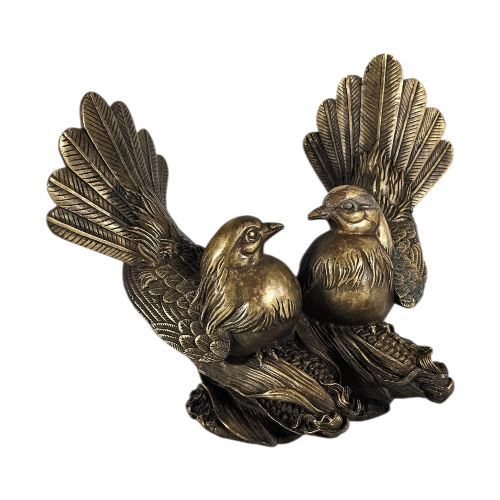
- A nineteenth-century artistic movement focused on the realistic depiction of animals, particularly predators, domestic pets, and birds in motion. Sculptors in this genre studied anatomy closely to capture natural postures.
- Cold-painted bronze
- A technique where oil paint is applied to a cold bronze surface rather than fired in a kiln. This method allows for vivid polychrome details on birds, human figures, and orientalist subjects.
- Spelter
- A zinc alloy frequently utilised as a less costly alternative to bronze during the nineteenth and early twentieth centuries. It accepts patination well but possesses a lighter weight and softer structural strength than bronze.
- Grand Tour
- A cultural journey undertaken by nineteenth-century Europeans to study classical antiquities abroad. Tourists purchased small bronzes of mythological figures and architectural busts as souvenirs of their travels.
- Patination
- The chemical or natural alteration of a metal surface over time through oxidation or deliberate treatment. A controlled patina deepens the colour and highlights the sculptural contours.
Antique Bronzed Figurine: Frequently Asked Questions
What is the difference between bronze and spelter?
Bronze is a durable copper and tin alloy with a notable physical weight and a resonant tone when struck. It accepts chemical patination deeply and resists bending under normal conditions.
Spelter is a softer zinc alloy commonly used for affordable decorative figures during the late nineteenth century. It feels lighter in the hand, can show microscopic casting flaws more readily, and cracks under stress.
How do I identify Art Deco figures?
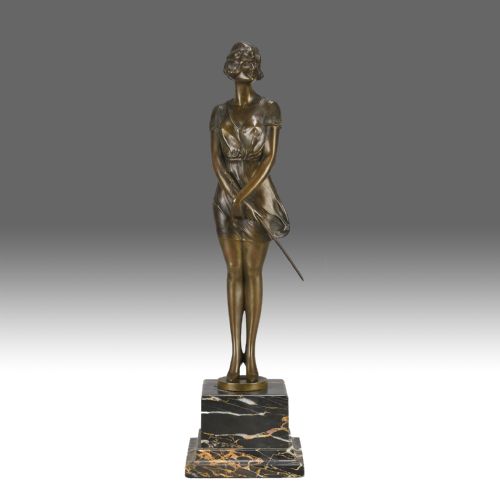
Art Deco figures display stylised geometry, sleek lines, and aerodynamic postures inspired by the interwar period of the 1920s and 1930s. Subjects frequently include exotic dancers, athletic women, and streamlined animals.
The materials often combine cold-painted metal with ivory resins, onyx bases, or stepped marble plinths. Signatures from artists associated with this movement often appear directly on the base or the lower drapery.
Why are some figures mounted on marble?
Marble and onyx bases provide essential physical stability for top-heavy metallic sculptures, anchoring slender figures securely to a surface. These heavy plinths also frame the composition visually, separating the sculpture from the table or mantelpiece.
During the Art Deco period, coloured and geometric stone bases became an integral part of the overall design. The choice of stone often helps date the piece according to prevailing interior design fashions.