
Antique Bronze Urn Lighting
Antique bronze urn lighting combines classical form with functional illumination, offering heavy metal bodies and porcelain inserts for rooms that require weight and presence.
Antique Bronze Urn Lighting
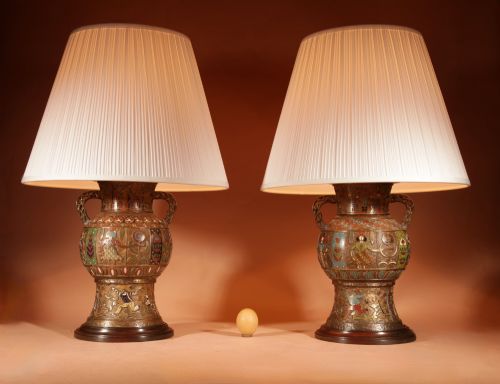
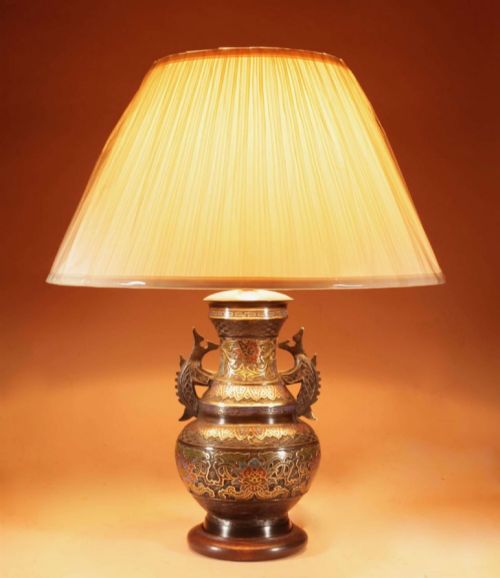
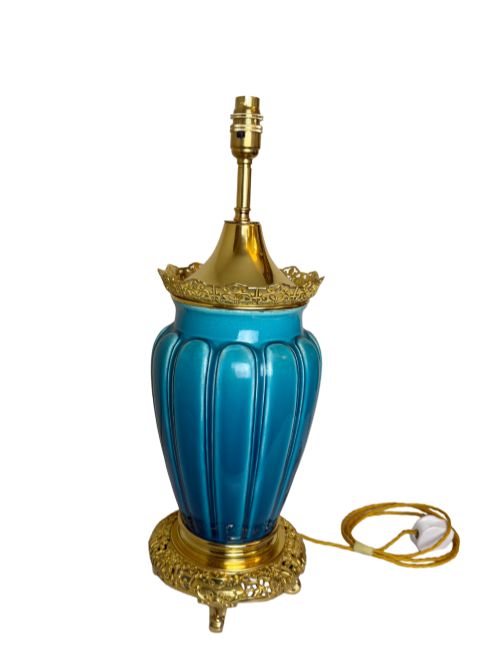
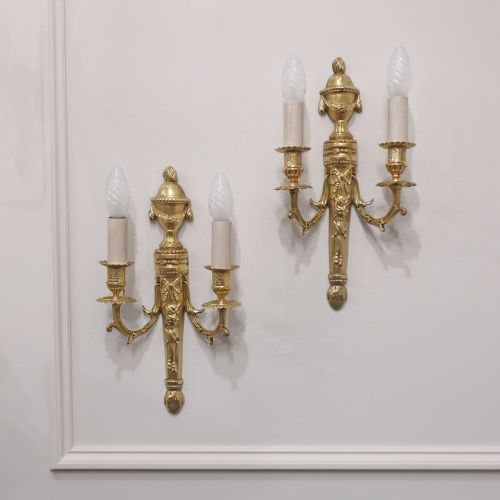
Antique bronze urn lighting comprises table lamps, candelabras, and wall lights adapted from traditional vessel shapes such as vases, ewers, and classical urns. These pieces originate predominantly from the nineteenth century, drawing heavily on French Neoclassical, Louis XVI, and Meiji Period aesthetics.
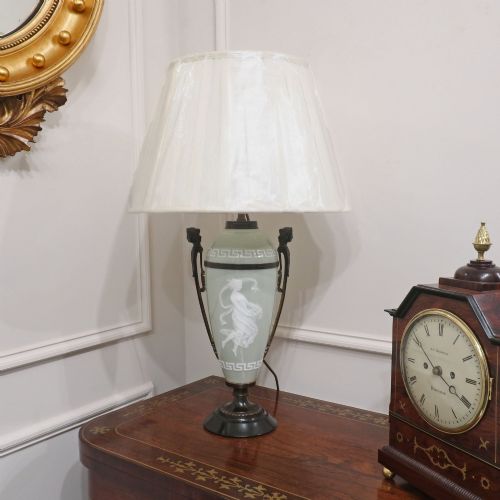
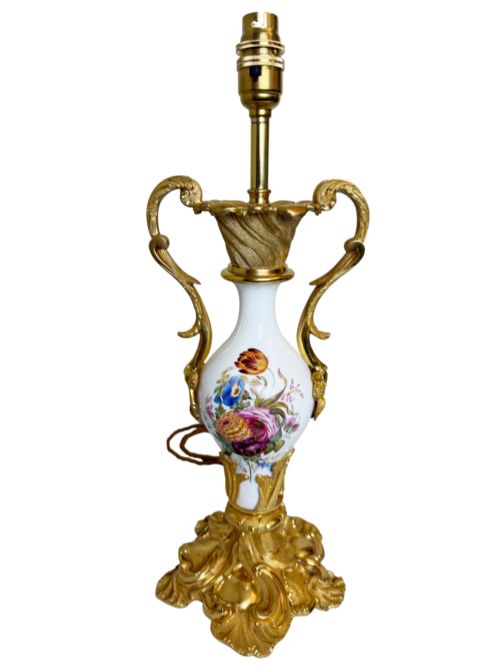
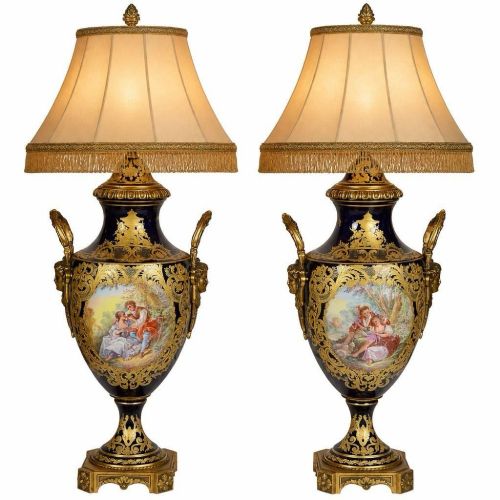
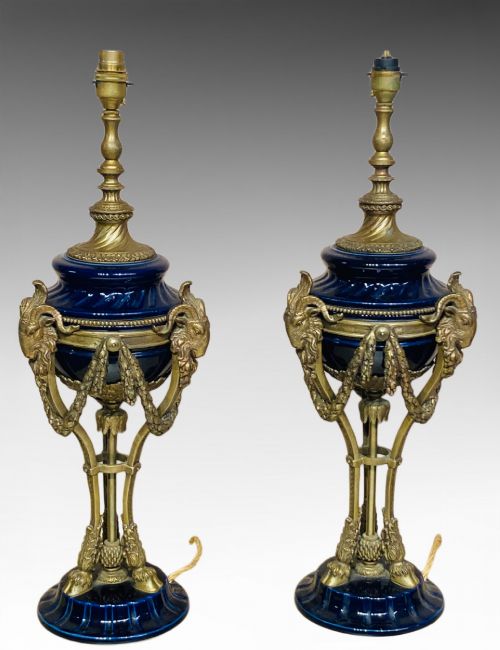
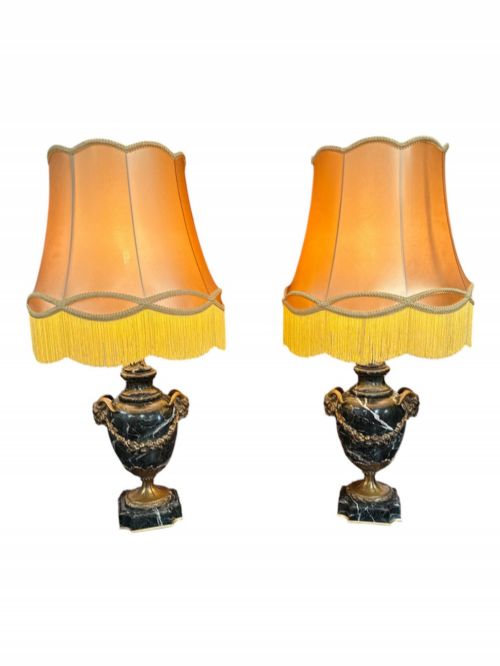
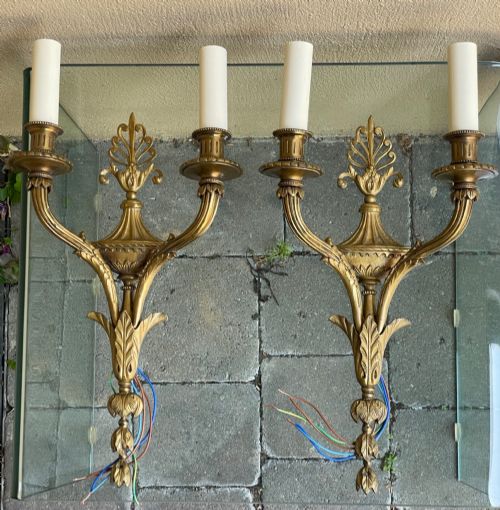
The most common examples on this page are table lamps and wall sconces that pair cast metal bodies with fabric shades. Many incorporate marble bases, porcelain bodies, and gilt bronze mounts to elevate the standard urn silhouette into a decorative focal point.
How they were made
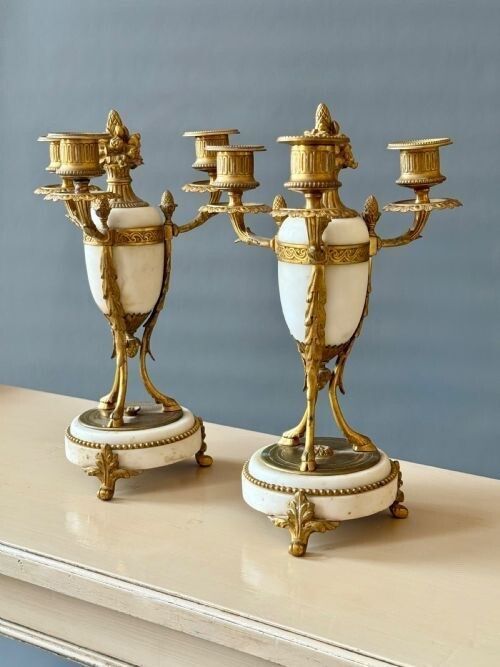
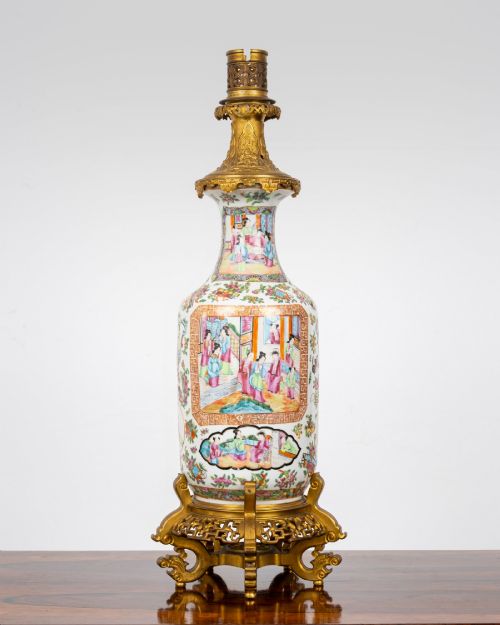
Foundry workers cast bronze, brass, and ormolu into complex vessel shapes, often utilising mercury gilding or modern electroplating to achieve a durable gold-coloured finish. These metal mounts are paired with turned white marble, rouge marble, or glazed porcelain bodies, secured together with internal threaded rods.
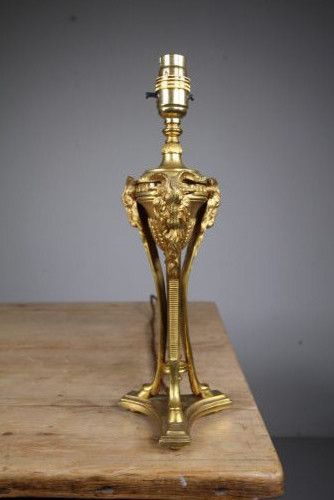
Artisans decorated the surfaces through champlevé enamel work, pate sur pate porcelain techniques, and hand-chased metal detailing featuring ram's head masks and floral motifs. Many examples show evidence of later conversion, where gas or oil fittings were adapted to accommodate electrical wiring.
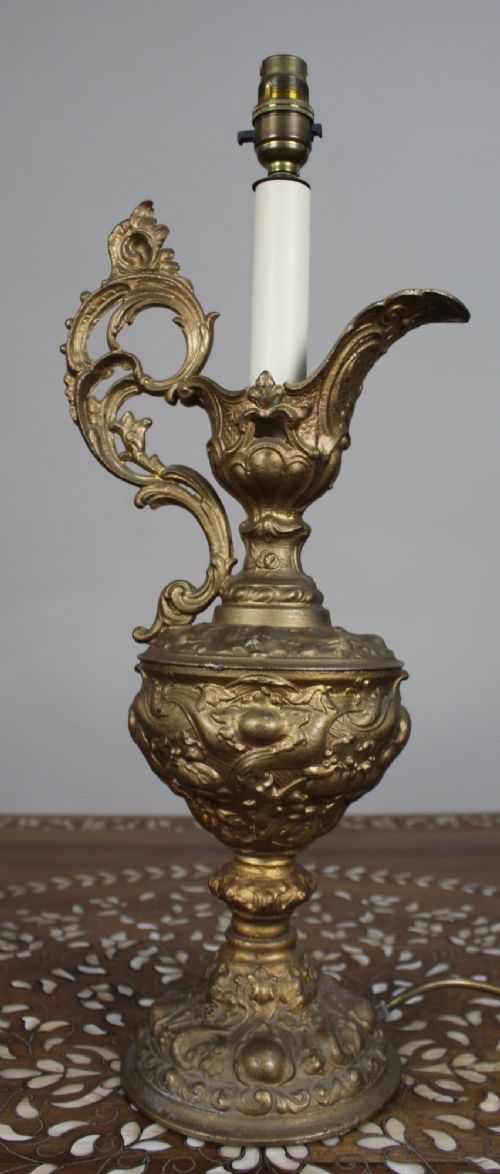
Nineteenth-century artisans occasionally transformed wine ewers and temple vases into lighting, ensuring your reading lamp once held sacred ashes or claret.
What varies in quality
The selection of supporting materials dictates the overall calibre of the piece, with solid marble bases and heavy fire-gilt ormolu outperforming lightweight spelter and painted base metals. Integration between the vessel and its bronze mounts reveals the care taken during assembly.
Thomas Hope·Casier
The Antique Bronze Urn Lighting Glossary
- Ormolu
- Gilt bronze produced by applying a finely ground high-carat gold mercury amalgam to a bronze object. This historic technique creates a warm, durable golden surface.
- Cassolette
- A decorative vessel shaped like an urn, designed with a reversible lid that functions either as a solid cover or a candleholder. These double as table lamps when wired.
- Champlevé
- An enamelling technique where troughs or cells are sunk into the surface of the bronze and filled with vitreous enamel powder before firing. The resulting design sits flush with the metal partitions.
- Ewer
- A large jug with a flared spout and a curved handle, commonly utilised as the body for converted nineteenth-century lighting. They mimic classical water pitchers.
- Meiji Period
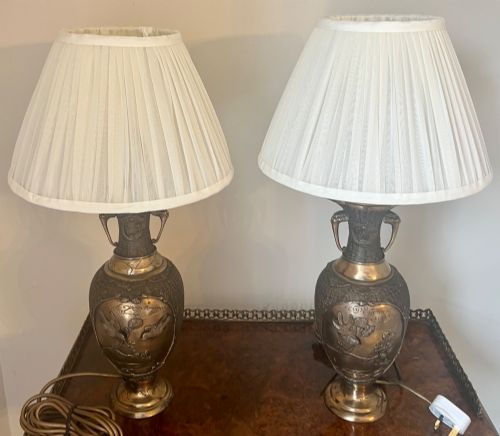
- The era in Japanese history spanning from 1868 to 1912, known for export bronzes featuring intricate patination and naturalistic bird or floral motifs.
Antique Bronze Urn Lighting: Frequently Asked Questions
What is antique bronze urn lighting?
These pieces are decorative light fittings formed from classical vessel shapes, including two-handled urns, covered vases, and ewers. They utilise heavy cast metals combined with stone and porcelain to anchor room lighting.
Most examples function as table lamps or wall lights, having been converted from earlier oil or gas burners during the twentieth century while retaining their original nineteenth-century bodies.
How were antique urn lamps used?
Original pieces served to illuminate grand nineteenth-century interiors through candlelight before being adapted for electricity. They were positioned on sideboards, mantelpieces, and pier tables to provide ambient light.
Today, buyers place them on large wooden desks, console tables, and bedside cabinets where their substantial weight and classical proportions act as sculptural art pieces.
How do you distinguish Louis XVI style?
Louis XVI style lighting is characterised by strict symmetry, straight lines, and classical architectural motifs derived from ancient Rome and Greece. Look for laurel wreaths, fluted columns, and urns draped in garlands.
This aesthetic contrasts sharply with the earlier curved, asymmetric forms of the Rococo Revival, favouring restraint, dignity, and balanced proportions across the bronze mounts.
Are Meiji period bronzes different?
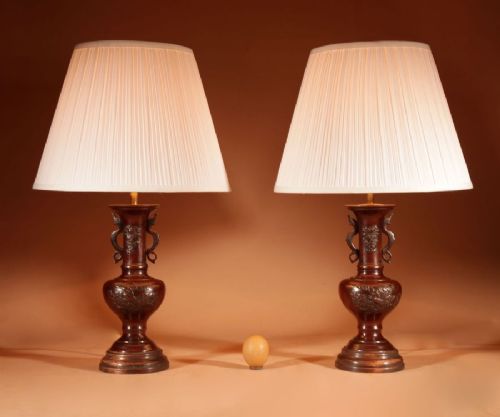
Meiji period Japanese bronzes feature distinct metallurgical compositions and dark chemical patination techniques developed by traditional Asian metalworkers. They often display high-relief wildlife, dragons, or subtle geometric patterns.
These pieces arrived in Europe during the late nineteenth century, where craftsmen frequently mounted them onto gilded bases and paired them with custom lampshades.
How do you care for ormolu?
Ormolu requires gentle dusting with a dry microfibre cloth to prevent the accumulation of grit within the recessed chased details. Avoid harsh commercial metal cleaners that strip away historic gold layers.
Protect the surrounding marble or porcelain components from moisture and wax spills to preserve the integrity of the original nineteenth-century surfaces.