

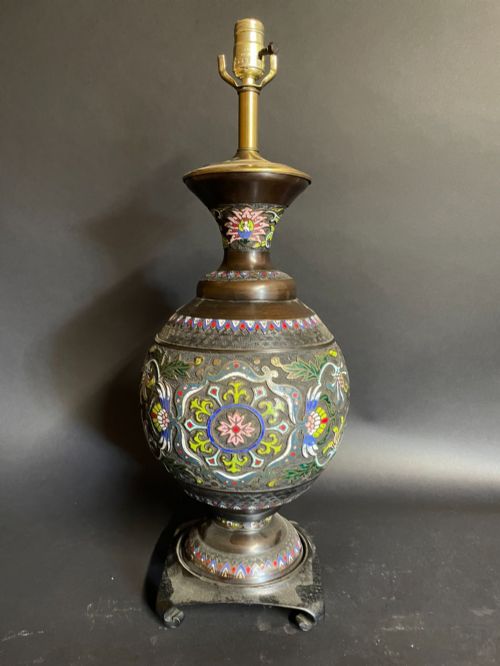


Antique Bronze Table Vases
These antique bronze table vases bridge fine metalwork and domestic lighting, offering rich patinas and heavy cast forms that anchor a room.
Antique Bronze Table Vases
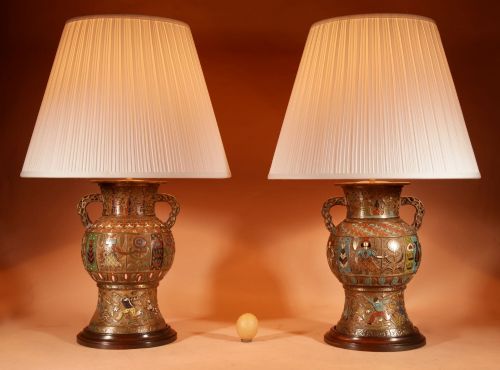
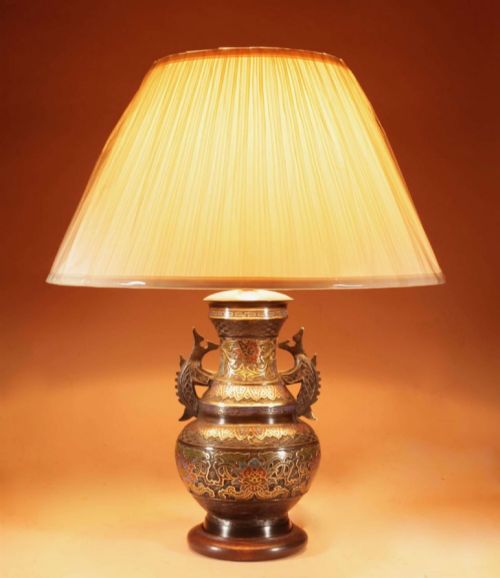
When searching for antique bronze table vases, buyers encounter a diverse array of metal vessels and mounted ceramics that have often been adapted into lamps. The inventory spans the nineteenth century through the early twentieth century, incorporating Victorian interpretations alongside French revival and East Asian aesthetics.
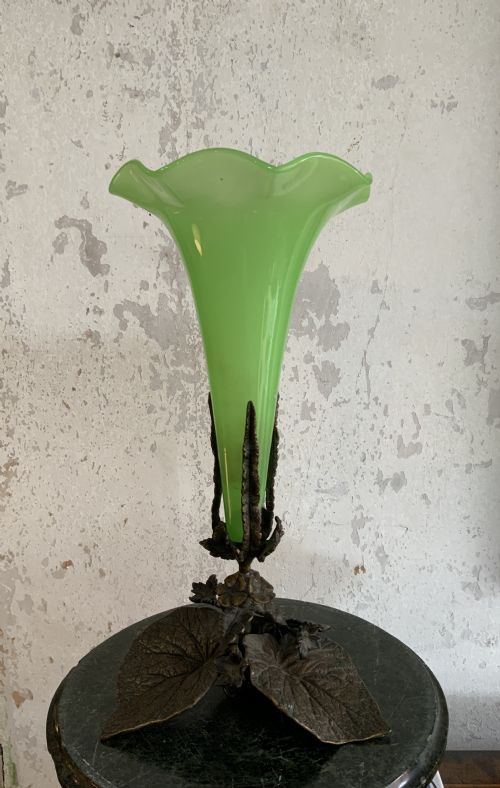
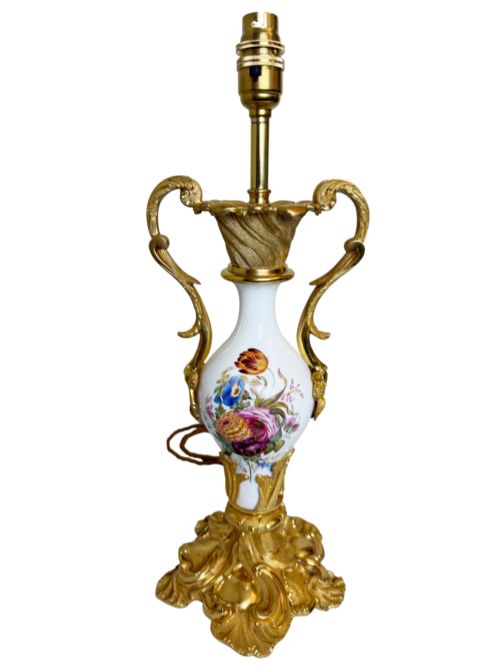
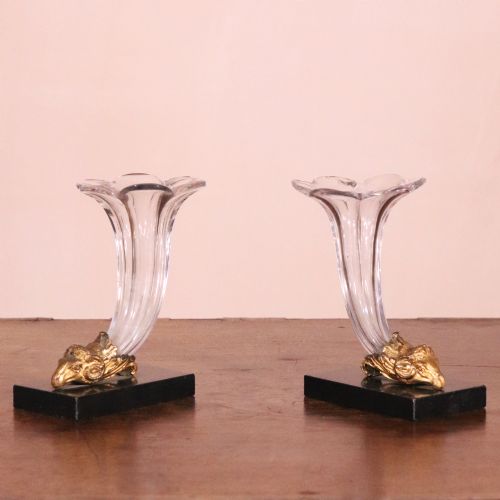
The objects take many forms, including dedicated table lamps, decorative vases, epergnes, clock garniture sets, and ewers. Many pieces pair cast bronze with porcelain bodies or enamel detailing, reflecting global trade and cross-cultural design influences during the Victorian period.
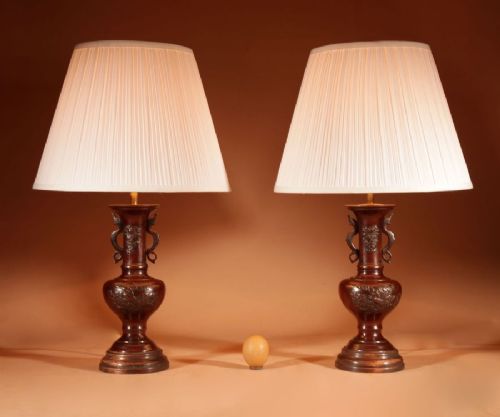
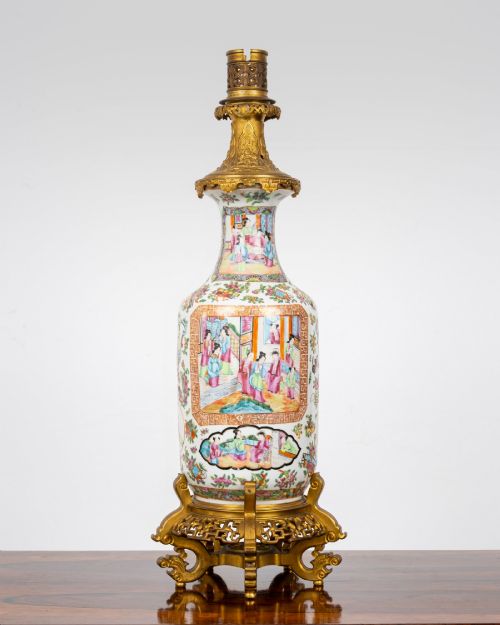
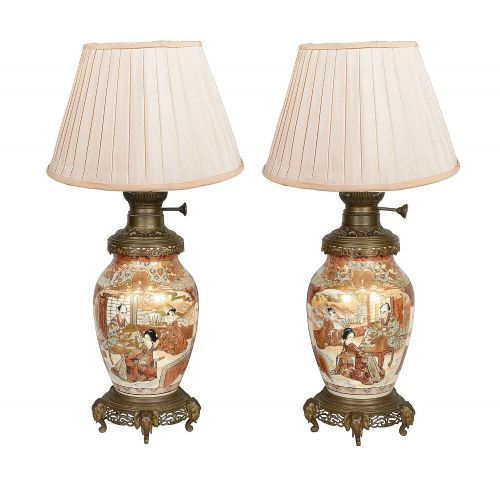
Japanese Meiji period metalwork and Chinese export ceramics mounted in European ormolu dominate the selection. Buyers will find both single statement pieces and matched pairs intended for mantels and large tables.
How They Were Made
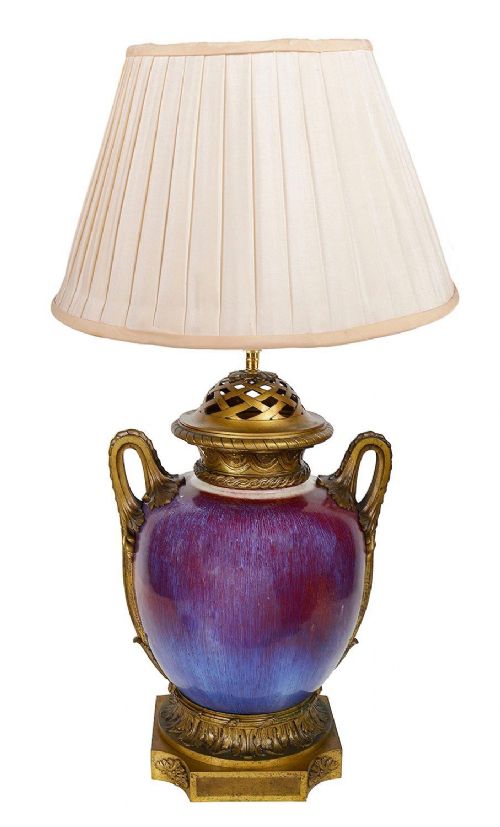
The primary construction relies on cast bronze, often enhanced with gilt bronze, ormolu mounts, or intricate champlevé and cloisonné enamel work. Artisans combined heavy metal casting with fragile ceramic bodies such as porcelain, celadon, and uranium glass, securing them with precision metal fittings.
Surface decoration involves patination, mixed metal detailing, and hand-applied enamel colours within wire cell partitions. Many vessels incorporate marble plinths, crystal glass elements, and silk or fabric components as part of their later conversion into functional lighting.
Several fierce bronze dragons double as polite candle holders, ensuring mythical beasts provide domestic illumination.
What Varies in Quality
The distinction between ordinary and exceptional pieces rests upon the crispness of the bronze casting and the depth of the original patination. Master metalworkers achieved finer facial expressions on dragons, sharper floral relief, and more secure integration of mounted porcelain or enamel panels.
The harmony between the original vessel and its subsequent bronze or ormolu mountings dictates visual success. Superior examples feature mounts designed specifically for the ceramic body, whereas lesser items display generic hardware that interrupts the silhouette.
The Antique Bronze Table Vases Glossary
- Ormolu
- Gilt bronze ornamentation applied to furniture, clocks, and ceramic vessels. This technique involves coating bronze objects in a finely ground gold-mercury amalgam and heating them to leave a rich golden layer.
- Champlevé
- An enamelwork technique where troughs or cells are hollowed out of the metal surface and filled with vitreous enamel paste before firing. The surrounding metal lines remain visible to outline the decorative pattern.
- Cloisonné
- Enamel decoration created by soldering flat metal wire to a metal base to form compartments, which are then filled with coloured enamel. The piece is fired and polished until the wire edges and enamel rest on a single plane.
- Garniture
- A set of matched ornamental vases, urns, or jars designed to stand together on a mantelpiece or cabinet top. They often share a uniform decorative theme involving enamel, porcelain, or gilt bronze mounts.
- Epergne
- A large table centrepiece featuring multiple branching dishes or holders arranged for displaying fruit, flowers, or sweets. In antique examples, these frameworks frequently combine cast bronze with cut glass or crystal.
Antique Bronze Table Vases: Frequently Asked Questions
Are these wired for modern electricity?
Many of these pieces began life as decorative vases, ewers, or centrepieces before being converted into table lamps during the nineteenth or twentieth centuries. Some retain older wiring configurations that require updating by a professional before use.
Buyers should inspect the entry points for cables to ensure the original metal or ceramic body has not suffered structural alterations during conversion.
How do I care for gilt bronze?
Gilt bronze and ormolu surfaces require gentle dusting with a soft, dry brush to prevent the accumulation of grit within intricate cast recesses. Moisture and chemical cleaners can strip the delicate gold layer from the underlying metal.
Preserving the original patination means avoiding aggressive polishing compounds that remove historical wear and alter the appearance of the finish.
What is Meiji period bronze?
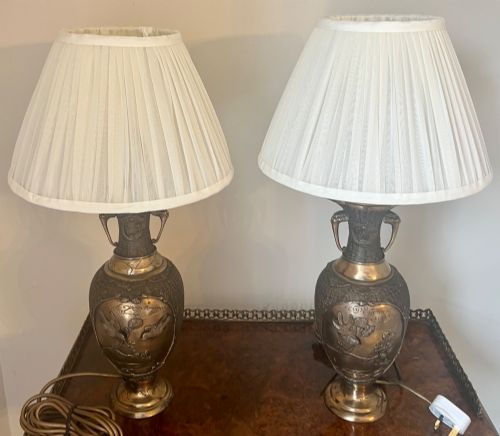
Meiji period bronze refers to Japanese metalwork produced between eighteen sixty-eight and nineteen twelve, a time when Japanese artisans showcased advanced casting and patination techniques for international markets. These pieces often feature dynamic motifs like dragons, birds, and detailed flora.
The mastery of mixed metal alloys during this era allows for subtle colour variations within the bronze itself, setting it apart from European metalwork of the same decade.
How do I distinguish French revival styles?
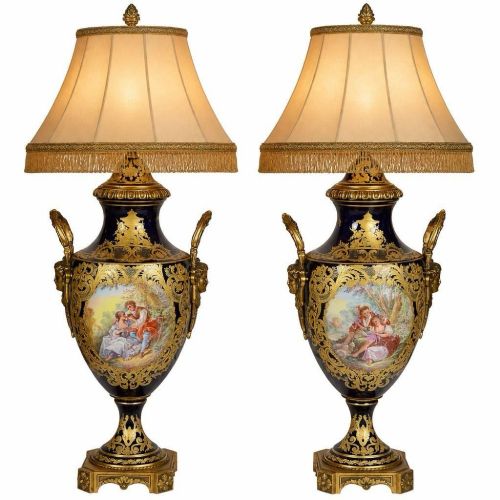
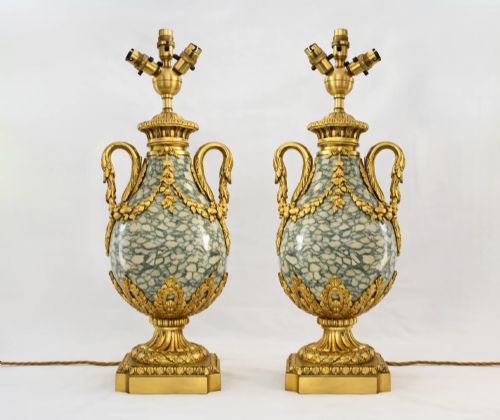
French revival pieces from the nineteenth century draw heavily on earlier court aesthetics, particularly Louis XVI designs featuring neoclassical symmetry, urn forms, and crisp ormolu mounts. Makers frequently combined imported Asian porcelain with locally cast French bronze mounts.
Examining the weight and channelling of the bronze mounts helps reveal whether a piece follows strict nineteenth-century revival canons or leans toward eclectic Victorian tastes.