


Oriental Cast Bronze Vessels
When you search for oriental cast bronze vessels, you find centuries of metalwork including censers, vases and planters.
Oriental Cast Bronze Vessels
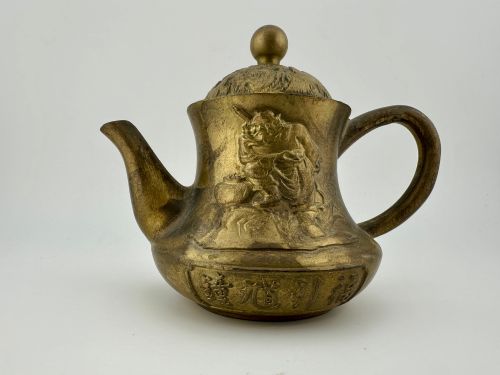
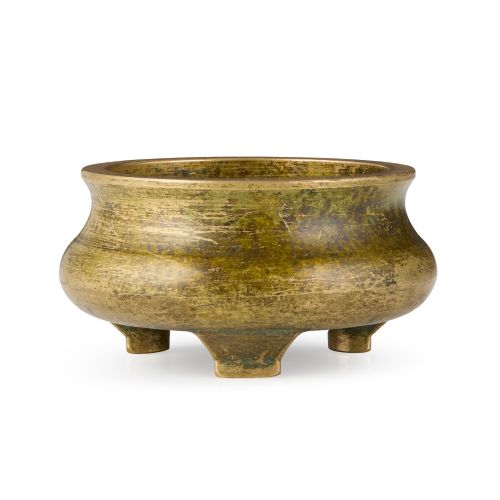
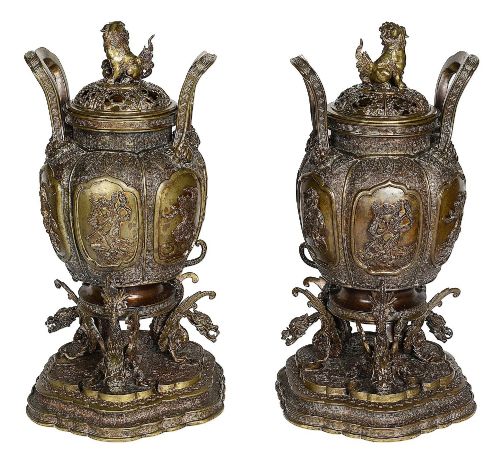
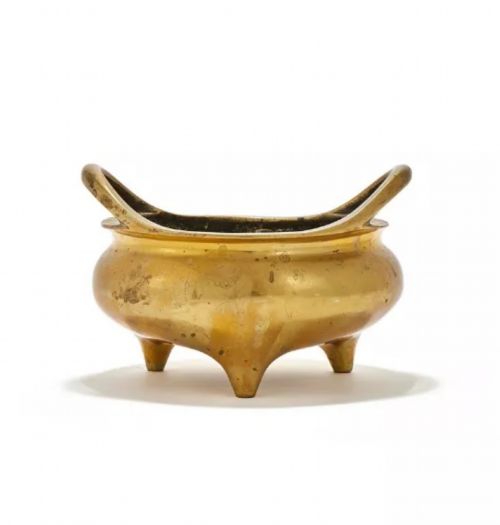
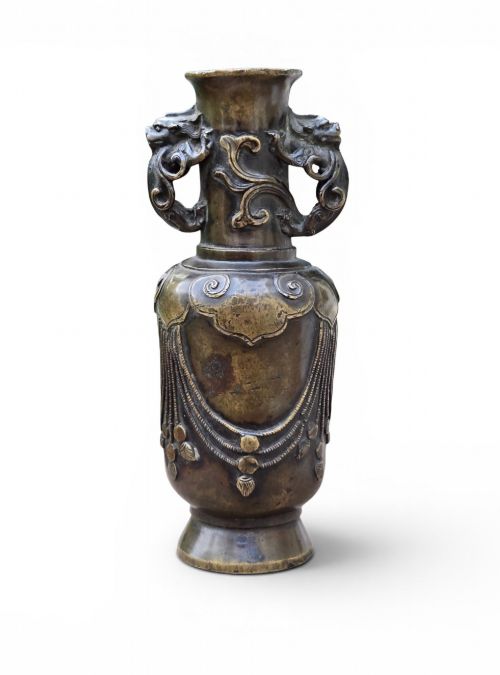
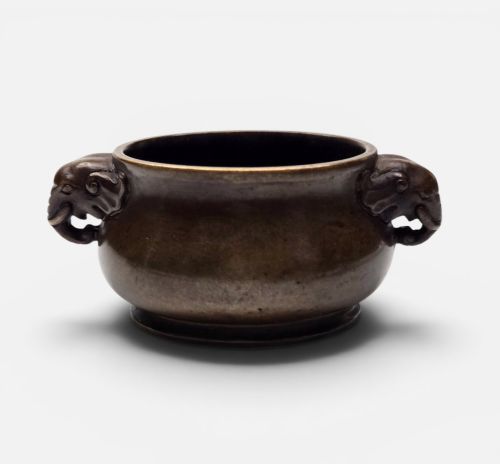
Oriental cast bronze vessels encompass a diverse range of functional and ritual forms, including vases, incense burners, jardinieres, and sake kettles. The selection includes scholar's objects alongside large decorative pieces intended for interior display.
The pieces span multiple periods and regions, featuring examples from the Ming and Qing dynasties as well as the Edo and Meiji periods. Buyers frequently encounter nineteenth-century Japanese bronze vases and Chinese censers bearing studio or reign marks.
Forms vary from archaistic ritual vessels and gu ritual vessels to lidded urns and heavy planters. These items reflect traditional craftsmanship originating from workshops in China and Japan.
Materials and Techniques
Makers utilised bronze, brass, and cast iron, often applying patinated or gilt finishes to the metal surface. Certain pieces incorporate champleve enamel or cloisonne details on lids and bodies.
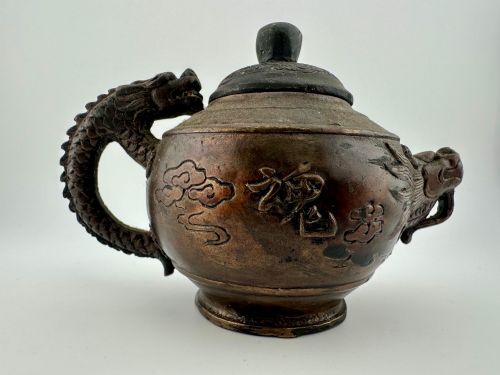
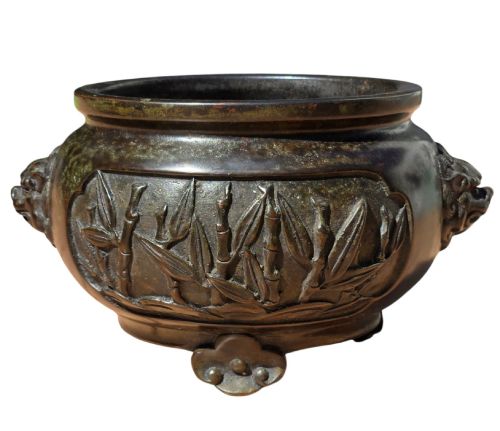
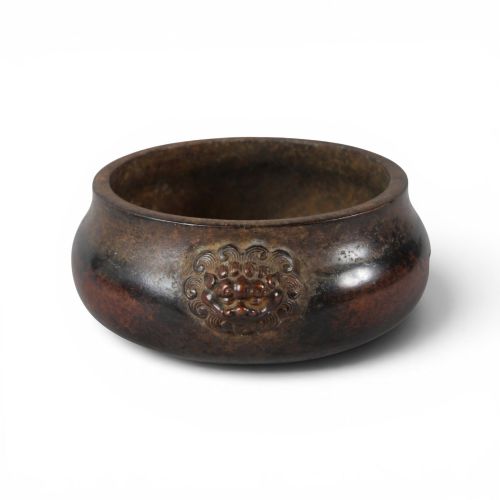
Objects were cast using traditional methods, resulting in substantial weights in many of the surviving examples. Relief panels, dragon handles, and applied elements such as lion-mask motifs demonstrate complex founding skills.
Listings feature bronze, brass, and champleve enamel across periods from the seventeenth century to the early twentieth century.
Quality and Distinction
Quality shows in the crispness of relief casting, the depth of patination, and the clarity of maker or studio marks. Heavier examples often indicate substantial metal content and careful wall thickness.
Finishing work distinguishes standard decorative items from superior scholar's pieces. Detail in secondary elements such as finials, handles, and integrated feet determines the standing of an individual vessel.
Wu Bangzuo·Kibundo
The Oriental Cast Bronze Vessels Glossary
- Censer
- A vessel designed for burning incense, frequently featuring a tripod base and a lidded top. These often display scholar's marks or animal finials.
- Jardiniere
- A large decorative bowl or planter used for holding flowers or plants. Examples appear in bronze with patinated surfaces.
- Patinated bronze
- Metal treated to produce a specific surface colour and finish. This process protects the bronze while enhancing its visual depth.
- Archaistic
- A style that imitates ancient ritual forms from earlier dynasties. Makers adopted these classical shapes for later production.
- Cloisonne
- Enamelwork created by soldering wire compartments onto a metal base before filling them with paste. These appear frequently on lids and kettles.
Oriental Cast Bronze Vessels: Frequently Asked Questions
What are oriental cast bronze vessels used for?
These vessels served various practical and ceremonial purposes in historical households and scholarly settings. Many functioned as incense burners for meditation, while others held flowers or warmed sake.
Today, collectors use them primarily as decorative objects or focal points in interiors. Their historical utility often informs their current display appeal.
How do I identify a Meiji period bronze?
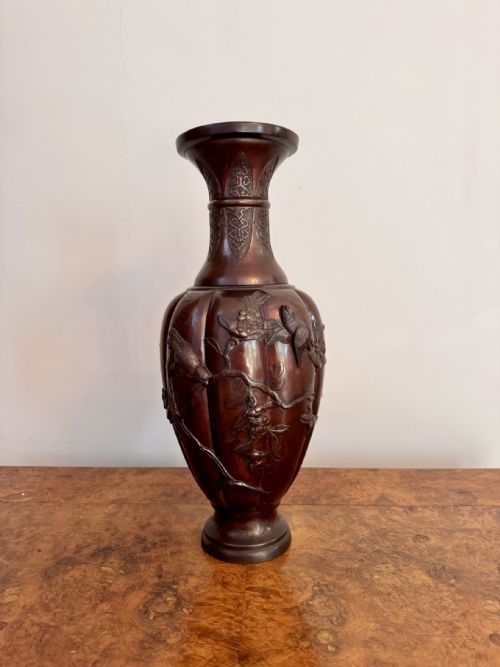
Meiji period bronzes often display distinctive Japanese design motifs such as birds, floral elements, or archaistic forms. Makers during this era utilised advanced patination techniques.
Examining the base and surface finish helps determine the period. Many pieces from this time reflect production geared toward export markets.
What is a scholar's censer?
A scholar's censer is a smaller bronze vessel made for use on a scholar's desk in traditional China. These pieces typically feature subtle designs and studio marks.
They were valued for their tactile qualities and refined aesthetics. Collectors prize them for their intimate scale and careful craftsmanship.
How should I clean an antique bronze vessel?
Antique bronzes require minimal intervention to preserve their original patination and historical surface finish. Dusting with a soft, dry cloth is usually sufficient for routine maintenance.
Harsh cleaning agents or polishes should be avoided because they damage the patina. Professional advice is recommended if deeper conservation is necessary.