
Antique Bronze Table Glass
Antique bronze table glass brings together heavy metal mounts and cast glass centres, offering a decorative surface accent for period interiors.
Antique Bronze Table Glass
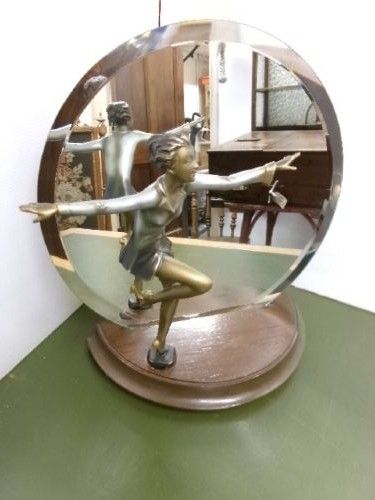
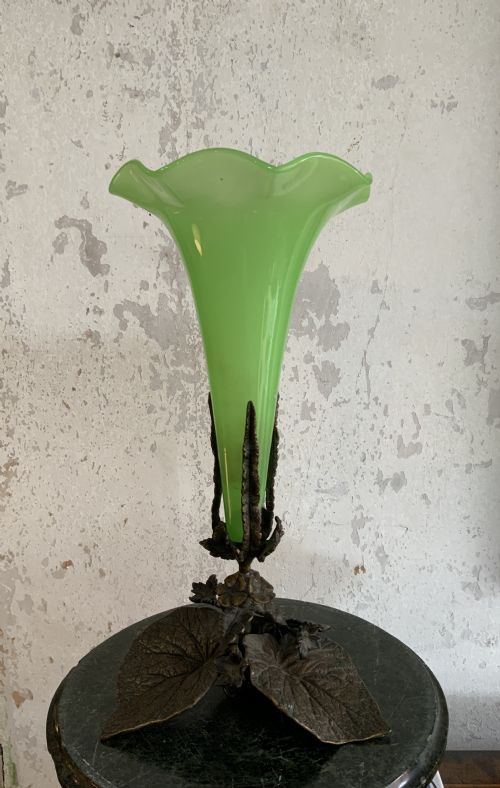
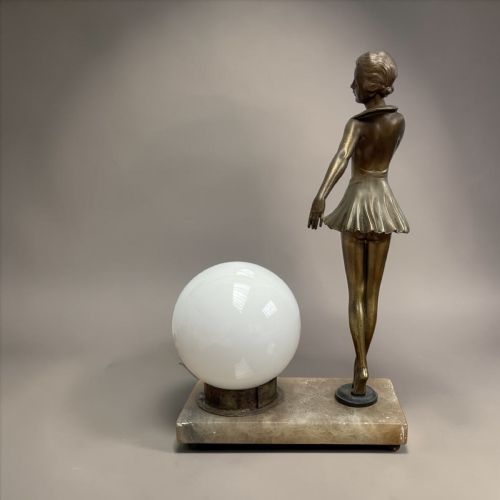
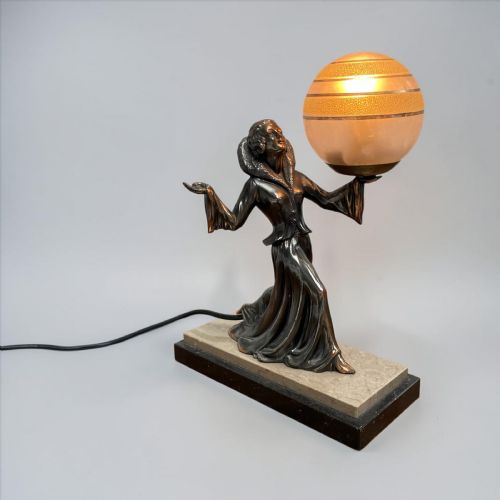
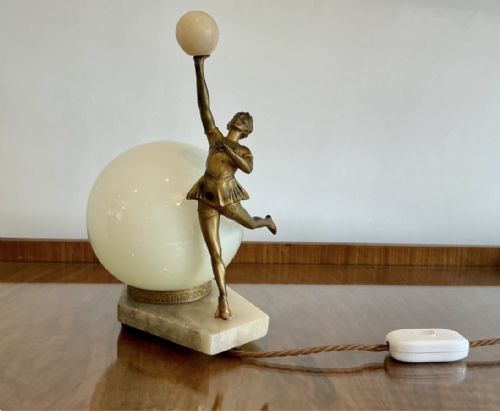
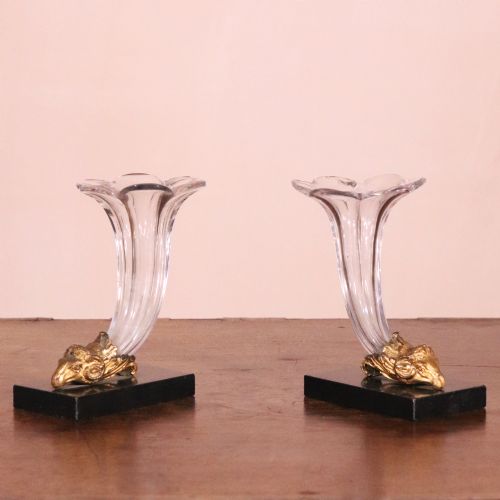
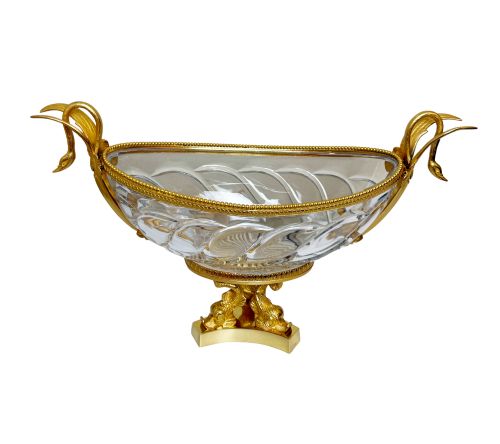
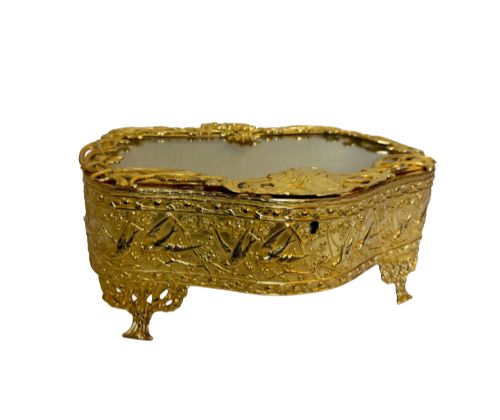
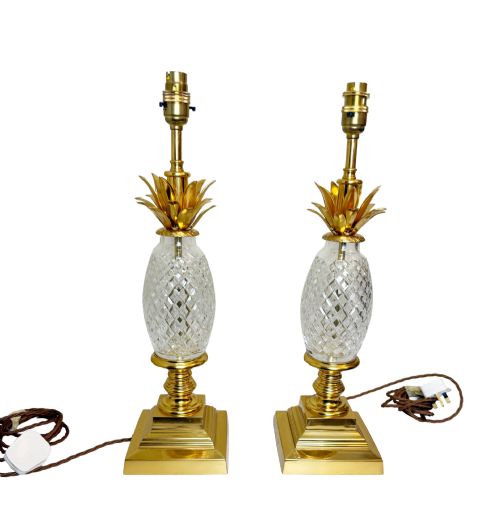
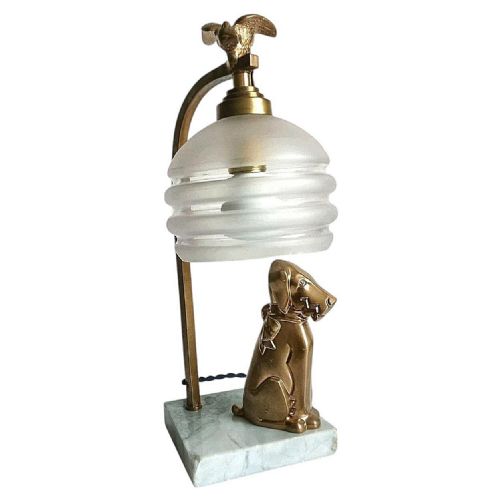
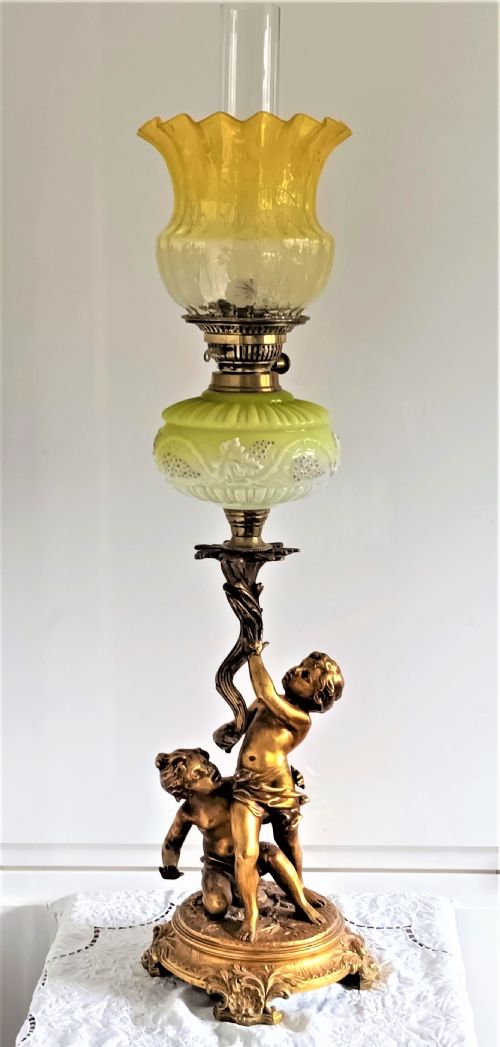
When you search for antique bronze table glass, you are looking at decorative desk and table accessories that combine metalwork and glass components. These pieces range from centrepieces and epergnes to table lamps and jewellery boxes produced across the nineteenth and early twentieth centuries. The nineteenth century yields many crystal and gilt bronze centrepieces, while the twentieth century brings Art Deco glass and metal lamps.
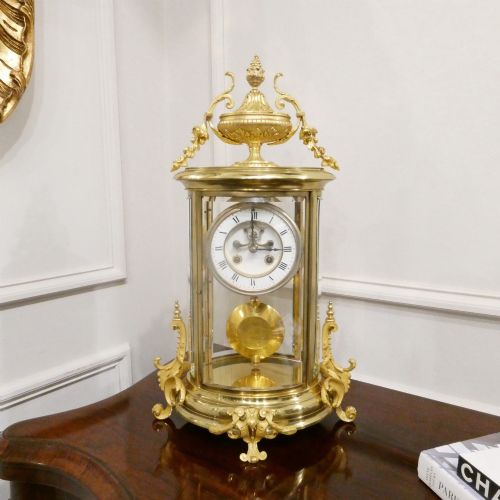
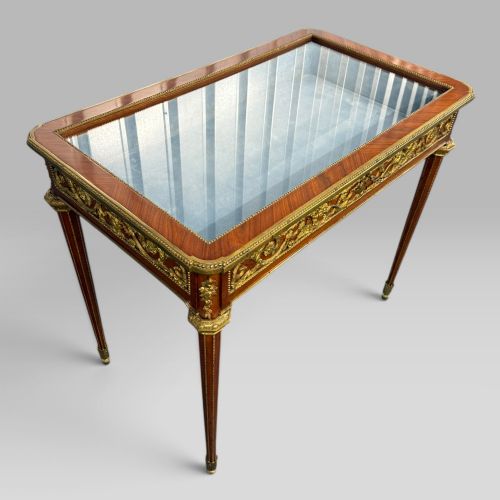
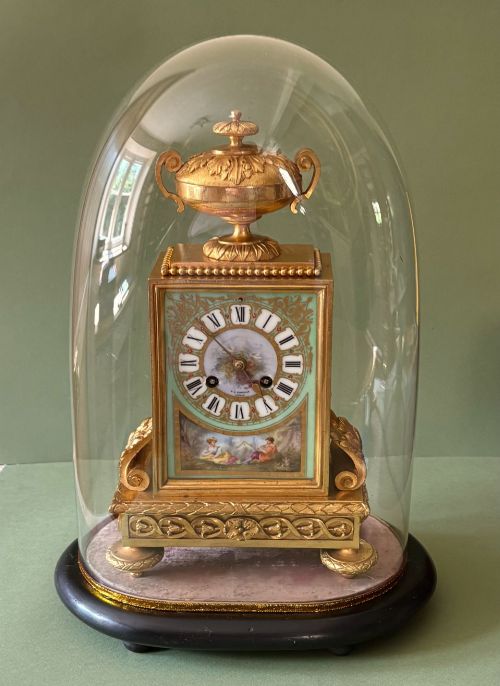
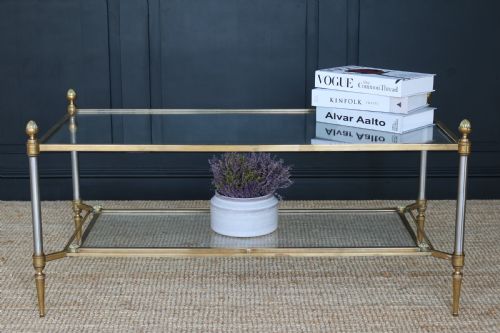
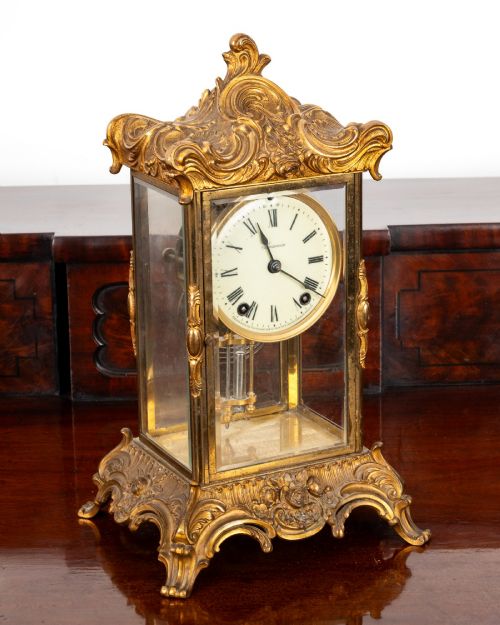
You are most likely to encounter French mantel clocks set inside glass panels, or table lamps featuring cast bronze figures alongside glass shades. The forms include display tables, vitrines and small mantel items where bronze or ormolu mounts secure cut crystal bowls and panels. These objects served functional and ornamental roles in period drawing rooms and boudoirs.
Materials and construction methods
Makers combined cast bronze, gilt bronze, or ormolu with blown, cut or pressed glass. The metal components were shaped through traditional foundry casting before receiving hand-chased surface details and gold leaf gilding or mercury gilt finishes. Glass elements were either mouth-blown into moulds, hand-cut with geometric facets or cast as solid frosted forms.
Assembly relied on threaded brass rods, screws and pins to join fragile glass vessels securely to heavy metal bases and mounts. Enamel dials, marble plinths and cabochons frequently supplemented the primary metal and glass structure on clocks and lamps.
Listings feature items spanning the nineteenth century through the Art Deco era of the 1920s and 1930s.
Distinctions in manufacture and finish
The standard of an antique bronze table glass piece rests on the crispness of the metal chasing and the clarity of the glass. Superior items exhibit sharply defined cast ornamentation where floral motifs and figures retain distinct edges rather than soft, rounded contours from worn production moulds.
Heavier gauge bronze and thick, heavy-lead crystal indicate superior output compared to lighter spelter frames and thin pressed glass. The integration between the metal mount and the glass insert reveals the care taken during initial assembly.
Samuel Marti·Maison Jansen·Ansonia New York·Georges Leleu·Leroy Paris
The Antique Bronze Table Glass Glossary
- Ormolu
- Gilded bronze produced by applying a mercury and gold amalgam to a cast bronze base before heating. This technique creates a durable golden finish seen on nineteenth-century French mounts.
- Epergne
- A large table centrepiece featuring a central bowl with branching arms and smaller hanging baskets. They were traditionally utilised for holding fruit or sweetmeats.
- Spelter
- A zinc alloy used as a cheaper substitute for bronze, frequently painted or electroplated to imitate genuine patinated metal.
- Vitrines
- Glass-sided display cabinets or tables designed for exhibiting small ornaments and porcelain objects. They incorporate glazed panels held within bronze or wooden frames.
Antique Bronze Table Glass: Frequently Asked Questions
How do I clean antique bronze table glass?
Dust glass components gently with a soft, dry cloth and avoid harsh chemical cleaners that strip the gilt finish. Keep moisture away from enamel clock faces and fabric lamp wiring.
Use a dry artist brush to remove debris from detailed bronze chasing without disturbing the underlying patina.
How do I identify French pieces?
French items often display foundry stamps, movement signatures, or mercury gilt finishes with exceptionally rich colour tones. Clock movements frequently bear the marks of makers such as Samuel Marti or Leroy Paris.
The styling tends to follow specific revival periods including French Rococo, Louis XV and Empire designs.
What is an epergne used for?
Epergnes served as decorative table centrepieces during formal dining in the nineteenth century. The tiered baskets held fruit, flowers or confectionery for guests to reach during dessert courses.
Today they function primarily as decorative decorative display objects on sideboards and tables.