



Antique Cast Metal Mirror
An antique cast metal mirror brings heavy, enduring character to a room through solid brass, iron, or bronze frames.
Antique Cast Metal Mirror
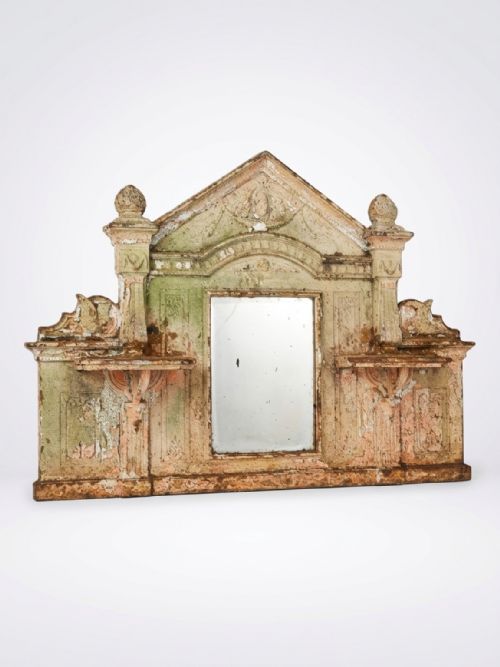
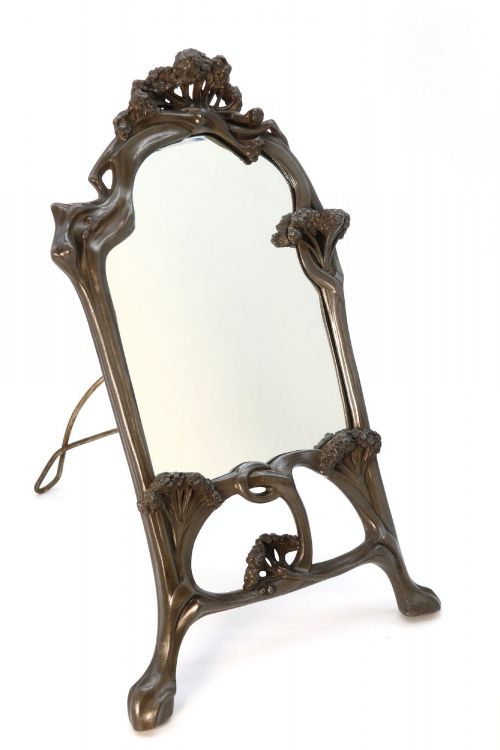
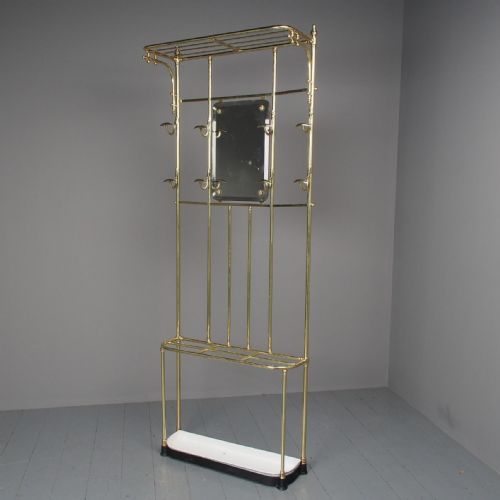
When you search for an antique cast metal mirror, you are looking at heavy, rigid looking glasses formed in moulds during the Victorian, Edwardian, and early twentieth century periods. These pieces range from small dressing table items to large wall-mounted fixtures designed for halls and parlours.
The versions you are most likely to meet on this page are cast brass wall mirrors and dressing table mirrors from the nineteenth century, often decorated with neoclassical revival motifs or victorian rococo details. These items rely on the natural weight and rigidity of cast metal to hold intricate, decorative borders that stamped sheet metal simply cannot achieve.
How they were made
Foundries made these pieces by pouring molten brass, iron, bronze, or pewter into detailed sand or metal moulds. This technique allowed artisans to produce complex, three-dimensional decorative elements such as mask crests, scrolling foliage, and figural supports in a single solid pour.
Once cooled, the cast metal frames received hand-finishing work including filing, polishing, or painting to enhance the surface texture. Mirror glass was then cut to fit the aperture and secured from the back, often paired with cast metal stands, backs, or hanging loops.
Some Victorian mirrors stare right back at you with a cast brass mask crest glaring down from the top.
What varies in quality
The distinction between ordinary and exceptional work lies entirely in the crispness of the casting and the depth of the hand-finishing. Superior pieces retain sharp relief in every leaf, mask, and scroll, whereas lower-quality items show softened details and blurred edges from worn moulds.
The choice of primary metal also dictates the character and longevity of the object. Heavier cast brass and bronze specimens maintain their structural integrity far better over decades of use than thinner, painted iron alternatives.
Louis Auguste Moreau·Coalbrookdale
The Antique Cast Metal Mirror Glossary
- Cast metal
- Molten metal poured into a mould to shape a rigid frame. This technique produces heavier and more ornamental objects than sheet metal fabrication.
- Mask crest
- A decorative ornament shaped like a human or mythological face placed at the top centre of a frame. It is a common feature on nineteenth-century wall mirrors.
- Dressing table mirror
- A small looking glass mounted on a pivoting stand designed for placement on a bureau or vanity. These pieces often feature weighted cast backs for stability.
- Neoclassical revival
- A design style inspired by classical Greek and Roman architecture and ornament. It appears on brass mirrors through symmetrical foliage, urns, and clean geometric lines.
- Pewter
- A malleable tin alloy used for decorative table mirrors during the late nineteenth century. It allows for softer, organic Art Nouveau styling.
Antique Cast Metal Mirror: Frequently Asked Questions
Can I polish the brass frame?
Polishing depends entirely on the finish you prefer and whether the metal retains any historical lacquer. Many collectors leave the aged patina undisturbed, as it shows the true age of the piece.
If you choose to clean the metal, use a mild, non-abrasive brass cleaner and apply it carefully with a soft cloth. Keep all cleaning products away from the mirror glass and the edges where the glass meets the metal frame.
How do I date a cast metal mirror?
Dating relies on examining the style of the casting, the construction of the backplate, and the condition of the mirror glass. Victorian pieces frequently feature ornate rococo scrolls or cast brass mask crests, while later Edwardian examples lean towards simpler utility.
Look at the screws and fixings holding the glass in place. Hand-cut screws and old bevelled mirror glass with minor foxing point firmly to nineteenth-century manufacture.
Where were table mirrors used in a Victorian home?
Table mirrors were essential accessories in Victorian bedrooms, dressing rooms, and boudoirs. They sat atop dressing tables to assist with grooming, hair styling, and adjusting garments.
Because they were portable, owners frequently moved them between rooms to catch the best daylight. The weighted cast metal stands ensured the mirrors remained stable during daily use.