


Metal Dressing Table Mirror
These metal dressing table mirror pieces bring functional elegance to the bedroom, offering reflective utility alongside period character.
Metal Dressing Table Mirror
A metal dressing table mirror provides a decorative and functional tabletop surface for personal grooming, appearing across several distinct historical periods.
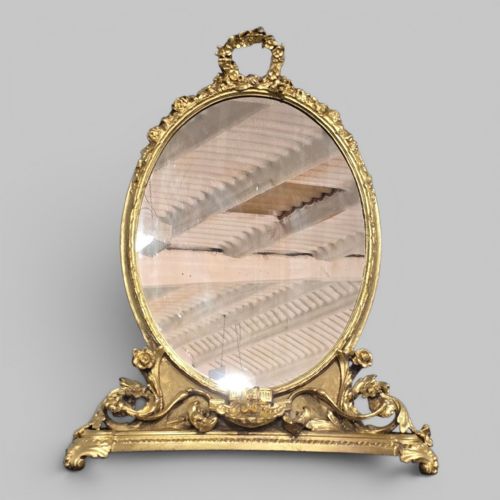
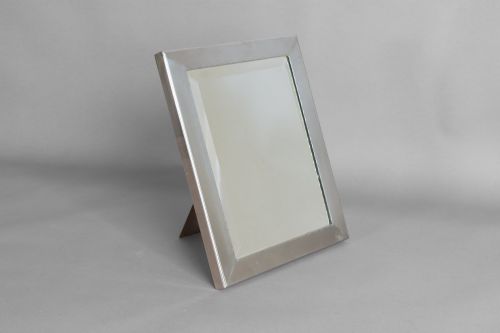
Buyers encounter forms ranging from ornate Victorian cast bronze and gilt metal designs to streamlined nineteen-thirties chrome and silver-plated options.
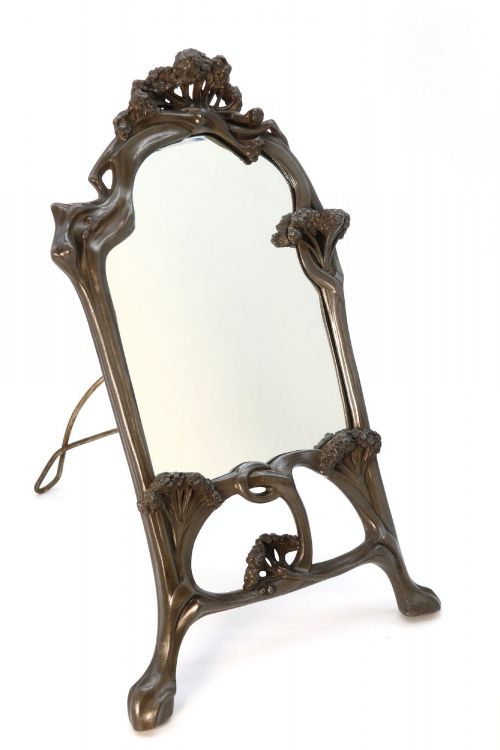
French workshops contributed heavily to the selection, producing elaborate Rococo, Empire, and Art Nouveau interpretations utilising cast bronze and pewter.
How They Were Made
Makers utilised casting techniques for bronze, brass, and pewter frames, allowing for intricate floral and figurative relief work.
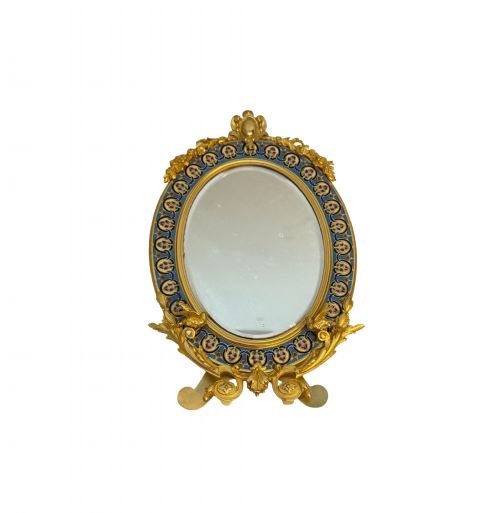
Surface decoration frequently involved fire gilding, silver plating, or the application of colourful champlevé enamel panels.
Some examples incorporated contrasting materials like marble bases or wooden backs with metal mounts to add structural weight.
Materials across these listings span cast bronze, gilt metal, pewter, silver plate, and champlevé enamel.
What Varies in Quality
The clarity and thickness of the original glass plate distinguish superior pieces from later replacements.
Depth and crispness in the metal casting reveal the artisan's skill, particularly in hand-finished chasing and champlevé detailing.
Structural integrity of the easel back stand or pivot hinges ensures the mirror maintains its intended angle without slipping.
Louis Auguste Moreau
The Metal Dressing Table Mirror Glossary
- Champlevé enamel
- A technique where troughs are scooped out of a metal surface and filled with vitreous enamel before firing. This colourful process creates rich decorative borders on bronze frames.
- Gilt bronze
- Bronze that has been coated with a thin layer of gold or gold amalgam. It provides a bright metallic finish that resists tarnishing over decades.
- Pewter
- A malleable metal alloy consisting primarily of tin, often used during the Art Nouveau period. It accepts flowing, organic plant motifs with ease.
- Ormolu
- Finely ground high-carat gold applied to a bronze base using mercury. The method yields a deep, warm yellow lustre characteristic of French Empire pieces.
- Spelter
- A zinc alloy commonly utilised as a less expensive alternative to bronze for sculptural figures. It frequently supports painted or bronzed finishes.
Metal Dressing Table Mirror: Frequently Asked Questions
What is a metal dressing table mirror?
These are compact, freestanding looking glasses designed to sit atop a vanity or chest of drawers. They combine practical reflective glass with decorative metal framing.
Craftsmen produced them in various sizes, ranging from small portable toilet mirrors to large, heavy bronze and champlevé showpieces intended as permanent bedroom fixtures.
How do I date a metal dressing table mirror?
Dating relies on identifying the prevailing design style, manufacturing materials, and construction techniques used in the frame. Art Nouveau pieces display organic, whiplash lines, whereas thirties examples favour geometric chrome.
Examining the mirror glass itself also helps, as bevelled edges and older silvering methods often point towards nineteenth-century origins rather than modern replacements.
Were these mirrors used in specific rooms?
They belonged primarily in private dressing rooms, boudoirs, and bedrooms of affluent homes. Ladies utilised them during morning routines and evening preparations.
Smaller portable versions also saw service in travel luggage or on washstands before fitted bedroom furniture became standard practice in domestic architecture.
How should I clean a vintage metal mirror?
Dust the frame gently with a soft, dry cloth to protect delicate patinas, gilt surfaces, and enamel work. Avoid abrasive metal polishes that strip historical finishes.
Glass cleaner applied directly to a cloth rather than the mirror prevents liquid from seeping behind the plate and damaging the silvered backing.