
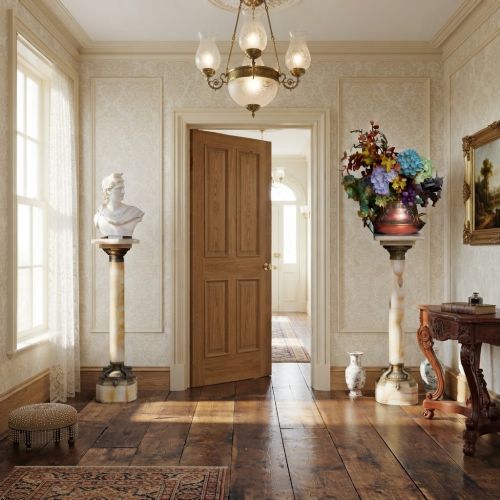




Antique Bronze Plant Stand
An antique bronze plant stand brings classical form and rich metalwork together to elevate greenery inside the home.
Antique Bronze Plant Stand
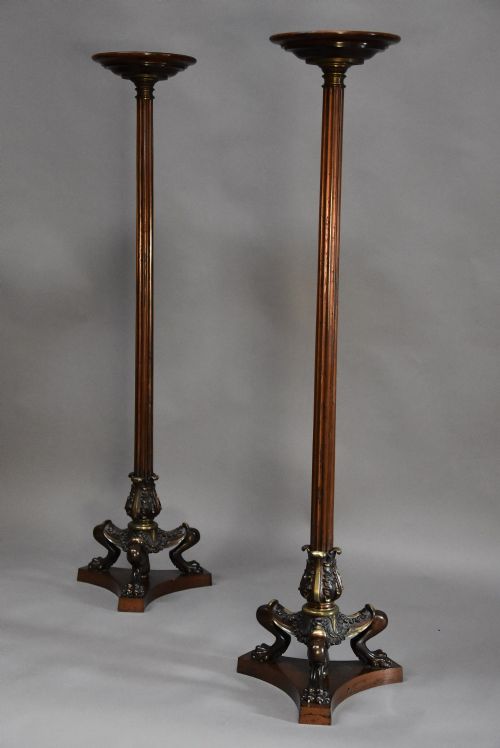
An antique bronze plant stand combines robust metal frameworks with decorative surfaces designed to support heavy jardinieres and botanical specimens. These pieces appear frequently alongside related pedestal columns, torcheres, and occasional tables from the nineteenth century.
Most examples hail from French and British workshops, adopting revivalist idioms such as Louis XV, Louis XVI, and Neoclassical styles. Buyers encounter various forms, including tall columns, low wine tables, and specialised jardiniere stands fitted with metal liners.
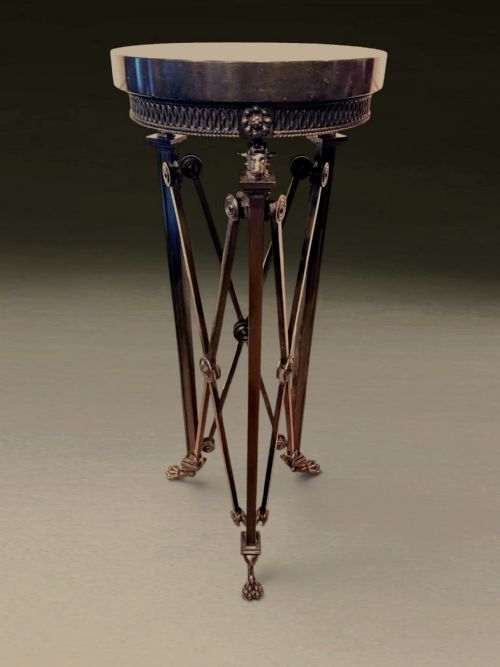
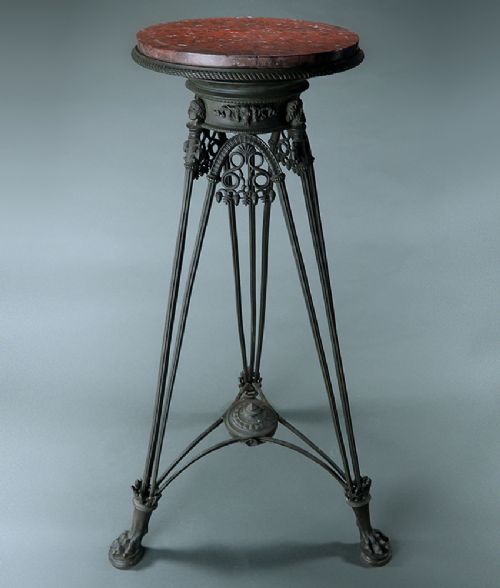
Makers often integrated contrasting elements into the design, pairing bronze and ormolu mounts with marble tops, exotic woods like mahogany and kingwood, and inset ceramic plaques. Such versatility allowed these stands to function equally as plant holders or display furniture for decorative objects.
Materials and construction methods
Foundry workers cast bronze and ormolu mounts using traditional techniques before applying mercurial gilding or chemical patination to achieve deep surface colours. These metal elements were then secured to structural timbers or stone components using specialised fixings.
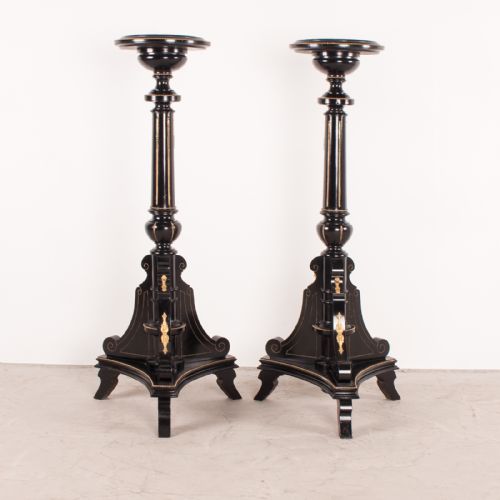
Cabinetmakers utilised dense hardwoods such as mahogany, walnut, and satinwood for the main bodies, often applying intricate marquetry, parquetry, or ebonised finishes. Tops frequently consist of solid slabs of white or coloured marble, shaped and polished to bear the weight of damp planters.
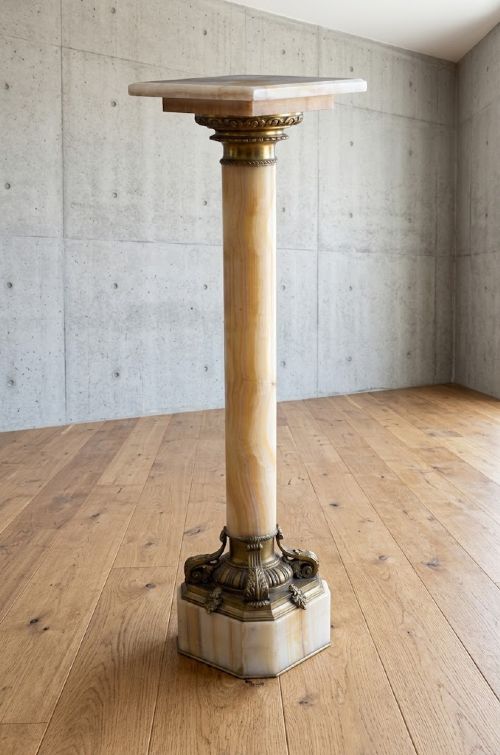
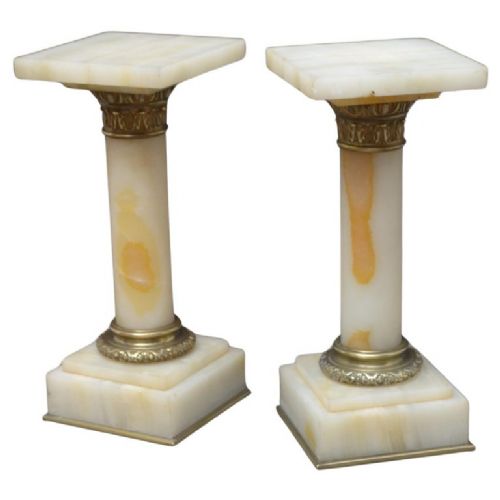
Decorative details such as porcelain plaques, Sevres-type panels, and turned onyx shafts were incorporated into the assemblies to enhance visual richness. The resulting structures balance industrial metalcasting with fine woodworking traditions.
Listings feature 19th-century pieces spanning the Victorian, Edwardian, and Regency periods, constructed from bronze, ormolu, marble, mahogany, and onyx.
Distinctions in craftsmanship and design
The fineness of the bronze chasing and the crispness of the cast mount details separate standard commercial productions from exceptional workshop pieces. Superior items display deep, hand-finished chiselling on every leaf, scroll, and mask.
The selection of secondary materials heavily influences the overall quality of a piece, with figured kingwood veneers, genuine marble slabs, and hand-painted porcelain plaques indicating higher ambition. The integration between the metal mounts and the underlying timber frame reveals the skill of the joiner.
Design cohesion also determines the standing of an object, as pieces following specific historical precedents or drawing upon known cabinetmaking traditions command greater attention. The harmony of proportions between the supporting column and the upper display platform governs the visual balance.
Gabriel Viardot·George Smith·Thomas Hope
The Antique Bronze Plant Stand Glossary
- Ormolu
- Gilded bronze, typically produced by applying a gold amalgam to a cast bronze base and heating it. This technique creates a durable, bright golden finish common on high-end French furniture mounts.
- Jardiniere
- An ornamental receptacle designed to hold plants or flowers indoors. These vessels often feature waterproof liners and decorative exterior mounts.
- Torchere
- A tall stand or pedestal originally intended to hold a candle or light source, frequently adapted to support plant pots or sculptural urns.
- Guéridon
- A small circular table supported by one or more central columns or legs. Eighteenth- and nineteenth-century versions often featured marble tops and bronze galleries.
- Parquetry
- Geometric wood inlay work arranged in repeating patterns such as squares, lozenges, or triangles. It creates decorative mosaic surfaces on table tops and pedestal panels.
Antique Bronze Plant Stand: Frequently Asked Questions
What is a bronze plant stand?
A bronze plant stand is a decorative support structure featuring cast metal mounts, designed to elevate potted plants or floral arrangements within a room.
These pieces typically incorporate columns, torcheres, or small tables equipped with stone tops or metal liners to protect the surrounding furniture from moisture.
How were antique plant stands used?
Historical interiors utilised these stands to display prized botanical specimens, ferns, and flowering plants at eye level near windows or within reception rooms.
When not holding greenery, the surfaces frequently served to display porcelain, bronzes, or lighting fixtures.
How do I identify a 19th-century stand?
Nineteenth-century stands generally exhibit revivalist design characteristics, drawing inspiration from Louis XV, Louis XVI, and Neoclassical vocabularies.
Construction methods typical of the period include hand-chased bronze mounts, solid marble tops, and traditional timber framing using mahogany, walnut, or exotic veneers.
Are these stands suitable for modern plants?
Modern potted plants sit securely on these stands provided the weight does not exceed the structural capacity of the supporting column or table.
Using a waterproof saucer inside any decorative jardiniere protects the antique timber and marble surfaces from water damage.