





Brown Bronze Pedestal
These brown bronze pedestal pieces combine classical dignity with enduring metalwork, offering substantial presence for any room.
Brown Bronze Pedestal
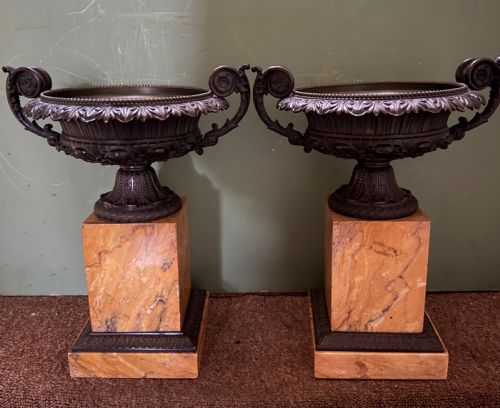
A brown bronze pedestal brings substantial metalwork and elevated display surfaces into a room, drawing on nineteenth-century design. When searching for a brown bronze pedestal, buyers encounter items ranging from sculptural stands to decorative urns and clock cases.
The pieces appearing here span the Victorian, Regency, and nineteenth-century periods, often reflecting French Empire, Louis XV, or Japanese Meiji styles. Most items utilise cast metal alongside marble, mahogany, kingwood, or brass to create distinct display platforms.
Sculptural elements and architectural forms dominate these listings, providing sturdy supports for display or standalone decorative impact. Buyers select these works to anchor traditional interiors with patinated metal surfaces and classical proportions.
Distinguishing quality in metalwork and stands
Chiselling and finishing work on the metal surface determine the definition of cast details, separating sharp ornamentation from softer casts. Superior examples retain crisp foliage, figural work, or architectural moulding that reflects skilled hand-finishing after casting.
The integration of mixed materials indicates construction standard, particularly where bronze joins marble, wood, or brass mounts. Tighter joints, stable plinths, and well-preserved patination denote careful workshop production from periods such as the nineteenth century.
Brown Bronze Pedestal Retail Price Guide 2026
Typical asking prices for brown bronze pedestal among the pieces listed under this phrase on Sellingantiques today, from the lower quarter to the upper quarter. They describe what is for sale here now, not the wider market.
Several items include depictions of naked young ladies bathing and Japanese elephants.
Viardot·Gyoko
The Brown Bronze Pedestal Glossary
- Bronze
- An alloy of copper and tin widely utilised for casting sculptures, mounts, and decorative vessels throughout the nineteenth century. It accepts patination readily to produce deep brown and dark finishes.
- Ormolu
- Gilded bronze applied as decorative mounts on furniture, clocks, and pedestal stands during the nineteenth century. The technique involves coating metal with a mercury and gold amalgam before heating.
- Cassolette
- A dual-purpose decorative vessel that functions as a vase or a burner, often featuring a reversible lid. These items appear frequently in classical French and Regency designs.
- Kingwood
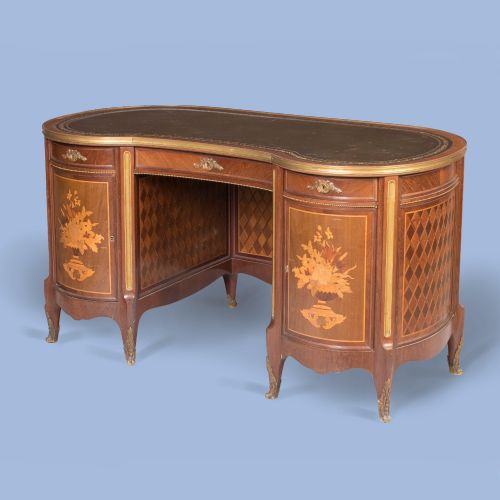
- A dense, richly figured tropical timber prized by nineteenth-century cabinetmakers for veneering high-status desks and cabinets. It contrasts sharply with bright ormolu mounts.
- Campana urn
- A classical vase shape resembling an inverted bell, mounted on a stepped plinth or pedestal base. This form derives from ancient Roman garden ornaments.
Brown Bronze Pedestal: Frequently Asked Questions
How do I clean bronze?
Dust surfaces gently with a soft, dry cloth to protect the patination.
Avoid commercial metal polishes or liquids that strip the historical brown finish from the metal.
Where should I place a pedestal?
Position these stands in corners, hallways, or reception rooms where they can support sculptures, urns, or lamps safely.
Ensure the floor surface is level to keep heavy marble tops and metal bases stable.
Are these items nineteenth century?
The listings consist largely of nineteenth-century pieces, including Victorian and Regency examples.
Materials like bronze, ormolu, and kingwood align with the manufacturing techniques of this era.
What styles are common?
French Empire, Louis XV, and Victorian Gothic Revival represent the primary design influences found in these metal and timber pieces.
These styles often incorporate classical motifs, floral mounts, and architectural plinths.