


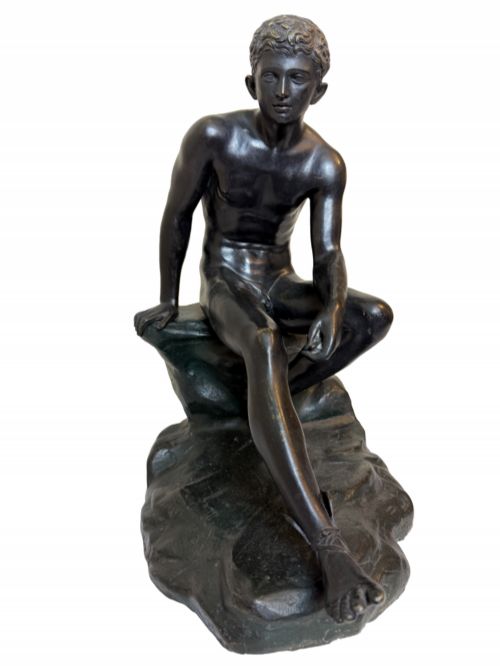

Antique Bronze Model
An antique bronze model captures classical architecture, famous animals, or historical ordnance in miniature, offering tangible history for the desk or cabinet.
Antique Bronze Model
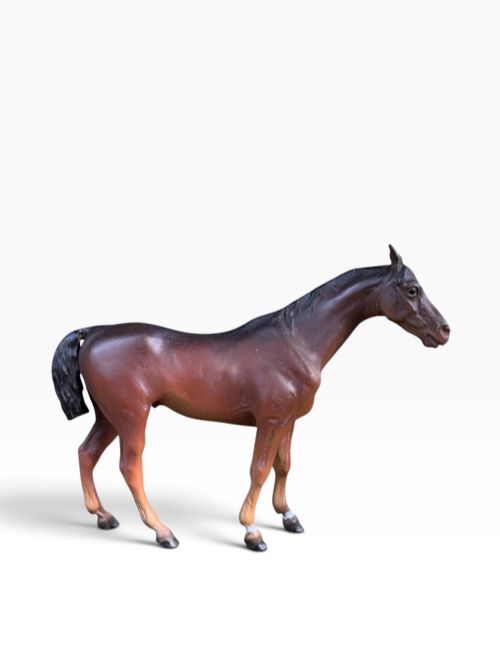
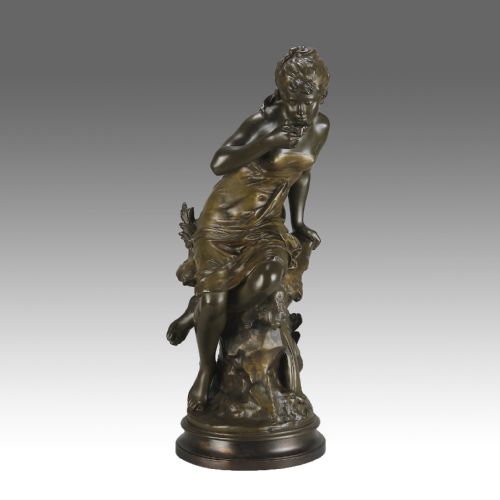
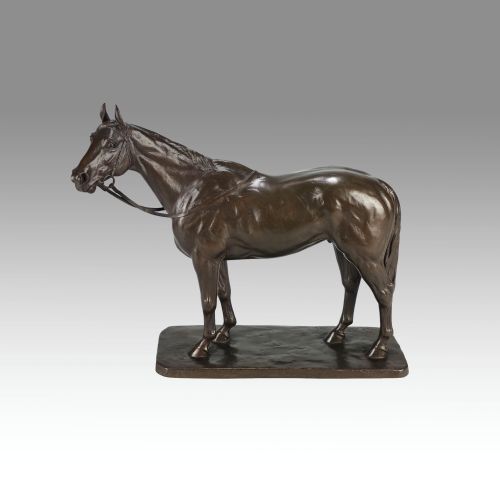
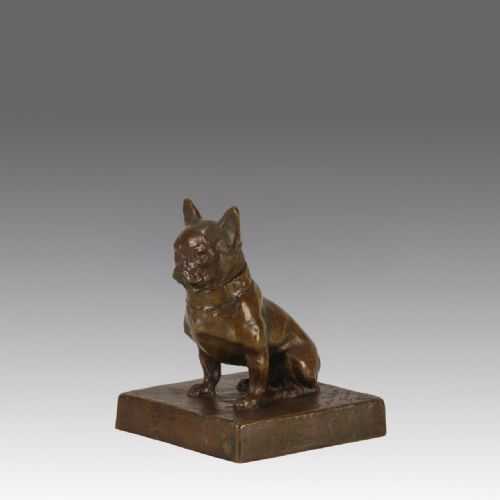
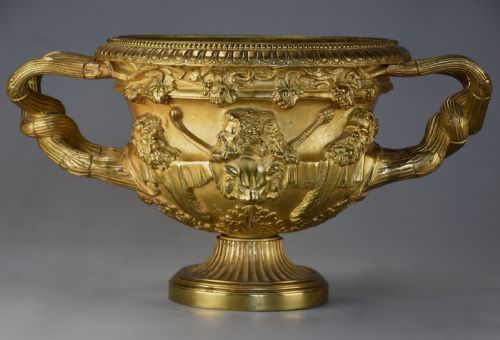
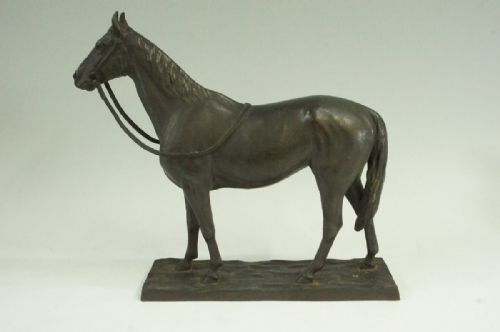
When you search for an antique bronze model, you encounter a diverse group of objects spanning domestic decorative art, desk ornaments, and souvenirs. These pieces range from grand architectural reductions purchased on the Grand Tour to animalier studies of hounds, horses, and wild creatures.
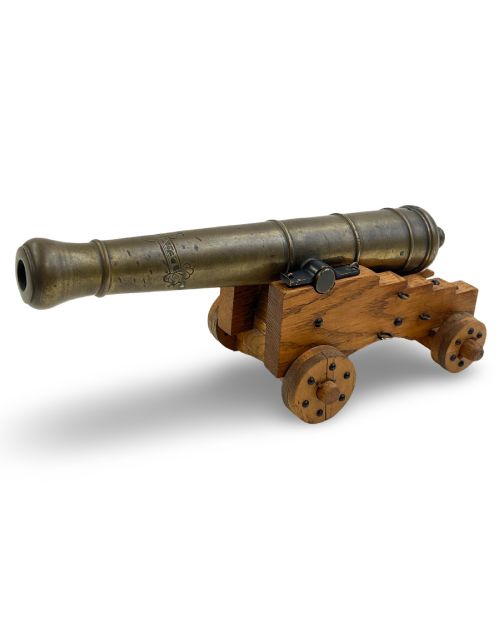
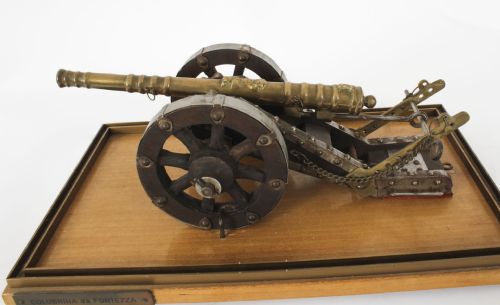
The most common examples on this page are Grand Tour souvenirs depicting famous Roman monuments, columns, and ancient vases. Alongside these travel mementos appear detailed scale models of field guns, cannons, and domestic figures cast during the nineteenth and early twentieth centuries.
Materials and casting methods
Foundry work relied heavily on traditional lost-wax casting and sand casting methods to capture fine details in bronze, brass, and spelter. Artisans often applied patinated finishes or gilding, producing deep brown surfaces or bright ormolu highlights.
Many sculptures and architectural models were mounted on complementary bases made from marble, wood, or malachite to provide stability and visual contrast.
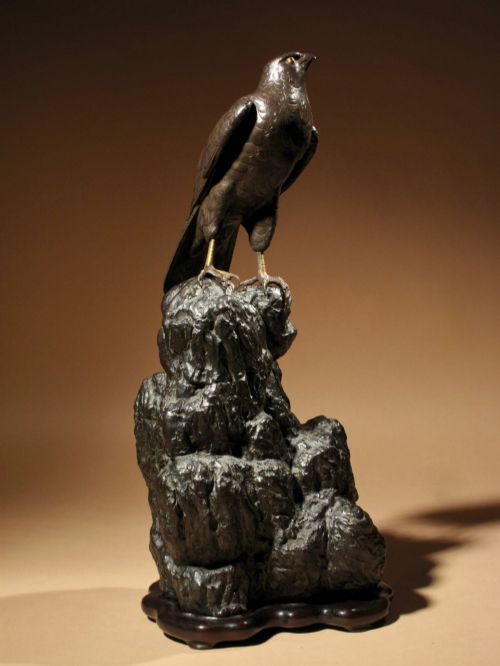
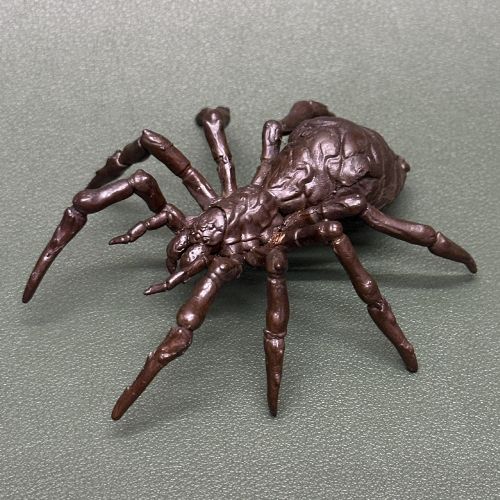
Listings feature nineteenth-century French and Italian bronzes alongside Japanese Meiji period okimono and architectural models.
Distinctions in craftsmanship
Quality rests in the crispness of the chase work and the fidelity of the reduction from the original monument or subject. Superior castings retain sharp architectural lines, clear inscriptions, and subtle muscular definition in animal figures without surface pitting.
Lesser examples display softened details where subsequent generations of moulds smoothed away the original chisel work. The weight of the metal and the precision of the joinery between separate cast sections further separate standard commercial souvenirs from signed works by known sculptors.
Henry Dasson·Mathurin Moreau·Kunio Itô·Dora Heber·Franz Bergman·Antoine Louis Barye·Joseph Francois Victor Chemin·Christophe Fratin
The Antique Bronze Model Glossary
- Grand Tour
- A nineteenth-century travel custom where wealthy tourists collected bronze souvenirs of classical ruins and sculptures in Italy. These miniature monuments served as educational mementos for domestic display.
- Animalier
- A nineteenth-century artistic style focusing on the realistic depiction of animals, particularly dogs, horses, and wild beasts. Sculptors of this movement observed living subjects closely.
- Patinated Bronze
- Metal treated with chemical solutions to produce an aged surface tone, ranging from deep brown to verdigris. This finish protects the alloy and emphasises sculptural contours.
- Ormolu
- Finely ground high-carat gold applied to a bronze base using a mercury amalgamation process. This lustrous coating creates bright golden highlights on decorative mounts and candelabra.
- Okimono
- A Japanese decorative figurine designed for display on a shelf or in a tokonoma alcove. These pieces often depict natural subjects and wildlife rendered in bronze.
Antique Bronze Model: Frequently Asked Questions
What is a Grand Tour model?
A Grand Tour model is a miniature bronze replica of a famous Roman ruin, column, or classical sculpture. Travellers purchased these objects during their continental education to display in British homes.
These pieces document the neoclassical taste of the nineteenth century. They served as conversation pieces in libraries and studies.
Are these models signed by artists?
Some models bear the signature or foundry mark of the sculptor, particularly animalier studies and works by prominent nineteenth-century artists. Signatures are typically cast directly into the base or inscribed into the metal.
Many architectural souvenirs and standard tourist pieces remain unsigned. The absence of a signature does not diminish the age or quality of a well-cast monument.
What is an ormolu mount?
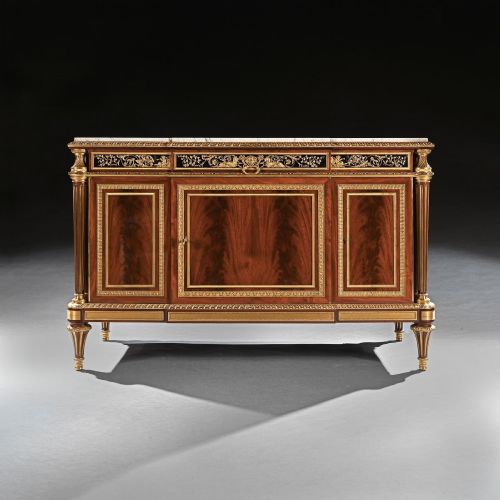
An ormolu mount is a gilt-bronze decorative element attached to furniture, clocks, or marble bases. The technique involves applying a gold amalgam to bronze and firing it in a kiln.
This method produced a durable, brilliant golden surface popular in Louis XVI and neoclassical designs. It added a layer of ornate luxury to domestic objects.