




Antique Bronze Mantle Clock
These heavy, decorative pieces bring together cast metal and precision timekeeping, anchoring a room with substantial nineteenth-century presence.
Antique Bronze Mantle Clock
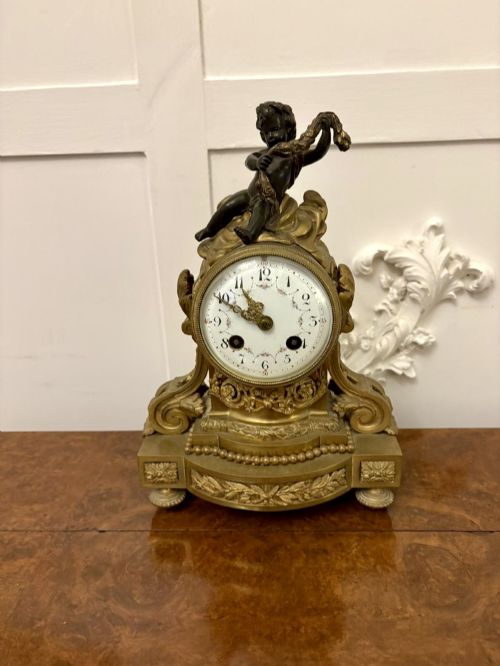
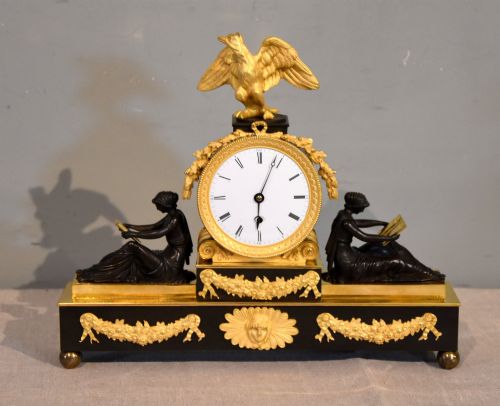
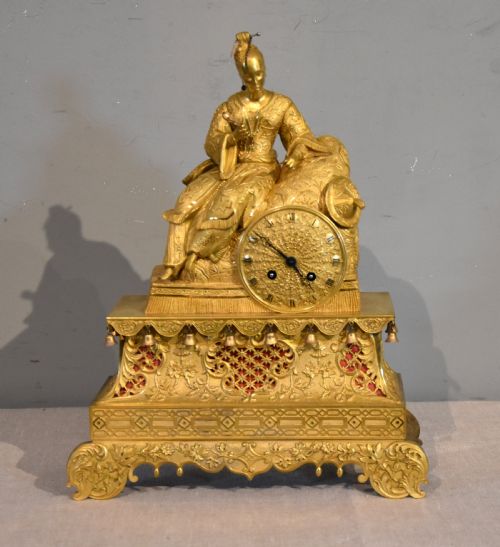
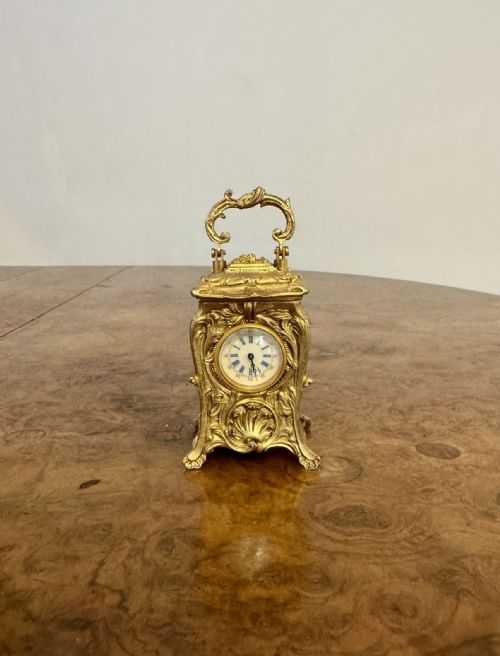
An antique bronze mantle clock sits upon a surface as a functional ornament, combining metal sculpture with mechanical movements. You will most frequently meet nineteenth-century French examples on this page, often styled in Louis movements or Rococo revivals.
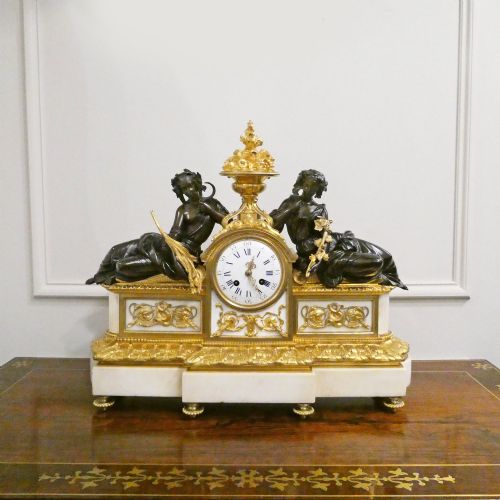
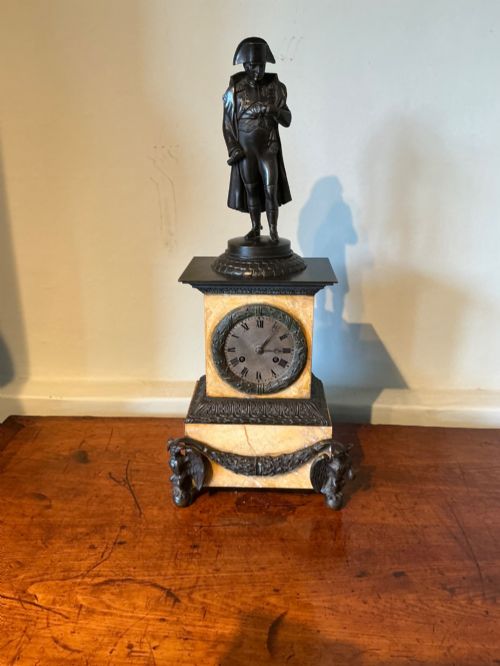
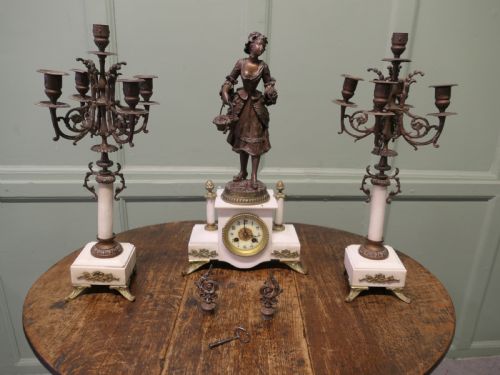
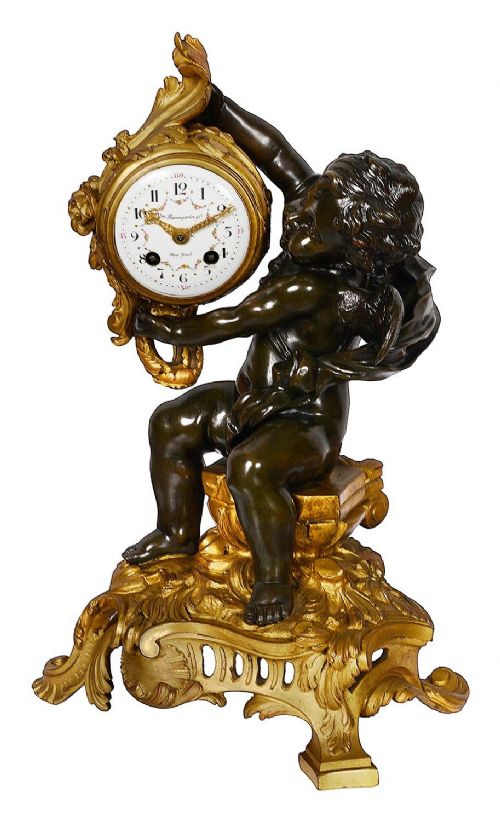
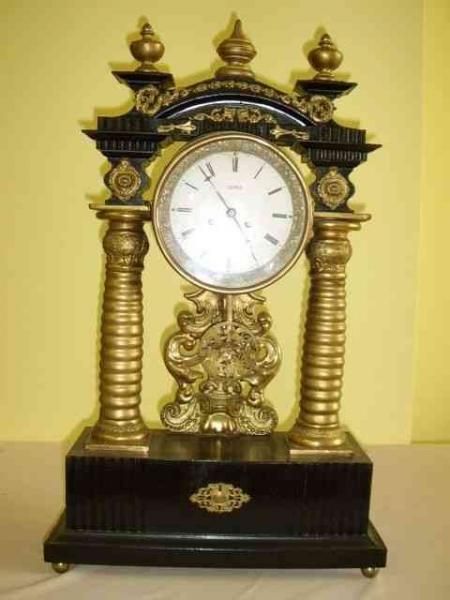
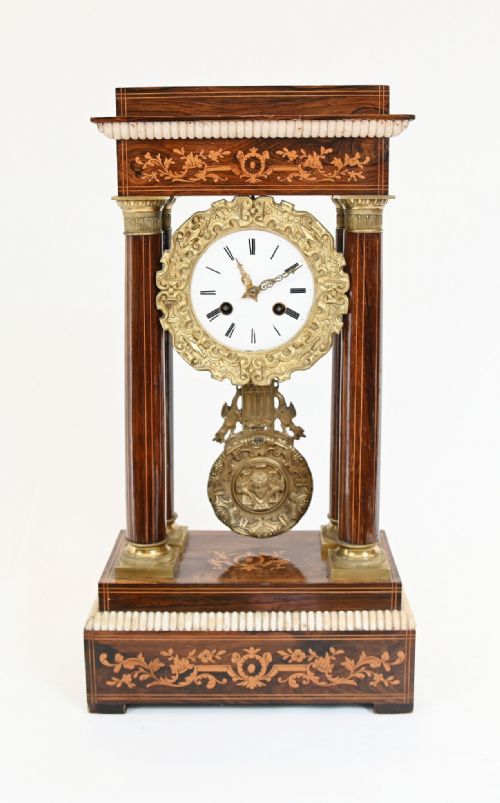
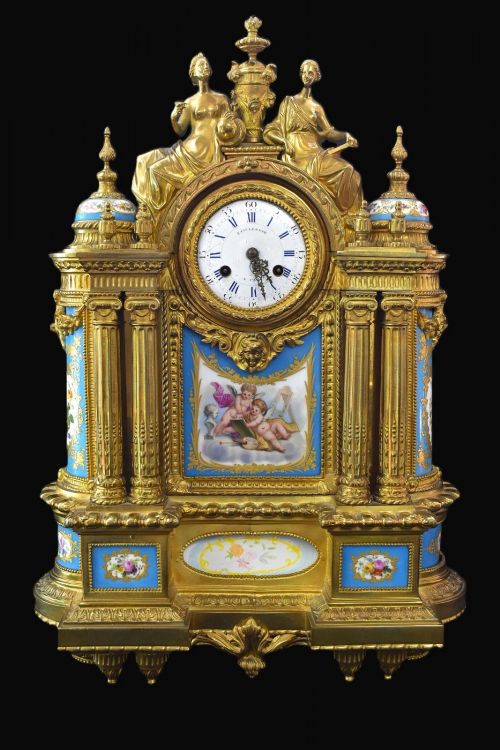
The form spans straightforward drum heads, architectural portico structures supported by columns, and elaborate multi-piece garnitures that include matching candelabras. Figures of cherubs, classical subjects or lions frequently surmount the base, housing white enamel dials behind glass doors.
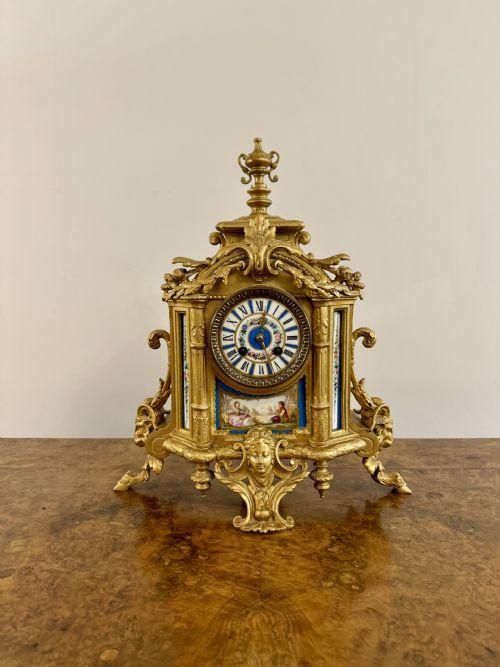
Many items incorporate contrasting materials alongside the dark metal, pairing white marble or Sevres porcelain plaques with gilt mounts. These objects served domestic utility in wealthy homes, marking hours with eight-day striking movements.
How they were made
Foundry workers cast bronze and brass using traditional methods, applying chemical patination or mercury gilding, known as ormolu, to the finished surfaces. These gilded and patinated components were then assembled alongside heavy marble plinths, cut crystal, and glass panels.
Clockmakers fitted mechanical brass movements driven by springs or gravity, integrating escapements and striking trains to power hands across painted enamel or porcelain dials. Skilled artisans carved secondary wooden cases where Boulle marquetry was applied, or mounted intricate champleve enamel panels into the frames.
Listings span the eighteenth, nineteenth, and Victorian periods, incorporating materials such as ormolu, Sevres porcelain, marble, and cut crystal.
What varies in quality
Movement sophistication also distinguishes standard timepieces from ambitious creations, such as musical mechanisms, mystery clocks, or signed escapements by known Parisian makers. Complete garniture sets retaining matching candelabras and original mercurial gilding represent the upper tier of survival.
Vincenti·Etienne Lenoir·Japy Freres·Breguet·Rollin A Paris·P L Hausburg Paris·Philippes Paris·Baetens London
The Antique Bronze Mantle Clock Glossary
- Ormolu
- Gilt bronze created by applying a mixture of gold and mercury to a bronze base and heating it. This historic fire-gilding technique produces a deep, lasting lustre.
- Garniture
- A set of matching decorative objects designed to be displayed together on a mantelpiece. It typically comprises a central clock flanked by matching candelabras or urns.
- Portico clock
- A clock housed within an architectural frame supported by four or more columns. These tall, symmetrical designs often feature suspended pendulums swinging within the open central space.
- Champleve
- An enamelling technique where troughs or cells are hollowed out of the metal surface and filled with vitreous paste before firing. The metal partitions remain visible between the coloured enamel areas.
- Sevres porcelain
- Fine ceramic plaques and dials produced by the royal French porcelain factory. These elements are frequently painted with pastoral scenes or floral motifs and mounted into clock cases.
Antique Bronze Mantle Clock: Frequently Asked Questions
What is a clock garniture set?
A garniture set is a coordinated group of decorative objects designed as a unified decorative scheme for a fireplace mantel. The central clock is accompanied by matching side pieces such as candelabras or ornamental vases.
These sets were popular status symbols in nineteenth-century drawing rooms, providing symmetrical visual balance. Finding a complete, matching set from the same period is increasingly uncommon.
How do I care for bronze and ormolu?
Dust the surfaces regularly with a soft, dry artist's brush to prevent grime from settling into the intricate recesses of the casting. Avoid liquid cleaners, polishes, or abrasive cloths, which can strip away original fire gilding or patina.
Keep the clock away from direct sunlight, dampness, and heat sources like radiators to protect both the metalwork and the internal wooden or marble components.
How can I tell a Victorian copy from an older piece?
Examine the casting quality, the wear on the movement components, and the fixing screws holding the case together. Hand-cut screws and heavy fire-gilt patination usually point to earlier eighteenth or early nineteenth-century origins, whereas later Victorian reproductions often display machine-tooled uniformity.
Signatures on the movement backplate or dial can also verify the original workshop and date of production.