


Antique Bronze Jar
An antique bronze jar brings substantial metalwork and centuries of global craft into a room, spanning Japanese planters, Chinese vessels, and European urns.
Antique Bronze Jar
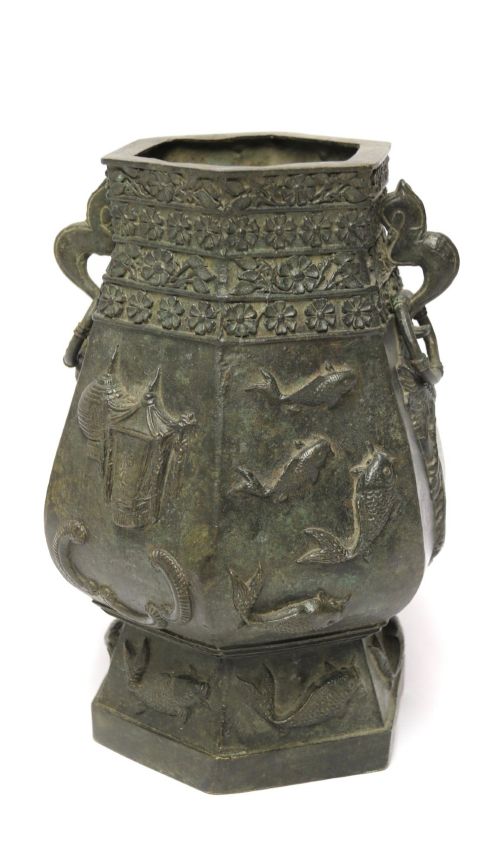
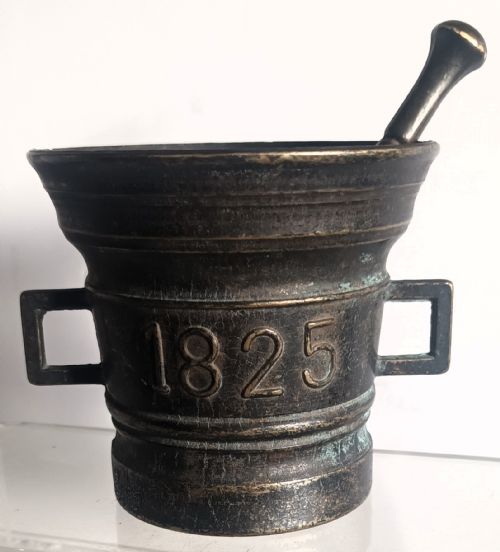
When you search for an antique bronze jar, you encounter a diverse group of metal containers, from Japanese Meiji period jardinières and Chinese ritual vessels to French decorative urns and English mortars. The pieces serve various historical functions, functioning as planters, censers, lidded ginger jars, and lidded vases.
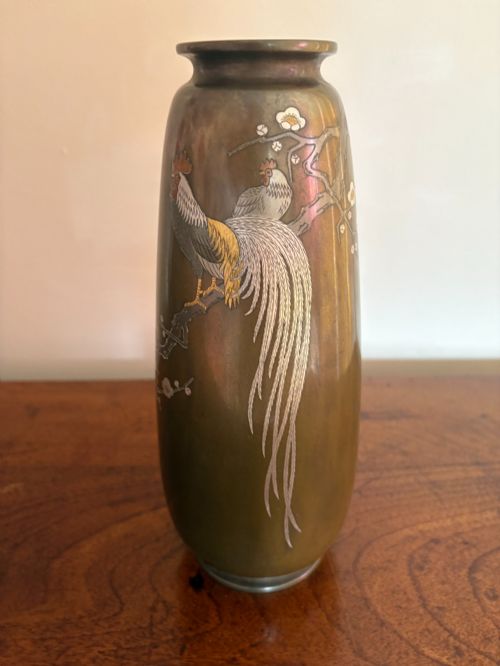
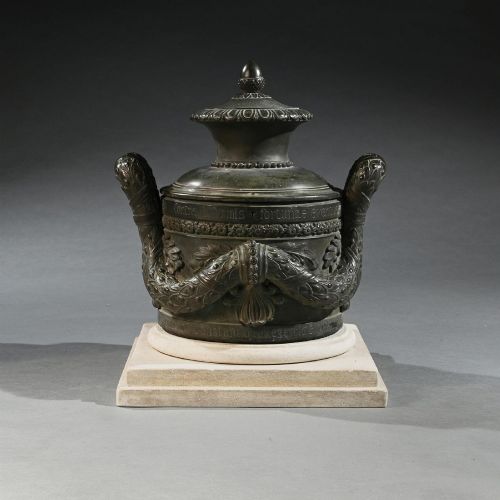
The versions most common on this page originate from nineteenth-century Japanese workshops, where craftsmen produced large bronze jardinières and mixed metal vases. Alongside these Asian items, European pieces appear frequently, including French ormolu mounts and Italian classical urns.
Forms shift according to origin and purpose, ranging from hexagonal vessels and bulbous ginger jars to pedestal planters and small lidded boxes. Each object reflects the specific aesthetic of its period, whether that is the ornamentation of the French Rococo Revival or the restrained discipline of the Edo period.
How they were made
Metalworking techniques vary across these items, combining cast bronze with applied decoration in copper, silver, gold, and enamel. Japanese pieces frequently employ mixed metal inlay work and cloisonné enamel, fusing coloured vitreous pastes into wire compartments on the bronze body.
European makers utilise casting and chasing methods, often pairing bronze with ormolu, porcelain, or carved stone to create layered decorative objects. Some vessels incorporate detailed engraving, Latin inscriptions, or patination treatments to alter the surface colour of the metal.
Listings feature nineteen-century pieces prominently, alongside items from the eighteenth and early twentieth centuries.
What varies in quality
Quality rests in the precision of the casting and the crispness of the surface chasing, separating standard production items from masterworks. The handling of mixed metal inlays and the depth of the original patination dictate the visual impact of the piece.
Weight and structural integrity also separate tiers of production, as heavier bronze pieces demonstrate substantial material substance and stability. Furthermore, the complexity of the design, such as multi-part construction and detailed cloisonné work, marks the distinction between ordinary containers and exceptional examples.
KANASAWA·W.M.F.·A Moreau Paris
The Antique Bronze Jar Glossary
- Jardiniere
- A decorative ceramic or metal pot or stand for holding plants or flowers. These items often feature substantial bronze casting and detailed surface ornamentation.
- Cloisonne
- An ancient technique for decorating metalwork objects with coloured material held in place by metal strips. Artisans solder thin wires to the bronze body to create cells before filling them with enamel.
- Ormolu
- Gilded bronze applications popular in French furniture and decorative objects. The process involves applying a finely ground high-carat gold-mercury amalgam to a bronze object.
- Censer
- A vessel used for burning incense during ceremonies. These pieces typically include fitted lids with openings to allow smoke to escape.
- Patination
- The process by which a chemical reaction, age, or usage alters the surface appearance of bronze. This change creates a thin layer of various colours on the metal.
Antique Bronze Jar: Frequently Asked Questions
What is an antique bronze jar used for?
These vessels served many practical and decorative purposes in historic homes, functioning as planters for indoor trees, containers for spices, and burners for incense.
Over time, collectors repurposed many of these metal items purely for display as ornamental urns and decorative centerpieces.
How do you date an antique bronze jar?
Dating relies on examining the casting techniques, the specific alloy composition, and the stylistic markers associated with periods like the Meiji era or the Victorian age.
Signatures, foundry marks, and matching decorative motifs found in comparative archive pieces also help narrow down the production period.
How do you care for bronze?
Maintenance requires dusting the surface gently with a dry, soft cloth to prevent the accumulation of dirt within the chased details and crevices.
Harsh chemical cleaners and abrasive polishes must be avoided to protect the original patination and the integrity of any applied mixed metals.