





Brown Bronze Vessel
A brown bronze vessel carries centuries of foundry skill, offering dense weight and rich patination to any interior.
Brown Bronze Vessel
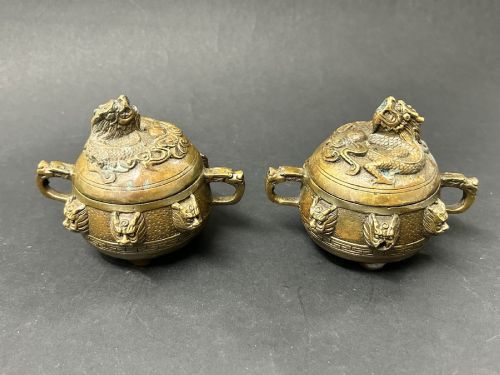
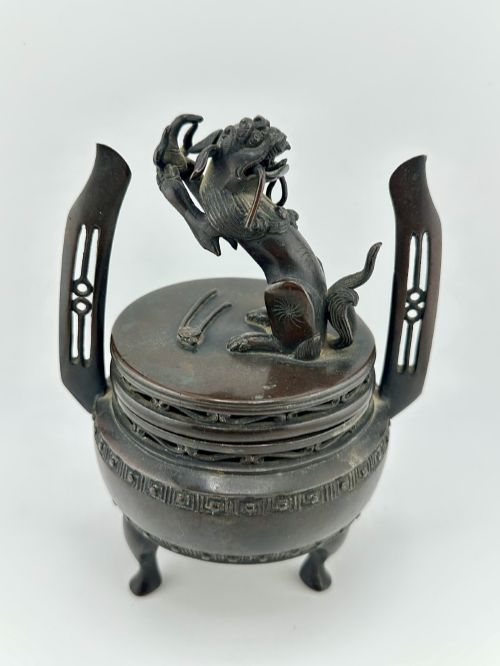
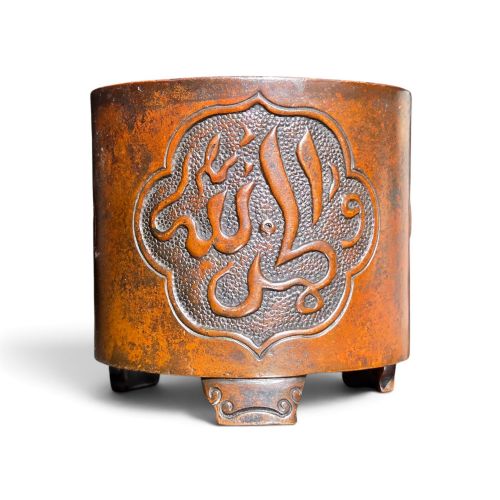
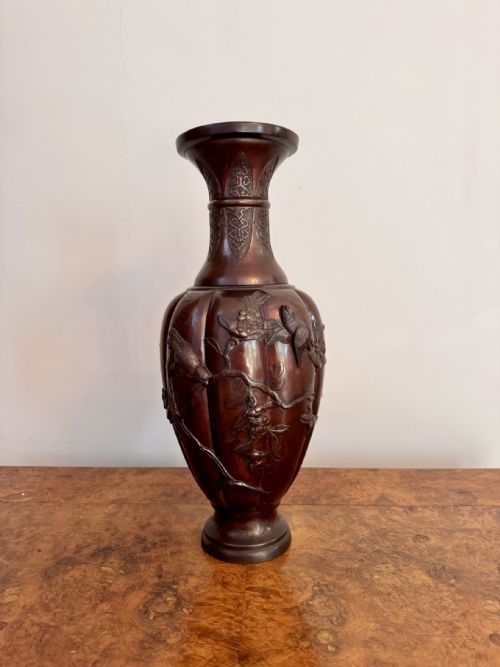
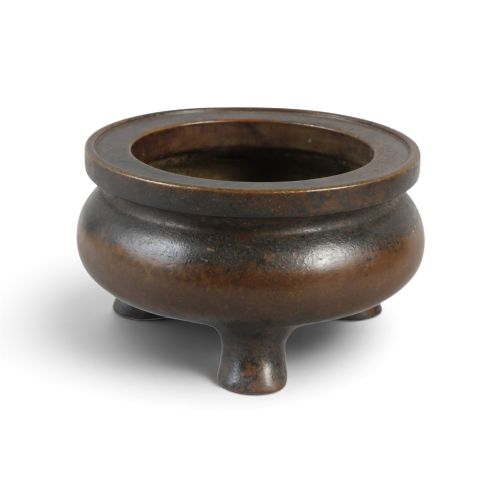
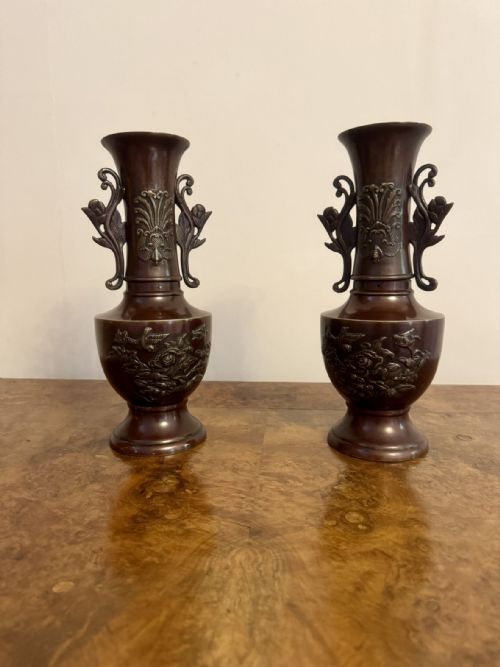
When you search for a brown bronze vessel, you encounter utilitarian and decorative metalwork spanning multiple centuries and continents. The pieces available here consist primarily of Japanese vases and censers from the Meiji period, alongside heavy Chinese scholar's censers and European Grand Tour urns.
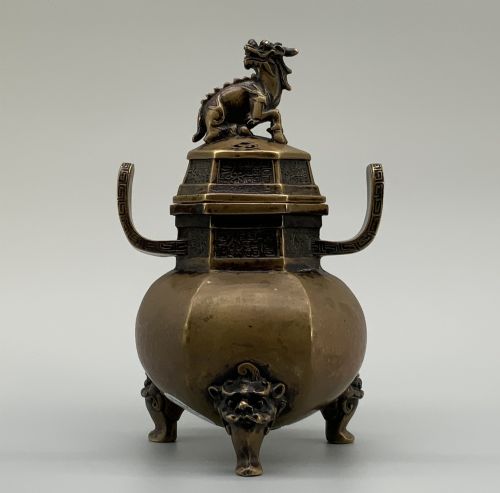
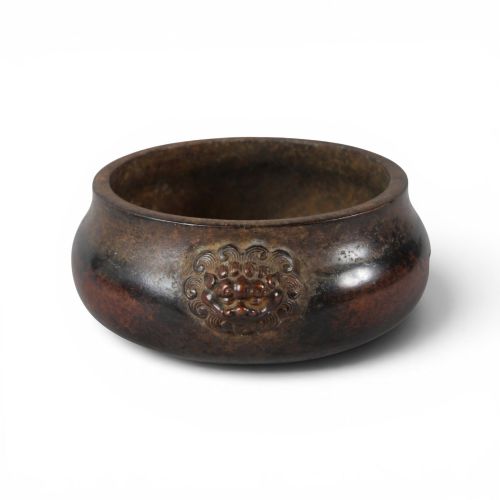
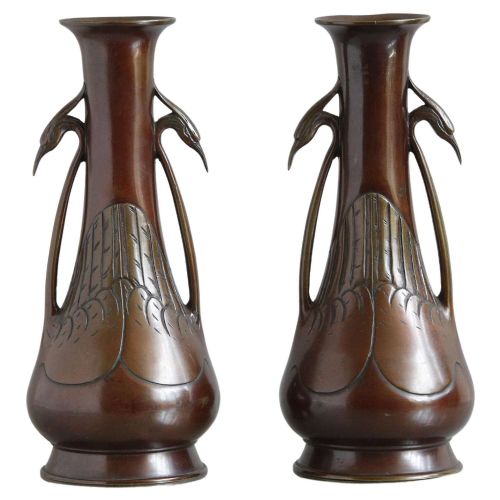
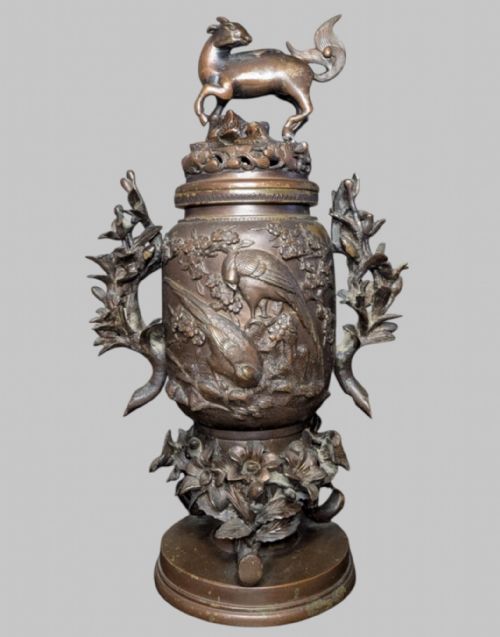
Forms range from cylindrical tripod censers and deep jardiniere bowls to tall twin-handled vases adorned with cast dragons or egrets. These objects served ancestral worship, scholar's studio decoration, and western display cabinets.
How they were made
Foundries utilised traditional casting techniques, including lost-wax methods, to create thick-walled vessels with substantial physical weight. Artisans frequently applied patination liquids to achieve deep brown tones, occasionally incorporating mixed metal inlays or carved details.
Finishes vary from smooth, dark surfaces showing subtle age wear to intricately chased motifs depicting dragons, carp, and floral scenes.
Listings span the 17th century through the Victorian era, uniting Japanese Meiji metalwork and Chinese scholarly bronzes.
What varies in quality
The distinction between standard production and exceptional work lies in the crispness of the cast and the depth of the metal. Heavier examples often demonstrate superior wall thickness and deliberate balance, particularly in tripod bases and vessel handles.
Surface treatments also divide the range, as controlled chemical patination and fine hand-chasing distinguish masterwork bronzes from simpler commercial castings.
Charles Korschann·Paul Dachsel
The Brown Bronze Vessel Glossary
- Censer
- A vessel designed for burning incense, frequently featuring a tripod base and a pierced cover. These containers often display mythical animal finials such as qilin or dragons.
- Patina
- The surface coloration and sheen developed naturally through age or applied artificially by the foundry. A stable brown patina protects the underlying copper alloy.
- Meiji Period
- An era in Japanese history spanning from 1868 to 1912 noted for exceptional export metalwork. Pieces from this time often exhibit naturalistic motifs and high technical mastery.
- Tripod
- A vessel configuration supported by three distinct feet. This form appears frequently in archaic Chinese bronzes and subsequent scholarly censers.
- Jardiniere
- A large decorative pot or bowl intended to hold growing plants. These heavy containers often feature relief decoration around the main body.
Brown Bronze Vessel: Frequently Asked Questions
What are brown bronze vessels used for today?
These objects function primarily as decorative focal points on tables, desks, and mantelpieces. Collectors also utilise smaller censers and scholar's vessels to anchor interior styling.
Their substantial weight allows them to hold dried stems or simply stand alone as sculptural art.
How do I distinguish Chinese bronzes from Japanese ones?
Chinese pieces often lean towards archaistic forms, ritual vessel shapes, and scholar's studio items with heavy walls and archaic marks. Japanese examples from the Meiji period frequently showcase dynamic naturalism, such as carp, egrets, and flora.
Examining the handling of the surface and the specific motifs usually clarifies the regional origin.
Are these vessels heavy?
Many examples possess significant physical heft, with several pieces weighing multiple kilograms. This density results from thick-walled casting methods used by period foundries.
Tripod censers and large jardiniere bowls require sturdy placement surfaces due to this considerable weight.
How should I clean a bronze vessel?
Maintenance requires only gentle dusting with a soft, dry cloth to preserve the historical surface layer. Avoid chemical metal polishes that strip away the original patination.
Allowing the metal to retain its natural ageing process protects the integrity of the piece.